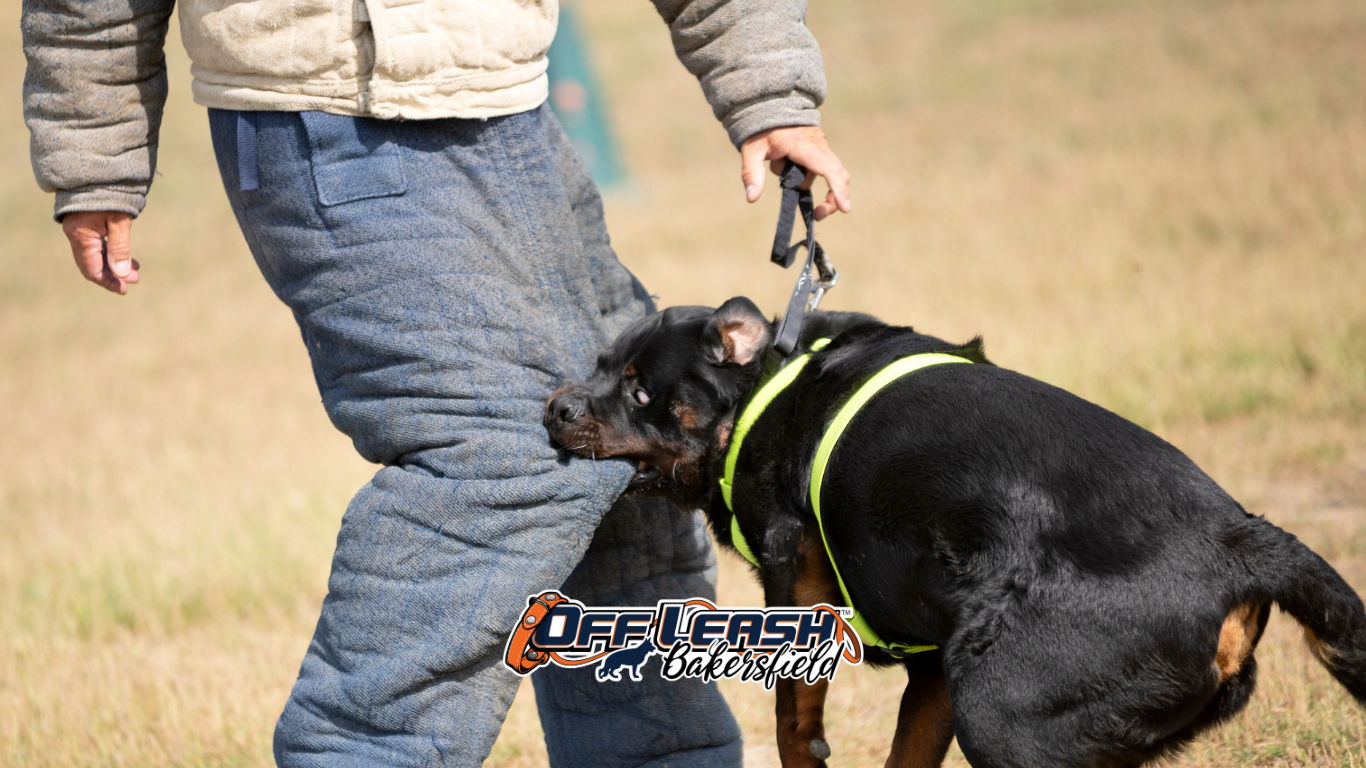
Dog behavior modification training
It’s astonishing to realize that nearly 70% of behavioral issues in dogs can be effectively managed through proper training. Behavior modification involves understanding the reasons behind undesirable actions and addressing them with consistent techniques. This sort of training is not just for the dog’s well-being, but also to ensure safety and harmony within the household.
Historically, dog behavior modification training has evolved from punitive measures to positive reinforcement methods. Experts now emphasize the importance of patience, consistency, and understanding the dog’s perspective. Interestingly, a recent study revealed that 85% of dogs showed significant behavioral improvements when owners committed to a structured modification routine. Cost-effective and humane, this approach promotes a strong bond between humans and their canine companions.
Dog behavior modification training focuses on changing undesirable behaviors through positive reinforcement and consistent techniques. It addresses issues like aggression, anxiety, and excessive barking by understanding triggers and applying methods such as desensitization, counter-conditioning, and rewarding desirable behaviors. This training improves the dog’s well-being and strengthens the bond with its owner.
Dog behavior modification training explained
Dog behavior modification training focuses on changing unwanted behaviors in dogs by understanding and addressing their root causes. This training method uses positive reinforcement to encourage desirable actions, making it more effective and humane. Dogs learn new behaviors through rewards, which can include treats, praise, or playtime. Consistency and patience from the owner are crucial for success. By following these principles, dog owners can see significant improvements in their pets’ behavior.
Common behavioral issues tackled by modification training include excessive barking, aggression, and anxiety. Trainers work to identify the triggers causing these behaviors and develop a plan to address them. For example, a dog barking excessively may need more exercise or mental stimulation. Methods like desensitization and counter-conditioning are often used. These techniques help dogs form new, positive associations with previously upsetting situations.
Effective dog behavior modification involves several key tools and techniques. Clicker training is one popular method where a click sound marks the correct behavior, followed by a reward. Leashes and harnesses can help manage and guide the dog during training sessions. Training classes or private sessions with a professional trainer can provide personalized guidance. Owners also learn to read their dog’s body language to better understand their needs.
Consistency in training and the role of reinforcement are fundamental aspects of behavior modification. Dogs thrive on routine and knowing what’s expected of them. Regular practice and reinforcement solidify the desired behaviors, making them a habit for the dog. Owners should stick to a consistent schedule and provide rewards immediately after the desired behavior. This strengthens the dog’s understanding and helps build a positive relationship between the dog and owner.
Common behavioral issues addressed
Dog behavior modification training addresses a wide range of common behavioral issues, helping dogs become better companions. Issues like excessive barking can be disruptive and annoying for both owners and neighbors. By identifying the triggers, such as boredom or anxiety, trainers can develop strategies to reduce barking. Training methods might include more exercise, mental stimulation, or using commands paired with rewards. These approaches help dogs understand when it’s appropriate to be quiet.
Aggression is another significant issue that behavior modification training targets. Aggressive behavior can be dangerous for both the dog and people around it. Trainers often use techniques like desensitization and counter-conditioning to help dogs feel more comfortable in stressful situations. Consistent positive reinforcement for calm behavior is key. Over time, dogs can learn to react more peacefully.
Anxiety in dogs, whether it’s separation anxiety or fear of loud noises, is also commonly addressed. Dogs with anxiety might show signs like trembling, hiding, or destructive behavior. Training methods for anxiety usually involve creating a safe, calm environment for the dog. Gradual exposure to anxiety-inducing situations, combined with rewards, helps ease their fears. This approach can build the dog’s confidence.
Other common problems include poor socialization and lack of obedience. Socialization issues might involve a dog being overly shy or overly excited around other animals or people. Trainers work on these behaviors by using controlled social interactions to teach appropriate responses. Obedience problems, like not following commands, are dealt with through consistent practice and rewards. Proper training helps establish a strong bond and clear communication between the dog and owner.
Key principles of behavior modification
Behavior modification relies on understanding why a dog acts a certain way and using positive techniques to change those actions. One important principle is positive reinforcement. This means rewarding a dog when it behaves correctly, which encourages it to repeat the behavior. Rewards can be treats, praise, or play. Consistency in giving rewards is crucial so the dog learns what is expected.
Another key principle is setting clear rules and boundaries. Dogs need to know what behaviors are acceptable and which are not. Clear commands and consistent reactions from owners help establish these guidelines. Using the same words and actions for commands reinforces learning. It also helps the dog understand and follow instructions more easily.
Timing is another essential aspect of behavior modification. The reward or correction must happen immediately after the behavior. This helps the dog make the connection between its action and the consequence. Delayed responses can confuse the dog and slow down training progress. Quick and appropriate responses lead to better results.
Understanding a dog’s body language and signals is crucial as well. This helps in identifying stress, fear, or excitement early. By knowing these signs, owners can intervene before a problem escalates. It also aids in creating a training plan tailored to the dog’s needs. Observing body language ensures training is effective and humane.
Essential tools and techniques
There are several essential tools and techniques crucial for effective dog behavior modification training. Clicker training is one popular method where a small device makes a clicking sound to mark a desirable behavior. When the dog hears the click, it knows a reward is coming. This method is effective because it offers immediate feedback to the dog. Consistency with using the clicker makes it a powerful training tool.
Leashes and harnesses are fundamental for maintaining control during training sessions. They are especially useful in outdoor environments or when dealing with distractions. A harness distributes pressure more evenly, making it a gentler option for the dog. Using the right leash or harness can greatly aid in teaching dogs how to walk calmly. Properly fitted equipment ensures the dog’s comfort and safety.
Positive reinforcement is a cornerstone technique in behavior modification. This approach involves rewarding the dog immediately after it performs the desired behavior. Rewards can vary and include treats, toys, or verbal praise. Consistent reward systems help reinforce good behavior. Over time, the dog learns which actions lead to positive outcomes.
Implementing an effective training schedule is key to success. Short, frequent sessions are generally more beneficial than longer, less regular ones. This keeps the dog engaged and reduces the likelihood of it becoming bored or frustrated. Regular practice makes the behavior become second nature to the dog. Maintaining a specific routine can significantly improve training outcomes.
Using interactive toys and puzzles can also play a vital role in behavior modification training. These tools provide mental stimulation and help alleviate boredom, which is often a cause of behavioral problems. Engaging the dog’s mind can tire it out as much as physical activity. Introducing these toys during training sessions can boost the dog’s enthusiasm. Various toys can cater to different cognitive challenges and interests.
Role of consistency and reinforcement
Consistency and reinforcement play a pivotal role in dog behavior modification training. When training a dog, it’s important to be consistent in commands, actions, and reactions. This helps the dog understand what is expected of it. Mixed signals can confuse the dog, slowing progress. Consistent training sessions reinforce the lessons taught.
Reinforcement strengthens the association between a behavior and its consequence. Positive reinforcement involves rewarding a dog for good behavior, which encourages it to repeat the action. Rewards can include treats, toys, or praise. Timely rewards are crucial so the dog connects the behavior with the reward. Over time, the dog learns to associate good behaviors with positive outcomes.
Consistency also means maintaining the training schedule. Regular, short sessions work better than sporadic, long ones. This keeps the dog focused and makes learning more effective. A set routine helps the dog anticipate training times, improving its readiness. Consistent practice makes behaviors second nature to the dog.
Negative reinforcement, although less common, can also be used carefully. This involves removing an unpleasant stimulus when the dog performs the desired behavior. For example, loosening a tight leash when the dog stops pulling. This teaches the dog that good behavior results in a more comfortable experience. However, positive methods are generally preferred.
Involving the whole family in training ensures consistency. Everyone should use the same commands and reward system. This prevents confusion and reinforces learning. Consistent support from all family members speeds up the process. A unified approach is key to successful behavior modification.
Maintaining consistency and using reinforcement strategically ensures effective training outcomes. Consistent commands, regular practice, and timely rewards make all the difference. Dogs thrive on routine and clear expectations. Adhering to these principles helps build a well-behaved, happy companion. This approach fosters a strong bond between the dog and owner.
Benefits of behavior modification training for dogs and owners
Behavior modification training offers numerous benefits for both dogs and their owners. One of the most notable advantages is the improvement in the dog’s overall behavior. A well-behaved dog is less likely to engage in destructive actions, making the household more harmonious. This can include reduced incidents of chewing, digging, or excessive barking. Improvements in behavior lead to a more peaceful living environment.
Dogs also gain a better quality of life through behavior modification. Stress and anxiety can be reduced when dogs understand expectations and receive consistent training. This results in a happier, more relaxed pet. Increased mental stimulation also keeps dogs engaged and satisfied. A dog that knows what is expected is less stressed and more content.
Owners benefit significantly from this training as well. It helps build a stronger bond with their dog through consistent interaction and understanding. Effective training ensures the dog is safer in various situations, reducing worries for the owner. For instance, a dog that reliably follows commands is less likely to run into dangerous situations. This peace of mind is invaluable.
Behavior modification training also offers practical advantages. It can save owners money by preventing property damage caused by destructive behaviors. It also reduces the need for professional trainers or behaviorists in the future. Committing to training now leads to long-term benefits. It’s an investment in a harmonious future.
The social aspect is another benefit. Well-trained dogs are easier to take out in public, making social outings more enjoyable. Visitors to the home will also appreciate a well-mannered dog. This enhances the dog’s and owner’s social lives. A well-behaved dog can become a welcomed member of the community.
Techniques and methods used in behavior modification training
Behavior modification training employs a variety of techniques to address diverse issues. One commonly used method is positive reinforcement, where good behavior is rewarded. This can include treats, praise, or toys to encourage the dog. Over time, the dog associates positive actions with rewards. This technique strengthens desirable behaviors effectively.
Another effective technique is desensitization. This involves gradually exposing the dog to a feared situation or object in a controlled manner. By slowly increasing exposure levels, the dog becomes less sensitive over time. For instance, if a dog fears loud noises, soft noise exposure gradually increases until comfort at normal volumes. Patience is key in this gradual process.
Counter-conditioning is often paired with desensitization. In counter-conditioning, negative reactions are replaced with positive ones through rewarding calm behavior during exposure to triggers. If a dog reacts aggressively to strangers, treats are given when it remains calm around them. This changes the dog’s emotional response from fear to something more pleasant.
- Clicker Training: A click sound followed by a reward marks correct behavior.
- Time-Outs: Removing the dog from its environment briefly discourages unwanted behaviors.
- Redirecting Attention: Shifting focus away from undesirable actions by introducing engaging activities.
Puzzle toys and mental games also feature prominently in modification training. These stimulate the dog’s mind and keep it engaged while reducing destructive behavior caused by boredom. Regular practice of these techniques ensures improved results over time.
The incorporation of structured routines aids in consistency and expectation setting for dogs undergoing training sessions regularly benefits retention levels high improves likelihood long-term success lasting impact on behaviour means happier pet harmonious household both!
This well-rounded approach creates optimal environments behavioral transformation dogs remain mentally physically stimulated throughout daily lives!
Choosing the right professional or approach for your dog
Selecting the right professional or approach for behavior modification training is critical for your dog’s success. Start by researching and identifying certified trainers who specialize in your dog’s specific issues. Look for trainers with credentials from reputable organizations like the Association of Professional Dog Trainers (APDT) or the International Association of Canine Professionals (IACP). These credentials ensure the trainer has adequate knowledge and skills. Trustworthy professionals prioritize positive reinforcement methods.
It’s also important to consider the trainer’s experience and background. Trainers with a proven track record handling similar issues can offer valuable insights and solutions. Ask for references or testimonials from previous clients. Observing a trainer’s class can also provide a sense of their methods and interaction styles. Ensuring the trainer’s approach aligns with your values is vital for effective training.
When opting for a training approach, individualized plans are often more effective. Not all dogs respond uniformly to the same techniques, so personalized strategies ensure better results. Consulting a professional who evaluates your dog’s unique temperament and needs can be beneficial. Tailored plans address specific behaviors, making the training more relevant. Custom approaches promote lasting behavioral changes.
- Group Classes: Ideal for socialization and basic obedience in a controlled environment.
- Private Sessions: Focused attention on specific issues, allowing for personalized solutions.
- Board and Train Programs: Intensive training where the dog lives with the trainer temporarily.
Owners must remain committed to the chosen approach to see effective results. Consistency in following through with the trainer’s recommendations at home is key. Regular practice and reinforcement solidify the newly learned behaviors. Staying engaged with the training process ensures a stronger bond with your dog. This joint effort yields a well-behaved, happy companion.
Success stories and real-world examples of dog behavior transformation
One remarkable success story involves Max, a Labrador Retriever struggling with severe separation anxiety. Max’s owner sought the help of a professional trainer who tailored a behavior modification plan. Using gradual desensitization and positive reinforcement, Max learned to stay calm during his owner’s absence. Within a few months, his anxiety significantly reduced, and the household stress was alleviated. Max now enjoys quiet time alone without distress.
Another example is Bella, a Border Collie with aggressive tendencies toward other dogs. Her aggression stemmed from fear and lack of socialization. A trainer introduced Bella to controlled social situations using counter-conditioning techniques. Bella’s aggression was replaced with curiosity and calmness over several weeks. Today, she interacts peacefully with other dogs during walks and playtimes.
Milo, a young Beagle, exhibited excessive barking that troubled his owners and neighbors. After consulting a behavior specialist, a comprehensive training plan was implemented. The strategy included mental stimulation exercises, increased physical activity, and command training. Within a short period, Milo’s barking was reduced to manageable levels. His family now enjoys a quieter, more peaceful home environment.
There are also numerous accounts of rescue dogs transforming through behavior modification training. Many of these dogs come from traumatic backgrounds and exhibit a range of behavioral issues. Through patient, consistent training, they learn to trust humans and adapt to their new homes. These transformations are heartwarming and demonstrate the power of dedicated training. A well-trained dog can turn its life around completely.
| Dog | Issue | Solution | Outcome |
|---|---|---|---|
| Luna | Fear of loud noises | Desensitization | Calm during thunderstorms |
| Rocky | Resource guarding | Counter-conditioning | Shares toys willingly |
Frequently Asked Questions
Behavior modification training for dogs can sometimes seem complex. Here are some common questions and answers that may help clarify this topic.
1. What are the first steps in behavior modification training for a new dog?
The first step is to identify the specific behaviors you want to change. This involves observing your dog to understand what triggers these behaviors. Once you identify the problem, create a consistent training plan focusing on positive reinforcement. Use treats, praise, and play to reward desirable behaviors.
Next, ensure that everyone interacting with the dog follows the same training approach. Consistency is key in helping the dog understand what is expected. Regular short training sessions work best to keep the dog engaged and motivated. Tracking progress can also aid in identifying what techniques are most effective.
2. How long does it typically take to see results from behavior modification training?
The time it takes to see results can vary depending on the dog’s age, the specific behavior issues, and consistency in training. Some dogs may show improvement in a few weeks, while others might take several months. Patience is essential, as rushing the process can hinder progress.
Regular, consistent training sessions will yield the best results. It’s crucial to maintain a positive and patient approach, celebrating small achievements along the way. Remember, each dog is unique and will progress at its own pace. Persistence and commitment are vital.
3. Can older dogs benefit from behavior modification training, or is it only for puppies?
Older dogs can absolutely benefit from behavior modification training. While puppies might learn more quickly, older dogs are still capable of changing their behaviors with proper guidance. The key is to use positive reinforcement and be patient. Training techniques should be adapted to suit the dog’s age and learning capacity.
It’s never too late to start behavior modification training. Many older dogs undergo successful training programs and show significant improvements. The strong bond that forms from working together helps enhance the training experience, making it meaningful for both the dog and the owner.
4. What role does exercise play in behavior modification training?
Exercise plays a crucial role in behavior modification training by helping manage a dog’s energy levels. A well-exercised dog is less likely to engage in negative behaviors like chewing, barking, or being aggressive. Daily physical activity helps reduce stress and anxiety, making the dog more receptive to training sessions.
Regular exercise also strengthens the bond between the dog and the owner. Activities like walking, running, or playtime are great opportunities to practice obedience and reinforce good behavior. Physical and mental stimulation together create a balanced approach to behavior modification training.
5. Are there specific tools that can aid in behavior modification training?
Yes, several tools can assist in behavior modification training. Clickers are commonly used to provide immediate feedback when a dog exhibits desired behavior. Treat dispensers can also be effective, especially for maintaining the dog’s focus during training sessions. Proper leashes and harnesses help manage the dog in outdoor settings.
Interactive toys and puzzle feeders keep the dog’s mind engaged and alleviate boredom, which can reduce unwanted behaviors. Consistency in using these tools and incorporating them into daily routines can significantly enhance the effectiveness of behavior modification training.
Conclusion
Dog behavior modification training is an essential tool that benefits both the pet and the owner. By using positive reinforcement and consistent techniques, dogs can overcome various behavioral issues. This leads to a happier, more harmonious household, enhancing the bond between dog and owner.
The journey may require patience and commitment, but the results are rewarding. Whether dealing with a young puppy or an older dog, these methods can create lasting positive changes. Investing time in behavior modification training is an investment in a better future together.
"*" indicates required fields