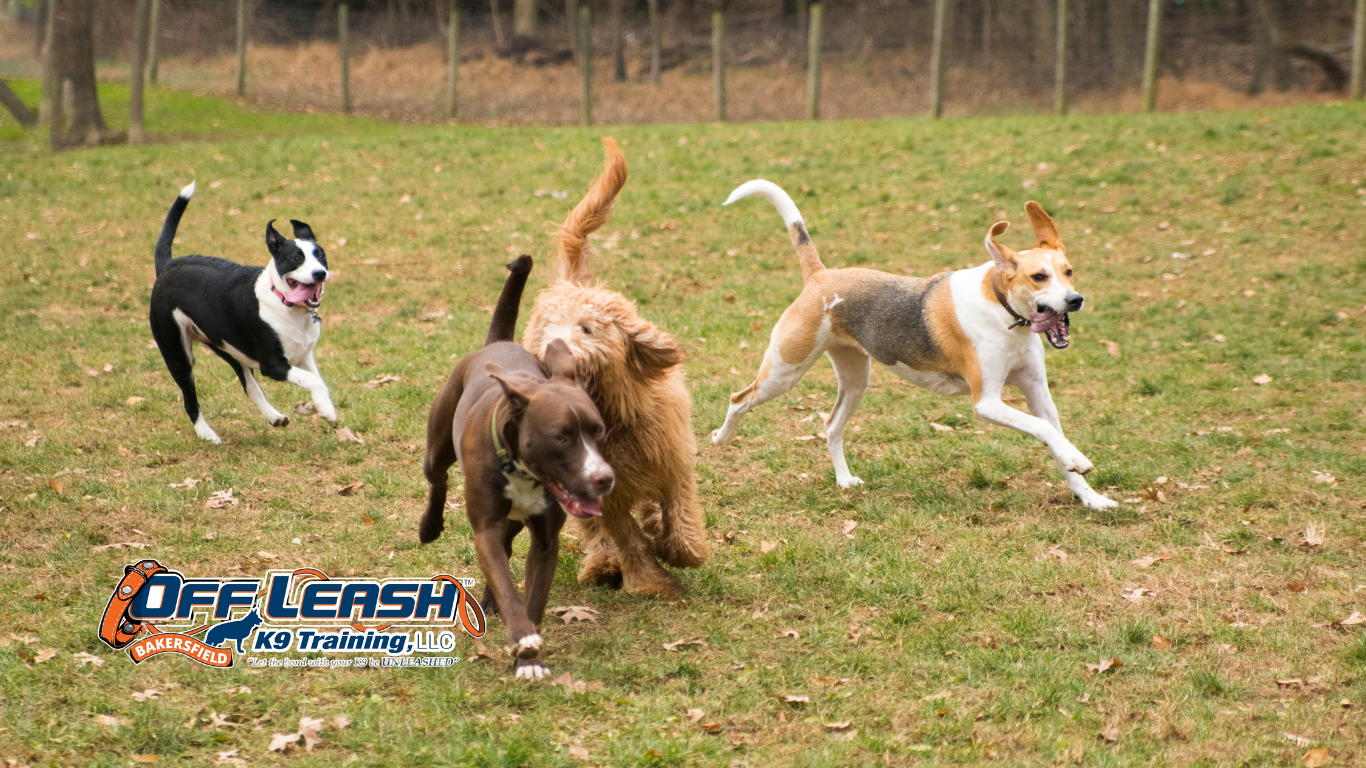
Dog Attacks: Why Dogs Attack Other Dogs and How Training Helps
Dog Attacks involving other dogs are one of the most serious and emotionally stressful behavior problems dog owners can face. Whether the behavior appears as barking, lunging, snapping, growling, or full physical aggression, dog-on-dog aggression can quickly turn normal walks and public outings into unpredictable and dangerous situations. Many owners begin avoiding parks, sidewalks, or public spaces entirely because they fear their dog may react aggressively around other animals.
For some dogs, aggressive behavior develops gradually over time. A dog that once seemed friendly and social may suddenly begin reacting negatively toward unfamiliar dogs during adolescence or adulthood. Other dogs show reactive tendencies early due to fear, frustration, overstimulation, poor socialization, or traumatic experiences. In many cases, owners are shocked when aggression appears seemingly “out of nowhere.”
However, dog attacks rarely happen without underlying emotional or behavioral causes. Most aggressive reactions are connected to emotional overload rather than simple “bad behavior.” Dogs that attack other dogs are often struggling with fear, frustration, poor impulse control, anxiety, territorial instincts, overarousal, or inability to regulate emotions appropriately around stimulation.
Many owners mistakenly believe aggressive dogs are simply dominant, stubborn, or intentionally dangerous. While some dogs may naturally have stronger defensive or territorial tendencies, aggression is often much more connected to emotional state, learned patterns, environmental pressure, and lack of structure than people realize.
One of the biggest mistakes owners make is focusing only on the aggressive reaction itself while ignoring the emotional buildup happening before the outburst. Lunging, barking, snapping, and attacking behaviors are often the final result of rising tension, overstimulation, and frustration that builds long before the actual reaction occurs.
Busy environments in Bakersfield can make these challenges even harder for dogs struggling with reactivity. Public parks, apartment complexes, crowded sidewalks, outdoor restaurants, neighborhood dogs behind fences, and constant environmental stimulation create repeated opportunities for reactive dogs to practice aggressive behavior. Without proper guidance, these patterns often become stronger over time.
Structured training focuses on helping dogs build emotional regulation, neutrality, impulse control, and better decision-making around triggers. Instead of reacting emotionally every time another dog appears, dogs learn how to remain calmer, stay engaged with the handler, and recover from stimulation more effectively.
Improving aggressive behavior is not about suppressing emotions or forcing dogs into overwhelming situations. True progress comes from teaching dogs how to process stimulation calmly while building confidence, focus, and emotional stability in real-world environments.
Key Takeaways
- Dog attacks often stem from fear, frustration, overstimulation, or poor emotional regulation
- Aggressive reactions usually become stronger through repetition
- Emotional regulation is critical for improving dog aggression
- Leash frustration commonly contributes to reactive behavior
- Structured training builds impulse control and neutrality
- Real-world exposure helps dogs improve public behavior safely
- Calmness and focus should be reinforced consistently
- Early intervention helps prevent escalation of aggression
- Dogs need guidance learning how to process stimulation calmly
- Training should focus on emotional balance, not just obedience commands
Why Dogs Attack Other Dogs
Dog aggression can develop for many different reasons. Understanding the emotional causes behind aggressive behavior is one of the most important steps toward improvement.
Common causes include:
- Fear or anxiety
- Leash frustration
- Poor socialization
- Territorial behavior
- Resource guarding
- Previous negative experiences
- Overstimulation
- Lack of impulse control
- Hyper-arousal around movement
- Environmental pressure
- Lack of structure
- Pain or medical discomfort
Many aggressive reactions are emotional responses rather than deliberate attempts to harm another dog.
Dogs often react aggressively because they feel emotionally overwhelmed or unable to regulate excitement, fear, or frustration appropriately.
Fear-Based Aggression
Fear is one of the most common causes of dog attacks.
Fearful dogs may attack because they believe aggression creates distance and safety. Dogs that feel trapped, pressured, or uncomfortable around other dogs may use barking, lunging, or snapping to push the trigger away.
Fear-based aggression often develops because dogs lack confidence handling stressful situations calmly.
Common signs of fear-based aggression include:
- Avoidance behavior
- Tucked tail
- Growling while retreating
- Defensive barking
- Lunging when approached
- Hyper-vigilance around other dogs
Many fearful dogs appear aggressive when they are actually emotionally insecure.
Frustration and Leash Reactivity
Leash frustration is another major cause of dog aggression.
Dogs may react aggressively because:
- They cannot approach freely
- They feel trapped or restrained
- Excitement escalates too high
- Frustration builds quickly
- Emotional arousal overwhelms focus
This often creates a cycle where dogs anticipate stressful encounters before they even happen.
Over time, some dogs begin reacting the moment they see another dog in the distance because anticipation alone triggers emotional escalation.
Territorial Behavior
Some dogs become aggressive because they feel protective of:
- Their home
- Yard
- Owners
- Vehicle
- Personal space
Territorial aggression often increases near fences, doors, windows, or familiar walking routes.
Dogs may bark, charge fences, or lunge toward unfamiliar dogs they perceive as intruding on their environment.
Repeated territorial reactions often strengthen over time without proper structure and emotional regulation training.
Overstimulation and Emotional Overload
Many aggressive dogs struggle heavily with overstimulation.
Overstimulated dogs often lose the ability to:
- Think clearly
- Respond calmly
- Process commands
- Control impulses
- Recover emotionally
Excitement itself can become overwhelming for some dogs.
Common signs of overstimulation include:
- Intense staring
- Rapid breathing
- Pulling on leash
- Whining
- Hyper-fixation
- Barking escalation
- Difficulty disengaging
Once arousal levels rise too high, aggressive behavior becomes much more likely.
Why Aggression Often Gets Worse Over Time
Dogs learn through repetition.
Every reactive outburst strengthens emotional patterns and behavioral habits.
Each aggressive episode can increase:
- Emotional intensity
- Anticipation
- Frustration
- Hyper-vigilance
- Sensitivity to triggers
This is why early intervention matters so much.
Dogs that repeatedly practice reactive behavior often become more explosive over time.
The Difference Between Reactivity and Aggression
Many owners confuse reactivity with true aggression.
Reactive dogs often:
- Bark excessively
- Lunge on leash
- Overreact emotionally
- Struggle with frustration
Aggressive dogs may attempt to:
- Bite
- Fight
- Cause distance intentionally
However, the two behaviors often overlap emotionally.
Many reactive dogs are not trying to attack. They are struggling emotionally and reacting impulsively.
Signs Your Dog May Attack Other Dogs
Recognizing warning signs early can help prevent escalation.
Common warning signs include:
- Hard staring
- Stiff body posture
- Raised hackles
- Growling
- Snapping
- Lunging
- Intense fixation
- Freezing behavior
- Closed mouth tension
- Difficulty disengaging
Dogs often communicate discomfort before escalating physically.
Learning to recognize these signals improves safety significantly.
Why Punishment Alone Often Fails
Many owners attempt to stop aggression through harsh corrections or punishment alone.
While punishment may suppress visible behavior temporarily, it often fails to address the underlying emotional cause.
Fearful or frustrated dogs may become:
- More anxious
- More defensive
- More unpredictable
- More emotionally reactive
Training should focus on emotional regulation, structure, and confidence rather than punishment alone.
Emotional Regulation and Dog Aggression
Emotional regulation is one of the most important parts of aggression training.
Dogs that cannot regulate emotions often struggle with:
- Impulse control
- Public obedience
- Calm behavior
- Recovery after stimulation
- Focus outdoors
The Importance of Neutrality
Neutrality means dogs can observe the environment without overreacting emotionally.
Neutral dogs:
- Notice other dogs calmly
- Stay responsive to the handler
- Recover quickly from stimulation
- Avoid hyper-fixation
Neutrality training helps dogs stop treating every encounter as emotionally overwhelming.
How Structured Training Helps Aggressive Dogs
Structured training focuses on creating emotional balance, impulse control, and engagement.
Build Focus on the Handler
Dogs that engage with their owner more effectively often recover from triggers faster.
Focus exercises improve:
- Attention
- Responsiveness
- Emotional regulation
- Recovery speed
Practice Controlled Exposure
Controlled exposure allows dogs to experience triggers gradually without becoming overwhelmed.
Dogs improve confidence and stability through successful repetitions.
Teach Better Impulse Control
Commands like:
- Place
- Heel
- Stay
- Leave it
- Recall
help dogs develop patience and emotional control.
Reward Calm Behavior
Calm emotional responses should be reinforced consistently.
Dogs repeat behaviors that lead to positive outcomes.
Common Mistakes Owners Make
Many owners unintentionally strengthen aggression patterns.
Allowing Repeated Reactions
Every uncontrolled outburst reinforces emotional escalation.
Overwhelming Dogs Too Quickly
Crowded environments often overload emotionally reactive dogs.
Repeating Commands Constantly
Repeated commands reduce clarity and reliability.
Tightening the Leash Excessively
Leash tension can increase frustration and emotional arousal.
Inconsistent Boundaries
Dogs improve faster when expectations remain predictable.
Why Socialization Alone Does Not Fix Aggression
Many owners believe aggressive dogs simply need “more socialization.”
However, uncontrolled interactions often make aggression worse.
Healthy socialization means:
- Calm exposure
- Controlled experiences
- Emotional stability
- Positive learning environments
Aggressive dogs usually require structured training rather than uncontrolled dog interactions.
Why Some Dogs Become Aggressive After Maturity
Many dogs appear social as puppies but develop aggression later.
Adolescence often increases:
- Confidence
- Territorial instincts
- Emotional intensity
- Frustration levels
This is why many owners notice reactivity developing between 6 months and 2 years old.
Dog Attacks During Walks
Walks create many opportunities for reactive behavior because dogs encounter:
- Other dogs
- Tight spaces
- Movement
- Leash restriction
- Environmental pressure
Dogs lacking emotional regulation often struggle significantly during leash encounters.
The Role of Frustration in Aggression
Frustration is heavily connected to many reactive behaviors.
Dogs become frustrated when:
- They cannot access something exciting
- They feel restrained
- Expectations are unclear
- Emotional arousal rises too high
Frustration often appears as barking, lunging, spinning, or explosive outbursts.
Why Calmness Matters More Than Physical Exhaustion
Many owners attempt to solve aggression through excessive exercise alone.
Physical exercise is important, but emotional regulation matters equally.
Over-exercised dogs can still become emotionally overstimulated and reactive.
Calmness training helps dogs:
- Think clearly
- Recover faster
- Stay balanced emotionally
- Process triggers more appropriately
Real-World Training for Aggressive Dogs
Dogs improve most effectively when training includes controlled real-world exposure.
Real-world environments teach dogs how to remain calm around:
- Public sidewalks
- Parks
- Shopping centers
- Outdoor cafes
- Other dogs
- Environmental noise
This exposure builds reliability gradually.
Dog Attacks in Bakersfield Environments
Busy environments throughout Bakersfield create constant challenges for reactive dogs.
Common triggers include:
- Apartment complexes
- Public parks
- Outdoor patios
- Neighborhood dogs
- Busy sidewalks
- Community events
- Traffic noise
- Narrow walking paths
Dogs that lack structure often become emotionally overwhelmed in these situations.
Structured Bakersfield dog training programs help dogs improve:
- Emotional regulation
- Public obedience
- Neutrality
- Impulse control
- Focus around distractions
Why Early Intervention Matters
Aggressive behavior rarely improves on its own.
Without intervention, dogs often become:
- More reactive
- More sensitive to triggers
- More emotionally intense
- Harder to redirect
Early training helps prevent long-term escalation.
Building Long-Term Improvement
Progress with aggressive dogs takes consistency and patience.
Improvement usually happens gradually through:
- Structured exposure
- Emotional regulation work
- Focus exercises
- Calm leadership
- Real-world practice
- Clear boundaries
Dogs improve through repetition and predictable guidance.
Safety Management Matters
Safety should always remain a priority.
Helpful safety practices include:
- Proper leash handling
- Avoiding overwhelming situations
- Maintaining distance from triggers
- Controlled introductions
- Using appropriate equipment
Preventing repeated outbursts helps dogs improve faster.
Why Owners Become Frustrated
Aggression issues create emotional stress for owners as well.
Many owners experience:
- Anxiety during walks
- Embarrassment in public
- Fear of incidents
- Frustration with setbacks
- Isolation from social activities
Structured guidance helps owners feel more confident managing behavior.
Frequently Asked Questions
1. Why does my dog attack other dogs?
Dogs may attack due to fear, frustration, overstimulation, territorial behavior, or poor emotional regulation.
2. Can aggressive dogs improve with training?
Yes. Many aggressive dogs improve significantly with structured training and emotional regulation work.
3. Is leash aggression common?
Yes. Leash frustration commonly increases emotional arousal and reactive behavior.
4. Should I punish aggressive behavior?
Harsh punishment can increase fear and emotional instability. Structured training is usually more effective.
5. Can socialization fix aggression?
Healthy socialization helps, but aggressive dogs often need controlled training rather than uncontrolled interactions.
6. Why does my dog react worse on leash?
Leashes can increase frustration, restriction, and emotional tension during encounters.
7. What is neutrality training?
Neutrality training teaches dogs how to observe distractions calmly without overreacting emotionally.
8. Can overstimulation trigger aggression?
Yes. Overstimulated dogs often lose impulse control and react more intensely.
9. Why does aggression seem to get worse over time?
Repeated reactions reinforce emotional patterns and strengthen behavioral habits.
10. Can professional training help aggressive dogs?
Yes. Structured professional training often improves focus, emotional regulation, and public behavior significantly.
Conclusion
Dog attacks involving other dogs are stressful, emotionally exhausting, and potentially dangerous situations for both owners and animals. However, aggressive behavior rarely develops without deeper emotional causes. Fear, frustration, overstimulation, leash tension, poor emotional regulation, and repeated reactive patterns often play major roles in dog-on-dog aggression.
Most reactive dogs are not simply stubborn or intentionally aggressive. Many are emotionally overwhelmed and struggling to process stimulation calmly. This is why emotional regulation, neutrality, impulse control, and structured guidance are critical parts of successful training.
Improving aggressive behavior takes patience, consistency, and real-world practice. Dogs need opportunities to learn how to remain calm around triggers while building confidence, focus, and emotional stability gradually over time.
For Bakersfield dog owners, structured real-world training becomes especially important because busy environments create constant exposure to stimulation and distractions. Parks, sidewalks, outdoor spaces, and neighborhood activity all challenge emotional control in reactive dogs.
With proper structure, calm leadership, controlled exposure, and consistent training, many dogs can improve significantly and develop safer, more manageable behavior around other dogs.
"*" indicates required fields