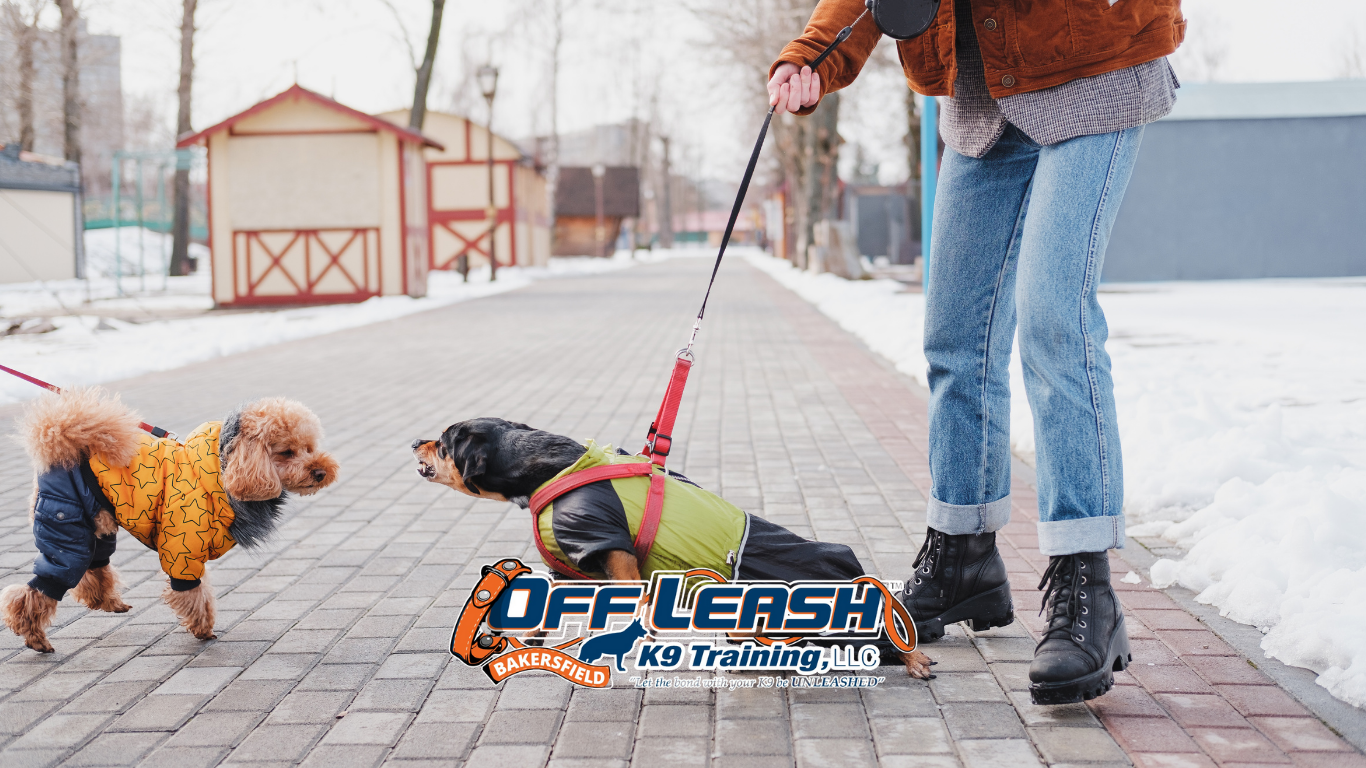
Training dogs to disengage from other dogs
Have you ever wondered why some dogs manage to stay calm while encounters with other dogs lead to chaos for others? This phenomenon often comes down to effective training, or lack thereof, which can significantly impact a dog’s ability to disengage. Helping dogs peacefully disengage from other dogs can lead to safer, more harmonious daily interactions for both pets and their owners.
Historically, dog training methods have evolved, with a notable emphasis now placed on positive reinforcement techniques. According to a study published in the Journal of Veterinary Behavior, over 70% of dog behavioral issues can be mitigated through structured training programs. One particularly effective method involves rewarding calm behavior when a dog shows disinterest in another, thereby reinforcing the desired response.
Training dogs to disengage from other dogs involves positive reinforcement, consistent training, and patience. Techniques like teaching commands such as “leave it,” using high-value treats for rewards, and practicing in varied environments help reinforce the desired behavior. Seeking professional guidance can also support effective training outcomes.
Training dogs to disengage from other dogs
Training dogs to disengage from other dogs involves teaching them to remain calm and focused during interactions. This skill is crucial for maintaining control and ensuring safe situations for both pets and humans. The process starts with understanding what triggers a dog’s excitement and how to interrupt it effectively. For example, a simple command like “leave it” can be practiced in a controlled environment. This technique requires consistency and patience.
One of the most important tools in this training is positive reinforcement. Rewarding a dog each time it successfully disengages from another dog can reinforce this behavior. Treats, praise, and toys are effective rewards that encourage repetition of the desired response. Over time, the dog will associate disengagement with positive outcomes. This method can transform stressful dog encounters into manageable experiences.
Some dogs may find disengagement particularly challenging due to their nature or past experiences. To cater to different needs, customized training plans should be implemented. Enrolling in professional dog training classes can be beneficial. These classes not only offer expert guidance but also provide structured socialization opportunities. Such an environment helps dogs practice controlled disengagement in real-life settings.
Training sessions should be kept short and engaging to maintain the dog’s interest. Regular practice combined with varied exercises will strengthen the learned behavior. It’s also helpful to assess the dog’s progress and adjust the training accordingly. Using a mix of visual cues and commands can aid in reinforcing the disengagement technique. Gradually, the dog will learn to stay calm and focused around other dogs, making daily interactions smoother and safer.
Key techniques for teaching disengagement
One effective technique for teaching disengagement is the “look at me” command. This involves getting the dog’s attention on you instead of on the other dog. You can practice this by holding a treat near your face and rewarding the dog when it makes eye contact. Doing this consistently helps in building a habit of looking at you when feeling distracted. Over time, the dog learns to focus on the handler rather than external stimuli.
Another useful method is desensitization. This technique helps reduce a dog’s reactive behavior through gradual exposure to the trigger. Start by introducing the dog to another dog from a distance where it feels comfortable. Gradually decrease the distance over multiple sessions, rewarding calm behavior each time. This helps the dog learn that being calm around other dogs leads to positive outcomes.
Distraction is a technique that uses high-value treats or favorite toys to redirect a dog’s focus. When the dog shows signs of being overly interested in another dog, introduce the distraction. This method is particularly effective when practiced consistently in various environments. It’s essential to choose distractions the dog finds irresistible, ensuring its attention is captured swiftly. Incorporating this into the routine can make interactions with other dogs more manageable.
Utilizing a “leave it” command can be highly efficient in training sessions. This command teaches the dog to disengage from a specific object or another dog instantly. Start by practicing with less stimulating objects before advancing to other dogs. Consistency is key, as repeated command-reward cycles reinforce the behavior. Eventually, the dog will understand that disengaging when told leads to rewards and positive experiences.
Why dogs struggle to disengage during encounters
Dogs often struggle to disengage during encounters because of their natural instincts. These instincts might include the urge to protect their territory or to socialize. When they see another dog, these instincts can kick in strongly. Their focus becomes intense, and they might feel compelled to approach or react. This makes it difficult for them to break their attention.
Another reason dogs struggle to disengage is fear or anxiety. Some dogs may feel threatened or scared when they see another dog. This fear can cause them to either freeze or react aggressively. It is a defense mechanism that is hard to interrupt. Overcoming this requires building the dog’s confidence and trust in their environment.
Past experiences also play a significant role in a dog’s behavior during encounters. Dogs that have had negative experiences with other dogs are more likely to react intensely. These experiences create a pattern that is hard to break without proper training. Consistent positive interactions are needed to change this behavior. This means creating new, positive associations with other dogs.
Finally, the lack of proper training can make it difficult for dogs to disengage. If a dog hasn’t been taught how to handle these situations, they can easily become overwhelmed. Training provides the tools needed for better responses. Without it, dogs rely solely on their instincts, which are not always helpful. Structured training programs can significantly improve a dog’s ability to disengage.
Common challenges in training sessions
One major challenge in training sessions is keeping the dog’s attention. Dogs, especially young ones, can be easily distracted by their surroundings. This distraction can make it difficult to focus on commands. To counter this, using highly engaging rewards can help. Treats, toys, or extra affection can make sessions more appealing.
Consistency is another hurdle many trainers face. Dogs need repeated practice to learn new commands, and inconsistent training can confuse them. This means setting a regular schedule for practice sessions. Without a steady routine, progress can be slow. Consistency helps reinforce the desired behavior.
Another common issue is the dog’s varied responses in different environments. A behavior learned at home may not be duplicated outside. This is because the dog associates behaviors with specific places. To solve this, practice commands in various settings. This helps the dog understand the command applies everywhere.
Some dogs may also exhibit stubbornness or resistance to certain commands. This can be frustrating for the trainer. Patience and positive reinforcement are critical in these situations. Forcing compliance can lead to negative responses. Instead, gentle encouragement can foster cooperation.
Health issues can also impact a dog’s ability to train effectively. Pain or discomfort can make it difficult for the dog to focus or perform commands. It’s important to ensure the dog is healthy before starting rigorous training. Regular vet check-ups can help identify any issues early on. This allows any training plan to be adjusted accordingly.
Lastly, miscommunication between the trainer and the dog can cause setbacks. Clear and consistent commands are crucial. Varying phrases or gestures for the same command can confuse the dog. Sticking to simple, direct language helps avoid this problem. This clarity ensures the dog understands what is expected.
Tools and resources for effective disengagement training
Effective disengagement training often relies on various tools and resources. Treats are a common tool since they provide immediate rewards for good behavior. High-value treats like small pieces of chicken can be especially motivating. Always have treats available during training sessions. Consistency in rewards helps reinforce desired behaviors.
Clickers are another valuable resource. A clicker makes a distinctive sound that marks a specific behavior. When used properly, it helps the dog understand which behavior earns a reward. This tool is helpful for precise training. Combining clicker use with treats can yield quick results.
Leashes and harnesses also play a crucial role. A sturdy leash offers control during walks and training sessions. Harnesses are often preferred because they distribute pressure evenly and prevent choking. These tools can help guide the dog gently and keep it focused. They’re essential for safe and controlled interactions.
For more comprehensive guidance, professional training classes can be invaluable. Trainers with experience can tailor sessions to meet specific needs. They offer structured environments for training and socialization. Additionally, they provide techniques that owners can practice at home. This combination can significantly enhance training effectiveness.
Online resources like video tutorials and websites are also useful. These platforms offer a wealth of information and training techniques. Websites often have articles and tips from experts. Video tutorials can demonstrate techniques in a visual and engaging way. Accessible online resources make it easy for owners to find support whenever needed.
Books and articles on dog training offer detailed insights and strategies. Many are written by professionals with years of experience. Reading these can provide a deep understanding of various training methods. It also offers different perspectives and solutions. This background knowledge can enhance the effectiveness of hands-on training.
Setting realistic expectations for results
Setting realistic expectations for results is crucial in dog training. Every dog learns at a different pace, depending on their breed and personality. It’s important to recognize that progress may be slow at first. Celebrating small successes can encourage both the dog and the trainer. This makes the journey enjoyable and less frustrating.
Understanding that setbacks are natural is also important. Sometimes, a dog might regress despite showing good progress. This is a normal part of the learning process. Staying patient and consistent will help overcome these hurdles. Persistence is key to achieving long-term success.
Training sessions should be adapted to the dog’s individual needs. Not all techniques will work for every dog. It may take time to find the most effective methods. This experiment process is essential for tailored training. Consequently, flexibility in training is critical. For example, some dogs may respond better to clicker training, while others may prefer treats alone.
Different environments can affect a dog’s behavior. New settings might make it hard for the dog to focus or follow commands. Practicing in various locations can help a dog generalize the training. However, it’s normal for a dog to need extra time to adapt. Gradually increasing the complexity of environments will build their confidence.
Consistent practice is necessary for lasting results. Even once a dog has mastered a skill, occasional refreshers can keep the behavior strong. Without ongoing practice, the dog might forget or ignore the training over time. Short, regular sessions work best to maintain the learned behaviors. This helps ensure the training sticks.
Finally, seeking professional help when needed is beneficial. Some behavioral issues might be too challenging to handle alone. Professional trainers can offer valuable insights and techniques. They can also provide support and guidance throughout the training process. This helps set realistic expectations and achieve desired outcomes.
Frequently Asked Questions
Training a dog to disengage from other dogs can be a challenging task. Below are some common questions and answers to help guide you through effective training techniques and principles.
1. What is the best age to start training a dog?
Starting training at a young age is ideal. Puppies between the ages of 8 to 12 weeks are more receptive to learning and adapting to new behaviors. Early training helps in establishing a strong foundation for obedience and minimizes the development of unwanted habits.
However, it’s important to remember that older dogs can also learn and benefit from training. With patience and consistent practice, dogs of any age can master new commands and behaviors. Tailored techniques may be needed to address specific challenges in older dogs.
2. How does positive reinforcement work in dog training?
Positive reinforcement involves rewarding a dog for performing a desired behavior. This reward can be treats, praise, or playtime. By rewarding good behavior, the dog learns to associate it with positive outcomes, making it more likely to repeat the action in the future.
This method emphasizes what the dog is doing right rather than punishing incorrect behaviors. Over time and with consistency, positive reinforcement can lead to lasting and reliable behavior patterns.
3. Can distractions affect training sessions?
Distractions can significantly impact a dog’s focus during training sessions. Common distractions include loud noises, other animals, or unfamiliar environments. To mitigate this, start training in a quiet, controlled setting, gradually introducing distractions as the dog becomes more proficient.
By slowly increasing the level of distraction, the dog learns to maintain focus and obey commands regardless of the surroundings. Practicing in various environments is also crucial for reinforcing the behaviors learned during training.
4. Why is socialization important for dogs?
Socialization helps dogs learn how to interact appropriately with other animals and humans. Proper socialization reduces the likelihood of fearful or aggressive behaviors. Introducing dogs to various situations, environments, and individuals at a young age promotes adaptability.
Socialized dogs are generally more confident and well-behaved, making everyday interactions smoother. It also prepares them for unexpected experiences, reducing anxiety and stress.
5. What role do professional trainers play in dog training?
Professional trainers bring expertise and experience to the training process. They can identify and address specific behavioral issues with tailored techniques. Engaging a professional trainer can be especially helpful for complex problems or when other methods have not succeeded.
Additionally, trainers can provide guidance and support to dog owners, ensuring that training practices are properly implemented at home. A professional’s insight can significantly enhance the effectiveness and efficiency of the training process.
Conclusion
Training dogs to disengage from other dogs demands patience, consistency, and the right tools. Utilizing positive reinforcement and maintaining regular practice can lead to significant improvements over time. By understanding common challenges and setting realistic expectations, both dogs and owners can enjoy a smoother training journey.
Seeking professional guidance when needed can further enhance the training experience. Experts can offer tailored techniques and support, making the process more efficient. With dedication and the right approach, effective disengagement training is achievable and beneficial for all involved.
"*" indicates required fields