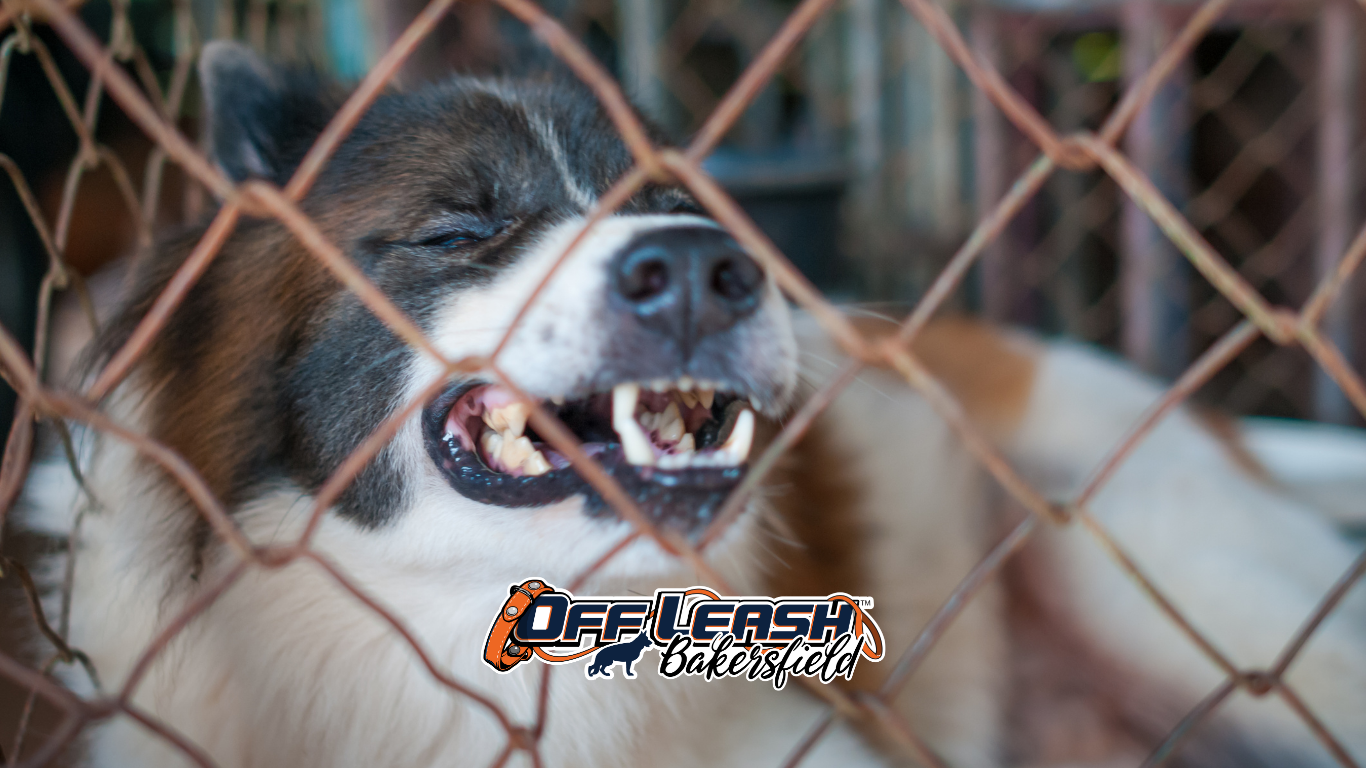
Delivery Calmness: Teaching Your Dog to Stay Relaxed During Drop-Offs
It’s fascinating to note that nearly 90% of dog owners report some form of behavioral issue when deliveries arrive. This common scenario can be stressful for both the dog and the delivery person, often escalating into complete chaos. Finding a way to train your dog to remain calm during such instances is not just beneficial but crucial for maintaining a calm household environment.
Historically, dogs have acted as protectors of the home, which explains their heightened response to strangers. Integrating reward-based training techniques has proven effective, with statistics showing over 60% improvement in behavioral response during deliveries. By establishing a calm and predictable routine, you can significantly reduce your dog’s anxiety and improve their overall demeanor when the doorbell rings.
Training your dog to stay calm during deliveries involves using positive reinforcement, creating a designated safe space, and consistent practice with mock deliveries. Tools like calming collars and anxiety wraps can help support this training, ultimately leading to reduced anxiety and better behavior when delivery personnel arrive at your home.
Teaching Your Dog to Stay Calm During Deliveries
Training your dog to stay calm during deliveries can make your household environment more peaceful. Dogs often react strongly to deliveries due to their natural instinct to protect their territory. By recognizing common triggers such as the doorbell, footsteps, or unfamiliar voices, you can begin to address the root cause of their anxiety. This understanding helps create a targeted training plan. It’s also essential to remain patient and consistent during the training process.
One effective method is to use positive reinforcement. Rewarding your dog with treats and praise when they remain calm reinforces good behavior. Over time, your dog will associate the delivery with positive outcomes instead of fear or excitement. It’s helpful to have a friend or family member assist with mock deliveries. Repeated exposure in a controlled manner can significantly reduce your dog’s reactivity.
Incorporating specific commands like “sit” or “stay” can further aid in managing your dog’s behavior. Start by practicing these commands in a distraction-free environment, gradually introducing more challenging scenarios such as ringing the doorbell. Consistent practice helps your dog understand what is expected of them. This step-by-step approach builds a solid foundation for calm behavior during actual deliveries.
Using tools and aids like calming collars or anxiety wraps can also support the training process. These items provide an additional layer of comfort and security for your dog. It’s also beneficial to create a designated safe space for your dog to retreat to during deliveries. This space should be comfortable and away from the commotion, helping them feel secure and less stressed. Remember, every dog is different, and what works for one may not work for another.
Common Triggers and Behavioral Patterns
Dogs often react to various triggers during deliveries. The sound of the doorbell is one of the most common triggers. Footsteps approaching the door and the knock of delivery personnel can also set off a dog. These sounds indicate the arrival of a stranger, prompting a protective response. Recognizing these triggers is crucial to addressing the root of the issue.
Some dogs may bark excessively, while others might jump at the door or growl. Different dogs have different ways of showing their anxiety or excitement. Dogs with a high level of reactivity may also display signs of restlessness or agitation. This behavior can disrupt the household and cause stress for everyone involved. Identifying the specific patterns in your dog’s behavior helps in creating an effective training plan.
Understanding why dogs react helps in modifying their behavior. Historical instincts to protect their territory come into play during such scenarios. Using positive reinforcement can shift their perception. When calmness is rewarded, dogs can learn to view deliveries less as a threat and more as an opportunity for rewards. Gradual and consistent training methods work best.
Creating a safe space for your dog can mitigate these triggers. This area should be cozy and stocked with their favorite items to keep them occupied. It helps them feel secure and reduces overall reactivity. Combining this with training aids like calming collars or anxiety wraps can further support their sense of security. Every dog is unique, so tailor these strategies to your dog’s needs.
Why Dogs React Strongly to Deliveries
Dogs react strongly to deliveries due to their innate protective instincts. When someone approaches the house, dogs perceive this as a potential threat. This response is rooted in their ancestry, where guarding territory was essential for survival. The approaching footsteps and unfamiliar voices can heighten their sense of alertness. Recognizing this natural tendency can help in addressing the behavior effectively.
The suddenness of a delivery can also trigger a strong reaction. Dogs thrive on routine and predictability, so an unexpected visitor disrupts their sense of order. The doorbell ringing or a knock at the door signals the arrival of a stranger, causing stress. This acute change from calm to potential danger makes dogs react intensely. Understanding this helps in creating a more structured environment.
A dog’s past experiences can influence their reaction to deliveries. If a dog had a negative experience with a stranger, they might become more anxious. Proper socialization from a young age can mitigate this reactivity. Positive experiences with new people can reduce their stress during deliveries. However, even well-socialized dogs can still display strong guarding behaviors.
Genetics also play a significant role in a dog’s behavior during deliveries. Certain breeds are naturally more protective and alert. Breeds like German Shepherds and Dobermans are known for their guarding instincts. While these traits can be valuable, they also require proper training. Tailoring your approach to your dog’s genetic predispositions ensures a more effective training process.
Effective Training Techniques for Calm Behavior
Training your dog to remain calm during deliveries involves using various effective techniques. One of the best methods is positive reinforcement. When your dog stays calm, reward them with treats or praise. This encourages them to associate the delivery with something positive rather than a threat. Over time, this method can significantly reduce their anxiety.
Consistency is crucial in training. Regular practice helps solidify the desired behavior. Set up mock delivery scenarios to practice with your dog. This controlled environment allows your dog to get used to the routine. Gradually increase the complexity of the scenarios as your dog becomes more comfortable.
Another technique is desensitization. Gradually expose your dog to the triggers that make them anxious. Start with the sound of the doorbell at a low volume and slowly increase it. Pair this with positive reinforcement to create a positive association. This method helps your dog become less sensitive to common triggers over time.
Using specific commands can also be effective. Teach your dog commands such as “sit,” “stay,” and “quiet.” Practice these commands regularly to ensure your dog understands them. During a delivery, use these commands to direct your dog’s behavior. Consistent command training reinforces calm behavior.
Providing a designated safe space for your dog can help them feel secure. This space should be away from the door and filled with their favorite toys and bedding. It serves as a retreat where they can go when they feel stressed. Encouraging your dog to use this space during deliveries can help reduce their anxiety.
In some cases, using tools and aids can support your training efforts. Products like calming collars, anxiety wraps, and pheromone diffusers can help soothe your dog. These tools can be used in conjunction with the training techniques mentioned above. Remember, different dogs respond to different methods, so it’s important to find what works best for your pet.
Tools and Aids to Support Training
Several tools and aids can help you teach your dog calm behavior during deliveries. Calming collars are a good starting point. These collars release soothing pheromones that can help reduce anxiety. They are easy to use and can complement other training methods. By using these collars, dogs often feel more relaxed.
Anxiety wraps are another useful tool. These wraps apply gentle pressure to your dog’s body, which can have a calming effect. Similar to swaddling a baby, the wraps make dogs feel secure. They are especially helpful for dogs that experience high levels of anxiety. Consistent use can make a noticeable difference in their behavior.
Interactive toys can also divert your dog’s attention from the commotion at the door. These toys keep your dog occupied and mentally stimulated. When your dog is focused on a toy, they are less likely to react to deliveries. Puzzle toys filled with treats are particularly effective. They not only engage your dog but also reward them for staying calm.
White noise machines can help mask the sounds of deliveries. These machines create a consistent background noise that can drown out the doorbell, knocking, and voices. This reduces the startling effect of sudden noises. Placing a white noise machine near your dog’s safe space can increase its effectiveness. This tool is especially useful in homes with frequent deliveries.
Some dog owners find success with pheromone diffusers. These devices release calming scents throughout the home. The diffusers can help create a serene atmosphere, making your dog less reactive. Used in combination with training, they can contribute to a calmer household. It’s important to choose high-quality products for the best results.
Creating a comfortable safe space for your dog should not be overlooked. This space can act as a retreat during stressful times. Fill it with comfortable bedding, toys, and even some background noise. Encouraging your dog to use this space can make them feel more secure. The safe space becomes a haven for your dog to decompress.
Tips for Delivery Personnel and Owners to Ensure Safety
Communication between delivery personnel and dog owners is crucial for safety. If you have a dog, inform the delivery person in advance. This can help them approach your home with caution. They can ring the bell and then take a few steps back. This gives the dog and owner a moment to react.
Owners should secure their dog before opening the door. Keeping your dog in another room or on a leash can prevent sudden lunges. This not only protects the delivery person but also helps in calming your dog. Make this a part of your routine. Being consistent with this practice ensures safety.
For delivery personnel, staying calm is essential. Dogs can sense fear and might react more aggressively if they feel threatened. Avoid making direct eye contact with the dog. Stand still and give the owner time to secure their pet. This behavior can prevent escalation.
It’s also helpful for owners to provide clear instructions to delivery personnel. Let them know if they should leave the package at the door. Some owners place signs indicating a dog is on the premises. These signs act as an additional warning. It prepares delivery personnel to stay alert.
Avoid making sudden movements when a dog is nearby. Delivery personnel should understand this as a basic safety measure. Slow, deliberate actions are less likely to provoke a dog. If an owner is not present, it’s best to leave the area. Wait until the owner retrieves the dog before attempting delivery.
Lastly, positive reinforcement can make the experience better for everyone. Owners can reward their dog for remaining calm during the interaction. Delivery personnel can carry dog treats to create a positive association. These small steps can significantly improve safety and make deliveries less stressful.
Frequently Asked Questions
Training your dog to stay calm during deliveries can be challenging but rewarding. Here are some common questions and answers to help guide you through the process.
1. Why do dogs bark at delivery people?
Dogs bark at delivery people due to their instinct to protect their territory. The presence of a stranger near their home often triggers this defensive behavior. This reaction is natural for many dogs, especially those with strong guarding instincts. Understanding these triggers can help in addressing and training your dog.
Barking also helps dogs communicate their alertness and presence to both the delivery person and their owners. To manage this behavior, consistent training and positive reinforcement techniques can be very effective. It’s important to create a calm and controlled environment during deliveries to reduce your dog’s anxiety.
2. What are some calming aids for dogs?
Calming aids for dogs include items like anxiety wraps, calming collars, and pheromone diffusers. These tools help create a sense of security and reduce stress levels in dogs. Anxiety wraps apply gentle pressure, providing comfort similar to swaddling a baby. Calming collars release soothing pheromones, helping dogs relax.
Pheromone diffusers can be plugged into an outlet to spread calming scents throughout your home. Using these aids in combination with training techniques can support your dog in remaining calm during stressful situations. It’s important to choose high-quality products for the best results.
3. How long does it take to train a dog to stay calm?
The time it takes to train a dog to stay calm varies depending on the individual dog and the consistency of the training. Some dogs may start showing improvement in a few weeks, while others might take several months. Consistent practice and patience are crucial in this process.
Using positive reinforcement and gradually exposing your dog to delivery scenarios can speed up the training. Tracking progress and adjusting techniques as needed can also be beneficial. Remember, every dog is unique, and the training timeline can differ significantly.
4. Can professional trainers help with delivery-related anxiety?
Yes, professional dog trainers can be very helpful in addressing delivery-related anxiety. They offer expert guidance and personalized training plans to address specific behavioral issues. Working with a professional can provide you with effective techniques and strategies tailored to your dog’s needs.
Trainers can also help identify underlying issues and offer solutions that you might not have considered. This professional support can make the training process more efficient and less stressful for both you and your dog. It’s a worthwhile investment for long-term behavioral improvement.
5. What role does exercise play in reducing a dog’s anxiety?
Regular exercise plays a significant role in reducing a dog’s anxiety. Physical activity helps burn off excess energy, leading to a calmer demeanor. Daily walks, playtime, and mental stimulation can significantly reduce stress and anxiety levels in dogs.
Incorporating exercise into your dog’s routine can also improve their overall health and well-being. A tired dog is less likely to react strongly to deliveries and other stressors. Consistent exercise, combined with training and calming aids, can create a balanced approach to managing your dog’s anxiety.
Conclusion
Training your dog to remain calm during deliveries is essential for a harmonious household. Utilizing positive reinforcement, consistent practice, and calming aids can bring notable improvements. By understanding your dog’s behavior and addressing their triggers, you create a stress-free environment.
Although it may take time, the benefits are well worth the effort. A well-trained dog enhances the safety and comfort of everyone involved. With patience and dedication, your dog can learn to respond calmly and confidently to deliveries.
"*" indicates required fields