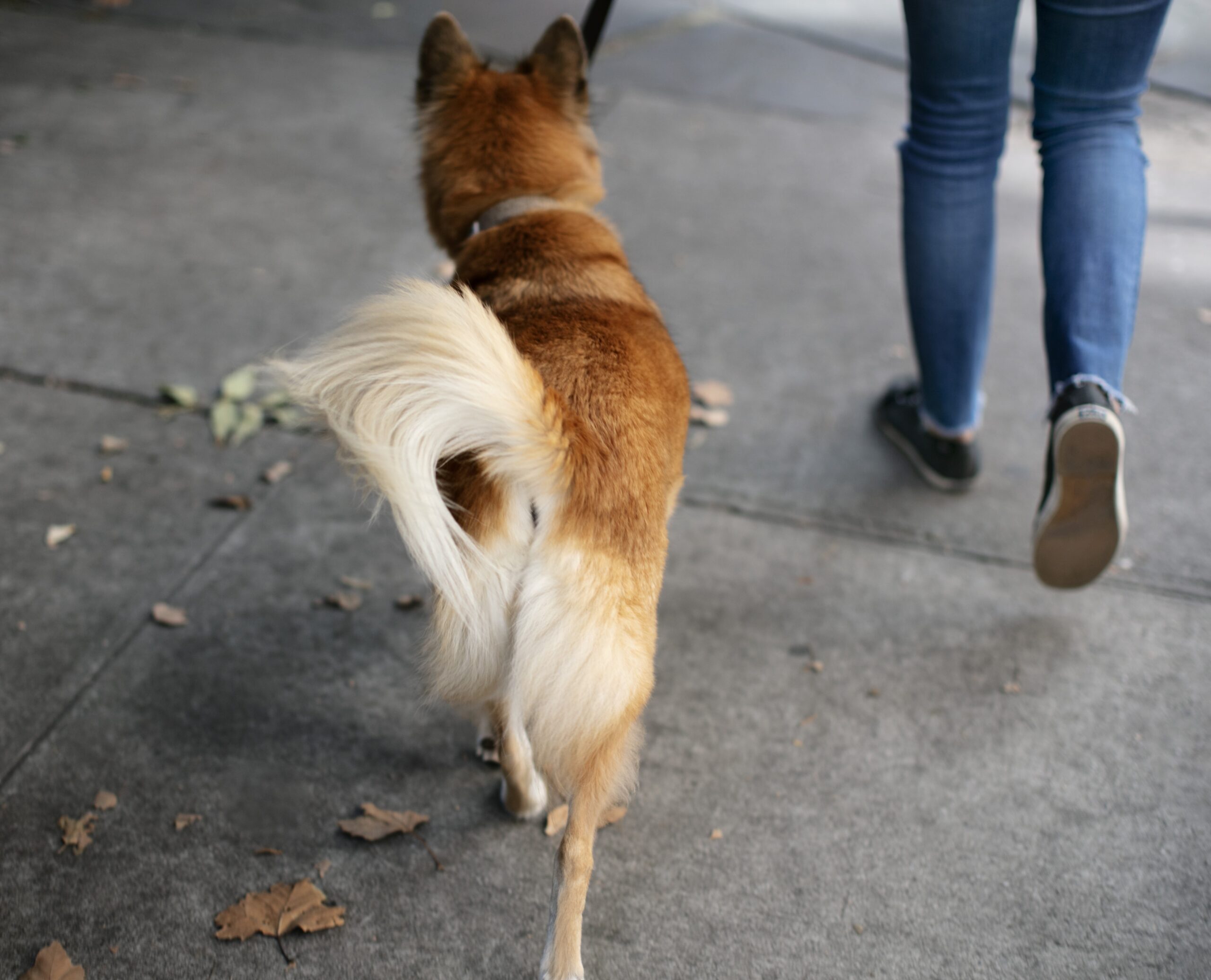
Decompression Walks For Dogs
Have you ever noticed how a simple stroll can transform your dog’s demeanor? Decompression walks are not just about exercise, they’re a holistic form of therapy for dogs. These walks allow dogs to explore their environment at their own pace, which is crucial for mental well-being.
Historically, dogs roamed vast spaces, exploring freely, which helped them stay balanced and calm. Today, structured decompression walks can mimic this natural behavior. Studies illustrate that dogs need varied environments to stay stress-free, which these walks perfectly cater to. It’s a blend of physical activity and mental stimulation that every dog owner should consider.
Decompression walks are essential for reducing a dog’s stress, promoting mental stimulation, and enhancing their overall well-being. These unstructured outings allow dogs to explore at their own pace, engage with diverse environments, and fulfill their instinctual needs. This leads to happier, calmer, and more balanced pets.
Decompression Walks: Why Your Dog Needs Them
Decompression walks are valuable for your dog’s mental health. These walks allow your dog to explore their surroundings at their own pace, which is different from regular walks. When dogs sniff and investigate, they use their brains more. This mental engagement helps reduce stress and anxiety. It’s an excellent way for dogs to relax and reset.
Physical exercise alone might not be enough for all dogs. While running and playing are great, dogs also need mental stimulation. Decompression walks provide this by letting dogs experience and enjoy the world around them. It keeps their minds sharp and spirits happy. Thus, both their body and mind benefit.
Moreover, decompression walks can improve your relationship with your dog. As your dog relaxes and explores, it creates a calmer environment for both of you. This can lead to better trust and communication. You’ll likely notice a more relaxed dog at home. Who wouldn’t want that?
Here are some tips for effective decompression walks to ensure your dog gets the most out of them:
- Allow your dog to lead the way.
- Choose varied environments like parks, trails, or beaches.
- Let your dog sniff and explore.
- Avoid distractions like phones or headphones.
- Keep the walks relaxed and unstructured.
By following these tips, your dog can fully benefit from the decompression walks.

Defining Decompression Walks and Their Purpose
Decompression walks are special, unstructured outings for dogs that promote relaxation. Unlike regular walks, these walks focus on allowing dogs to explore at their own pace. They get to sniff, investigate, and experience their surroundings without time constraints. The freedom to choose their path is key. This approach helps dogs reduce stress and engage their senses fully.
These walks serve a crucial purpose in dog enrichment. Regular walks can be repetitive, offering limited mental stimulation. On decompression walks, dogs encounter new sights and smells. This variety enriches their lives and keeps their minds active. They return home more relaxed and satisfied.
Aside from mental benefits, decompression walks offer physical advantages too. Slow-paced exploration can be less intense than rigorous exercise. This suits older dogs or those with health issues. They still get a good amount of exercise, but in a gentle way. This manages both their physical and mental well-being.
The purpose of these walks extends to improving behavior. Consistent decompression walks can lead to a calmer dog overall. By reducing pent-up energy and stress, dogs become less likely to act out at home. It strengthens your bond with your pet, making both of you happier. Regular decompression walks can truly transform your dog’s quality of life.
The Psychological Benefits of Decompression Walks for Dogs
Decompression walks offer significant psychological benefits for dogs. These walks allow dogs to engage naturally with their environment. This freedom reduces stress and promotes relaxation. When a dog sniffs and explores, it satisfies their instinctual needs. This leads to a happier and calmer dog.
Moreover, decompression walks can help reduce anxiety. Regular walks can sometimes cause overstimulation, leading to nervousness. On the other hand, the slow pace of decompression walks helps dogs unwind. They feel less pressure and can take their time. This gradual approach can ease their anxious tendencies.
Another key benefit is improved mental stimulation. Dogs need more than just physical exercise to stay balanced. Decompression walks provide varied sensory experiences. This mental engagement keeps dogs sharp, curious, and content. They come home feeling mentally fulfilled.
Finally, decompression walks can improve your dog’s behavior at home. A relaxed dog is less likely to display problematic behaviors like barking or chewing. These walks help release pent-up energy in a healthy way. It also strengthens your bond with your dog. Spending peaceful, enjoyable time together has long-lasting positive effects.
Recommended Practices for Effective Decompression Walks
To maximize the benefits of decompression walks, let your dog set the pace. Avoid pulling or guiding your dog too much. Allowing them to explore freely ensures they engage with their environment. This approach lets their natural curiosity flourish. It’s important to be patient and let them take their time.
Choose diverse and stimulating locations for these walks. Varied environments like parks, forests, or beaches can offer new sights and smells. This variety keeps your dog mentally engaged. Different terrains can also provide physical challenges. Rotate these environments to sustain their interest.
Use longer leashes to give your dog more freedom to move. A leash of around 15 to 30 feet can be ideal. It lets your dog explore a wider area. This added freedom reduces stress and increases enjoyment. Ensure it’s secure yet comfortable for both of you.
Leave distractions behind during decompression walks. Avoid using your phone or wearing headphones. Focus on your dog and their behavior. This enhances the bond between you two. It also helps you be more attentive and responsive to their needs.
Keep the walks unstructured and flexible. There’s no set route or time limit. Let the experience be as natural and relaxed as possible. Some days, your dog may explore more; other days, they might be calmer. Respect their pace and mood for the best results.
Regularly practice these walks to maintain their benefits. Aim for at least a few decompression walks each week. Consistency helps in cementing the advantages for your dog. Over time, you’ll notice a happier and more relaxed pet. This routine can significantly improve their quality of life.
Common Mistakes to Avoid During Decompression Walks
One common mistake is trying to direct your dog’s path too much. Decompression walks should give dogs the freedom to explore. Guiding them constantly negates the purpose of these walks. It can cause frustration and stress. Let them lead the way.
Another mistake is choosing the same location every time. Repetitive environments reduce mental stimulation. Dogs thrive on variety when exploring new places. Different settings keep their senses engaged. Switch up locations to maintain their interest.
Using a short leash can limit the effectiveness of decompression walks. A longer leash allows your dog to roam more freely. This freedom is crucial for proper exploration. It’s important to give them enough space. Ensure the leash is long, yet manageable.
Being distracted is another pitfall. Many owners use their phones during walks. This can lead to missed cues about the dog’s behavior. Paying full attention strengthens your bond. It also ensures the walk goes smoothly.
Don’t rush the process. Some owners may place time constraints on the walk. Decompression walks need to be unstructured and relaxed. Rushing can prevent dogs from fully benefiting. Allow as much time as necessary for a fulfilling experience.
Finally, neglecting consistency can undermine the benefits. Irregular walks won’t deliver lasting advantages. Aim for regular decompression walks to maintain their impact. Consistency helps build a routine that your dog will appreciate. It enhances both mental and physical health over time.
Frequently Asked Questions
Decompression walks are gaining popularity among dog owners for their numerous benefits. Here are some common questions and answers related to decompression walks to help you understand more about this practice.
1. What is a decompression walk?
A decompression walk is an unstructured, relaxed outing that allows dogs to explore their environment at their own pace. Unlike regular walks, these walks focus on letting the dog sniff and investigate, providing both mental and physical stimulation.
During these walks, dogs can choose their path, which helps reduce stress and anxiety. This method of walking is designed to enrich their lives, making them happier and more relaxed. It mimics their natural instinct to roam and explore.
2. How often should I take my dog on decompression walks?
Aim to take your dog on decompression walks several times a week, depending on your schedule and your dog’s needs. Consistency is key, so try to make these walks a regular part of your dog’s routine.
Even short, frequent decompression walks can have significant benefits for your dog’s mental health and overall well-being. Over time, you’ll likely notice positive changes in your dog’s behavior and stress levels. Regular outings can greatly enhance your dog’s quality of life.
3. Can decompression walks benefit reactive dogs?
Yes, decompression walks can be very beneficial for reactive dogs. These walks allow reactive dogs to explore without the usual pressures or triggers they might encounter on structured walks.
By reducing stress and providing a relaxed environment, decompression walks can help reactive dogs become more comfortable and less anxious. Over time, this can lead to improved reactions in other situations, making life easier for both the dog and the owner.
4. What should I bring on a decompression walk?
For a successful decompression walk, bring a long leash, water, and treats. The long leash gives your dog more freedom to explore while still being safe. Carrying water ensures they stay hydrated.
Treats can be used for positive reinforcement and training when needed. It’s also helpful to bring a phone for emergencies, but try to stay present and avoid distractions. The goal is to focus on the experience with your dog.
5. Are decompression walks suitable for all dog breeds?
Decompression walks are suitable for all dog breeds. Every dog, regardless of breed, can benefit from the mental and physical stimulation these walks provide.
However, the pace and duration of the walk may vary depending on the dog’s age, health, and energy levels. Adjust the walks to suit your dog’s individual needs. The key is to ensure they are enjoying and engaging with their environment.
Conclusion
Decompression walks are more than just a trendy idea—they’re an essential practice for improving your dog’s mental and physical health. By allowing dogs to explore at their own pace, these walks reduce stress and promote natural behaviors. It’s a simple yet effective way to enhance your dog’s well-being.
Implementing decompression walks can lead to a happier, more relaxed pet and strengthen your bond. Every dog deserves this enriching experience. Make decompression walks a part of your routine and observe the positive changes in your dog’s life.
"*" indicates required fields