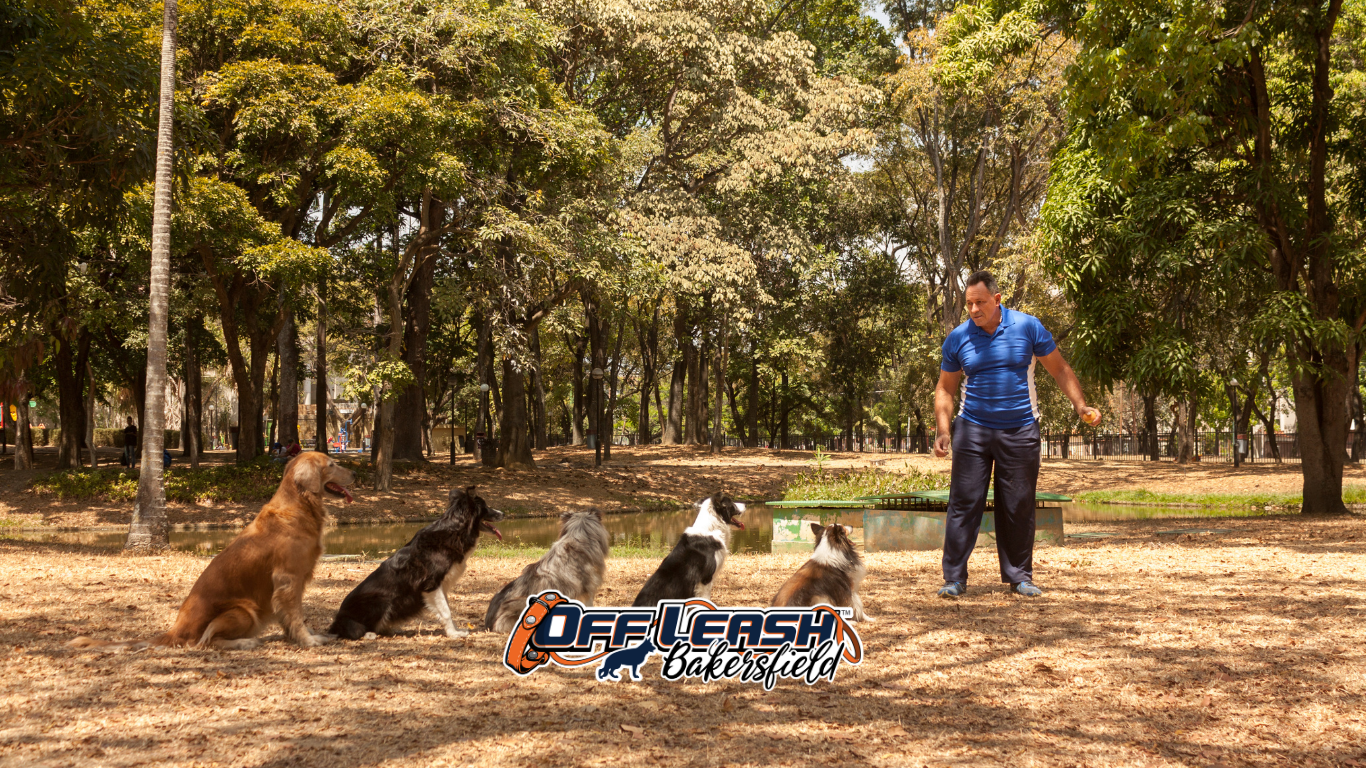
Certified dog trainer near me
It’s often said that dogs are man’s best friend, yet studies reveal that 65% of dog owners struggle with basic training tasks. With the right guidance, these frustrations can transform into a rewarding bonding experience. Certified dog trainers near you possess the skills to turn these challenges into opportunities for growth.
Certified dog trainers not only bring expertise but also a deep understanding of canine behavior. The concept dates back to the 1940s when dog training garnered significant attention. Today, with over 89.7 million dogs as pets in the U.S., the demand for certified trainers underscores their essential role in nurturing well-behaved companions.
Finding a certified dog trainer near you can significantly improve your pet’s behavior. Look for trainers with reliable certifications like CPDT or KPA CTP, and check reviews or get personal recommendations. Certified trainers offer tailored services, enhancing your dog’s learning experience through professional expertise and consistent methods.
Certified dog trainer near me
Finding a certified dog trainer near you can make a huge difference in your pet’s behavior. These professionals are trained to handle all sorts of challenges, from basic obedience to more complex behavioral issues. By choosing someone locally, you can ensure that your pet receives consistent support and guidance. Moreover, local trainers often understand regional nuances in pet behavior. This familiarity can be a valuable asset in training.
Certified dog trainers typically have various qualifications. Most have undergone rigorous training programs and hold certifications from recognized bodies. Look for credentials such as CPDT (Certified Professional Dog Trainer) or KPA CTP (Karen Pryor Academy Certified Training Partner). Knowing these qualifications ensures you’re getting a well-trained professional. The right trainer will also be experienced and knowledgeable about the latest training methods.
Local certified trainers offer a range of services tailored to meet your needs. These services may include private lessons, group classes, and even board-and-train options. Some trainers also provide specialized training for specific issues, like aggression or anxiety. They adapt their approach based on your dog’s unique personality and needs. This personalized attention is one of the many benefits of working with certified professionals in your area.
Hiring a certified dog trainer nearby has many advantages. It’s convenient and can make scheduling sessions easier. More importantly, it supports local businesses and community members. By investing in local trainers, you’re contributing to the community while also ensuring your pet gets the best care. This local focus can help build a network of support for both you and your dog.
Key qualifications and certifications to look for in a local trainer
When looking for a local dog trainer, one key factor is their qualifications. A good starting point is checking if they have completed a recognized certification program. Organizations like the Certification Council for Professional Dog Trainers (CCPDT) offer respected credentials. Trainers with a CPDT certification have demonstrated their knowledge in areas like canine behavior and humane training. This assures you they follow ethical practices in their methods.
Another important certification to look for is from the Karen Pryor Academy (KPA). KPA certified trainers are skilled in positive reinforcement techniques. These trainers have been through extensive education and practical experience. They emphasize humane, science-based methods that build a strong bond between you and your dog. This approach is both effective and kind.
Experience is also a significant qualification for any dog trainer. Look for trainers who have several years of practical experience under their belts. They should have worked with a variety of breeds and behavioral issues. This broad experience means they can tailor their training to suit your dog. A seasoned trainer is more likely to handle unexpected challenges effectively.
Finally, it’s valuable if the trainer is a member of a professional organization. Membership in groups like the Association of Professional Dog Trainers (APDT) shows a commitment to ongoing education. These organizations often provide resources for the latest training techniques. They also encourage high standards of professionalism. Being part of such a community can add an extra layer of trust and reliability.
Types of training services offered by certified trainers
Certified dog trainers provide a range of training services to suit different needs. One common service is basic obedience training. This includes teaching dogs essential commands like sit, stay, and come. Mastering these commands helps establish good manners. It also makes daily interactions easier for both you and your pet.
Many certified trainers offer advanced training for more complex behaviors. This can include agility training, which enhances a dog’s physical fitness and mental sharpness. Some trainers specialize in therapy dog training. This prepares dogs to provide comfort and support in hospitals and nursing homes. These programs involve rigorous obedience and temperament evaluation.
Behavior modification is another vital service offered by certified trainers. This is particularly useful for dogs with issues like aggression, anxiety, or excessive barking. Trainers use specialized methods to address these problematic behaviors. Techniques often involve positive reinforcement to reshape the dog’s reactions. This type of training requires patience and consistency.
Some certified trainers offer specialized classes for puppies. These puppy classes are designed to aid in socialization and early training. The focus is on preventing common issues like biting and house soiling. Puppy classes help young dogs develop into well-behaved adults. Such early intervention can set the stage for a lifetime of good behavior.
Benefits of hiring a certified dog trainer in your area
Hiring a certified dog trainer near you has several advantages. First, local trainers are more accessible, making it easier to schedule sessions. They can quickly respond to your needs and availability. This convenience helps maintain a consistent training schedule. Consistency is key to effective training.
Certified trainers bring a wealth of knowledge and experience to the table. Their training methods are often based on the latest scientific research. This means they’re using proven techniques to teach your dog. It ensures a higher success rate in achieving desired behaviors. Also, certified trainers are committed to continuous education.
Local trainers understand the specific environment in which your dog lives. This includes awareness of local parks, social settings, and regional quirks. Such knowledge allows them to tailor their training approaches effectively. They might also be familiar with common local canine issues. This contextual understanding enhances the training process.
Engaging a local certified trainer supports the community. It helps local businesses thrive and fosters community relationships. By choosing a nearby trainer, you contribute positively to the local economy. This creates a win-win situation for everyone involved. It’s a beneficial decision for both your dog and your neighborhood.
Working with a certified trainer can improve your dog’s overall well-being. Proper training can address behavioral issues that might otherwise lead to stress. A well-trained dog is more likely to be calm and happy. This leads to a healthier relationship between you and your pet. It enhances the quality of life for both of you.
Certified trainers also offer personalized attention. They assess your dog’s unique needs and personality. This allows them to create a tailored training plan effective for your pet. Personalized plans are more successful since they focus on your dog’s specific behaviors. This individualized approach is one of the primary benefits of hiring a certified trainer.
How to evaluate and choose the best certified dog trainer locally
Evaluating and choosing the best certified dog trainer locally involves several steps. Start by researching trainers in your area. Check their qualifications and certifications from recognized bodies. Look for credentials such as CPDT and KPA CTP. These certifications indicate professional training and adherence to ethical practices.
Next, read reviews and testimonials from other dog owners. Positive feedback can give you a sense of the trainer’s effectiveness. Pay attention to how trainers handle both successes and challenges. A trainer with a balanced record is often a good choice. Reviews can provide insight into their methods and customer service.
Personal recommendations are also valuable. Ask friends or family who have used local trainers for their suggestions. They can offer firsthand experiences and honest opinions. This can help narrow down your choices. Personal referrals often lead to reliable and trusted trainers.
Schedule meetings with potential trainers to discuss your needs. During these meetings, ask about their training philosophy and methods. Make sure their approach aligns with your expectations. Observe how they interact with your dog. The trainer’s demeanor should be calm and encouraging.
Finally, consider the cost and logistics. Confirm their availability matches your schedule and that their fees are within your budget. Some trainers offer packages for multiple sessions, which can be more cost-effective. Weigh the benefits of their services against the costs. A well-trained dog is worth the investment.
What to expect from your first training session with a certified dog trainer
Your first training session with a certified dog trainer is an exciting step. Initially, the trainer will want to learn about your dog’s history and behavior. This conversation helps them understand any specific issues. They will also discuss your goals for the training. Be ready to share as much detail as possible.
During the session, the trainer will likely assess your dog’s behavior firsthand. They may observe how your dog interacts with you and others. This evaluation provides insight into your dog’s temperament. It helps the trainer craft a personalized training plan. The goal is to tailor the approach to your dog’s needs.
The trainer will introduce some basic commands and techniques. Don’t expect everything to be perfect right away. They will guide both you and your pet through the initial steps. Patience and consistency are key. The first session is about setting a foundation.
Expect to receive some homework at the end of the session. The trainer will give you exercises to practice between meetings. This might include practicing commands or specific behaviors. These tasks are vital for reinforcing the training. Regular practice at home supports your dog’s learning.
The trainer will also answer any questions you have. This is an excellent opportunity to address any concerns. They can provide tips on managing your dog’s behavior. Remember, communication with your trainer is crucial. A good trainer will always be open to your queries.
Average costs and packages for certified dog training near me
The cost of hiring a certified dog trainer can vary widely. On average, private sessions range from $50 to $120 per hour. The total cost depends on factors like the trainer’s experience and your location. Some trainers may offer discounts for booking multiple sessions at once. It’s essential to consider what suits your budget and training goals.
Many trainers provide different training packages to meet varied needs. These packages often include a set number of sessions. For example, a basic obedience package might consist of six one-hour sessions. Prices for such packages generally fall between $300 and $600. This can be more cost-effective than paying for individual sessions.
Group classes are another option that many trainers offer. These classes tend to be less expensive than private lessons. They typically cost between $100 and $150 for a series of six weeks. Group classes allow dogs to learn in a social environment. This setting can be beneficial for socialization and distraction training.
Some trainers also offer board-and-train programs where your dog stays with the trainer for a few weeks. These intensive programs are more costly, often ranging from $1,000 to $2,500 or more. However, they provide thorough training under constant supervision. This option is great if you need quick results or cannot commit daily time to train.
It’s vital to understand what’s included in each package before making a decision. Some packages offer follow-up support while others may include additional resources like training materials
Tips for maintaining progress after working with a certified trainer
Maintaining your dog’s progress after working with a certified trainer requires ongoing effort. Consistency is key. Continue practicing the commands and routines you learned during the sessions. Even a few minutes a day can make a big difference. Consistent reinforcement helps solidify new behaviors.
Using positive reinforcement will keep your dog motivated. Always reward good behavior with treats, praise, or playtime. This encourages your dog to repeat these behaviors. Make sure the rewards are appropriate and immediate. Timely rewards are more effective in reinforcing positive actions.
Regularly scheduled training sessions are also important. Setting aside specific times each day for training helps maintain a routine. Short, frequent sessions are better than long, infrequent ones. This keeps your dog engaged and prevents frustration. It’s easier to maintain focus in shorter bursts.
Adapting to new environments and distractions is crucial for your dog’s success. Practice commands in different settings like parks, your yard, or even the vet’s office. This helps your dog generalize learned behaviors. It also builds their confidence in varied situations. Be patient as they learn to adjust.
Finally, keep in touch with your trainer if issues arise. Many certified trainers offer follow-up support or additional sessions if needed. Don’t hesitate to reach out with questions. Continuing education and support can help both you and your dog stay on track. This ongoing access to expertise is invaluable.
Frequently Asked Questions
Are you looking for answers about working with a certified dog trainer? This FAQ section provides helpful information to common queries. Discover the benefits and details of professional dog training.
1. What qualifications should a certified dog trainer have?
A certified dog trainer should have credentials from recognized organizations like the Certification Council for Professional Dog Trainers (CCPDT) or the Karen Pryor Academy (KPA). These certifications indicate that the trainer has undergone thorough education and passed assessments on dog behavior and training techniques.
It’s also beneficial if the trainer has practical experience and ongoing education. Experience with various breeds and behavior problems ensures they can handle your dog’s unique needs. Continuing education shows they stay updated on the best practices and humane training methods.
2. How can I tell if a dog trainer uses humane methods?
Humane training methods focus on positive reinforcement and avoid punishment-based techniques. Look for trainers who emphasize rewarding good behavior with treats, praise, or toys. They should avoid harsh corrections like yelling or using prong collars.
You can ask the trainer about their methodology directly. Trainers who follow humane practices often highlight this commitment in their marketing materials. Observing a training session can also provide insight into their techniques and how they treat the dogs they work with.
3. How long does it usually take to see results from dog training?
The time it takes to see results from dog training can vary widely. Factors include the dog’s age, temperament, and the specific behaviors being addressed. Basic obedience training might show improvements within a few weeks of consistent practice.
More complex behavioral issues may take months to fully resolve. Regular practice and commitment from the owner are crucial. The trainer will likely give you exercises to do at home between sessions to reinforce what was learned during training.
4. What should I bring to a dog training session?
For a dog training session, bring your dog on a standard leash, not a retractable one. It’s also helpful to bring training treats your dog loves. High-value treats help keep your dog motivated and focused during training.
You should also have a list of any specific issues you want to address. This helps the trainer tailor the session to your needs. A positive attitude and patience are essential as well, as training requires consistency and time.
5. Can certified dog trainers help with all behavioral issues?
Certified dog trainers can help with a wide range of behavioral issues, from basic obedience to more serious problems like aggression and anxiety. Their training equips them with strategies to modify these behaviors effectively. However, some issues might require specialized attention from a behaviorist or veterinarian.
In cases of severe aggression or medical-related behavior problems, a collaborative approach with other professionals may be necessary. The trainer can assist in these cases by providing support and guidance tailored to the dog’s needs. This teamwork approach ensures comprehensive care for the pet.
Conclusion
Working with a certified dog trainer can bring remarkable improvements in your pet’s behavior and quality of life. Their expertise in positive reinforcement and tailored training methods ensures that your dog receives the best care and education. This professional guidance creates a happier and more harmonious relationship between you and your pet.
Maintaining the progress made during training requires consistency and dedication on your part. By continuing to practice the techniques and principles learned, you can ensure lasting results. Investing in professional dog training is undoubtedly beneficial for both you and your furry companion.
"*" indicates required fields