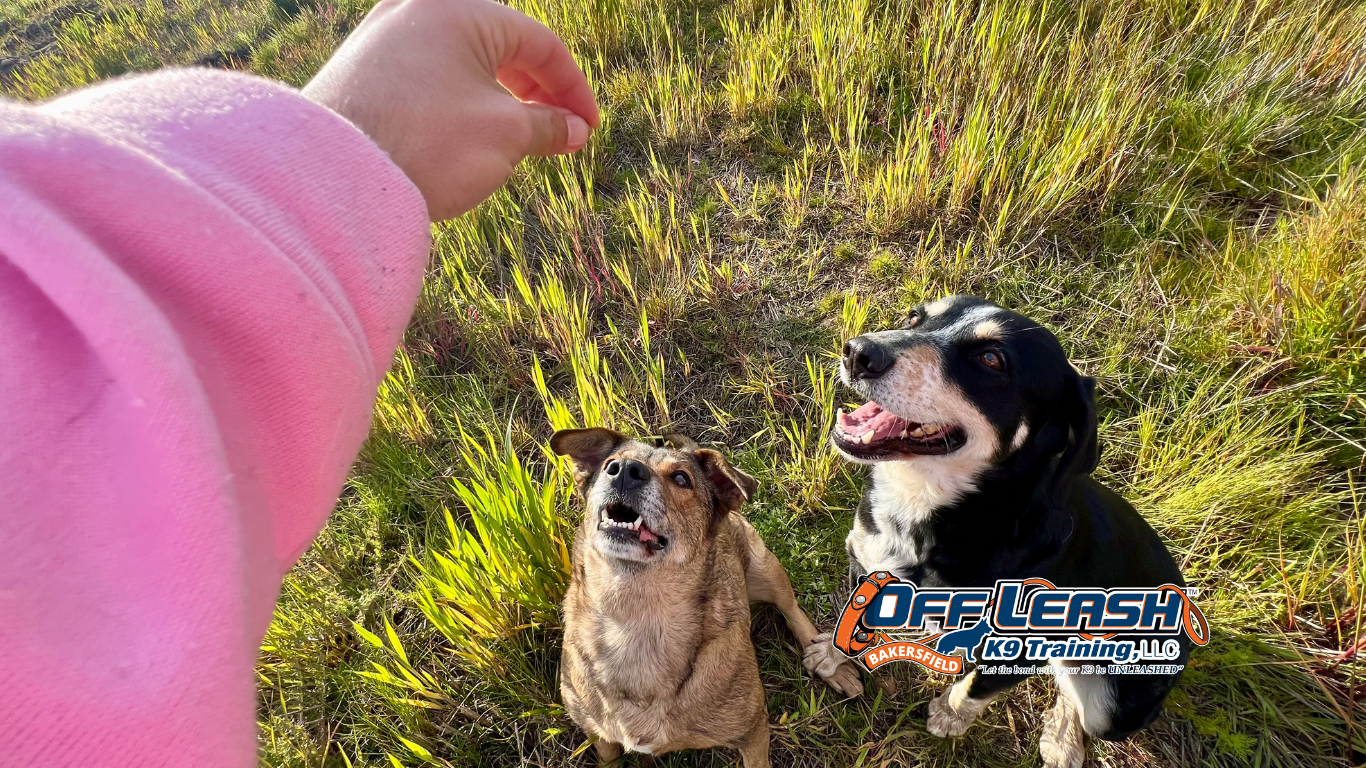
Anticipation in Dog Training and Behavior
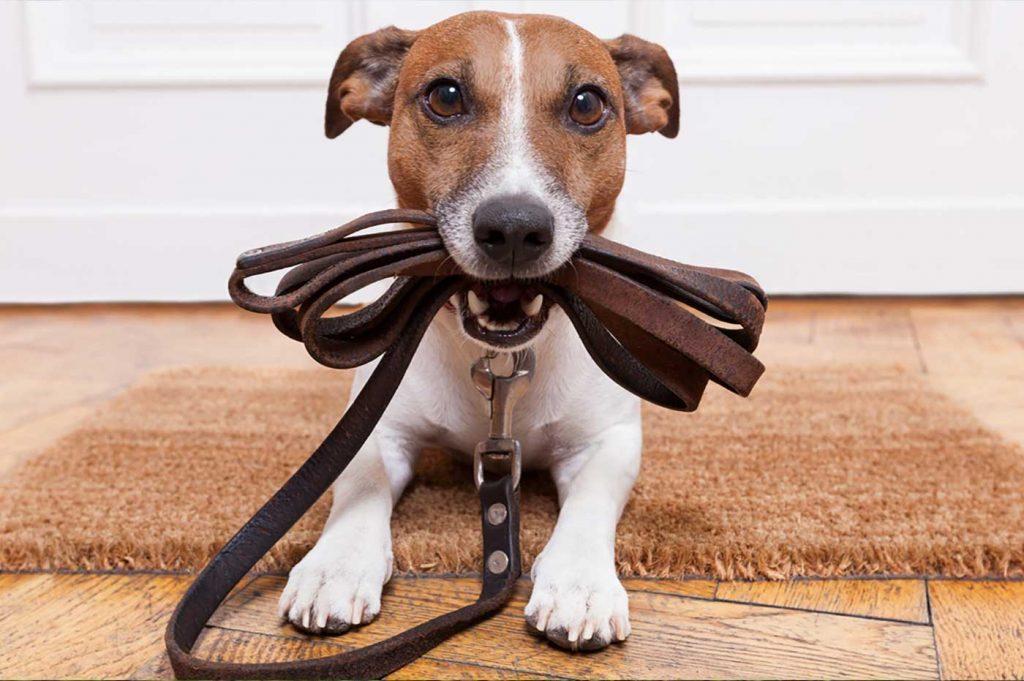
Consider this: a dog’s excitement at the sound of a leash being picked up highlights their keen ability to anticipate. This kind of anticipation is not only fascinating but also a significant aspect of effective dog training. It can lead to more efficient learning and stronger bond between the dog and owner.
Understanding the role of anticipation in dog behavior is crucial. Historically, trainers have utilized this underappreciated concept to teach commands more rapidly. According to a recent study, dogs that anticipate their trainer’s cues can respond 30% faster than those that don’t, making this an invaluable approach in modern training techniques.
Anticipation in dog training leverages a dog’s ability to predict events based on cues, enhancing learning efficiency and behavior. Properly managed, it fosters quicker responses and stronger obedience by establishing clear patterns while balancing consistency with occasional variations to maintain engagement and reduce stress.
Anticipation in Dog Training and Behavior
Anticipation in dog training refers to a dog’s ability to predict what comes next during training sessions. This can be a powerful tool for trainers. When dogs correctly anticipate commands, they respond more quickly and confidently. This leads to more effective training sessions. Consistency is key to developing this skill.
Dogs often pick up on subtle cues from their trainers. These cues can be as simple as body language or tone of voice. Over time, dogs learn to associate these cues with specific actions. This anticipation can streamline the training process. It helps dogs learn new commands faster and with less stress.
However, anticipation can sometimes lead to problems. For instance, a dog might perform a command before being asked. This can be frustrating for both the dog and the trainer. To manage this, trainers need to vary their routines. This prevents dogs from becoming too reliant on anticipation alone.
Using anticipation wisely in training can improve a dog’s behavior overall. It’s important to balance predictability with variety. This keeps training sessions engaging and effective. By understanding anticipation, trainers can better communicate with their dogs. This fosters a stronger bond and leads to better outcomes.
What is anticipation in canine learning?
Anticipation in canine learning involves dogs predicting events based on cues. For example, when a dog hears its food bowl being filled, it knows meal time is near. This prediction helps dogs prepare mentally and physically for the action. It can be a helpful tool in training. When harnessed correctly, anticipation can enhance learning efficiency.
Dogs observe and remember patterns in their daily routines. These patterns include specific words, gestures, or even times of the day. It allows them to understand and predict what will happen next. In training sessions, this can translate to quicker responses. The dog starts to perform actions before the command is fully given.
However, anticipation is not always predictable. It requires consistency and patience from the trainer. Sudden changes in training routines can confuse the dog. This might hinder the learning process. Therefore, it’s important to manage and guide anticipation skillfully.
Effective training strategies often include controlled anticipation. This includes providing clear and consistent signals. It’s vital to balance regular routines with occasional variations. This prevents over-anticipation, which can lead to mistakes. Ultimately, anticipation, when used wisely, supports a stronger trainer-dog relationship.
How anticipation shapes obedience training
Anticipation has a significant effect on obedience training. Dogs who can predict their owner’s commands often respond faster. This quick response is due to the dog recognizing patterns and cues. Such behavior reinforces learning. In return, it builds a more solid foundation for future training.
Well-managed anticipation encourages better behavior in dogs. Knowing what comes next helps them stay calm and focused. This is especially useful in situations with potential distractions. By anticipating the next command, dogs remain engaged in the training session. This leads to more successful training outcomes.
Incorporating anticipation into obedience training can be structured with various techniques. For example, consistent reinforcement methods help. Using a predictable sequence of commands is another effective strategy. This method allows dogs to become familiar with expected behaviors. Additionally, it reduces the chance of confusion during training.
Trainers can also introduce slight changes to keep dogs attentive. This prevents over-anticipation, where a dog might act too quickly. Properly balancing routine and variety ensures that dogs remain focused. It helps solidify the training, making the dog’s obedience more reliable. Ultimately, anticipation plays a crucial role in effective obedience training.
Impact of anticipation on behavioral outcomes
Anticipation greatly influences a dog’s behavior. When dogs can predict what will happen next, they often feel more secure. This sense of security can result in reduced anxiety and stress. In turn, a calmer dog is easier to train. This positive cycle promotes better behavior overall.
Consistent training and anticipation can reinforce good habits. For example, if a dog knows it will be rewarded for sitting calmly, it will continue to do so. This expectation of reward encourages obedience and focus. Such behavioral outcomes are beneficial for both the dog and the owner. They create a more harmonious living environment.
Uncontrolled anticipation can sometimes lead to issues. Dogs might start to act on their own before getting a command. This can result in confusion and frustration for both parties. To prevent this, it’s important to balance predictability with occasional surprises. This approach keeps the dog engaged but not overly reliant on anticipation.
Effective anticipation management can also prevent behavioral problems. When dogs understand and expect a consistent routine, they are less likely to develop bad habits. For example, a dog that anticipates regular walks is less likely to become destructive out of boredom. This demonstrates how anticipation can shape positive behavioral outcomes.
Trainers can use anticipation to enhance a dog’s social behavior. By predicting social interactions, dogs can learn to behave appropriately around people and other animals. This can make outings more enjoyable for both the dog and the owner. Consistent practice in various settings ensures that positive behavior becomes second nature to the dog.
Anticipation also plays a role in safety. Dogs that anticipate commands like “stay” or “heel” are less likely to run into dangerous situations. This responsiveness is crucial in busy or unfamiliar environments. Training a dog to anticipate these important commands can keep them safe and well-behaved.
Techniques to manage anticipation in training sessions
Managing anticipation in training requires consistency and patience. One effective technique is to vary your commands and routines. This prevents your dog from becoming too predictable. For example, mix up the order of commands during sessions. This keeps your dog alert and less reliant on anticipation.
Using rewards selectively is another method. If a dog expects a treat every time, it might start to anticipate the reward rather than focus on the command. Instead, vary the type and timing of rewards. Sometimes use praise instead of treats. This keeps the dog motivated and attentive.
Implementing short training sessions can also help. Long sessions can lead to over-anticipation and fatigue. Keep training sessions brief but frequent. This ensures your dog remains engaged and less likely to anticipate wrongly. It’s all about quality, not quantity.
Incorporate distraction training to manage anticipation. Practice commands in different environments. This could be in a park, during a walk, or even indoors. Various settings help your dog learn to follow commands despite distractions. This makes them less dependent on routine cues.
Provide clear and consistent signals. Dogs thrive on clarity. If your commands and signals are inconsistent, dogs become confused. Consistency helps manage how and when dogs anticipate actions. This leads to better training outcomes.
Utilize a clicker as a precise training tool. A clicker makes a distinct sound that marks the exact moment a command is completed. This can help manage your dog’s anticipation. The clear, consistent sound helps the dog understand exactly which action is being rewarded.
Common challenges and solutions related to anticipation
One common challenge is a dog’s tendency to act before a command is given. This can occur when a dog becomes too familiar with training patterns. To address this, trainers can vary the order of commands. Breaking the routine keeps the dog from predicting every move. This encourages them to wait for instructions.
Another issue is heightened anxiety due to anticipation. Some dogs may become overly excited or stressed when they anticipate what comes next. A solution is to introduce relaxation exercises. Teaching your dog to stay calm and wait for cues can reduce anxiety. This creates a more balanced training session.
Distraction is also a frequent challenge. Dogs might lose focus by anticipating rewards. To solve this, practice commands in different environments. Changing settings keeps the training fresh. It helps dogs focus on commands and not just the rewards.
Over-reliance on treats can pose a problem. Dogs might expect a treat every time, leading to anticipation-related issues. Varying rewards can counteract this problem. Use praise or toys in addition to treats. This keeps the dog engaged without becoming treat-dependent.
Trainer inconsistency is another hurdle. If a trainer’s signals are not clear, a dog may become confused. Consistent and clear commands help manage anticipation. This leads to a more effective training process.
Lastly, duration of training can impact anticipation. Long sessions can cause dogs to become fatigued and overly anticipatory. Keeping sessions short and engaging helps maintain focus. This ensures dogs remain attentive and responsive.
Frequently Asked Questions
Understanding dog training and behavior can be challenging. Here are answers to common questions about how anticipation affects your dog’s learning and behavior.
1. How can I teach my dog new commands using anticipation?
To teach new commands, start by pairing consistent cues with actions. For instance, always use the same word and hand gesture. Repetition helps your dog anticipate the command. Incorporate rewards to reinforce positive behavior.
Vary the training environments to keep your dog engaged. Different settings prevent reliance on location-specific cues. This approach builds a stronger understanding of commands. Mix commands and rewards to maintain your dog’s focus and reduce over-anticipation.
2. What are the signs that my dog is anticipating commands too much?
Signs of over-anticipation include your dog acting before the command is given. This might indicate they are too familiar with the routine. Another sign is increased excitement or anxiety during training sessions.
To manage this, vary your training routine. Mix up the order of commands and rewards. This helps keep your dog alert and attentive. Maintaining a balance between consistency and variability is key to effective training.
3. How does anticipation improve my dog’s obedience?
Anticipation helps dogs predict actions, leading to quicker responses. It can enhance obedience by creating clear patterns for your dog to follow. When dogs know what to expect, they perform behaviors more confidently.
Using anticipation strategically, such as consistent cues and rewards, improves learning efficiency. It strengthens the bond between the dog and trainer. A well-anticipated command reinforces positive behavior, making training more effective.
4. What challenges may arise from my dog’s anticipation during training?
Challenges include premature actions and reduced focus. If your dog anticipates too much, they might act before commanded. This can be frustrating and hinder the training process.
Another challenge is your dog’s reliance on specific cues, leading to stress when routines change. To counter these issues, vary training sessions and environments. This maintains engagement and prevents reliance on anticipation alone.
5. Can over-anticipation affect my dog’s stress levels?
Yes, over-anticipation can increase stress. Dogs might become anxious if they can’t predict what’s next. This stress can lead to behavioral problems and reduced focus in training sessions.
Managing anticipation with consistent yet varied training can reduce stress. Introduce relaxation techniques alongside command training. This helps maintain a calm, focused environment for your dog, enhancing overall behavior.
Conclusion
Anticipation in dog training plays a crucial role in shaping behavior and improving learning efficiency. By using consistent cues and varying routines, trainers can manage anticipation effectively. This balance helps dogs remain engaged and responsive, making training sessions more productive and enjoyable.
Understanding and managing anticipation can lead to a stronger bond between dogs and their trainers. It reduces stress and enhances obedience, fostering a positive training environment. With the right techniques, anticipation can become a powerful tool in effective dog training.