Pull More: Why Dogs Pull More in Busy Areas
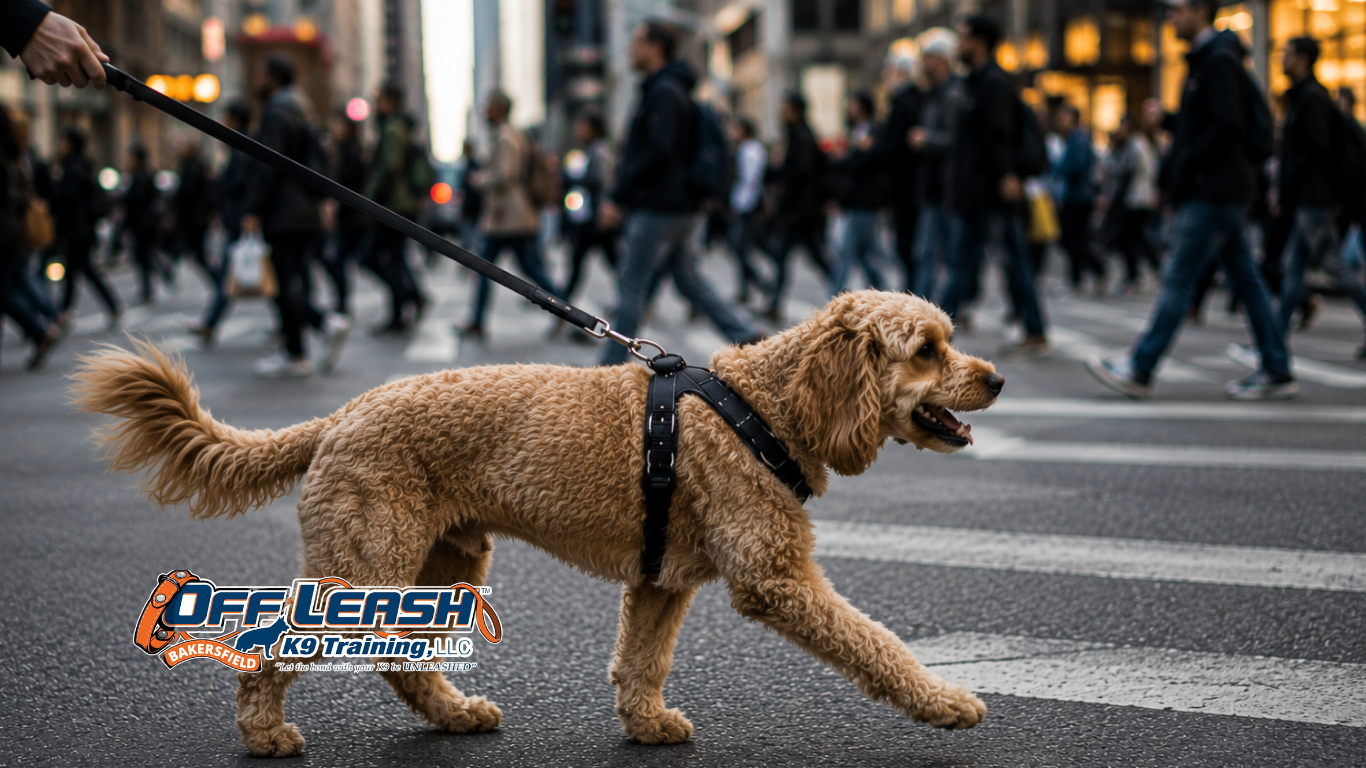
Pull More is one of the most common leash-walking problems dog owners encounter, especially when walking through busy areas filled with distractions. Many owners notice that their dog walks reasonably well in quiet neighborhoods, empty parks, or familiar streets but suddenly starts pulling hard on the leash when entering crowded environments.
This behavior often leaves owners frustrated and confused. They may wonder why their dog seems to forget all of their training the moment people, dogs, traffic, or exciting smells appear. A dog that responds perfectly to commands at home may suddenly become difficult to control when walking through a busy shopping center, apartment complex, community event, or public park.
The truth is that most dogs do not pull more because they are stubborn, dominant, or intentionally disobedient. In many cases, leash pulling is the result of emotional arousal, environmental stimulation, and excitement overwhelming the dog’s ability to remain calm and focused.
Busy environments are incredibly stimulating for dogs. Unlike humans, who rely heavily on sight, dogs gather information through multiple senses simultaneously. During a walk, they are constantly processing:
- New smells
- Other dogs
- People
- Traffic
- Children
- Wildlife
- Environmental changes
- Sounds and movement
Each distraction competes for the dog’s attention. When several distractions appear at once, many dogs become emotionally overwhelmed and begin pulling toward whatever captures their interest.
For some dogs, pulling is driven by excitement. They want to greet another dog, investigate a smell, or reach an interesting location. For others, pulling is driven by anxiety or uncertainty. The dog may feel uncomfortable and attempt to create distance from a trigger.
Regardless of the motivation, the result is the same: leash manners deteriorate as emotional arousal increases.
Busy environments throughout Bakersfield create daily opportunities for dogs to practice pulling behavior. Public parks, apartment communities, outdoor shopping centers, sports complexes, school zones, and community events all expose dogs to distractions that challenge focus and self-control.
One of the biggest misconceptions in dog training is believing that leash pulling is simply an obedience problem. While obedience is important, emotional regulation often plays a much larger role. A dog that is emotionally overwhelmed will struggle to apply obedience skills consistently.
This is why successful leash training focuses not only on teaching a dog where to walk but also on teaching them how to remain calm, engaged, and emotionally balanced despite environmental distractions.
The goal is not simply stopping leash pulling.
The goal is helping dogs learn how to navigate the world calmly.
Key Takeaways
- Dogs often pull more when excitement and stimulation increase
- Busy environments create multiple distractions simultaneously
- Pulling is commonly linked to emotional arousal
- Focus decreases as excitement rises
- Dogs need impulse control to walk calmly
- Engagement improves leash manners significantly
- Neutrality helps dogs ignore distractions
- Real-world training builds reliable walking behavior
- Consistency is essential for long-term success
- Emotional regulation is the foundation of calm leash walking
Why Dogs Pull More in Busy Areas
Busy environments contain countless distractions competing for a dog’s attention.
Dogs encounter:
- Other dogs
- Strangers
- Children
- Food smells
- Traffic
- Wildlife
- Bikes
- Scooters
- Loud noises
- Environmental movement
Each distraction creates stimulation.
As stimulation increases, many dogs become emotionally aroused and begin pulling.
The leash often becomes the first casualty of excitement.
Why Pulling Is a Natural Behavior
From a dog’s perspective, pulling makes sense.
Dogs naturally move toward things they find rewarding.
Examples include:
- Interesting smells
- Other dogs
- Friendly people
- Food
- Open spaces
- Movement
Dogs are not naturally born understanding leash pressure.
Without training, they simply move toward what interests them most.
Why Pulling Becomes a Habit
Pulling often works.
Consider this common scenario:
- Dog sees something interesting.
- Dog pulls.
- Dog reaches the interesting thing.
The dog learns:
Pulling gets me where I want to go.
Every successful repetition strengthens the behavior.
Over time, pulling becomes automatic.
Emotional Arousal and Pulling
One of the biggest reasons dogs pull more in busy environments is emotional arousal.
Emotional arousal refers to a dog’s internal excitement level.
Low arousal dogs are generally:
- Calm
- Focused
- Responsive
- Easy to guide
High arousal dogs often become:
- Impulsive
- Distracted
- Reactive
- Difficult to redirect
As arousal rises, leash manners typically decline.
Why Excitement Causes Dogs to Pull More
Many owners assume excitement is harmless.
However, excitement is one of the most common causes of leash pulling.
Excited dogs often:
- Walk faster
- Ignore commands
- Pull toward distractions
- Become hyper-focused
The dog is not trying to misbehave.
The dog simply becomes emotionally invested in something more exciting than the handler.
Why Dogs Pull Toward Other Dogs
Other dogs are one of the biggest distractions during walks.
Many dogs pull because they want:
- Social interaction
- Play opportunities
- Investigation
- Greetings
Even friendly dogs can become difficult to control around other dogs.
The excitement of seeing another dog often overwhelms self-control.
Why Frustration Can Increase Pulling
Not all pulling comes from excitement.
Some dogs become frustrated when they cannot access what they want.
Examples include:
- Seeing another dog
- Wanting to greet a person
- Smelling food
- Watching wildlife
Frustration often creates:
- Pulling
- Whining
- Barking
- Lunging
This emotional state can make leash manners even worse.
Why Dogs Pull Toward People
Many social dogs love meeting strangers.
Busy environments expose dogs to:
- Families
- Children
- Joggers
- Shoppers
- Neighbors
Friendly dogs may pull because they associate people with positive experiences.
Without structure, every person becomes a potential reward.
Why Smells Make Dogs Pull More
Dogs experience the world primarily through scent.
Busy areas contain:
- Food smells
- Dog scent markings
- Wildlife scents
- Human activity
These smells provide enormous amounts of information.
Strong scents can instantly overpower focus and increase pulling.
Why Movement Is So Distracting
Movement naturally attracts canine attention.
Examples include:
- Running children
- Bicycles
- Skateboards
- Scooters
- Wildlife
Movement activates:
- Curiosity
- Excitement
- Chase instincts
Many dogs instinctively pull toward moving objects.
Why Noise Contributes to Pulling
Busy environments often contain:
- Traffic
- Construction
- Music
- Crowds
- Public events
Noise increases environmental pressure.
Some dogs become excited.
Others become anxious.
Both emotional states can contribute to leash pulling.
Why Dogs Ignore Commands in Public
Many owners ask:
“Why does my dog listen at home but not outside?”
The answer is simple.
The environment is far more rewarding.
At home:
- Few distractions exist.
Outside:
- Everything competes for attention.
Dogs must learn how to focus despite environmental stimulation.
Why Focus Is Critical
Focus acts as an anchor during walks.
Dogs that maintain focus often:
- Pull less
- Recover faster
- Stay calmer
- Listen better
Without focus, distractions take control.
The Importance of Engagement
Engagement means the dog willingly pays attention to the handler.
Engaged dogs frequently:
- Check in visually
- Follow direction
- Stay connected
- Respond faster
Strong engagement dramatically improves leash manners.
Why Neutrality Matters
Many owners want their dog to love everyone and everything.
However, neutrality is often more valuable.
Neutral dogs can:
- Notice distractions
- Stay calm
- Continue walking
They do not feel compelled to interact with every person or dog they encounter.
Impulse Control and Leash Walking
Impulse control is the ability to resist immediate reactions.
Dogs with stronger impulse control can:
- Ignore distractions
- Walk calmly
- Stay patient
- Make better decisions
Impulse control directly affects leash behavior.
Signs Your Dog Is Becoming Overstimulated
Recognizing overstimulation early can prevent pulling.
Common signs include:
- Increased scanning
- Faster walking
- Whining
- Panting
- Hyper-focus
- Ignoring commands
- Tight body language
These signs often appear before severe pulling begins.
Why Distance Helps Dogs Learn
Many owners move too close to distractions too quickly.
Distance allows dogs to:
- Stay calm
- Process information
- Remain responsive
When dogs remain under threshold, learning becomes easier.
Why Puppies Pull More in Busy Areas
Puppies naturally struggle with:
- Focus
- Patience
- Self-control
Everything in the environment feels exciting.
Puppies often become overwhelmed by:
- Smells
- Sounds
- Movement
- New experiences
Early leash training helps build healthy habits.
Why Adolescents Often Regress
Adolescent dogs frequently experience temporary setbacks.
During adolescence, dogs become:
- More curious
- More independent
- More distracted
Many owners notice pulling increases significantly during this stage.
Consistency is critical.
Why Structured Walks Improve Leash Manners
Structured walks create predictability.
Dogs benefit from:
- Clear expectations
- Consistent routines
- Calm leadership
- Engagement exercises
Structure reduces emotional chaos.
Common Owner Mistakes
Many owners unintentionally reinforce pulling.
Examples include:
- Allowing leash tension
- Walking toward distractions
- Repeating commands
- Inconsistent rules
Small mistakes repeated daily can strengthen pulling habits.
Why Real-World Training Matters
Dogs improve through exposure and repetition.
Training should occur in:
- Parks
- Sidewalks
- Shopping centers
- Apartment complexes
- Public spaces
Real-world experience creates reliable behavior.
Pull More Problems in Bakersfield
Bakersfield provides many challenging walking environments.
Common distraction-heavy locations include:
- Public parks
- Apartment communities
- Outdoor malls
- Community events
- Sports fields
- Farmers markets
These locations create excellent training opportunities when approached correctly.
Structured Bakersfield dog training helps improve:
- Focus
- Engagement
- Impulse control
- Emotional regulation
- Loose leash walking
Long-Term Benefits of Better Leash Manners
Dogs that learn calm walking behavior often become:
- Easier to manage
- More confident
- Less reactive
- More focused
- Better companions
Walking becomes enjoyable rather than stressful.
Owners gain greater confidence handling their dogs in public settings.
Frequently Asked Questions
1. Why does my dog pull more in busy places?
Busy environments contain more distractions, which increase excitement and reduce focus.
2. Is leash pulling caused by stubbornness?
Usually not. Most pulling is connected to excitement, curiosity, frustration, or emotional arousal.
3. Why does my dog pull toward other dogs?
Dogs often pull because they want to greet, play, investigate, or interact.
4. Can anxiety cause leash pulling?
Yes. Some dogs pull because they feel uncomfortable and want distance from a trigger.
5. Why does my dog ignore commands outside?
Outdoor environments are far more stimulating and rewarding than home environments.
6. Does leash pulling get worse with practice?
Yes. Every successful pulling experience reinforces the behavior.
7. Can puppies learn loose leash walking?
Absolutely. Early training helps prevent pulling habits from becoming established.
8. What is engagement during walks?
Engagement means the dog chooses to pay attention to the handler despite distractions.
9. Why is neutrality important?
Neutrality allows dogs to observe distractions without feeling compelled to react.
10. Can professional training help?
Yes. Structured training helps improve focus, emotional regulation, and leash manners significantly.
Conclusion
Pull More behavior in busy areas is rarely about stubbornness or a lack of intelligence. Most dogs pull harder because the environment becomes emotionally exciting, stimulating, and rewarding. Crowds, other dogs, smells, movement, sounds, and public activity all compete for the dog’s attention, making calm behavior much more difficult.
As emotional arousal rises, focus decreases. Dogs become more likely to pull toward what interests them, whether that is another dog, a person, a smell, or simply the excitement of the environment itself. This is why successful leash training goes far beyond teaching a dog where to walk. It focuses on helping dogs develop emotional regulation, engagement, impulse control, and neutrality around distractions.
For Bakersfield dog owners, busy environments are a regular part of everyday life. Parks, shopping centers, apartment complexes, and community events constantly challenge a dog’s ability to remain calm and focused. Through structured training, gradual exposure, and consistent practice, dogs can learn to navigate these environments with confidence and self-control.
Over time, improved emotional balance leads to better leash manners, more enjoyable walks, stronger obedience, and a more rewarding relationship between dogs and their owners. A dog that can stay calm and connected in busy environments becomes easier to handle, safer in public, and more enjoyable to take anywhere.
"*" indicates required fields