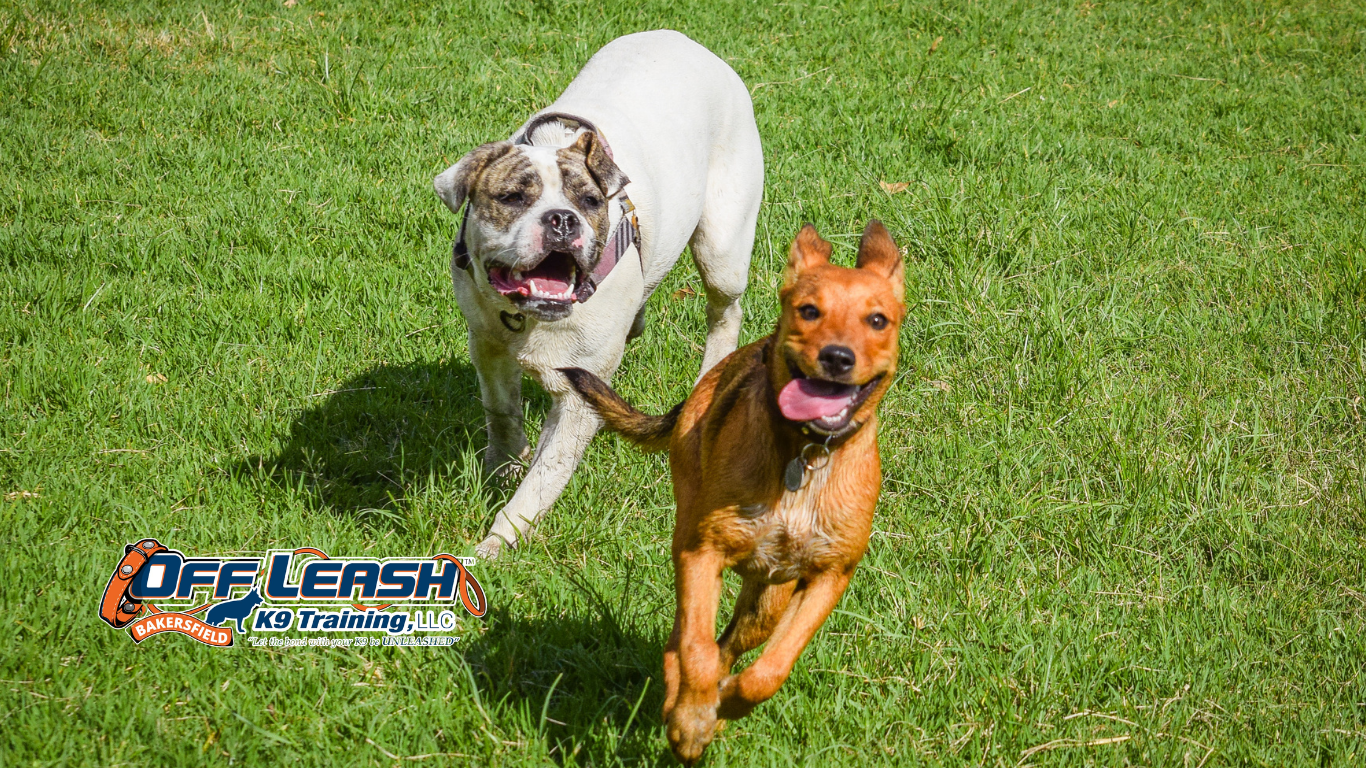
Better Self-Control: Why Dogs Need Better Self-Control
Better Self-Control is one of the most important foundations for calm behavior, emotional stability, and reliable obedience in dogs. Many dog owners focus heavily on commands like sit, stay, heel, and recall without realizing that obedience alone does not solve behavior problems if the dog lacks emotional regulation and impulse control.
A dog may fully understand a command indoors but completely ignore it outside because emotional arousal becomes stronger than the dog’s ability to think calmly and make balanced decisions. This is why many dogs behave well at home but struggle in public environments filled with distractions, movement, excitement, and stimulation.
Dogs with poor self-control commonly:
- Pull excessively on leash
- Bark impulsively
- Jump on guests
- Ignore commands outdoors
- React emotionally to other dogs
- Become hyperactive in stimulating environments
- Struggle with patience
- Lose focus quickly
- Overreact to excitement or frustration
These behaviors are often not caused by stubbornness or lack of intelligence. In many cases, they are caused by emotional overload and poor impulse control.
Self-control refers to a dog’s ability to regulate emotions, delay impulsive reactions, remain calm under stimulation, and make thoughtful decisions instead of emotional ones. Dogs that develop strong impulse control often become calmer, more adaptable, more focused, and easier to handle in real-world situations.
- Allowing leash pulling
- Rewarding excitement unintentionally
- Giving attention during demand barking
- Allowing jumping during greetings
- Repeating commands constantly
- Allowing inconsistent boundaries
Over time, impulsive behavior becomes deeply practiced and emotionally conditioned.
One of the biggest misunderstandings in dog training is believing dogs naturally “grow out of” impulsive behavior. While maturity can improve some behaviors slightly, true emotional regulation develops through structure, repetition, guidance, boundaries, and consistent training.
Busy environments throughout Bakersfield make self-control especially important. Parks, sidewalks, shopping centers, apartment complexes, outdoor restaurants, dog-heavy neighborhoods, and public events constantly expose dogs to distractions and emotional stimulation. Dogs that lack emotional balance often struggle heavily in these environments because excitement, frustration, and overstimulation overpower listening ability.
Structured training focuses on helping dogs build emotional regulation gradually. Instead of reacting impulsively to every distraction, dogs learn how to pause, think clearly, recover emotionally, and remain engaged with their handler despite stimulation.
The goal is not to suppress personality or energy. The goal is teaching dogs how to channel emotions appropriately while remaining calm, balanced, and responsive in everyday life.
Key Takeaways
- Better self-control improves obedience reliability significantly
- Emotional regulation affects behavior more than many owners realize
- Dogs with poor impulse control struggle heavily in stimulating environments
- Excitement can reduce focus and listening ability dramatically
- Structured routines improve emotional balance and patience
- Calmness helps dogs process commands more effectively
- Real-world practice builds stronger impulse control
- Boundaries and consistency improve emotional stability
- Dogs improve self-control through repetition and structure
- Better self-control creates calmer and more balanced dogs overall
What Self-Control Means for Dogs
Dogs with stronger self-control can:
- Pause before reacting
- Stay calmer around distractions
- Ignore unnecessary stimulation
- Recover faster emotionally
- Respond more consistently to commands
- Delay gratification appropriately
- Handle frustration more calmly
Self-control improves both behavior and emotional stability.
Why Dogs Naturally Struggle With Self-Control
Dogs are naturally emotional and reactive animals.
Their instincts often encourage immediate responses to:
- Movement
- Sound
- Excitement
- Social interaction
- Frustration
- Environmental change
Without guidance, dogs naturally react impulsively instead of thoughtfully.
Young puppies especially struggle because they lack emotional maturity and impulse control development entirely.
Emotional Regulation and Dog Behavior
Many behavior problems are emotional regulation problems first.
Dogs that struggle emotionally often struggle behaviorally as well.
Poor emotional regulation commonly contributes to:
- Pulling on leash
- Jumping on people
- Barking excessively
- Reactivity
- Hyperactivity
- Selective listening
- Difficulty settling indoors
- Frustration-based behaviors
Emotional balance improves obedience dramatically.
Why Excitement Becomes a Problem
Many owners assume excitement is always positive.
However, excessive excitement reduces self-control significantly.
Overexcited dogs commonly:
- Ignore commands
- Pull harder on leash
- Jump repeatedly
- Bark impulsively
- Lose focus quickly
- Become emotionally overwhelmed
Excitement itself can become overstimulation when emotional intensity rises too high.
Why Dogs Lose Focus Outdoors
Outdoor environments contain endless stimulation.
Examples include:
- Smells
- Noise
- Movement
- Other dogs
- Wildlife
- Public activity
- Environmental unpredictability
These distractions compete heavily for attention.
Dogs with weak impulse control often become emotionally overloaded outdoors.
The Connection Between Self-Control and Obedience
Reliable obedience depends heavily on emotional regulation.
Self-control helps dogs:
- Stay engaged with the handler
- Process commands calmly
- Ignore distractions appropriately
- Recover from excitement faster
- Maintain emotional balance publicly
Why Impulse Control Matters During Walks
Walks create endless opportunities for impulsive behavior.
Examples include:
- Pulling toward dogs
- Lunging at movement
- Chasing wildlife
- Barking at noises
- Hyper-fixating on distractions
Dogs lacking self-control often struggle to remain calm outdoors.
Impulse control creates safer and calmer walking behavior.
Why Patience Is Critical
Patience is a major part of emotional regulation.
Dogs without patience often:
- Demand attention constantly
- Become frustrated quickly
- Interrupt routines impulsively
- Struggle during training
- Overreact emotionally when delayed
Teaching patience improves emotional balance significantly.
Why Calmness Improves Learning
Calm dogs process information more effectively.
Emotionally balanced dogs often:
- Learn faster
- Recover quicker after mistakes
- Focus longer
- Respond more consistently
- Retain training better
Calmness creates stronger obedience reliability.
Why Puppies Need Self-Control Early
Puppies benefit enormously from early impulse control work.
Early structure improves:
- Emotional regulation
- Social behavior
- Leash manners
- Crate training
- Public behavior
- Frustration tolerance
Teaching calmness early prevents many future behavior problems.
Why Adolescence Makes Self-Control Harder
Adolescent dogs commonly experience temporary decreases in emotional regulation.
During adolescence, dogs often become:
- More impulsive
- More curious
- More distracted
- More emotionally reactive
- More independent
This stage commonly increases:
- Pulling
- Barking
- Hyperactivity
- Selective listening
Consistency matters greatly during this developmental phase.
Why Overstimulation Reduces Self-Control
Overstimulated dogs often lose the ability to:
- Focus clearly
- Process commands
- Remain calm
- Control impulses
- Recover emotionally
Common signs of overstimulation include:
- Pulling
- Barking
- Jumping
- Whining
- Hyperactivity
- Ignoring commands
Managing emotional arousal improves self-control dramatically.
Why Dogs Become Impulsive Around Other Dogs
Other dogs create strong emotional stimulation.
Dogs commonly become:
- Excited
- Frustrated
- Reactive
- Hyper-focused
- Emotionally overloaded
Poor emotional regulation often causes:
- Lunging
- Pulling
- Barking
- Ignoring commands
Neutrality training improves emotional balance significantly.
Why Recovery Speed Matters
Emotionally balanced dogs recover quickly after excitement or stress.
Dogs with poor self-control often remain emotionally elevated long after stimulation disappears.
Examples include:
- Continued hyperactivity after walks
- Ongoing barking after triggers disappear
- Difficulty settling indoors
- Persistent environmental scanning
Fast recovery indicates improving emotional regulation.
The Importance of Boundaries
Boundaries create predictability and emotional structure.
Dogs with healthy boundaries often:
- Listen more consistently
- Stay calmer publicly
- Settle faster indoors
- Handle frustration better
- Recover emotionally quicker
Predictability improves emotional stability.
Why Inconsistent Rules Create Problems
Dogs learn through repetition and patterns.
Inconsistent expectations create confusion.
Examples include:
- Allowing pulling sometimes
- Ignoring jumping occasionally
- Rewarding excitement unintentionally
- Repeating commands excessively
Inconsistency weakens emotional regulation and reliability.
Why Structured Routines Improve Self-Control
Predictable routines reduce emotional chaos.
Helpful routines include:
- Structured feeding times
- Calm doorway exits
- Scheduled walks
- Regular recovery periods
- Consistent training sessions
Predictability helps dogs remain emotionally balanced.
Why Mental Exercise Matters
Mental stimulation improves emotional regulation significantly.
Helpful mental exercises include:
- Place training
- Food puzzles
- Obedience drills
- Scent work
- Focus games
- Impulse control exercises
Mental fatigue often improves calmness more effectively than physical exhaustion alone.
Why Physical Exercise Alone Is Not Enough
Many owners attempt to solve impulsive behavior through excessive exercise alone.
However, physically tired dogs can still remain:
- Overstimulated
- Emotionally reactive
- Hyper-focused
- Impulsive
Emotional regulation matters more than exhaustion alone.
Structured Training and Self-Control
Structured training focuses on emotional balance and impulse regulation.
Build Focus on the Handler
Dogs that enjoy engaging with their owner often recover from distractions faster.
Reward Calm Behavior
Calm emotional states should be reinforced consistently.
Teach Impulse Control Commands
Commands like:
- Place
- Stay
- Heel
- Leave it
- Wait
help dogs practice patience and emotional control.
Use Gradual Exposure
Dogs improve faster when distractions increase gradually rather than becoming overwhelming immediately.
Why Neutrality Matters
Neutrality means dogs can observe the environment calmly without emotional overreaction.
Neutral dogs:
- Notice distractions calmly
- Stay emotionally balanced
- Avoid hyper-fixation
- Maintain engagement with the handler
Neutrality improves self-control dramatically.
Real-World Self-Control Training
Dogs improve reliability through practice in realistic environments.
Training should include exposure to:
- Parks
- Sidewalks
- Public areas
- Apartment complexes
- Outdoor cafes
- Shopping centers
- Noise and movement
Real-world repetition builds emotional stability.
Why Public Behavior Depends on Self-Control
Public environments challenge emotional regulation constantly.
Dogs lacking impulse control often struggle with:
- Pulling
- Barking
- Lunging
- Hyperactivity
- Ignoring commands
Self-control creates calmer public behavior.
Why Dogs Need Frustration Tolerance
Frustration tolerance helps dogs remain calm when they cannot access something immediately.
Examples include:
- Waiting calmly for food
- Ignoring distractions
- Staying in place
- Delayed rewards
- Remaining calm around triggers
Dogs with poor frustration tolerance often become reactive quickly.
Better Self-Control in Bakersfield
Busy environments throughout Bakersfield constantly challenge emotional balance and focus.
Examples include:
- Public parks
- Apartment complexes
- Sidewalk activity
- Outdoor shopping areas
- Public events
- Dog-heavy neighborhoods
Structured Bakersfield dog training helps dogs improve:
- Emotional regulation
- Public obedience
- Calm leash walking
- Focus around distractions
- Impulse control outdoors
Common Mistakes Owners Make
Many owners unintentionally weaken self-control by:
- Rewarding excitement unintentionally
- Allowing inconsistent rules
- Repeating commands constantly
- Overwhelming dogs with stimulation
- Allowing impulsive greetings
- Ignoring small behavior issues until they escalate
Consistency improves emotional balance significantly.
Why Small Behaviors Matter
Minor impulsive behaviors often grow into larger problems through repetition.
Examples include:
- Small leash pulling
- Minor jumping
- Barking for attention
- Ignoring commands occasionally
Repeated practice strengthens habits quickly.
Long-Term Benefits of Better Self-Control
Dogs with healthy impulse control often become:
- Calmer
- More adaptable
- Easier to handle publicly
- More focused
- More emotionally balanced
- Less reactive
Improved self-control enhances overall quality of life significantly.
Frequently Asked Questions
1. Why do dogs need better self-control?
Self-control helps dogs remain calm, focused, and emotionally balanced around distractions and stimulation.
2. Can poor impulse control cause behavior problems?
Yes. Many issues like pulling, barking, jumping, and reactivity are connected to poor emotional regulation.
3. How do dogs learn self-control?
Dogs develop self-control through repetition, structure, boundaries, calm routines, and gradual exposure.
4. Why does excitement reduce obedience?
Excessive excitement often overwhelms focus and emotional regulation.
5. Why do dogs struggle outdoors more than indoors?
Outdoor environments contain significantly more stimulation and distractions.
6. Can self-control improve leash walking?
Yes. Better impulse control improves focus and emotional balance during walks.
7. What is neutrality training?
Neutrality training teaches dogs how to observe distractions calmly without emotional overreaction.
8. Can puppies learn self-control early?
Yes. Early structure and emotional regulation work improve long-term behavior significantly.
9. Why does consistency matter so much?
Dogs learn through predictable repetition and clear patterns.
10. Can professional training improve impulse control?
Conclusion
Better self-control is one of the most important foundations for calm behavior, emotional stability, and reliable obedience in dogs. Many common behavior problems develop because excitement, frustration, overstimulation, or environmental pressure become stronger than the dog’s ability to remain calm and make thoughtful decisions.
Dogs with healthy impulse control often recover faster from excitement, stay focused longer, handle frustration more appropriately, and respond more reliably during training and public outings. Emotional regulation allows dogs to navigate stimulating environments more successfully without becoming overwhelmed.
Structured training helps dogs build patience, neutrality, emotional balance, and calmer decision-making through repetition, boundaries, routines, and real-world practice. Instead of reacting impulsively to every distraction, dogs gradually learn how to process stimulation calmly while remaining engaged with their handler.
For Bakersfield dog owners, self-control training becomes especially important because busy public environments constantly challenge focus and emotional stability. With consistency, calm leadership, structured exposure, and emotional regulation work, dogs can improve impulse control significantly and develop calmer, more balanced behavior in everyday life.
"*" indicates required fields