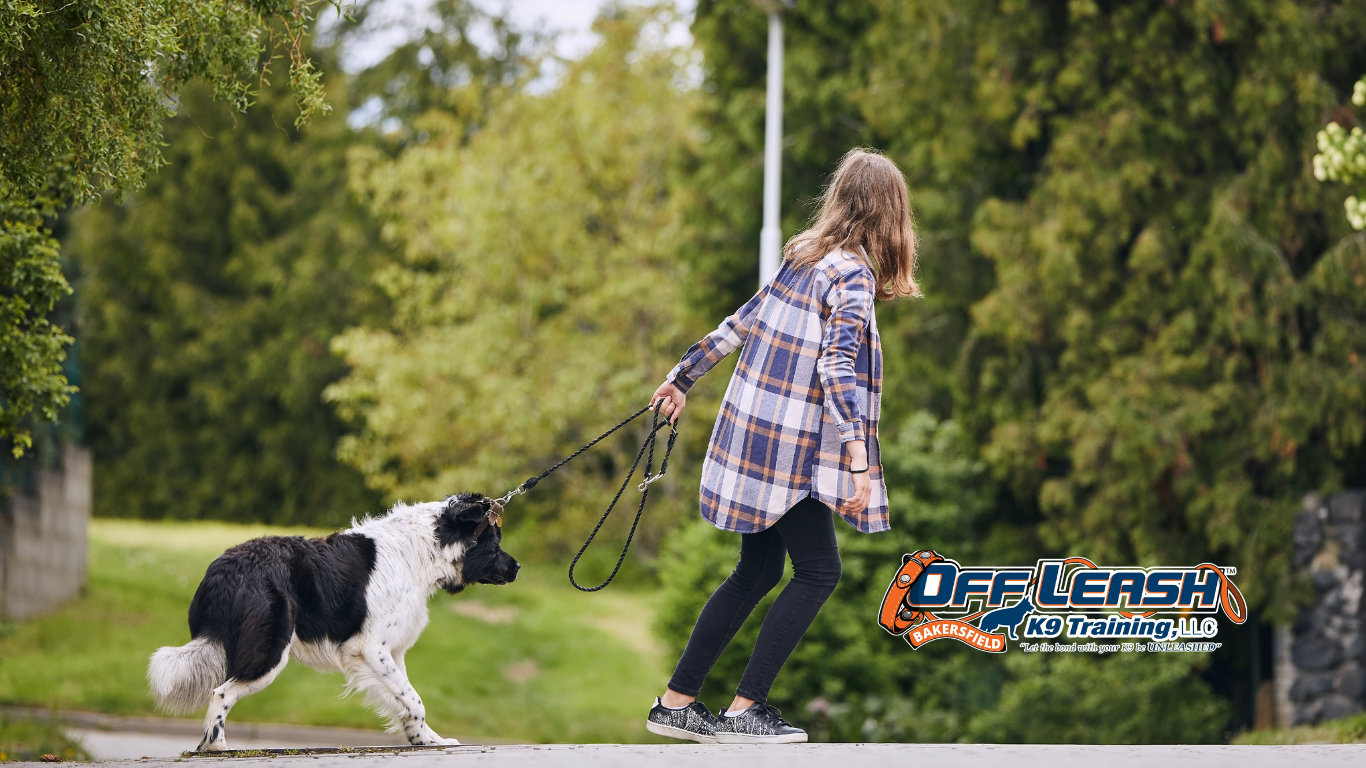
Stubborn Dogs Explained: Why Dogs Seem Stubborn
Have you ever noticed that some dogs seem to have a mind of their own, refusing to follow commands no matter how well trained they are? This behavior might come across as stubbornness, yet it is often rooted in genetics and breed traits. Labradors, for example, are known for their eagerness to please, while independent breeds like the Shiba Inu exhibit traits that can be perceived as stubborn.
Historically, many breeds were developed for specific tasks that required independent thinking and problem-solving skills. For instance, herding dogs like Border Collies needed to make decisions on their own when managing livestock. Research has shown that these innate qualities can contribute to behaviors perceived as stubbornness. A common solution to managing such behavior involves consistent training and understanding the dog’s unique motivations and instincts.
Stubbornness in dogs is often misunderstood and can stem from their breed traits, unmet needs, or inconsistent training. Some breeds have been developed for tasks requiring independent thinking, which may come across as stubbornness. Proper training methods, understanding the dog’s motivations, and having patience can help manage these behaviors effectively.
Stubborn Dogs Explained: Why Dogs Seem Stubborn
Dogs can appear stubborn when they resist following commands or completing tasks. However, this behavior often has less to do with true stubbornness and more to do with a number of other factors. Sometimes, the dog might not understand what is being asked of them. In other cases, they might be distracted or not motivated by the reward offered. Understanding the root cause of this behavior is crucial to addressing it effectively.
Breed traits play a significant role in how a dog behaves. For instance, breeds like the Shiba Inu or Akita are known for their independence. This can often be mistaken for stubbornness. These breeds were historically used for tasks that required them to think and act independently. As a result, they might not always comply with commands immediately.
Training methods can also impact how a dog responds to commands. Positive reinforcement, where dogs are rewarded for correct behavior, tends to be more effective. On the other hand, harsh or inconsistent training methods can lead to confusion and resistance. Consistency, patience, and understanding the dog’s needs can help improve compliance. These techniques can help build a stronger bond between the dog and the owner.
Many times, what seems like stubbornness is actually a reflection of unmet needs. A dog might be hungry, tired, or need more exercise. Addressing these needs can lead to a more cooperative dog. Similarly, ensuring the dog is mentally stimulated and engaged can reduce perceived stubbornness. Providing toys, puzzle feeders, and regular walks can make a big difference.
Common behaviors mistaken for stubbornness
One common behavior often mistaken for stubbornness is a dog’s hesitation to follow commands. This can happen if the dog feels unsure or unsafe in its environment. They might be trying to understand the situation better before acting. Dogs are naturally cautious creatures, so giving them time to process things can help. Patience and reassurance from the owner are key during such moments.
Ignoring commands can also be perceived as stubborn behavior. However, this usually happens if the command is not clear or if the reward is not motivating enough. Dogs respond better when they understand what is expected of them. Make sure to use consistent commands and offer treats they genuinely enjoy. This clarity aids in smoother training sessions.
Another behavior often confused with stubbornness is when a dog stops during a walk. Dogs have a strong sense of smell and use walks as opportunities to explore their surroundings. They might get engrossed in a new scent, causing them to halt abruptly. Instead of pulling them away, give them a moment to satisfy their curiosity. This makes walks more pleasant and less stressful for the dog.
Barking or whining can sometimes be labeled as stubbornness, but these are often ways dogs communicate needs like hunger, discomfort, or a desire for attention. Ignoring these signals can lead to frustration for both the dog and the owner. It’s crucial to understand the context of these behaviors. Addressing the underlying needs can prevent such misinterpretations and promote a harmonious relationship between dogs and their owners.
How training methods impact canine compliance
Training methods play a crucial role in how well a dog responds to commands. Positive reinforcement, such as giving treats or praise, can significantly boost a dog’s willingness to comply. Dogs tend to repeat behaviors that result in rewards. Thus, consistent positive reinforcement can make training sessions more effective. It fosters a trusting relationship between the dog and the owner.
In contrast, using punishment-based training can lead to adverse effects. Harsh corrections or negative reinforcement can cause fear and anxiety in dogs. This might lead them to shut down or become more resistant. Instead of learning the desired behavior, they might develop a fear of training. Over time, this can damage the bond between the dog and its owner.
Consistency is another key factor in successful training. Dogs thrive on routine and clear expectations. If commands and rewards are not consistent, it can confuse the dog. They might not understand what is expected of them, leading to a lack of compliance. Sticking to a regular training schedule helps reinforce learning and improves the dog’s responsiveness.
Another important aspect is understanding individual dog needs. Some dogs are more motivated by food, while others might prefer toys or affection. Tailoring the training approach to fit the dog’s specific preferences can lead to better results. This personalization ensures that the dog is engaged and willing to participate in training sessions. Utilizing this knowledge can be the key to a well-behaved and happy canine companion.
The role of breed traits in independent behavior
Breed traits can significantly influence a dog’s behavior, particularly their level of independence. Breeds that were developed for specific tasks often show heightened independence. For example, herding breeds like the Australian Shepherd need to make quick decisions on their own. This innate quality can be mistaken for stubbornness. Yet, it’s a trait tightly linked to their historical roles.
Working breeds, such as the Siberian Husky, often show a strong independent streak. These dogs were bred to work in harsh conditions, pulling sleds over long distances. Their ability to navigate and make decisions independently was crucial for survival. Hence, they might not always comply with commands right away, reflecting their breed’s natural tendencies. Understanding these traits can help tailor effective training approaches.
Hunting breeds, like Beagles and Bloodhounds, also display independent behavior. They were bred to follow scents and track game with minimal human guidance. As a result, these dogs might seem distracted or unresponsive during walks or training sessions. Their keen sense of smell drives them to explore their environment. Recognizing this can help manage expectations and training strategies.
Guarding breeds, such as Mastiffs or Rottweilers, were bred to protect property and livestock. Their independent decision-making is vital for their guarding role. These traits can sometimes be seen as stubbornness, but it’s really about their natural instincts. Providing clear boundaries and consistent training can help manage these behaviors. Knowing a breed’s historical background is essential for effective training.
Small companion breeds like the Shih Tzu or Chihuahua can also exhibit independent behavior. These breeds often develop strong attachments to their owners but still showcase a unique sense of independence. This trait can be mistaken for aloofness or stubbornness. Offering affection and positive reinforcement can make training more effective. It’s about balancing their need for closeness with their independent nature.
Each breed’s unique history and purpose shape their behavior, including their level of independence. Whether for herding, hunting, guarding, or companionship, these traits were honed over generations. Appreciating these differences can lead to a more harmonious relationship between dog and owner. Tailored training methods that account for breed traits can enhance compliance and overall behavior. This understanding fosters a deeper bond and more effective communication.
Addressing unmet needs and motivation in dogs
One significant factor in a dog’s behavior is whether their basic needs are met. A hungry or tired dog is less likely to comply with commands. Ensuring dogs are well-fed and rested can improve their responsiveness. These needs should be addressed before expecting a dog to perform tasks. Regular feeding and sleeping schedules are essential.
Another crucial need is exercise. Dogs require physical activity to stay healthy and happy. Lack of exercise can lead to frustration and uncooperative behavior. Regular walks, playtime, and opportunities to run can help meet this need. Providing adequate exercise is key to managing a dog’s energy levels.
Mental stimulation is also vital for a dog’s well-being. Bored dogs can become destructive or disobedient. Engaging toys, training games, and problem-solving activities can keep their minds active. Puzzle feeders and scent games are great options to consider. Keeping a dog mentally engaged reduces unwanted behaviors.
Dogs are social animals and need interaction with humans and other animals. Lack of socialization can lead to fear and anxiety. Regular playdates and exposure to different environments can help. Positive reinforcement during social interactions builds confidence. This approach fosters a well-adjusted and cooperative dog.
Motivation plays a huge role in compliance. Each dog is unique and may be motivated by different rewards. Some prefer treats, while others respond better to toys or affection. Understanding what motivates a particular dog can make training more effective. Tailoring rewards to a dog’s preferences ensures better results.
Recognizing and addressing unmet needs while identifying proper motivation forms the foundation of effective training. Ensuring a dog’s physical, mental, and social needs are met can prevent many behavioral issues. This holistic approach not only improves compliance but also strengthens the bond between dog and owner. It creates a more harmonious living environment for everyone involved.
Key strategies to work with so-called stubborn dogs
One effective strategy is using positive reinforcement. Rewarding your dog with treats, praise, or toys when they follow commands can encourage good behavior. It’s crucial to give these rewards immediately after the desired action. This helps the dog associate the behavior with a positive outcome. Consistency in this approach is key.
Patience is also essential when working with stubborn dogs. Pushing too hard or getting frustrated can backfire. It’s important to stay calm and give the dog time to learn at their own pace. Repeating commands gently and giving ample time for the dog to respond can yield better results. Building trust is more important than rushing the process.
Breaking tasks into smaller steps can make training more manageable. Instead of expecting the dog to master a complex command right away, divide it into simpler parts. For example, teaching a dog to sit before expecting them to stay. This step-by-step approach can prevent the dog from feeling overwhelmed. Gradual progress is more effective than rushing.
Utilizing high-value rewards can be a game-changer. Some dogs might not respond to basic treats and require something more enticing. High-value rewards like pieces of chicken or cheese can increase motivation. Offering these unexpected treats can encourage compliance and make training sessions more engaging. Understanding what excites your dog can improve training success.
Another important strategy is understanding the dog’s unique needs and preferences. Each dog is different, and what works for one may not work for another. Observing your dog’s reactions and adjusting your approach accordingly is vital. Tailoring your training methods to suit your dog’s personality can maximize their responsiveness. This personalized approach fosters a positive training environment.
Incorporating regular and varied training sessions can keep a dog engaged. Boredom can lead to resistance, so changing up the routine can be helpful. Short, frequent training sessions are more effective than long, monotonous ones. This keeps the dog interested and less likely to become stubborn. Variety ensures continuous stimulation and learning.
Myths and misconceptions about stubborn dogs
One common myth is that certain breeds are inherently stubborn. In reality, what seems like stubbornness is often an expression of the dog’s natural traits or a response to their environment. Some breeds may appear more independent, but this doesn’t mean they are disobedient by nature. Understanding the breed’s history and purpose can shed light on these behaviors. Patience and tailored training methods are key.
Another misconception is that stubborn dogs cannot be trained effectively. All dogs have the capacity to learn when given consistent guidance and positive reinforcement. Sometimes, a lack of proper training or understanding of the dog’s needs leads to non-compliance. Addressing individual motivations and using suitable rewards can make a significant difference. Every dog can benefit from thoughtful training techniques.
A widely held belief is that punishment will correct stubborn behavior. However, harsh treatment can lead to fear and anxiety rather than improved behavior. Positive reinforcement builds trust and encourages desired actions without causing stress. Focusing on rewarding good behavior rather than punishing the bad fosters a better relationship between dog and owner. Avoiding negativity promotes a happier training environment.
It’s also misunderstood that older dogs cannot overcome “stubborn” habits. While it might take longer to change established behaviors, older dogs are still capable of learning new commands with proper methods. Using patience and consistency, owners can help their senior pets adapt to new routines. Engaging them in mental exercises keeps them sharp and responsive. Adjusting expectations based on their age supports successful training outcomes.
Some think that all behavioral issues stem from stubbornness, which oversimplifies the problem. Many factors could influence a dog’s behavior including health issues, past traumas, or unmet needs like exercise or socialization. Thoroughly evaluating these aspects helps address the root cause rather than just labeling the dog as stubborn. Providing comprehensive care ensures overall well-being.
Understanding these myths helps in approaching dog training with empathy and knowledge. Recognizing that each dog has unique needs enables more effective strategies for fostering compliance.
How to identify the difference between stubbornness and other behavioral issues
Understanding whether a dog is truly stubborn or facing other behavioral issues can be challenging. One key indicator is the consistency of the behavior. If a dog consistently ignores commands across different environments, it might be stubbornness. However, if the behavior changes depending on the situation, other factors could be at play. Observing patterns is essential for accurate identification.
Health problems can also mimic stubborn behavior. If a dog suddenly stops following commands, it could be due to pain or illness. Regular veterinary check-ups help rule out medical issues. For example, if a dog stops responding to commands, checking for ear infections can be crucial. Ensuring the dog’s health supports better behavioral understanding.
Consider the dog’s history and experiences. A dog with a traumatic past may exhibit behaviors perceived as stubbornness. Fear and anxiety often manifest as resistance or avoidance. Understanding a dog’s background can provide insights into their actions. Tailoring training based on this history fosters better responses.
Also, evaluate whether the dog’s basic needs are being met. A hungry, tired, or distressed dog is less likely to comply with commands. Addressing these needs can improve behavior. Ensure they receive proper diet, rest, and exercise. This holistic approach helps distinguish between stubbornness and other behavioral issues.
Training methods and consistency are critical. Inconsistent commands or punishment can confuse a dog, leading to non-compliance. Regular, positive reinforcement aids in clear communication and reduces resistance. If different methods yield varying results, training techniques might need adjustment. Clear and consistent methods support identifying true stubbornness.
By carefully observing and addressing these factors, determining whether a dog is stubborn or experiencing other issues becomes more manageable. This approach helps in creating effective, compassionate training strategies tailored to individual needs.
The influence of the human-animal bond on perceived canine stubbornness
The relationship between a dog and its owner can greatly impact how a dog’s behavior is perceived. A strong bond built on trust and mutual understanding can reduce instances of perceived stubbornness. Dogs are more likely to follow commands from someone they feel close to. This bond makes training more effective. Positive interactions strengthen this connection.
Spending quality time together also enhances the human-animal bond. Activities like playing, walking, and training are crucial. These interactions help the dog understand and trust its owner more. Consistent routines and positive reinforcement during these times reinforce good behavior. When a dog feels secure, compliance increases.
Miscommunication can contribute to perceived stubbornness. Dogs rely heavily on body language and tone. Clear, consistent commands and cues prevent confusion. Owners should ensure their signals are easy for the dog to understand. Proper communication strengthens the bond and reduces resistance.
Emotional states of the owner can also influence the dog’s behavior. Dogs are sensitive to their owner’s emotions. If an owner is stressed or frustrated, the dog might pick up on these feelings. This can lead to anxiety and non-compliant behavior. Staying calm and patient benefits both the dog and the owner.
Involving dogs in family activities fosters inclusion and reduces feelings of neglect. Dogs that feel part of the family are more likely to be cooperative. Including them in social settings and daily routines builds a sense of belonging. This involvement reduces the likelihood of behavior labeled as stubborn. Feeling included promotes happier, more compliant dogs.
Understanding how the human-animal bond influences behavior is crucial. Building a positive relationship based on trust, communication, and inclusion helps manage and reduce perceived stubbornness. This approach creates a harmonious environment where both the dog and owner thrive.
Frequently Asked Questions
Understanding why dogs seem stubborn can help in addressing their behavior effectively. Here are some key questions and answers related to common issues and solutions for stubborn dogs.
1. Why do some dog breeds seem more stubborn than others?
Some dog breeds appear more stubborn due to their historical roles. Breeds like the Shiba Inu were bred for independent tasks, making them less likely to follow commands immediately. These traits aren’t about unwillingness but ingrained behaviors from their original purposes. Understanding this helps tailor training approaches.
Additionally, breeds that were used for tasks requiring independent thinking, like guarding or herding, display behaviors that can feel like stubbornness. These dogs are not defiant; they simply have strong instincts to make decisions on their own. Knowing and respecting these traits can improve training effectiveness and the human-animal bond.
2. How can I tell if my dog is being stubborn or if there’s another issue?
Distinguishing between stubbornness and other issues involves observing the consistency of your dog’s behavior. If the behavior changes based on the situation, factors such as health, environment, or past experiences might be affecting your dog. Persistent non-compliance could indicate a stubborn streak or a need for different training methods.
It’s also crucial to rule out health problems that could be causing the behavior. Regular vet check-ups can identify if pain or illness is affecting their actions. A well-rounded assessment considering training consistency, health, and environment helps decipher true stubbornness from other underlying issues.
3. What training methods work best with so-called stubborn dogs?
Positive reinforcement is highly effective for training stubborn dogs. Rewarding them with treats, toys, or praise when they follow commands encourages repeated good behavior. Patience is essential as pushing too hard can cause backfire, leading to further resistance from the dog.
Breaking down tasks into smaller steps and using high-value rewards specifically tailored to your dog’s preferences enhance their motivation and responsiveness. Consistency and understanding your dog’s unique needs play a vital role in managing stubborn behavior through appropriate training methods.
4. Can an older, stubborn dog still learn new behaviors?
Yes, older dogs can learn new behaviors, even if they seem stubborn. While it might take longer compared to younger dogs, with consistent and patient training, older dogs can adapt and follow new commands. It’s essential to consider their physical limitations and adjust training methods accordingly.
Using positive reinforcement and keeping training sessions short and engaging can help older dogs learn effectively. Mental exercises and activities tailored to their age and health conditions bolster their willingness to comply and make the learning process enjoyable for them.
5. Do unmet needs play a role in perceived canine stubbornness?
Unmet needs like hunger, lack of exercise, or mental stimulation can significantly impact a dog’s behavior, making them appear stubborn. Ensuring your dog has a balanced diet, regular exercise, and engaging activities can alleviate non-compliant behavior. Addressing these needs builds a foundation for better behavior.
Physical and mental needs are crucial in maintaining a dog’s well-being and responsiveness. Providing puzzle toys, regular walks, and ensuring routine health checks help meet these needs. A well-cared-for dog is usually more cooperative, reducing instances of perceived stubbornness.
Conclusion
Understanding the nuances behind perceived canine stubbornness is essential for effective training and bonding. Recognizing factors like breed traits, training methods, and unmet needs helps address these behaviors accurately. Tailoring approaches to each dog’s unique characteristics fosters better compliance and strengthens the human-animal bond.
By applying patience, consistency, and positive reinforcement, owners can transform challenging behaviors into cooperative ones. A deeper understanding and better communication with our furry friends lead to harmonious and happier relationships. This balanced approach ensures both dogs and their owners thrive together.
"*" indicates required fields