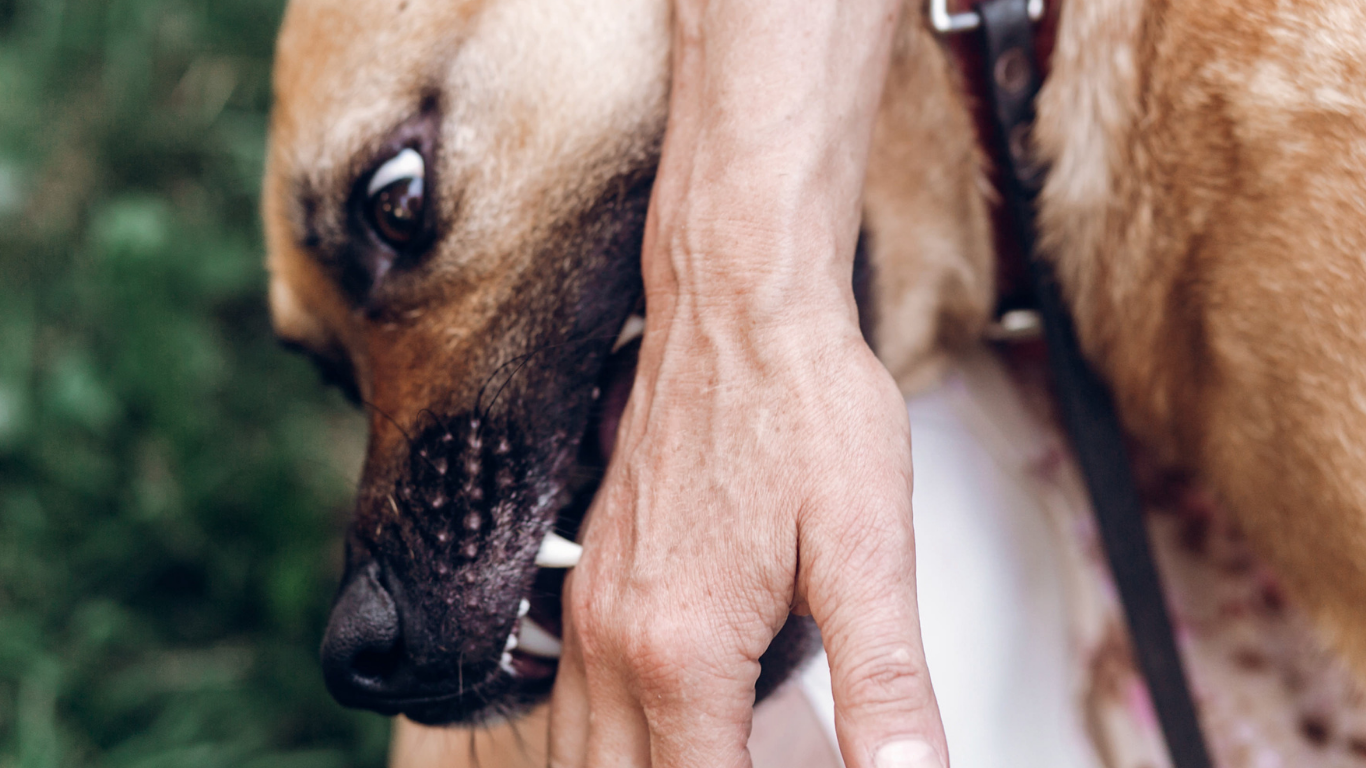
Dog Bites: Why Dogs Bite People and How Training Can Help
Dog bites are a significant public health concern, with approximately 4.5 million incidents occurring annually in the United States alone. Why do man’s best friends sometimes act out aggressively? Understanding the root causes can pave the way for effective prevention and training strategies.
Historically, dog bites have been attributed to various factors such as fear, pain, and territorial instincts. Recent studies have shown that properly trained dogs are less likely to bite, with training programs reducing bite incidents by up to 90%. By recognizing these underlying issues, experts can implement targeted training to modify behavior, ensuring both human and canine safety.
Dogs bite people primarily due to fear, pain, or territorial instincts. Proper training helps mitigate these behaviors by teaching dogs appropriate responses to triggers. Techniques like positive reinforcement and socialization enhance a dog’s comfort and confidence, significantly reducing the risk of biting incidents.
Dog Bites: Why Dogs Bite People and How Training Can Help
Dog bites can happen for many reasons. A dog might bite because it feels scared or threatened. Sometimes, dogs bite to protect their territory or puppies. Understanding these triggers is essential in preventing bites. By knowing why dogs bite, owners can take steps to modify their behavior.
Training plays a huge role in reducing dog bites. Proper training can help dogs feel more secure and reduce aggression. Training also helps dogs understand how to react in different situations. Positive reinforcement techniques are proven to be effective. These methods make dogs more comfortable and less likely to bite.
There are several training methods that can prevent dog bites. Socialization is key to making dogs friendly and calm. Basic obedience training is also important. It teaches dogs to follow commands and behave well. Using consistent routines can make a big difference. When dogs know what to expect, they feel less anxious.
Dog bites can have serious consequences. They can cause physical injury and emotional trauma. In severe cases, medical intervention may be needed. It’s important to take steps to prevent bites. Training is one effective solution. When dogs are well-trained, both they and their owners are safer.
Common Causes of Dog Bites
Fear is a major reason why dogs bite. When they feel scared, they might think they need to defend themselves. Loud noises or sudden movements can make them anxious. This is common in dogs that haven’t been properly socialized. It’s crucial to help dogs feel safe in various environments.
Another cause of dog bites is pain. Dogs may snap if they’re in discomfort. An injury or illness can make even a calm dog become aggressive. It’s important to be gentle and aware of a dog’s health. Regular check-ups can prevent this issue.
Dogs are territorial animals. They might bite to protect their food, toys, or space. This behavior is common in homes with multiple pets. Training can help reduce these territorial instincts. Teaching dogs to share and be patient is essential.
Some dogs bite out of frustration. If they’re overly excited or restrained, they might act out. Lack of exercise and stimulation can lead to this behavior. Regular playtime and physical activity can mitigate these issues. Dogs need mental and physical engagement to stay balanced.
Behavioral and Environmental Triggers
Behavioral triggers play a significant role in why dogs bite. These include fear, dominance, and anxiety. Dogs may bite if they are startled or feel threatened. Early socialization can reduce these behavioral issues. Training helps dogs respond better to stressful situations.
Environmental triggers also contribute to dog bites. Changes in a dog’s surroundings can affect their behavior. Loud noises, crowded spaces, and unfamiliar settings can cause anxiety. For example, fireworks or thunderstorms often stress dogs. Providing a safe space can alleviate these triggers.
Inconsistent routines can lead to behavioral problems. Dogs thrive on stability and predictability. A sudden change in daily activities can confuse a dog. This confusion may lead to aggression. Maintaining a consistent routine helps keep dogs calm.
Overcrowded living conditions are another environmental trigger. Dogs need space to move freely. Lack of space can make them feel trapped and defensive. Ensuring ample living space is crucial. It minimizes stress and lowers the risk of biting.
Risks Associated with Dog Bites
Dog bites can result in serious physical injury. These injuries range from minor cuts to severe wounds. Infections are a common risk. Bacteria from a dog’s mouth can cause complications. Immediate medical attention is often necessary.
Emotional trauma is another risk of dog bites. Victims may develop a fear of dogs. This fear can lead to anxiety and stress. Children are especially vulnerable to these emotional effects. Counseling may be needed to overcome the trauma.
Legal consequences can arise from dog bites. Owners may face lawsuits if their dog injures someone. Fines and penalties are possible outcomes. In some cases, dogs might be taken away. Ensuring proper training can mitigate legal risks.
Dog bites can disrupt daily life. Victims may need time off work to recover. This can lead to financial strain. The fear and anxiety following a bite can affect social activities. Preventing bites helps maintain a normal lifestyle.
Some dog breeds are considered higher risk. Breeds known for aggressive tendencies might face stricter regulations. Owners of these breeds need to be extra cautious. Effective training is crucial for these dogs. Responsible ownership is key to reducing risks.
Role of Training in Preventing Dog Bites
Training is crucial in preventing dog bites. It helps dogs learn how to behave properly. Training reduces fear and aggression. This makes dogs feel more secure. A well-trained dog is less likely to bite.
Positive reinforcement is a popular training method. It involves rewarding good behavior. This encourages dogs to repeat positive actions. Treats and praise are common rewards. Consistency is key to effective training.
Socializing dogs is another important aspect. It exposes dogs to different people and environments. This helps them feel comfortable in various scenarios. Socialization reduces anxiety. It prevents fearful reactions that can lead to bites.
Obedience training teaches dogs to follow commands. Basic commands like sit, stay, and come are essential. Obedience training improves control over dogs. This minimizes situations where a dog might bite. Well-behaved dogs are easier to manage.
Professional trainers can address specific issues. They have the expertise to deal with aggressive behavior. Professional training sessions provide structured learning. Experts use tailored techniques. This ensures effective results.
Effective Training Methods and Tips
Consistency is key in dog training. Dogs learn best when routines are regular. Keeping training sessions short and frequent is helpful. This prevents boredom and frustration. Consistent training leads to better behavior.
Positive reinforcement works wonders. Rewarding dogs for good behavior encourages them to repeat it. Treats, toys, and praise are effective rewards. Negative punishment should be avoided. Focus on what the dog does right.
Socialization is important. Dogs should meet new people and animals regularly. This reduces fear and aggression. Socialized dogs are more confident. Start socialization early for best results.
- Use clear, simple commands.
- Be patient and stay calm.
- Always end on a positive note.
- Involve family members in training.
Professional help might be necessary. Trainers can address specific issues. They provide tailored advice and methods. Sessions with a professional offer structured learning. The expertise of trainers ensures successful outcomes.
Signs a Dog May Bite and What to Do
Recognizing signs that a dog may bite is crucial for prevention. Dogs often show warning signals before biting. Growling or showing teeth is a clear indicator. Raised fur can also be a sign of aggression. These behaviors should not be ignored.
A tucked tail might indicate fear or anxiety. Fearful dogs are more likely to bite. If a dog seems frightened, it’s important to give them space. Avoid looming over the dog or making sudden movements. Comforting words and calm behavior can help soothe an anxious dog.
Rigid body language is another warning sign. A stiff, motionless posture usually means the dog feels threatened. It’s best to avoid direct eye contact in these situations. Slowly backing away can de-escalate the tension. Never try to pet a rigid dog.
- Keep your distance from aggressive dogs.
- Speak softly and avoid sudden movements.
- If bitten, wash the wound immediately with soap and water.
- Seek medical advice if necessary.
If you see multiple signs of potential aggression, do not approach the dog alone. Professional help might be needed to address severe behavior issues. Trainers and veterinarians have experience in managing such cases effectively.Their expertise ensures both safety and proper care.
Impact of Dog Bites on Public Health
Dog bites are a significant public health issue. Each year, millions of people are bitten by dogs, resulting in various injuries. These bites lead to thousands of hospital visits. The financial burden on healthcare systems is substantial. Addressing this issue is vital for community health.
Infections are a common consequence of dog bites. These infections can range from mild to severe. Rabies is a particularly deadly concern. It’s necessary to educate the public about proper wound care. Vaccination and prompt treatment can prevent serious outcomes.
Public health campaigns emphasize the importance of preventive measures. Training programs for dogs and owners reduce bite incidents. Communities often offer resources for responsible pet ownership. Collaboration with veterinarians and trainers is crucial. These efforts help lower the risk of bites and related health issues.
The psychological impact of dog bites should not be underestimated. Victims may experience anxiety and fear long after the incident. Children are especially vulnerable to these emotional effects. Support services and counseling can aid in recovery. It’s essential to address both physical and emotional health.
Government regulations often play a role in public health safety. Policies regarding dangerous dogs and responsible ownership exist. These regulations help manage high-risk breeds and ensure proper training. Enforcement of these laws protects the community. Continuous review and adaptation of policies are necessary.
How Professional Trainers Address Aggressive Behavior
Professional trainers use a variety of techniques to address aggressive behavior in dogs. They start by identifying the triggers. Understanding the cause is essential for effective treatment. Trainers closely observe the dog’s behavior. This allows them to create a tailored training program.
One common method is desensitization. This approach gradually introduces the dog to the source of their aggression. The goal is to reduce the dog’s negative reaction. Trainers use controlled environments for this process. Over time, the dog learns to stay calm.
Counter-conditioning is another technique used. It involves changing the dog’s emotional response to triggers. Positive experiences are paired with the previously scary situation. This method can make the dog feel more secure. Consistency is crucial for success.
- Introduce triggers slowly.
- Reward calm behavior.
- Avoid punishment.
- Work in a controlled space.
Professional trainers also focus on improving communication. Dogs need clear and consistent signals from their owners. Training sessions often include teaching commands and cues. Effective communication builds trust. It helps the dog feel more confident and less aggressive.
In severe cases, trainers may recommend behavior specialists. These experts provide additional support. They use advanced techniques to manage aggression. Collaboration between trainers and specialists ensures comprehensive care. This teamwork is vital for addressing challenging behaviors.
Tips for Dog Owners to Reduce Bite Risk
Reducing bite risk starts with proper training. Spend time teaching basic commands. Ensure your dog is well-socialized. Introduce them to different people and environments. This builds their confidence and reduces anxiety.
Monitor your dog’s body language. Look for signs of fear or aggression. Common indicators include growling, snarling, or raised fur. Reacting quickly to these signs can prevent bites. Remove your dog from stressful situations.
Regular exercise is essential. Physical activity keeps dogs healthy and happy. A well-exercised dog is less likely to develop behavioral issues. Provide plenty of opportunities for active play. This helps burn off excess energy.
- Maintain a routine.
- Use positive reinforcement.
- Keep dogs mentally stimulated.
- Limit exposure to stressful triggers.
Ensure your dog receives proper healthcare. Regular vet visits keep your dog healthy. Health problems can lead to irritability and aggression. Address health concerns promptly. Vaccinations should be up to date.
Understand your dog’s breed traits. Some breeds have specific tendencies and behaviors. Knowing this helps you manage their behavior effectively. Education is key to good dog ownership. Being informed reduces the risk of bites.
Frequently Asked Questions
Dog bites can be a serious issue, but understanding their causes and prevention methods can help. Here are some common questions about dog bites and effective training methods.
1. Why do some dogs bite even when they seem friendly?
Even friendly dogs can bite if they feel threatened or scared. Changes in their surroundings or encountering unfamiliar people and animals can trigger this behavior. It’s essential to recognize signs of discomfort in dogs and provide a safe, stress-free environment to minimize the risk.
Training a dog to become more comfortable in different situations can reduce bite incidents. Socializing a dog with various people and environments helps to build their confidence and ease anxiety, leading to more predictable and gentle behavior.
2. How can training help prevent dog bites in multiple dog households?
In households with more than one dog, training can help establish peaceful interactions. Teaching dogs to share and understand boundaries can significantly reduce conflicts and potential bites. Consistent reinforcement of positive behaviors is key.
Group training sessions can be particularly effective. These sessions allow dogs to learn alongside each other, improving their social skills and reducing territorial aggression. Collaborative training fosters harmony and ensures a safer environment for both dogs and owners.
3. What are the signs that a dog might bite out of fear?
Signs that a dog might bite out of fear include growling, avoiding eye contact, and having a tucked tail. These behaviors indicate the dog is uncomfortable and potentially ready to react defensively. It’s crucial to give fearful dogs space and reduce their exposure to stressors.
Intervention should be calm and reassuring. Slowly desensitizing a fearful dog to new experiences can help them feel more secure. A gradual approach using positive reinforcement will make their environment less intimidating and minimize bite risks.
4. Are some dog breeds more prone to biting than others?
Some dog breeds, especially those bred for protection or hunting, may have higher tendencies to bite. However, breed alone doesn’t determine a dog’s behavior. Factors like upbringing, socialization, and training greatly influence how a dog behaves.
Responsible ownership is crucial for all breeds. Understanding a dog’s specific needs and ensuring proper training and socialization can significantly reduce bite incidents. Ultimately, a well-trained dog from any breed can be friendly and safe.
5. What should you do if you’re bitten by a dog?
If bitten by a dog, it’s essential to clean the wound immediately with soap and water. Apply an antiseptic and cover the wound with a clean bandage to prevent infection. Seeking medical advice is vital, especially if the bite is deep or if the dog’s vaccination status is unknown.
Report the incident to local authorities to document the bite. This ensures proper measures are taken to prevent future incidents and helps manage public health risks. Follow-up care and monitoring the wound are important steps to recovery and wellbeing.
Conclusion
Understanding why dogs bite and how training can help is essential for creating safer communities. Proper training techniques, including positive reinforcement and socialization, can significantly reduce the risk of bites. These methods not only improve behavior but also strengthen the bond between dogs and their owners.
Addressing aggressive behavior with professional help ensures effective outcomes. Educating dog owners on responsible practices is crucial for public health and personal safety. Together, we can foster environments where both humans and dogs feel secure and happy.
"*" indicates required fields