Dog’s Temperament: How to Match Your Dog’s Temperament with the Right Trainer
Studies show that nearly 60% of dog owners feel overwhelmed by their pet’s behavior at some point. This statistic underscores the importance of understanding your dog’s temperament to find the right trainer. Matching your dog’s personality with a trainer’s methods can make all the difference in successful training.
Every dog has a unique personality, influenced by breed, age, and individual quirks. Historically, experts have developed training methods that align with specific temperaments, yielding better results. Identifying these traits helps in selecting a trainer who can effectively communicate with and teach your pet, creating a harmonious training experience.
Matching your dog’s temperament with the right trainer involves assessing your dog’s behavior, researching trainers’ specialties, and attending trial sessions. A well-matched trainer uses techniques aligned with your dog’s needs, ensuring effective training and long-term positive outcomes. Trust and compatibility between trainer and dog are crucial for success.
Dog’s Temperament: How to Match Your Dog’s Temperament with the Right Trainer
Choosing the right trainer for your dog’s temperament is crucial for effective training. Dogs, like humans, have distinct personalities ranging from shy and timid to bold and active. Understanding these traits will help you select a trainer who uses the most suitable methods.
Identifying your dog’s temperament involves observing their reactions in different situations. For example, a dog that easily gets anxious may need a trainer with a calm approach. Meanwhile, an energetic dog might benefit from a trainer who uses active training techniques.
Different trainers specialize in various training methods and are skilled at addressing specific behavioral needs. Some trainers excel with high-energy dogs, while others focus on calming strategies for fearful pets. Matching these specialties to your dog’s temperament can lead to more efficient and satisfying outcomes.
Practical ways to match your dog with the right trainer include attending trial sessions and seeking recommendations. Observing a trainer’s interactions with your dog can also provide insight into their compatibility. Remember, the correct trainer ensures your dog will learn and adapt in the best possible environment.
Key factors influencing a dog’s temperament
A dog’s breed plays a significant role in its temperament. Certain breeds, like Golden Retrievers, are known for their friendly and patient nature, while others, like Border Collies, are more energetic and intelligent. Understanding breed-specific traits provides a foundation for recognizing your dog’s natural behavior.
Another critical factor is a dog’s early experiences and socialization. Puppies exposed to diverse environments, people, and other animals in their formative weeks tend to be more adaptive and confident. Lack of proper socialization can lead to fearfulness or aggression in adulthood.
Genetics also heavily influence a dog’s temperament. Traits passed down from parents can determine how a dog reacts to stress, excitement, or unfamiliar situations. A dog with a calm lineage is likely to inherit a more relaxed disposition.
Additionally, health and well-being can affect temperament. A dog suffering from pain or illness may display irritability or aggression. Regular vet check-ups and a balanced diet are essential for maintaining a stable and pleasant temperament.
Common temperament types and their characteristics
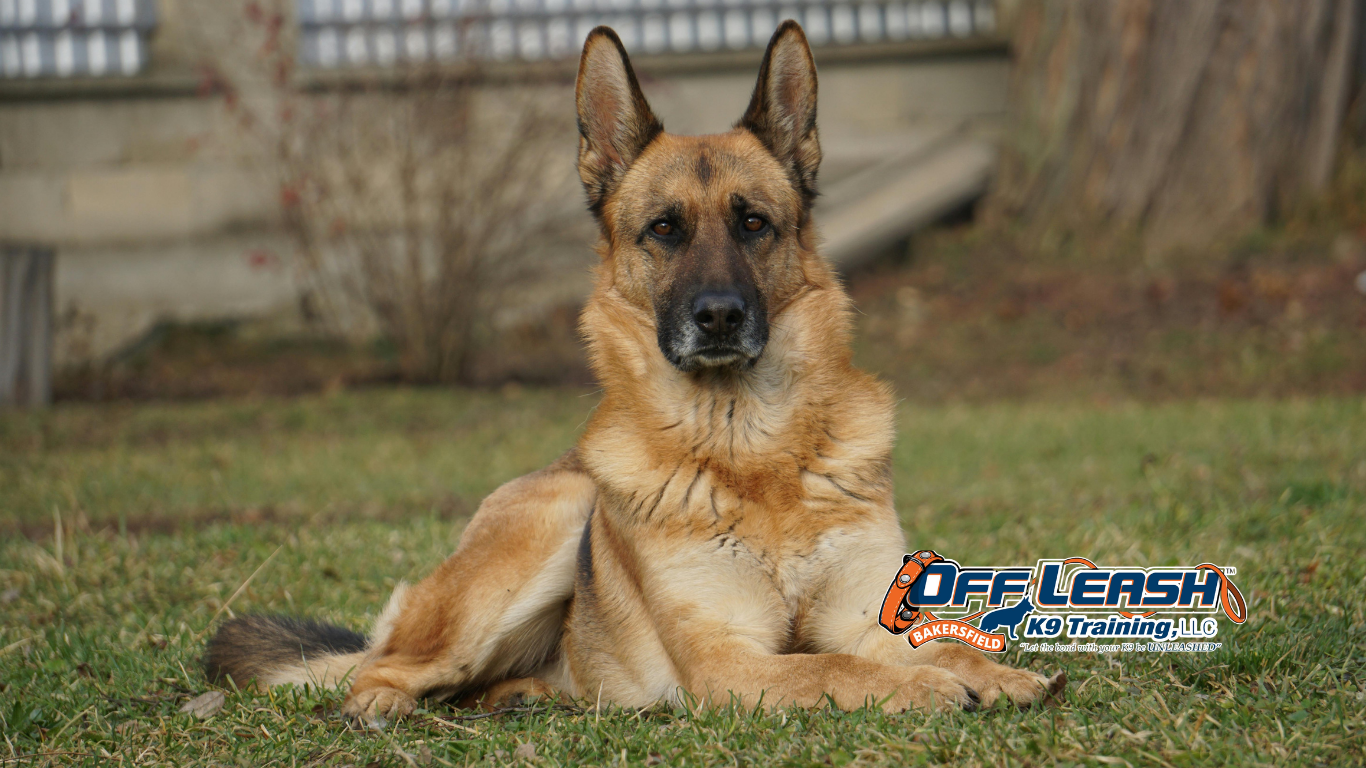
Dogs can display a variety of temperament types, each with its own unique characteristics. The “confident” temperament is often seen in breeds like the German Shepherd. These dogs are self-assured, willing to take charge, and adapt well to training.
Another common temperament is the “shy” type. Dogs with this personality may be reserved around strangers and new environments. They often need gentle encouragement and patience to gain confidence.
Then there’s the “energetic” temperament, frequently exhibited by breeds such as the Jack Russell Terrier. These dogs are lively, playful, and need plenty of physical and mental stimulation. They thrive in active households where they can burn off excess energy.
Lastly, the “laid-back” temperament is typical of dogs like Bulldogs. These dogs are easygoing, tolerant, and less likely to be affected by stress. Their calm nature makes them excellent companions in quieter homes.
Assessing your dog’s unique behavioral profile
Evaluating your dog’s behavior is the first step in understanding their unique profile. Observing how your dog reacts in different situations is key. Does your dog shy away from loud noises or new people?
Consider interactions with other animals. Does your dog get along well with other dogs, or do they show signs of aggression or fear? These observations are crucial in determining your dog’s temperament.
Studying your dog’s daily habits can provide additional insights. Note their energy levels at different times of the day. Are they more active in the morning, or do they prefer lounging around?
An important tool in this assessment is keeping a behavior journal. Documenting daily reactions and patterns helps to identify triggers and preferences. This journal can be shared with a trainer for tailored strategies.
Another method includes basic behavioral tests. Testing for reactions to commands and stimuli can reveal tendencies towards anxiety or confidence. Simple tests like “sit” and “stay” in varying conditions provide valuable data.
Finally, getting a professional’s input can refine your assessment. A vet or a dog behavior specialist can conduct a thorough evaluation. Their expertise ensures a more detailed understanding of your dog’s behavioral profile.
Trainer specializations and training methods explained
Dog trainers often have specific areas of expertise depending on their training methods. Positive reinforcement is a popular method where dogs are rewarded for good behavior. Trainers using this approach aim to encourage desirable actions through treats and praise.
Some trainers focus on behavior modification techniques. These methods are useful for dogs that exhibit problematic behaviors. Techniques include redirecting attention and correcting unwanted actions calmly.
Clicker training is another method used by many trainers. This technique involves using a clicker sound to mark desired behaviors. Once the dog associates the click with a reward, they learn quickly and effectively.
There are also trainers who specialize in obedience training. They work to instill discipline and follow commands. This method is particularly important for working dogs who need to follow instructions precisely.
Agility training is targeted at dogs with high energy and agility. Trainers teach dogs to navigate obstacle courses, improving their physical and mental skills. This type of training is perfect for breeds like Border Collies and Belgian Malinois.
Lastly, some trainers focus on socialization techniques. This is crucial for puppies and dogs that need to learn how to interact with others. Socialization training helps dogs become comfortable with different environments and beings.
Practical steps for matching your dog with the right trainer
Start by assessing your dog’s specific needs and temperament. This helps in identifying the type of trainer that will suit your dog best. Consider factors such as energy levels, behavior issues, and overall personality traits.
Research different trainers in your area and read reviews from other pet owners. Reviews provide insights into the trainer’s methods and success rate. Analyzing feedback helps narrow down your options.
Attend trial sessions with potential trainers to observe their interaction with your dog. This firsthand experience is crucial for judging compatibility. Pay attention to how your dog responds to the trainer’s techniques.
Seek recommendations from friends or family members who have had positive experiences with trainers. Personal referrals often lead to trustworthy choices. They can also give you an idea of what to expect.
Consider the trainer’s background and certifications. Qualified trainers have the expertise to handle diverse temperaments and behaviors. Certifications also indicate a commitment to professional standards.
Finally, evaluate the trainer’s approach to training. Ensure it aligns with your dog’s temperament and your own preferences. Compatibility between the trainer’s methods and your dog’s needs is key to successful training sessions.
Why the right trainer-dog match matters for long-term results
The relationship between your dog and their trainer is crucial for effective training. A good match ensures that the training is enjoyable and productive. When your dog is comfortable with their trainer, they are more likely to respond well to commands.
Consistency in training methods leads to lasting behavioral changes. A trainer who understands your dog’s temperament can tailor approaches specifically for them. This personalized method helps reinforce positive behavior over time.
A compatible trainer uses techniques that match your dog’s learning style. For example, some dogs thrive on rewards, while others respond better to verbal praise. The right approach enhances learning and retention of commands.
Long-term results are achieved when both the dog and trainer work harmoniously. Regular sessions with a well-matched trainer build trust and understanding. This foundation supports ongoing progress in your dog’s behavior.
Moreover, successful training improves the overall quality of life for both you and your dog. Reduced stress levels from fewer behavioral issues make home environments happier. Investing in a suitable trainer ensures sustained benefits for years to come.
Signals that indicate a trainer is a good fit (or not)
Knowing whether a trainer is a good fit for your dog involves observing several key signals. A positive sign is when your dog displays comfort and curiosity around the trainer. Tail wagging and relaxed body language are good indicators.
Effective trainers should exhibit patience and adaptability. They must be willing to adjust their methods to accommodate your dog’s needs. A rigid approach often fails to address unique temperaments and can result in frustration.
Communication between you and the trainer is also crucial. A good trainer provides clear instructions and is open to questions. If you feel informed and confident, your dog’s training journey is likely on the right track.
Look for trainers who use positive reinforcement techniques. Rewards and praise help solidify good behaviors. Trainers who rely on punishment or negative tactics can create fear and stress in your dog.
Another signal is the progress your dog makes during training sessions. Gradual improvements in behavior and command response show that the trainer’s methods are effective. Lack of progress, however, may suggest that the trainer isn’t a suitable match.
Lastly, consider the trainer’s reviews and testimonials. Positive feedback from other pet owners can validate the trainer’s effectiveness. Poor reviews may signal issues that could affect your dog’s training experience.
Adapting training strategies as your dog’s temperament evolves
As dogs grow and experience new environments, their temperaments can change. Adjusting training strategies to accommodate these shifts is essential for continued progress. Flexibility in training ensures that your dog remains engaged and responsive.
Start by regularly evaluating your dog’s behavior. Notice if they become more confident or exhibit new fears. These changes can signal the need for modifications in training methods.
Introduce new challenges gradually to match your dog’s evolving abilities. If your dog becomes more assertive, increase the difficulty of commands. This keeps them mentally stimulated and prevents boredom.
Maintain a positive reinforcement approach, even with evolving temperaments. Rewarding good behavior encourages your dog to adapt to new training strategies. Treats, praise, and playtime are effective motivators.
Communicate any changes with your trainer so they can tailor sessions accordingly. An experienced trainer can adapt easily to your dog’s changing needs. Regular feedback ensures that training remains effective and enjoyable.
Consistency is key, but be prepared to switch up routines as necessary. For example, a dog that starts showing increased energy may benefit from more active training sessions. Adaptations like these support long-term behavioral improvement.
Common challenges when trainer and temperament don’t align
A mismatch between your dog and their trainer can lead to several challenges. One common issue is a lack of progress in training. When methods don’t suit your dog’s temperament, they may struggle to learn new commands.
Frustration can build up in both the dog and the trainer. If a dog feels stressed or misunderstood, they may become uncooperative. Trainers who don’t adjust their tactics can also feel exasperated.
Behavioral problems might worsen instead of improving. For example, a shy dog may become more fearful if the trainer uses harsh methods. Conversely, an energetic dog might become hyperactive without sufficient engagement.
Communication breakdowns are another challenge. A trainer who doesn’t understand or listen to your dog’s signals may miss crucial cues. Effective communication is vital for recognizing and addressing your dog’s needs.
Trust issues might develop, complicating the training process. If your dog doesn’t feel secure with their trainer, their response to commands will be less reliable. Building trust is essential for a successful training relationship.
Lastly, mismatched training approaches can lead to inconsistent results. Dogs need clarity and consistency to thrive. Without these, they may show unpredictable behaviors, making long-term improvement difficult.
Frequently Asked Questions
Here are some common questions experts often ask about matching a dog’s temperament with the right trainer. These answers provide insights that are both engaging and straightforward, aimed at helping you understand the nuances of this process.
1. How can I tell if a trainer is using the right techniques for my dog?
Look for signs of progress and a positive attitude in your dog. If your dog seems happy and responsive during sessions, it’s a good sign the trainer’s techniques are working. Additionally, observe if the trainer adapts their methods as needed based on feedback from your dog.
Effective trainers should also explain their techniques and why they’re using them. Communication between you and the trainer is crucial. If the trainer can articulate their approach clearly and you see consistent improvements, the techniques are likely appropriate for your dog.
2. What are the benefits of positive reinforcement training?
Positive reinforcement training rewards your dog for good behavior, encouraging them to repeat these actions. This method builds a strong bond between you and your dog, making training sessions enjoyable and stress-free. Dogs tend to learn faster and retain commands better with this approach.
Additionally, positive reinforcement reduces the likelihood of behavioral issues. It promotes a happy and motivated dog, leading to a more harmonious relationship. Trainers using this method focus on encouraging good behavior rather than punishing bad behavior, which fosters a positive learning environment.
3. Can older dogs benefit from professional training?
Absolutely, older dogs can benefit from professional training just as much as puppies. Training can help address specific behavioral issues that might have developed over time. It also keeps older dogs mentally stimulated and active, which is beneficial for their overall well-being.
Older dogs may take a little longer to learn, but with patience and the right trainer, they can master new skills. The key is to find a trainer experienced with adult dogs and their unique needs. Tailored training sessions can significantly improve an older dog’s quality of life.
4. How does a trainer assess a dog’s temperament?
A trainer assesses a dog’s temperament through various observation techniques and behavioral evaluations. They watch how the dog reacts to different stimuli, such as new environments, people, and other dogs. This helps in identifying specific traits and behaviors that need addressing.
Trainers may also use specific tests or questionnaires to gather more information. They look for patterns in behavior that indicate levels of confidence, anxiety, or aggression. This comprehensive assessment helps the trainer develop a tailored training plan suited to the dog’s temperament.
5. What should I do if my dog isn’t responding well to the trainer?
If your dog isn’t responding well, it might be a sign that the training methods or trainer aren’t a good fit. Observe your dog’s behavior and look for signs of stress or discomfort. Discuss your concerns with the trainer to see if they can adapt their approach.
Sometimes a different trainer or method is necessary to match your dog’s unique needs. Don’t hesitate to seek a second opinion or try different trainers. Your dog’s comfort and progress are paramount, so finding the right match is essential for successful training.
Bringing It All Together
Finding the right match between your dog and a trainer is crucial for effective training. Understanding your dog’s temperament and researching suitable trainers can lead to a harmonious and productive relationship. This tailored approach ensures that your dog learns in a supportive environment.
Remember, a positive training experience benefits both you and your dog in the long run. Invest time in finding a compatible trainer to see continuous improvement and a happier pet. Consistency and the right techniques can transform your dog’s behavior, making life easier for everyone involved.
"*" indicates required fields