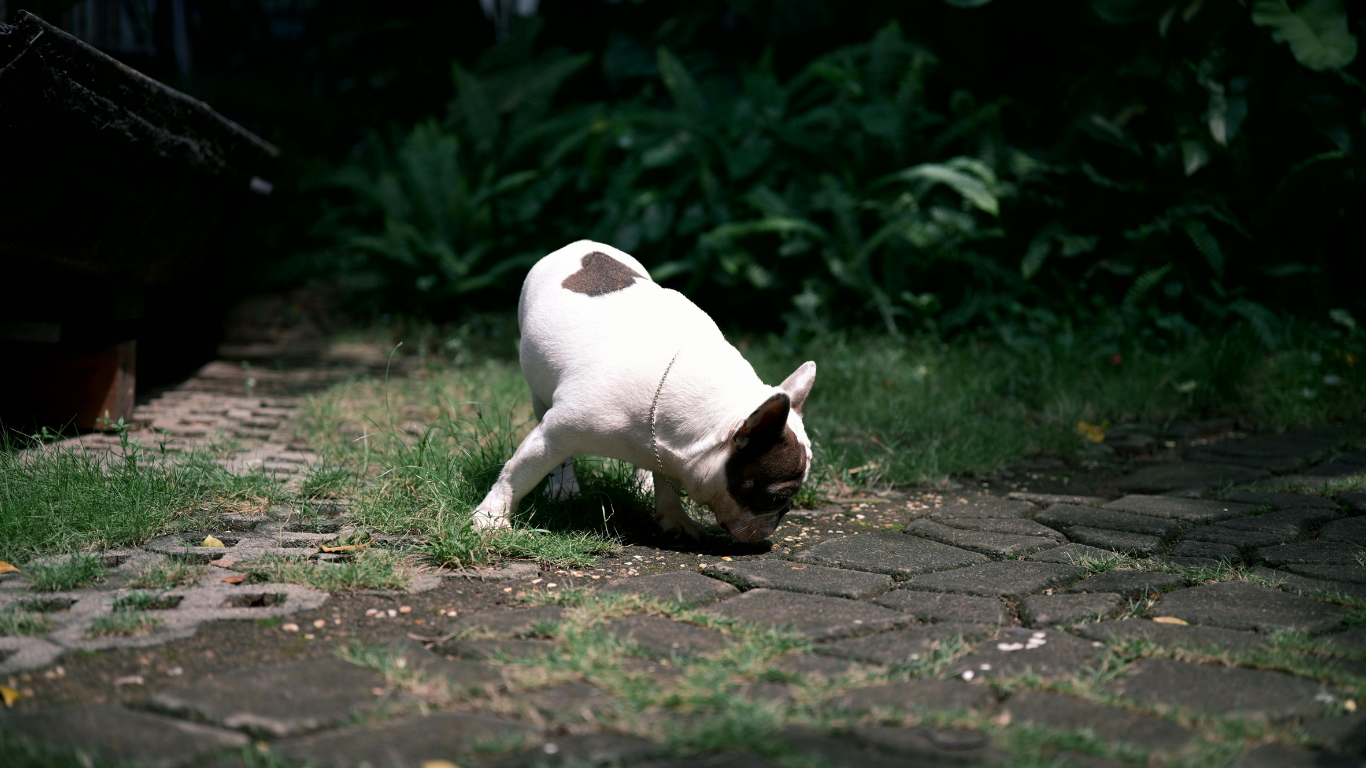
Potty Train: How Long Does It Take to Potty Train a Dog?
Potty training a dog can often feel like one of the most challenging aspects of pet ownership. Surprisingly, it can take anywhere from a few weeks to several months, depending on factors such as the dog’s age, breed, and individual temperament. Even experienced dog owners sometimes find themselves overwhelmed by the process.
History shows early domesticated dogs were often trained for various tasks, including eliminating waste in specific areas, demonstrating the importance of potty training even thousands of years ago. Statistics indicate that consistent training methods can reduce potty training time by almost 50%. Practical solutions like maintaining a regular feeding schedule and positive reinforcement are key to hastening the training process.
The duration for potty training a dog typically ranges from a few weeks to several months, depending on age, breed, and consistency of training methods. Puppies often take four to six months to be fully house-trained, while older dogs may require more time due to ingrained habits. Patience is crucial.
Potty Train: How Long Does It Take to Potty Train a Dog?
Potty training a dog generally takes anywhere from a few weeks to several months. The timeline varies based on factors like the dog’s age, breed, and consistency in training. Puppies usually learn faster compared to older dogs. Breeds with smaller bladders may require more frequent trips outside. Patience and routine are key elements in successful potty training.
Younger dogs and puppies often adapt quicker to potty training. Their ability to form habits more rapidly can reduce the overall training time. Older dogs might take a bit longer as they may have ingrained behaviors that need adjusting. The training environment also plays a crucial role. A calm and controlled setting can facilitate faster learning.
Consistent training methods are crucial for quicker results. Maintaining a regular feeding schedule helps in predicting potty times. Regular bathroom breaks, especially after meals, playtime, and naps, are essential. Reward-based training, where correct behaviors are immediately rewarded, is highly effective. It’s important to avoid punishing accidents, as it can lead to fear and confusion.
It’s crucial to note the individual temperament of each dog. Some dogs may need more time to understand and follow the new rules. Inconsistent routines can prolong the training period. Conversely, consistent reinforcement usually results in faster training success. Ultimately, every dog’s timeline will be unique, influenced by factors both intrinsic and environmental.
Key Factors Influencing Potty Training Duration
One significant factor is the age of the dog. Puppies tend to learn potty habits quicker than older dogs. This is partly due to their ability to form new habits faster. Older dogs may require more time to unlearn existing behaviors. Additionally, younger dogs can be more adaptable to new routines.
Breed plays a crucial role in determining potty training duration. Small dog breeds often have smaller bladders, needing more frequent bathroom breaks. Some breeds are also more stubborn or independent, which can extend training time. Conversely, breeds known for their intelligence may catch on faster. This variation makes it essential to tailor training to the dog’s specific needs.
Consistency in training methods is another critical element. Establishing a regular schedule for feeding and outdoor breaks helps the dog understand expectations. This predictability makes it easier for them to form good habits. Inconsistent routines, however, can confuse dogs and slow down the process. Stability and repetition are key to effective training.
The individual temperament of each dog should also be considered. Some dogs are naturally anxious or distractible, which can affect their ability to focus during training sessions. Positive reinforcement can help in such cases, providing motivation and building trust. Patience and understanding from the owner are equally important. Every dog is unique, and their training needs will vary accordingly.
Average Timeline for Dog Potty Training
The average timeline for potty training a dog typically ranges from a few weeks to several months. Puppies usually take four to six months to be fully house-trained. However, this can vary based on factors such as breed, age, and the consistency of the owner’s training methods. Smaller breeds might take longer due to their smaller bladders. Larger breeds often adapt more quickly to potty training routines.
Here is a general breakdown of potty training timelines:
- Puppies (8-12 weeks): 2-3 months
- Older puppies (3-6 months): 1-2 months
- Adult dogs: Varies widely depending on prior habits
Consistency significantly affects the training duration. Establishing a fixed schedule for feeding and bathroom breaks can drastically reduce the time needed. Training methods like crate training and positive reinforcement often speed up the process. Dogs learn faster when there are clear and consistent expectations. This approach helps them establish good habits more quickly.
On the flip side, inconsistent training or lack of routine can extend the timeline. Frequent changes in the dog’s environment or daily schedule can also slow down progress. It’s important to remain patient and committed during the potty training journey. Understanding that each dog is unique will help set realistic expectations. The key is constant and patient training.
Challenges and Solutions During Potty Training
One common challenge during potty training is dealing with accidents inside the house. Dogs, especially pups, may not yet understand that going outside is the goal. This can be frustrating for owners. Consistently cleaning up accidents with an enzymatic cleaner can help. These cleaners remove the scent, preventing dogs from returning to the same spot.
Inconsistent routines can confuse a dog and slow progress. Dogs thrive on predictability, and varying schedules can make training harder. Sticking to a regular feeding and bathroom break schedule is crucial. Using a timer to remind you can be helpful. This consistency aids dogs in forming reliable habits.
Distractions can be another significant hurdle. Busy households or noisy environments can divert a dog’s attention. Finding a quiet and calm space for potty breaks can mitigate this issue. Patience is key, as some dogs need extra time to focus. Slowly introducing distractions once the dog has mastered the basics can be beneficial.
Another frequent problem is understanding the dog’s body language. Dogs often give subtle signals when they need to go out. Learning to recognize these signs can prevent accidents. Common signals include sniffing, circling, and whining. Promptly responding to these behaviors can reinforce the desired habit.
Crate training can also help manage potty training challenges. Dogs naturally avoid soiling their sleeping area. Introducing a crate as a safe, comfortable space can create a structured environment. This helps dogs learn control. Gradually increasing crate time builds their ability to hold their bladder.
Some dogs may be more stubborn or anxious. Positive reinforcement, such as treats and praise, encourages desirable behavior. Avoiding punishment is crucial, as it can foster fear and confusion. With patience and understanding, these challenges can be tackled effectively. Every dog will adjust at its own pace, and supportive methods yield the best outcomes.
Potty Training Methods and Best Practices
One effective potty training method is crate training. Dogs naturally avoid soiling their sleeping area, making crates a useful tool. Start by making the crate a comfortable space for your dog. Introduce it gradually and use it for short periods initially. This method encourages bladder control.
Another reliable approach is maintaining a consistent schedule. Regular feeding times and planned bathroom breaks help your dog understand when to go outside. This predictability creates a routine that dogs can rely on. Over time, they learn to anticipate and wait for their designated potty times. Consistency is key to embedding these habits.
Positive reinforcement plays a significant role in successful potty training. Reward your dog immediately after they go outside. Use treats, praise, or play to reinforce good behavior. This immediate feedback helps them associate the act with a positive outcome. Avoid punishing accidents, as it can lead to confusion and anxiety.
Introducing gradual distractions is another best practice. Once your dog is comfortable with basic potty training, slowly expose them to new environments. This can include different surfaces like grass, gravel, or pavement. It helps the dog understand that the bathroom rules apply everywhere. This builds flexibility and confidence.
Using command words can also be helpful. Phrases like “go potty” or “do your business” give your dog clear signals. Use these commands consistently every time you take them outside. Over time, the dog will learn to associate the words with the act of going to the bathroom. This can make potty training more efficient.
Accidents are a normal part of the process. Clean up any mess promptly with an enzyme cleaner to remove odors. This prevents your dog from being drawn back to the same spot. Patience and persistence are essential. Remember that setbacks are part of learning, and each dog progresses at their own pace.
Monitoring Progress and Measuring Success
Monitoring your dog’s progress is crucial in the potty training journey. Keep a log of bathroom breaks, noting the times and locations of successful attempts. This helps identify patterns and adjust the training schedule accordingly. Consistency in recording information makes it easier to track improvements. It also highlights areas that need more focus.
Visible signs of success include fewer accidents and longer intervals between bathroom breaks. Celebrate these milestones to encourage your dog. Positive reinforcement strengthens good behavior. Acknowledging progress helps maintain motivation for both the dog and the owner. It creates a positive training environment.
If setbacks occur, don’t be discouraged. Re-evaluate the training routine and identify potential issues. It could be inconsistent scheduling or environmental distractions. Addressing these factors can get the training back on track. Patience and persistence are key during these times.
Here are some criteria to measure success:
- Frequency of accidents decreases
- Dog openly signals when needing to go out
- Reliable adherence to a bathroom schedule
- Positive response to command words
- Comfortable with different bathroom surfaces
Regular check-ins with a veterinarian can also offer insights. They can provide tips and adjustments based on your dog’s health. Monitoring weight, diet, and general behavior contributes to a more effective training program. Professional advice ensures you’re on the right track. Partnering with an expert can streamline the training process.
Frequently Asked Questions
Potty training a dog involves many common concerns and questions. Below are five critical queries and their detailed answers to guide you through the process.
1. What signs indicate that a dog needs to go potty?
Signs that a dog needs to go potty include sniffing around, whining, circling, and heading towards the door. Dogs may also show restlessness or start pawing at you. These behaviors are their way of communicating their need to relieve themselves.
Recognizing these signs early allows for timely outdoor breaks, preventing accidents. Over time, you’ll become more attuned to your dog’s specific signals. This observation helps reinforce the training process. Understanding and responding appropriately to these signs are key to successful potty training.
2. How can crate training help in potty training a dog?
Crate training helps by creating a safe space for the dog where they will not want to soil. Dogs instinctively avoid messing their sleeping area. Using a crate encourages them to hold their bladder until they are taken outside.
Introduce the crate gradually, making it a positive environment. Consistent use of the crate, especially when you’re not around, helps build bladder control. Over time, the dog learns to associate the crate with security and routine. This method significantly supports potty training efforts.
3. What are the best times to take a dog outside for potty breaks?
The best times to take a dog outside are first thing in the morning, after meals, and before bedtime. They should also go out after waking from naps and after playtime. Puppies often need more frequent trips outside due to their smaller bladders.
Regular and consistent potty breaks help reinforce good habits. This approach creates a predictable schedule that aligns with the dog’s natural needs. Sticking to these times aids in developing a reliable routine for the dog. This consistency is crucial in effective potty training.
4. Can older dogs be potty trained effectively?
Older dogs can be potty trained effectively, though it may take more time and patience. They might have established habits that need adjustment. Consistent training methods and positive reinforcement are crucial to success.
Understand the dog’s history and any past training they may have had. Adjust strategies as needed, ensuring a routine that fits their needs. With commitment, even older dogs can learn new potty habits. Tailoring the approach to the dog’s specific requirements makes the process smoother.
5. How does diet influence potty training in dogs?
Diet significantly impacts potty training as it affects the dog’s digestion and elimination patterns. A consistent feeding schedule leads to predictable potty times. High-quality, balanced diets promote healthy digestion, reducing the risk of irregular potty habits.
Avoid feeding your dog random treats or table scraps that can upset their stomach. Regular meals help in establishing a reliable potty routine. Monitor their diet closely to identify any food-related issues that may affect potty behavior. Consistent and appropriate diet management supports effective training.
Conclusion
Potty training a dog requires consistency, patience, and understanding of the individual dog’s needs. Utilizing effective methods such as crate training, scheduled potty breaks, and positive reinforcement ensures successful outcomes. Remember that each dog is unique, and their training timeline may vary.
Challenges are a normal part of the process, but with dedication and the right strategies, they can be overcome. Observing your dog’s behavior and adapting your approach accordingly can make the journey smoother. Ultimately, the bond between you and your dog will strengthen through this shared experience.
"*" indicates required fields