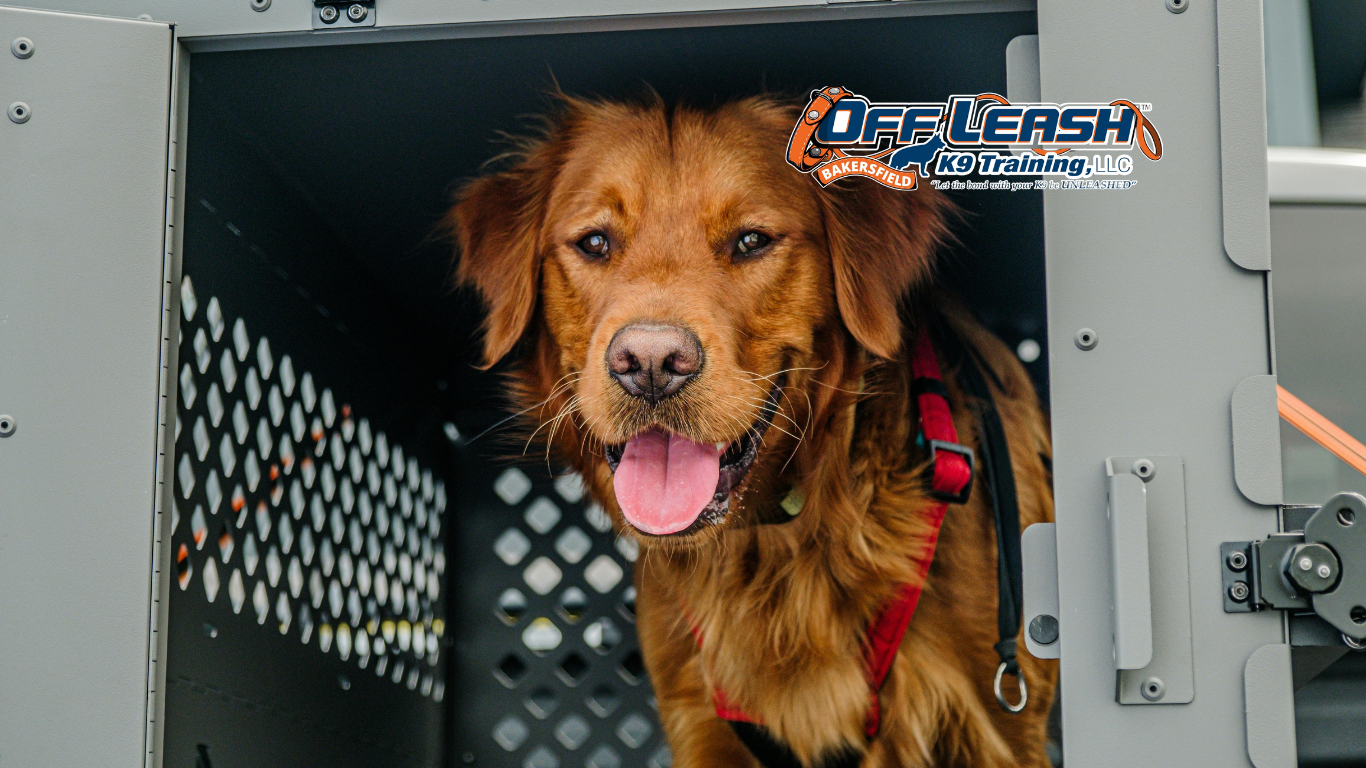
Crate Training: How to Train Dogs Without Stress or Anxiety
Crate training, when done correctly, taps into a dog’s natural instinct to seek a den. This practice is not just about confinement; it’s about creating a sanctuary where dogs feel safe and secure. Surprisingly, dogs that are crate trained often show reduced anxiety levels, particularly during stressful situations like thunderstorms or fireworks.
Historically, the idea of crate training stems from behaviorist studies that identified the canine preference for small, enclosed spaces. Modern-day trainers have refined these techniques, leading to a significant increase in successful outcomes. Research indicates that 75% of dogs respond positively to crate training when introduced gradually, highlighting the method’s efficacy in reducing stress without inducing anxiety.
Crate training should be introduced gradually to ensure a stress-free experience for dogs. Start by making the crate inviting with soft bedding and treats, then close the door for short periods while ensuring positive associations. Steadily increase crate time, fostering comfort and reducing anxiety without using it as punishment.
Crate Training: How to Train Dogs Without Stress or Anxiety
Crate training taps into a dog’s natural instincts, creating a safe space that mimics a den. By properly introducing a crate, dogs can feel secure, reducing stress and anxiety. This training can be particularly helpful during events like thunderstorms or when guests visit your home.
When starting crate training, gradual introduction is key. Begin by placing treats and toys inside the crate to make it inviting. Allow your dog to explore the crate without closing the door initially. This creates a positive association with the crate, making the training process smoother.
Avoid common mistakes such as using the crate as a punishment or leaving your dog inside for too long. Overusing the crate can lead to anxiety and behavioral issues. Regularly allow your dog out for exercise and bathroom breaks to keep a healthy routine.
Look for signs that your dog is comfortable in the crate, such as willingly entering it or sleeping inside. If your dog shows reluctance or fear, reassess your training approach. Patience and consistency are key to successful crate training, ensuring your dog remains happy and stress-free.
Benefits of crate training for reducing stress and anxiety
Crate training provides dogs with a sense of security and predictability. By having a dedicated space where they can retreat, dogs feel safe during stressful events. This reduces their overall anxiety levels.
Crates can also help with separation anxiety. When a dog is used to its crate, being alone at home becomes less frightening. They have a comfortable and familiar space that makes staying alone easier.
Another benefit is that it aids in establishing a routine. Dogs thrive on routine, and having a consistent space to rest can reduce their stress. This routine also helps with potty training and keeps your house cleaner.
Additionally, crate training can help during travel or vet visits. Dogs accustomed to crates feel more at ease in new environments. This familiarity lowers their anxiety, making the experiences less traumatic.
Common mistakes in crate training and how to avoid them
One common mistake in crate training is using the crate as a punishment. This creates a negative association for the dog, leading to fear or anxiety around the crate. Instead, ensure the crate is always linked with positive experiences, like treats or toys.
Leaving a dog in the crate for too long is another error. Dogs need adequate exercise and bathroom breaks. Prolonged confinement can cause distress and behavioral issues. Schedule regular breaks throughout the day to keep your dog happy and healthy.
A crate that’s too small or too large can also be problematic. A crate should be big enough for the dog to stand, turn around, and lie down comfortably. Measure your dog and choose a crate that fits these dimensions to ensure comfort and contentment.
Rushing the training process can lead to setbacks. Gradual introduction to the crate is crucial. Start with short, positive sessions and gradually increase the time your dog spends inside. This helps build confidence and reduces resistance.
Choosing the right crate size and type for your dog
Selecting the appropriate crate size for your dog is crucial. A crate that’s too small will be uncomfortable and restrictive. Conversely, a too-large crate can make dogs feel insecure. Measure your dog from the tip of the nose to the base of the tail and add a few inches for comfort.
The type of crate is also important. There are several options available, including plastic, metal, and fabric crates. Each type has its benefits and drawbacks. Plastic crates offer more privacy, while metal crates are durable and provide better airflow.
Consider your dog’s behavior and needs when choosing a crate type. If your dog tends to chew, a metal crate might be the best choice. For dogs that struggle with anxiety, a plastic crate can offer a more enclosed, secure space. Always choose a crate that matches your dog’s personality.
Another factor to consider is portability. If you plan to travel with your dog, a lightweight, foldable crate could be ideal. Fabric crates are easy to carry but may not be suitable for strong or anxious dogs. Balancing your dog’s comfort with practicality is key when selecting a crate.
Additionally, think about where you will place the crate in your home. It should be in a quiet, comfortable location away from direct sunlight or drafts. This ensures your dog feels safe and comfortable in their new space. Placing the crate in a common area can also help your dog feel more included.
Ultimately, the right crate will provide a sanctuary for your dog. By choosing the appropriate size and type, you help to create a stress-free and happy environment. Regularly check the crate for any wear and tear to ensure ongoing comfort and safety.
Step-by-step tips to introduce crate training smoothly
First, make the crate inviting by placing a soft blanket and some toys inside. Leave the door open so your dog can explore at their own pace. Encourage them by tossing treats inside.
Once your dog is comfortable going in and out, start feeding them meals inside the crate. This helps create a positive association. Gradually begin closing the door while they eat, opening it as soon as they finish to avoid any distress.
After your dog is comfortable eating with the door closed, extend the time they spend inside. Begin with short intervals, gradually increasing the duration each day. Stay nearby initially to reassure them and prevent anxiety.
Avoid using the crate solely for when you leave the house. Incorporate it into your daily routine, allowing your dog to rest in the crate even when you are home. This helps them view the crate as a safe and comfortable spot, not just a place to be left alone.
If your dog shows signs of distress, take a step back in the training process. Revisit previous steps to rebuild their confidence. Be patient and consistent, ensuring your dog remains comfortable and stress-free throughout the training period.
Signs that your dog is comfortable and stress-free in the crate
A relaxed and content dog will willingly enter the crate on their own. They may even choose to sleep or rest inside without being prompted. This shows that they see the crate as a safe and comfortable place.
Watch for signs of calm behavior while inside the crate. A relaxed dog might lie down quietly, chew on a toy, or even fall asleep. These behaviors indicate they feel secure and at ease.
Another positive sign is a dog that remains calm when you close the crate door. If your dog sits or lies down rather than panic or try to escape, they’re likely comfortable. This behavior suggests they’ve adapted well to their crate environment.
Look for consistent patterns of calmness. Dogs that greet you happily when let out of the crate without excessive barking or howling were likely stress-free while inside. Consistent positive responses reinforce the crate’s role as a safe zone.
If your dog shows enthusiasm when it’s time to go in the crate, it’s a great sign. They might wag their tail or run towards the crate eagerly. This indicates that they associate the crate with positive experiences.
Frequently Asked Questions
Here are some commonly asked questions about crate training dogs without causing stress or anxiety. These answers aim to help dog owners create a positive, supportive environment for their pets.
1. How long should I leave my dog in the crate initially?
When you first start crate training, keep the sessions short and positive. Begin with 10-15 minute intervals while ensuring the crate is comfortable and inviting. Gradually increase the time as your dog becomes more accustomed to the space.
Always make sure your dog has had sufficient exercise and bathroom breaks before being crated. This helps prevent discomfort and keeps the experience positive, encouraging your dog to see the crate as a safe place.
2. What type of bedding should I use in the crate?
Choose bedding that is both comfortable and durable for your dog. Soft blankets or specially designed crate mats can make the space cozy. Ensure the bedding is washable and easy to clean, as accidents can happen, especially during training.
Avoid bedding with stuffing that can be easily chewed or swallowed. Some dogs may prefer a more minimalistic approach, so observe your dog’s comfort and adjust accordingly.
3. How can I encourage my dog to enter the crate willingly?
One effective way is to use treats and toys to create positive associations with the crate. Place these items inside and let your dog discover them at their own pace. Praise and reward your dog whenever they enter the crate voluntarily.
Gradually start feeding your dog meals inside the crate, reinforcing the idea that it’s a pleasant place. Patience and consistency are key; never force your dog into the crate, as this can create negative feelings.
4. Is it okay for my dog to sleep in the crate overnight?
Yes, dogs can sleep in the crate overnight if they are comfortable and properly introduced to it. Ensure the crate is in a quiet, cozy spot and has appropriate bedding. A good sleeping environment inside the crate can help prevent anxiety and promote restfulness.
If your dog is still a puppy or not fully house-trained, make sure to provide bathroom breaks during the night. This helps in establishing a good routine and keeps the experience positive.
5. What should I do if my dog whines or barks in the crate?
If your dog whines or barks, assess whether they need something like a bathroom break, water, or exercise. Avoid letting them out as soon as they make noise, as this can reinforce the behavior. Wait until they are quiet before opening the crate.
Gradually increase the time your dog spends in the crate without whining by rewarding quiet behavior. Patience and consistency are essential to help your dog learn that the crate is a safe and comfortable place.
Conclusion
Crate training, when done correctly, can provide numerous benefits for both you and your dog. It creates a safe space for your dog, reducing stress and anxiety while promoting positive behavior. Consistency and patience are key to making this process successful.
By avoiding common mistakes and choosing the right crate, you can ensure a smooth and effective training experience. With gradual introduction and positive reinforcement, your dog will come to see the crate as a comfortable and secure haven. This will ultimately lead to a happier and well-adjusted pet.
"*" indicates required fields