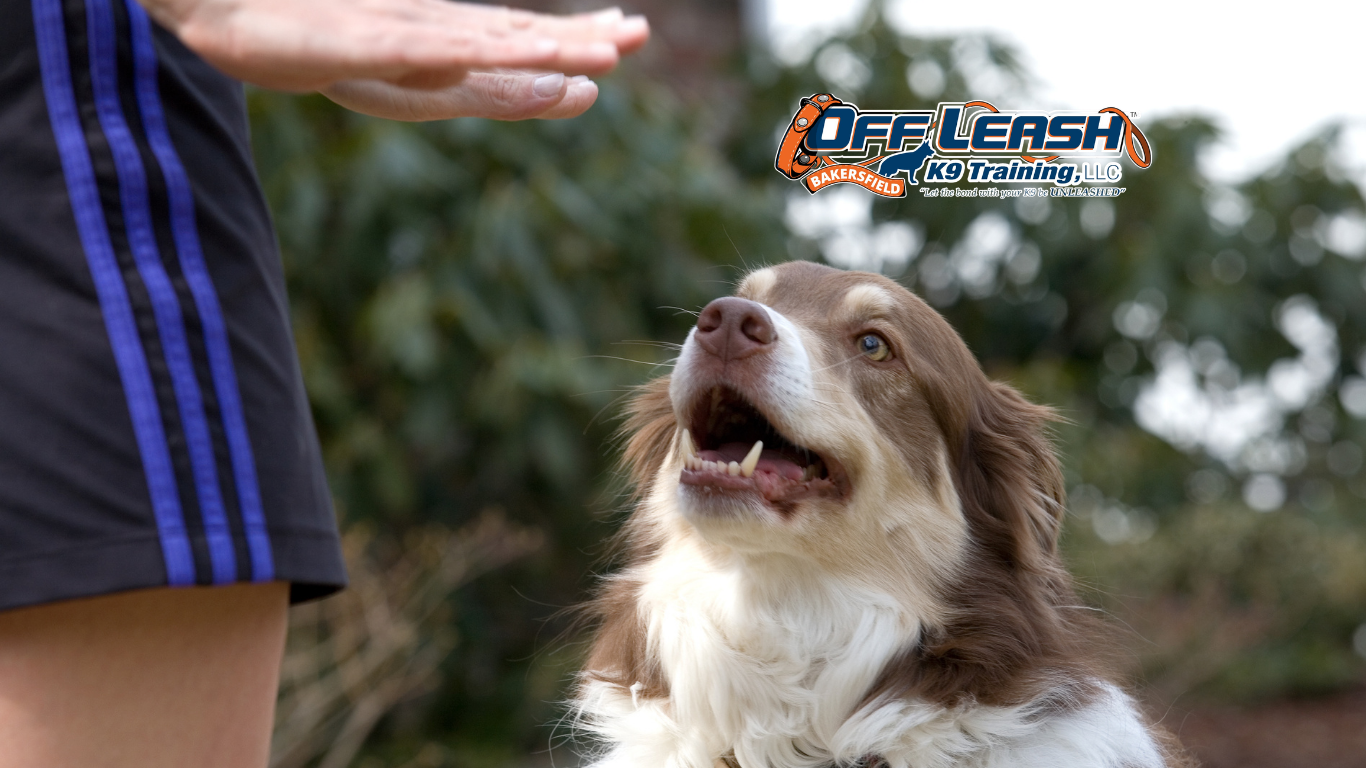
Without Verbal Commands: Training Dogs to Respond Reliably
According to research, dogs can understand an average of 165 words. But what if they didn’t need to rely on verbal commands at all? This brings us to exploring the fascinating world of non-verbal communication techniques to train our canine companions, enhancing their responsiveness without uttering a single word.
The concept of training dogs without verbal commands dates back to practices used in silent service dog training. By leveraging body language, hand signals, and consistent routines, trainers can achieve remarkable outcomes. Remarkably, studies have shown these methods can result in a 95% success rate in obedience when done consistently.
Training dogs without verbal commands involves using consistent hand signals, body language, and positive reinforcement techniques. These methods enhance communication, reduce stress, and are effective for dogs with hearing impairments. Consistency in signals and regular practice in various environments is key to ensuring reliable responses from the dog.
Without Verbal Commands: Training Dogs to Respond Reliably
Training dogs without using verbal commands might seem challenging at first. However, this technique focuses on the strong visual learning abilities of dogs. By using hand signals, facial expressions, and body language, owners can effectively communicate with their pets. This method is especially useful for dogs that are hard of hearing or deaf. It also strengthens the bond between the dog and the owner through more attentive interactions.
Understanding the basics of non-verbal training is essential. This involves using consistent hand signals for each command. For instance, raising an open palm can mean “stay” while pointing downward might mean “sit.” It’s important to be consistent so the dog associates specific actions with each signal. Over time, the dog learns to respond quickly to these cues.
One of the initial steps in non-verbal training is rewarding good behavior. Positive reinforcement can include treats, petting, or toys. This encourages the dog to repeat the desired behavior. Here are some common rewards:
- Treats
- Verbal praise
- Extra playtime
- Petting and affection
Consistency in rewards will help the dog understand what is expected.
There are several benefits to training without verbal commands. It reduces noise and stress for both the dog and the owner. Additionally, it helps in environments where verbal commands might not be practical, like in noisy areas. This method also improves focus, as dogs pay closer attention to their owner’s movements. Overall, non-verbal training makes for a calm and obedient pet.
Key principles of non-verbal dog training
One crucial principle of non-verbal dog training is consistency. Dogs thrive on routine and predictability, so using the same hand signals and body language repeatedly is essential. This consistency helps dogs understand and remember commands better. Another key element is patience, as dogs may take time to adjust to a new method. Maintaining a calm and composed demeanor is also very important.
Body language is a powerful tool in non-verbal training. Dogs are naturally adept at reading human body movements and gestures. For instance, a sweeping arm movement can signal the dog to come towards you. Similarly, turning your back and walking away can indicate “heel” or “follow.” It’s vital to be aware of your body posture and movements at all times during training sessions.
Positive reinforcement is another key principle in non-verbal dog training. Instead of using words, rewards like treats, toys, or affection should be used to encourage good behavior. Here are a few effective rewards:
- Treats
- Playtime with a favorite toy
- Gentle petting or scratching
- Extra outdoor time
This helps the dog associate positive feelings with the correct actions.
Lastly, regular practice is essential for success in non-verbal training. Daily training sessions, even if they are short, help reinforce the commands. Practicing in different environments also ensures the dog responds reliably regardless of the setting. This gradual exposure makes the learning process smoother and more effective over time. Regular practice cements the bond between the dog and the trainer.
Benefits of silent communication techniques for dogs
Silent communication techniques offer a range of benefits for both dogs and their owners. These methods reduce reliance on verbal commands, making training more inclusive for dogs with hearing impairments. Furthermore, the absence of verbal cues creates a quieter training environment, which can be less stressful for anxious dogs. Owners may find this approach more relaxing as well. The quiet atmosphere helps improve focus and attention.
Another significant advantage is the enhancement of the human-dog bond. Using body language and hand signals requires more attention and interaction. This deepens the relationship between the dog and the owner. Dogs learn to understand their humans better, making communication smoother and more intuitive. Over time, this mutual understanding fosters a stronger, trusting bond.
Silent communication also provides versatility and adaptability. Whether in a noisy park or a busy street, these techniques ensure commands are still effective. Some useful silent commands include:
- Hand signals
- Facial expressions
- Body positioning
Such versatility makes it easier to manage dogs in diverse environments, ensuring their safety and well-being.
Moreover, these techniques can improve a dog’s overall mental sharpness. Learning to interpret non-verbal cues stimulates the dog’s cognitive abilities. This mental exercise is crucial for keeping dogs engaged and challenged. Active brains lead to happier, more content dogs. Silent communication methods contribute significantly to the mental and emotional health of canine companions.
Tools and signals used in non-verbal training
Non-verbal training often includes a variety of hand signals. Common hand signals are straightforward and easy for dogs to understand. For instance, a raised hand can signify “stay,” while a pointed finger indicates “sit.” These visual cues help dogs recognize commands even in noisy environments. Consistency in using these signals is key to effective training.
Body language also plays a crucial role in non-verbal communication. The way you position yourself can convey different messages to your dog. Facing your dog directly can signal them to pay attention. Turning your back and walking away might mean “come” or “follow.” These subtle cues are invaluable for training without words.
Clicker training is another useful tool in non-verbal training. Clickers provide a distinct sound that dogs quickly learn to associate with positive reinforcement. Using a clicker, you can mark the exact moment your dog performs the desired behavior. Combining this sound with treats or toys reinforces learning. Over time, the dog connects the click with a reward.
Visual aids like flags or flashcards can be beneficial for advanced training. These tools can help dogs understand specific tasks or commands from a distance. For example, waving a small flag can serve as a signal for “come.” These aids are particularly useful for training dogs that may have hearing impairments.
To keep your dog engaged and attentive, you can employ a variety of rewards. Rewards can be tangible, like treats, or intangible, such as praise and affection. Here’s a simple list of effective rewards:
- Favorite treats
- Playtime
- Gentle petting
- Excited praise
Using a mix of rewards keeps the dog motivated and eager to learn new commands.
Common challenges in silent dog training
One common challenge in silent dog training is the initial adjustment period. Dogs accustomed to verbal commands may find it hard to adapt to hand signals and body language. Patience is key, as it can take some time for dogs to understand new forms of communication. During this phase, consistency is crucial. Frequent practice in varying environments helps the dog adjust faster.
Distractions can significantly affect the effectiveness of non-verbal training. External stimuli like passing cars, other animals, or loud noises can divert a dog’s attention. Maintaining the dog’s focus becomes harder in such situations. It’s beneficial to start training in a quiet, controlled environment. Gradually introducing distractions helps improve the dog’s ability to respond reliably.
Misinterpretation of signals is another challenge. Dogs might confuse similar hand signals or body movements. Clear and distinct signals are essential to avoid confusion. For instance, pairing the hand signal with a gentle touch on the dog’s shoulder can give extra clarity. Reinforcing the correct response with rewards minimizes mistakes.
Training multiple dogs simultaneously can complicate silent communication. Each dog might interpret signals differently, making individual training sessions necessary. Ensuring each dog understands the commands individually before group training is effective. Using unique signals for each dog can also help distinguish commands.
Consistency among all family members is vital for successful non-verbal training. If one person uses different signals, it can confuse the dog. Making sure everyone uses the same hand signals and body language is essential. Family meetings or training sessions can help unify the approach. Consistent practice across various handlers solidifies the dog’s learning.
Case studies of dogs trained without verbal cues
One notable case involves a service dog named Bella, trained entirely through silent cues. Bella’s owner, Emma, is deaf and needed a dog that could respond reliably to non-verbal signals. Through consistent use of hand signals and body gestures, Bella learned essential commands such as “sit,” “stay,” and “fetch.” Emma used rewards like treats and petting to reinforce these behaviors. Bella’s training has made her an indispensable companion for Emma.
Another example is Max, a rescue dog who had difficulty responding to verbal commands. His trainer, John, decided to experiment with non-verbal communication. Using a combination of hand signals and clicker training, Max quickly learned new commands. This approach also helped calm his anxiety. Over time, Max became more obedient and confident in various settings.
In a unique case, Luna, a therapy dog, was trained to assist children with autism. The children often found verbal commands overwhelming. Luna’s trainer used visual aids like flashcards along with hand signals to communicate commands. This method proved highly effective. Luna became a calm presence during therapy sessions, helping the children engage more freely.
A group training scenario involved multiple dogs in an animal shelter. The shelter’s staff employed silent training techniques to make the dogs more adoptable. They used a standardized set of hand signals coupled with positive reinforcement.
- A raised palm for “stay”
- A sweeping motion for “come”
- A finger point for “sit”
These consistent signals improved the dogs’ behavior, increasing their chances of finding forever homes.
Lastly, Leo, a senior dog with hearing loss, benefited greatly from silent training. His owner, Sarah, used exaggerated movements and facial expressions to communicate. Leo’s responsiveness improved dramatically. This method not only enhanced Leo’s quality of life but also strengthened his bond with Sarah. These case studies illustrate the versatility and effectiveness of non-verbal training methods.
Frequently Asked Questions
These questions will help you understand the principles and benefits of training dogs without verbal commands. They provide insights into methods and best practices for effective non-verbal communication with your pet.
1. Why are hand signals effective in dog training?
They quickly associate specific gestures with commands when consistently rewarded. This form of communication is useful in noisy environments and for dogs with hearing impairments. It also requires the dog to focus closely on the trainer’s movements.
Over time, dogs learn to respond reliably to these signals. This type of training strengthens the bond between the dog and the owner. It promotes better behavior and enhances obedience. Consistency in using these signals is crucial for effective communication. With practice, dogs can master numerous hand-signal commands effectively.
2. What challenges come with silent dog training?
One major challenge in silent dog training is the initial adjustment phase. Dogs used to verbal commands may find it difficult to adapt. Distractions in the environment can also hinder the learning process. It’s important to start training in a quiet, controlled setting. Gradually introducing distractions helps the dog become more adaptable.
Misinterpretation of signals is another common issue. Similar hand signals or movements might confuse the dog. Clear, distinct signals paired with positive reinforcement minimize mistakes. Ensuring consistency among all family members using the same signals can prevent confusion. These challenges require patience and perseverance for successful training.
3. How can visual aids help in dog training?
Visual aids like flashcards or flags can be incredibly useful in dog training. These tools can be seen from a distance, making them handy for specific tasks. For example, waving a flag can signal the dog to come. Flashcards can be used for commands like “sit” or “stay.” They provide an extra layer of clarity in communication.
Using visual aids helps dogs with hearing impairments or those that struggle with verbal commands. These tools make training sessions more engaging and easier to understand. Combining visual aids with hand signals ensures effective learning. Dogs quickly learn to associate these aids with specific commands. This method enhances the training process.
4. How does silent training benefit anxious dogs?
Silent training can greatly benefit anxious dogs by creating a quieter environment. Reducing the auditory stimuli helps minimize their anxiety. This method makes it easier for anxious dogs to focus and feel calm. The silent interaction decreases stress and improves obedience. It also leads to more attentive and relaxed behavior.
Silent training involves gentle hand signals and body language. These non-verbal cues are less overwhelming for anxious dogs. Positive reinforcement with rewards like treats and affection encourages good behavior. Regular practice and patience lead to notable improvements. Anxious dogs often respond better to silent cues, feeling more secure and confident.
5. Are there specific tools for non-verbal dog training?
Yes, specific tools like clickers, visual aids, and specialized training flags can be effective. Clicker training offers a distinct sound to mark desired behaviors. Visual aids like flashcards help with commands; flags can be seen from afar for tasks like “come.” Using these tools enhances the dog’s learning experience. They offer clear, non-verbal cues.
Consistency in using these tools is crucial. Each tool must be paired with appropriate rewards for reinforcement. Dogs quickly associate these non-verbal signals with specific commands. Training sessions become more effective and engaging with these aids. These tools are particularly helpful for dogs with hearing impairments or those struggling with verbal commands.
Conclusion
Training dogs without verbal commands is a practical and effective approach. Through consistent use of hand signals and body language, dogs can learn to respond reliably. This method is particularly useful for dogs with hearing impairments.
Silent communication techniques not only improve obedience but also strengthen the bond between pets and their owners. These techniques create a calm training environment, reducing stress for both the dog and the trainer. Overall, implementing non-verbal cues in dog training offers numerous benefits.
"*" indicates required fields