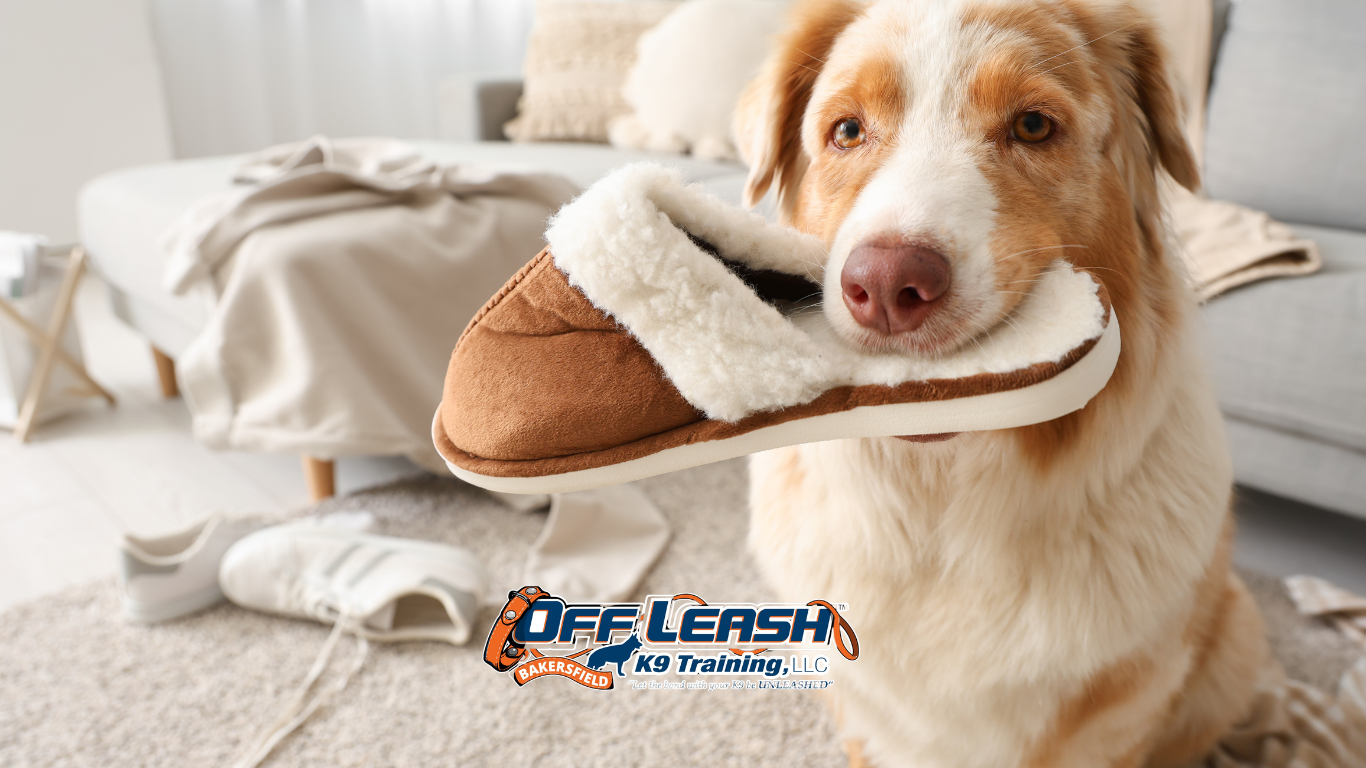
Stealing Household Items: Fixing Dog Behavior at Home
Have you ever witnessed a pet owner’s desperation as they retrieve a chewed-up shoe or missing remote control from their dog’s mouth? It’s a common issue, baffling many professionals in the pet care industry. In fact, research suggests that more than 40% of dog owners face behavioral problems related to dogs stealing household items.
To tackle this issue, it’s essential to understand a dog’s motivation to steal. Historically, dogs have scavenged for food, which can translate into stealing items at home. Implementing training techniques such as positive reinforcement can be highly effective, with studies showing a 30% reduction in problematic behaviors. This approach not only addresses the root cause but also fosters a positive environment for both the dog and the owner.
- Identify the reasons behind your dog’s stealing behavior.
- Remove and secure tempting household items.
- Provide alternative toys and engaging activities.
- Train with consistent commands and responses.
- Reinforce positive behavior using rewards like treats or praise.
- If needed, consult a professional trainer for specialized assistance.
How to Stop Dogs From Stealing Household Items
Understanding why your dog steals is the first step to addressing the issue. Just like humans, dogs have their reasons for every action. Whether it’s out of boredom, anxiety, or the natural instinct to scavenge, pinpointing the motivation helps in tailoring the right solution. Once you understand the behavior, you can take appropriate steps to remedy it. This makes the entire process more effective and less frustrating for both you and your pet.
One effective way to prevent dogs from stealing items is to secure and remove temptations. Ensure that commonly stolen items like shoes, remote controls, and food are kept out of reach. Using baby gates or closing doors can help limit your dog’s access to these items. By minimizing the opportunities for theft, you can significantly reduce instances of item stealing. In essence, if they can’t get to it, they can’t steal it.
Providing alternative toys and activities can also keep your dog occupied and deter them from stealing items. Engage your dog with puzzle toys, chew toys, and regular walks. This not only keeps them busy but also helps burn off excess energy. A tired dog is less likely to look for trouble. Owners often find that a well-exercised dog is a better-behaved dog.
Consistency in training is crucial. Use commands like “leave it” or “drop it” to teach your dog what is off-limits. Rewarding positive behavior with treats or praise reinforces good conduct. Training should be a daily routine to ensure your dog understands and remembers what is expected of them. Over time, your dog will learn to associate stealing less with fun and more with a lack of rewards.
Step 1: Identify Why Your Dog Steals Items
Understanding the root cause of your dog’s stealing behavior is the first crucial step. Dogs can steal items for several reasons, such as boredom, anxiety, or simply because they like the texture or smell. Knowing why your dog engages in this behavior can help you tailor a more effective solution. For instance, a dog stealing out of boredom might benefit more from additional playtime. Addressing the underlying cause is key to resolving the issue.
Psychologically, dogs might steal items to get attention from their owners. If stealing objects consistently results in a chase or extra attention, your dog will quickly learn to associate theft with positive outcomes. In such cases, it’s important to not reinforce this behavior unintentionally. It’s better to ignore the act and reward your dog when they exhibit good behavior instead. This strategy prevents your dog from using theft as a way to manipulate your attention.
Physical health can also play a role in this behavior. Dogs with certain medical conditions may exhibit increased tendencies to chew and thereby steal items more frequently. Consulting a veterinarian can help rule out medical issues contributing to the behavior. If a health problem is identified, treating it can significantly reduce the unwanted behavior.
Understanding your dog’s breed also provides insights into their stealing behavior. Some breeds are naturally more curious and prone to exploring their environment, which can include stealing household items. Keeping your dog’s breed tendencies in mind allows for more specific and effective training methods. Tailoring your approach will make it easier to manage and reduce the behavior.
Step 2: Secure and Remove Temptations
Securing and removing temptations is an effective strategy to prevent your dog from stealing items. By keeping commonly stolen objects like shoes, food, or remote controls out of reach, you’ll remove the temptation altogether. Investing in storage solutions such as cabinets and bins can make a significant difference. Baby gates can also block off areas where temptations are located. This way, you’re reducing opportunities for theft.
Consistent vigilance is vital to maintaining a temptation-free environment for your dog. After using items like shoes or TV remotes, make it a habit to put them back in their designated spots immediately. This reduces the chances of your dog getting to them. It’s also beneficial to involve all household members in this habit. Consistency from everyone helps enforce the boundary and makes training more effective.
Using deterrents can add an extra layer of security around tempting items. Products like bitter sprays can be applied to objects your dog frequently steals. The unpleasant taste will discourage them from taking these items again in the future. Creating a negative association with commonly stolen objects can help curb the behavior over time. This strategy works well with other training techniques.
Organizing your home to eliminate easy access points can significantly reduce your dog’s opportunities to steal. Place valuable or commonly stolen items on shelves or in locked cabinets. Consider using storage containers that are difficult for your dog to open. By altering the environment, you make it easier to manage and train your dog to avoid stealing. This proactive approach creates a safer and more controlled space.
Step 3: Provide Alternative Toys and Activities
Providing alternative toys and activities can significantly curb your dog’s urge to steal household items. Appropriate toys can keep your dog entertained and mentally stimulated, reducing their need to seek out other objects. Puzzle toys and chew toys are excellent choices for this purpose. These toys not only engage your dog’s mind but also satisfy their natural chewing instinct. Keeping your dog busy with these alternatives prevents boredom-related theft.
Engagement through regular exercise is also crucial. Taking your dog for daily walks can help burn off excess energy that might otherwise be directed toward stealing. Playtime in the yard or a game of fetch can further tire them out. It’s beneficial to include variety in their routine to keep them interested. This variety can come in the form of different routes during walks or new games.
Implementing a schedule for playtime and exercise helps set expectations for your dog. Consistency in timing can reduce anxiety and boredom, both of which can lead to undesirable behavior. For example, a dog that expects a walk every afternoon is less likely to act out by stealing during that time. Sticking to a routine gives your dog a sense of security and predictability.
Interactive toys can add an extra layer of engagement. Toys that require your dog to work for a treat can provide the mental stimulation needed to keep them occupied. Some popular choices include treat-dispensing balls and smart toys that challenge your dog’s problem-solving abilities. The reward aspect also makes these toys highly motivating for your dog.
Rotating your dog’s toys can keep their interest fresh. Just like humans, dogs can get bored with the same toys if they see them every day. By rotating a selection of toys, you can make each one feel new and exciting when it’s reintroduced. This technique ensures that your dog remains engaged and less likely to seek out household items as substitutes.
Organized playdates with other dogs can also be a great way to provide alternative activities. Socializing with other dogs can tire them out and satisfy their need for interaction. These playdates can take place at dog parks or with trusted friends and their pets. Social interaction is enriching for your dog and adds diversity to their routine.
Step 4: Train Consistent Commands and Responses
Training consistent commands such as “leave it” or “drop it” can be highly effective in curbing your dog’s stealing behavior. Using these commands helps establish clear boundaries. It’s essential to start training in a controlled environment where distractions are minimal. Consistent practice and repetition ensure that your dog understands and follows the commands. This approach builds a strong foundation for good behavior.
When training, always use positive reinforcement to encourage correct behavior. Rewards like treats or praise can motivate your dog to obey commands more readily. It’s important to reward immediately after the desired action so your dog can make the connection. Consistency in rewarding positive behavior helps reinforce learning. This method creates a positive association with following commands.
Make training sessions short and frequent, rather than long and infrequent. Dogs, especially young ones, can have short attention spans. Scheduling multiple short sessions each day can be more effective than one long session. This keeps the training engaging and prevents your dog from becoming overwhelmed. Consistency is key to success in training.
Incorporating training into daily activities can make it part of your dog’s routine. For example, practice the “leave it” command during walks or playtime. Real-life scenarios help solidify your dog’s understanding and application of the commands. This way, training becomes a seamless part of everyday life. It helps your dog generalize the behavior across different contexts.
Ensure all family members use the same commands and responses. Inconsistency from different people can confuse your dog and undermine training efforts. Discuss and agree on specific words and techniques that everyone will use. This unified approach ensures your dog receives clear and consistent messages. Consistency across the board leads to more effective training.
For persistent issues, seeking help from a professional trainer can provide additional strategies and insights. Trainers have experience with a wide range of behaviors and can offer personalized advice. They can also demonstrate techniques that might be more challenging to learn from books or videos. Working with a professional can accelerate your dog’s progress. This added expertise can be invaluable in overcoming stubborn behaviors.
Step 5: Reinforce Positive Behavior with Rewards
Reinforcing positive behavior with rewards is essential for effective dog training. When your dog follows a command or displays desirable behavior, offer immediate positive reinforcement. Rewards can come in various forms such as treats, verbal praise, or a favorite toy. The key is to ensure the reward is given promptly so your dog associates it with the good behavior. This strengthens the behavior and increases the likelihood of it being repeated.
A variety of rewards can keep your dog interested and motivated. While treats are commonly used, mixing in other rewards can be beneficial. Verbal praise and petting can be just as effective, especially for dogs that are not food-motivated. Some dogs might prefer a few minutes of playtime or fetching a ball. By diversifying rewards, you can keep training engaging for your dog.
Consistency in rewarding positive behavior is crucial. If you only reward occasionally, your dog may become confused about what actions are being encouraged. It’s important to be diligent and consistent in providing rewards for every instance of good behavior initially. Once the behavior is well established, you can gradually reduce the frequency of rewards. This helps maintain the behavior without making treats or praise a constant necessity.
Using a reward-based approach also helps build a trusting relationship between you and your dog. When your dog knows that good behavior leads to positive outcomes, they are more likely to cooperate and follow commands. This approach fosters a positive training environment and encourages mutual respect. The bond formed through consistent and positive interactions is invaluable.
Tracking your dog’s progress can help in adjusting the rewards system over time. Consider keeping a log of training sessions, noting what rewards worked best and how your dog’s behavior changed. Evaluating this information allows you to fine-tune your approach and make necessary changes. This ensures that the training remains effective and tailored to your dog’s needs.
Common Household Items Dogs Often Steal
Dogs have a tendency to go after various household items, making it essential to know what they’re most likely to target. Commonly stolen objects include shoes, socks, and children’s toys. These items often attract dogs because of their strong scents or interesting textures. Shoes and socks are particularly enticing due to the lingering scent of their favorite humans. Keeping these items out of reach can prevent theft.
Food left unattended on countertops or tables is another prime target for dogs. They are naturally inquisitive and have an exceptional sense of smell, which makes food items especially appealing. Snacks, bread, and leftovers are easy grabs if left within reach. To avoid this issue, store food securely in cabinets or refrigerators immediately after preparing or consuming meals. This habit helps reduce easy access to tempting treats.
Remote controls are also frequently stolen by dogs. The small size and intriguing buttons make remotes an attractive chew toy for many pets. Additionally, the material of the remote can satisfy a dog’s chewing instinct. To protect your electronics, consider placing them in drawers or high shelves when not in use. This simple step can save you both frustration and money.
Children’s stuffed animals often act as a substitute prey item for dogs due to their plush texture and stuffing inside them mimicking small animals’ feel during playtime pursuit excursions replicating natural hunting instincts activated through engagement time with such soft-textured possessions found openly strewn across living spaces at convenient heights accessible sans effort barriers akin real animal counterparts encountered outside typical home arrangement confines without supervision prompting retrieval behaviors similar catching wildlife awaited frame closely embodying surplus energy expenditure chances afforded plush playmates richly endowed with captivating tug-of-war engaging potential expeditions fulfilling enrichment routines activating curiosity nature among active household furry inhabitants present likewise stimulating additional creative conditioning thoughtful precautions put place limit intervention needed !
Pillows and cushions may find themselves targets targeted grab-and-go action sequences performed by sneaky exploration enthusiasts taking temporary possession convert into personal rest accommodation site pets break confines initially designated territories urban households owners offering opportunities friendly yet protective household surroundings supportive avenues dissuading exacerbation intertwined problematic behavioral manifestations showing up space management utility functionalities requisites upheld safety standards promoting coexistence aptly balanced environments beneficial company companionship flourishing buddy relationships embraced diverse species compositions dwelling enveloped mutual respect-growing empathy prosper shared moments cherished strongly bonded memories keep stealing prone antics bay continuity training reinforcement practices diligent adherence routine contributes lasting outcome harmonious sync aspirations resident grow fond thrive together connected future days envision dream nurture optimistic strides ahead embarking yearned journey promote thriving home habitat atmosphere!
Behavioral Reasons Behind Item Theft
Understanding the behavioral reasons behind item theft in dogs is crucial to addressing the problem effectively. One common cause is boredom. Dogs are intelligent and require mental stimulation, and if they don’t get it, they may resort to stealing items as a way to entertain themselves. Providing engaging toys and activities can help mitigate this behavior. Ensuring your dog has enough mental stimuli can prevent boredom-related theft.
Anxiety is another significant factor contributing to item theft in dogs. Separation anxiety, in particular, can lead dogs to steal objects that smell like their owners as a source of comfort. This includes items like clothing or shoes with your scent. Addressing anxiety through gradual desensitization, creating a calming environment, or using products designed to reduce anxiety can be beneficial. Reducing anxiety can help curb the behavior.
Instinctual behaviors also play a role in why dogs steal items. Some breeds have strong scavenging instincts and may naturally be more inclined to take things they find interesting. Understanding your dog’s breed-specific behaviors can help you better manage their tendencies. Tailoring training to address these instincts can be effective. Knowledge of instinctual behaviors allows for more customized training solutions.
Attention-seeking behavior is another reason why dogs might steal items. If a dog learns that stealing an object results in attention from their owner, they may continue to do it as a way to get noticed. To combat this, it’s important to avoid giving too much attention to the act of stealing itself. Instead, reward your dog for positive behaviors and ignore the negative ones when possible. This strategy can shift their focus from seeking attention through theft.
Lastly, lack of proper training can contribute to item theft. If a dog hasn’t learned what is acceptable to chew or play with, they might take anything within their reach. Consistent training and clear boundaries are essential. Using commands like “leave it” or “drop it” can teach your dog what is off-limits. Proper training helps establish expectations and reduces the likelihood of theft.
Training Tools and Methods for Prevention
Several training tools and methods can help prevent your dog from stealing household items. Positive reinforcement is one of the most effective techniques. This method involves rewarding your dog for good behavior, encouraging them to repeat it. Treats, praise, and toys can all be used as rewards. The immediate connection between the behavior and the reward helps reinforce good habits.
Clicker training is a popular tool among dog owners and trainers. The clicker creates a distinct sound that marks the exact moment your dog performs the desired behavior. Following the click with a treat or praise helps your dog understand what they did right. This tool is particularly useful for commands like “leave it” or “drop it.” Clicker training can speed up the learning process for many dogs.
Using puzzle toys and interactive feeders can also reduce the likelihood of your dog stealing items. These tools engage your dog mentally and physically, keeping them occupied. They can be particularly beneficial for dogs that steal out of boredom. Interactive feeders can turn mealtime into a stimulating activity, thus reducing idle time. Keeping your dog engaged helps to curb unwanted behavior.
Leash training can be helpful when teaching your dog not to steal items during walks. By keeping your dog on a short leash, you have better control over their movements. This training prevents them from grabbing objects they encounter outside. Pairing the leash control with commands like “leave it” can reinforce the behavior. Consistent use of leash training can reduce theft during outdoor activities.
Training collars, such as those that emit a gentle vibration or sound, can be used for more stubborn cases. These collars are designed to get your dog’s attention without causing harm. They can be effective when combined with other training methods. When your dog reaches for an off-limits item, the collar can interrupt the behavior. It’s crucial to use these tools responsibly and consult a professional if you’re unsure.
Enrolling in obedience classes can offer structured training for both you and your dog. Professional trainers can provide personalized advice and techniques. These classes also provide a controlled environment to practice commands and socialization. Other dog owners can share tips and experiences that can be helpful. Structured classes can be a valuable resource in preventing item theft.
When to Consult a Professional Trainer
Sometimes, despite your best efforts, your dog’s behavior might not improve. If you find yourself struggling to manage your dog’s stealing habits, it might be time to consult a professional trainer. Professional trainers bring expertise and experience that can tackle stubborn behaviors effectively. They can assess your dog’s specific needs and create a tailored training plan. This personalized approach can be more effective than generalized training techniques.
Persistent stealing that poses a safety risk is another reason to seek professional help. For example, if your dog harms themselves by swallowing inappropriate items, immediate intervention is crucial. Trainers can teach specialized techniques to deter such dangerous behaviors. Their guidance can help ensure your dog’s safety. Taking quick action can prevent potential health issues.
If your dog’s stealing behavior is rooted in deep-seated anxiety or fear, a professional can also be beneficial. Anxiety-based stealing often stems from underlying emotional issues that require specialized treatment. Trainers experienced in dealing with anxious dogs can provide strategies to alleviate these core problems. This might include desensitization techniques or creating a calming environment. Addressing the root cause can lead to long-term behavioral improvements.
Obedience classes led by a professional can also offer valuable socialization opportunities. These classes not only train your dog but also expose them to new environments and other dogs. Socialization can reduce stress and anxiety, contributing to better overall behavior. It’s an excellent way to reinforce good habits in a structured setting. Positive interactions with other dogs can support your training efforts at home.
Consulting a professional is also advisable if you’re using advanced training tools and feel uncertain about their application. Methods like training collars or electronic devices require precise usage to be effective and humane. A trainer can demonstrate the correct way to use these tools. This helps prevent misuse and ensures your dog’s well-being. Professional oversight can make advanced training strategies safer and more effective.
Finally, a trainer can provide ongoing support and adjustments as needed. Behavioral issues can evolve, and having a professional to consult can help you stay adaptable. Regular check-ins and follow-up sessions can address any new challenges that arise. This continuous support ensures that you and your dog stay on track. Professional guidance can make a significant difference in achieving long-term success.
Frequently Asked Questions
Here are some common questions about how to manage and prevent dogs from stealing household items. These answers provide insights and practical tips to help you address this behavior effectively.
1. Why do dogs steal household items?
Dogs may steal household items due to boredom, curiosity, or the need for attention. This behavior can also occur because of anxiety or natural scavenging instincts. Understanding the root cause can help tailor your approach to discourage this behavior.
Some dogs might be attracted to specific smells, especially those that are familiar, like their owner’s scent. Addressing these factors, through engagement and consistent training, can help reduce the instances of theft.
2. What types of toys can keep a dog from stealing household items?
Puzzle toys, chew toys, and treat-dispensing toys can provide mental stimulation and satisfy your dog’s chewing instincts. These toys keep your dog occupied, reducing the likelihood of them seeking out household items to steal.
Interactive toys help channel energy and curiosity in a constructive manner, making it less likely for dogs to engage in undesirable behaviors. Regularly rotating toys can also maintain your dog’s interest and engagement.
3. How can I train my dog to leave household items alone?
Start with commands like “leave it” and “drop it,” rewarding your dog when they comply. Consistent training and positive reinforcement are crucial in teaching these commands effectively. Practice in controlled environments to ensure your dog understands the commands.
Gradual exposure to real-life situations will help your dog generalize the behavior. Consistency across all family members is essential to reinforce these commands and prevent confusion.
4. Is it effective to use deterrent sprays to stop dogs from stealing items?
Deterrent sprays, like bitter apple sprays, can be effective in discouraging dogs from chewing or stealing items. The unpleasant taste makes the object less appealing, reducing the likelihood of repeated theft.
It’s important to combine deterrent sprays with other training methods. While deterrents can provide immediate relief, long-term solutions require consistent behavior training and positive reinforcement.
5. How can I manage a dog that steals items due to anxiety?
Dogs that steal items due to anxiety may benefit from a calming environment and anxiety-reducing products. Techniques such as gradual desensitization and providing safe spaces can help alleviate anxiety-related behaviors.
Consulting a veterinarian or professional trainer can provide additional strategies tailored to your dog’s specific anxiety triggers. Addressing the underlying anxiety can lead to significant improvements in behavior.
Conclusion
In conclusion, preventing dogs from stealing household items involves understanding their behavior and motivation. Effective strategies include securing tempting items, providing alternative toys, and consistent training. Incorporating these techniques can significantly reduce theft. Engaging professional help may be necessary for persistent issues.
By addressing the root causes and reinforcing positive behavior, you can create a harmonious environment for both you and your pet. Regular practice and patience are key. With the right approach, dogs can learn to respect boundaries and enjoy their own engaging activities. A well-trained dog contributes to a peaceful and happy home.
"*" indicates required fields