Heel Command Training: How to Stop Leash Pulling Fast
Over 90% of dog owners report experiencing leash pulling issues, transforming walks into a constant tug-of-war. This not only frustrates the handler but can also pose serious safety risks. Fortunately, mastering the heel command can create a harmonious walking experience almost instantly.
The heel command has roots in military dog training, designed to maintain a dog’s position by the handler’s side without straying. Studies show that consistent training can reduce leash pulling by up to 70% within just a few sessions. Integrating positive reinforcement with the heel command can ensure lasting obedience, turning leads from battles into walks of pure bliss.
Heel command training involves teaching your dog to walk by your side without pulling. Begin in a distraction-free environment, using treats and praise to reinforce desired behavior. Gradually increase the duration and complexity of walks, introducing mild distractions over time. Consistent practice fosters discipline and enhances control during walks.
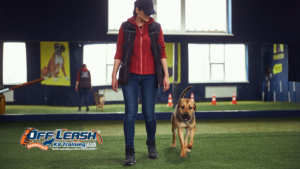
Heel Command Training: How to Stop Leash Pulling Fast
Leash pulling is a common problem that many dog owners face. It’s not only frustrating but also dangerous, especially in crowded or busy areas. The heel command is a powerful solution to this issue. By teaching your dog to walk by your side, you can avoid the constant tugging and improve your walks. This command ensures both safety and enjoyment during your outdoor adventures.
Understanding the heel command starts with knowing its purpose. The command instructs your dog to stay close to your left leg, matching your pace. This technique was originally developed for working dogs in military settings. Now, it’s widely used in everyday dog training because of its effectiveness. Consistency and patience are key to mastering this command.
The benefits of heel command training extend beyond mere obedience. Engaging your dog mentally and physically can strengthen your bond. It also reduces unwanted behaviors like lunging or barking at strangers. Positive reinforcement is crucial for successful training. Treats and praise help motivate your dog to maintain the correct position.
There are several tools that can aid in heel command training. You might use clickers, treats, and specific leashes to make the process easier. It’s important to introduce these tools gradually to avoid overwhelming your pet. Each tool has its own benefits and can be integral to your training sessions. These tools help in achieving precise control and reinforcing the desired behavior.
What is the Heel Command and Why is it Effective for Leash Training?
The heel command is a fundamental part of dog training. When executed correctly, it directs your dog to stay by your side, matching your pace. This command is crucial for controlled walks and ensures that your dog understands its role. Teaching your dog to heel can transform chaotic walks into calm, controlled, and enjoyable experiences. This simple yet effective strategy can be implemented with consistent practice.
The effectiveness of the heel command lies in its simplicity and structure. Unlike other commands that may be situational, the heel command provides clear guidance that is easy for dogs to understand. Its repetitive nature helps dogs remember and respond accurately. This command also minimizes distractions, keeping your dog focused on you. Through regular practice, your dog learns to maintain this position, making walks smoother.
Training your dog to heel involves using positive reinforcements. Treats, praise, and consistent rewards make the learning process faster and more enjoyable for your dog. With every successful step, your dog’s confidence grows, reinforcing their obedience. Gradually, your dog will associate the heel position with positive outcomes. This method creates a strong bond between you and your pet.
Incorporating tools can aid in the effectiveness of heel training. Clickers and specific leashes are useful for reinforcing commands and maintaining control. Gradually introducing these tools ensures a smooth training process.
- Clickers: Help mark precise moments of correct behavior.
- Treats: Encourage your dog to stay in the heel position.
- Leashes: Provide control without causing discomfort.
These tools, combined with positive reinforcement, enhance the overall training experience.
Key Benefits of Teaching the Heel Command
Teaching the heel command provides multiple benefits for both you and your dog. It enhances control during walks, ensuring your dog stays by your side. This minimizes the risks of sudden pulling or darting into traffic. The calm and controlled movement fosters safer walking experiences for everyone. It’s an essential skill for urban settings and crowded environments.
The heel command also strengthens your dog’s focus and discipline. By consistently practicing this command, your dog learns to stay attentive to your movements. This mental engagement is crucial for preventing distractions. It helps improve overall obedience, making other training tasks easier. Enhanced focus leads to a more responsive and well-behaved pet.
Bonding with your dog becomes more profound through heel training. This mutual activity encourages trust and cooperation. Positive reinforcement during training sessions boosts their confidence in following your lead. The shared success in achieving a heel position fosters a deeper connection. Over time, walks become moments of bonding rather than battles for control.
Heel command training supports physical and mental health. Regular walks in the heel position contribute to consistent exercise. This ensures your dog remains active and healthy.
- Improves cardiovascular health
- Reduces anxiety and stress
- Promotes mental stimulation
These health benefits create a balanced routine for your dog, integrating training with physical well-being.
Common Challenges in Heel Training and Solutions
Heel training often comes with its set of challenges. One common issue is your dog getting overly excited during walks. This excitement can lead to pulling and a lack of focus. To address this, start heel training in a quiet environment to minimize distractions. Gradually introduce busier settings as your dog becomes more comfortable with the command.
Another challenge is resistance to the heel position. Some dogs might resist staying close to your side, preferring to explore. This can be frustrating and slow down the training process. Utilizing high-value treats can motivate your dog to stay in the heel position. Consistent practice and patience are essential to overcome this resistance.
Inconsistency in training methods can confuse your dog. If different commands or techniques are used, the dog might not understand what is expected. Sticking to a clear and consistent training plan is crucial. This stability helps your dog learn faster and respond better to the heel command. Ensuring everyone involved in the training uses the same cues and rewards will promote consistency.
Distractions on walks can derail heel training efforts. Other animals, noises, or smells can divert your dog’s attention. To counteract this, practice redirection techniques during training.
- Use verbal cues to bring focus back.
- Employ physical signals, like gentle leash tugs.
- Reward attention with treats and praise.
Regular practice of these techniques can enhance your dog’s ability to stay focused.
Fatigue can impact your dog’s performance in heel training. Long sessions might lead to a tired and unresponsive pet. Keeping training sessions short and frequent can prevent fatigue. Breaks are necessary for maintaining enthusiasm and energy. Balancing training with fun activities ensures your dog remains engaged.
Sometimes, dogs show anxiety during heel training, especially in new environments. Recognizing and addressing this anxiety is vital. Introduce changes gradually and provide reassurance. Create positive associations with the heel position through rewards. Over time, this approach reduces anxiety and fosters comfort with the command.
Step-by-Step Guide to Start Heel Command Training
Starting heel command training requires a clear plan. Begin by choosing a calm, distraction-free environment for initial sessions. This helps your dog focus on learning the new command without external interruptions. Ensure you have treats and a suitable leash handy. These tools are vital for encouraging and controlling your dog.
Start by positioning your dog to your left side. Hold a treat close to your dog’s nose to catch their attention. Walk slowly and use the word “heel” in a clear and firm tone. Every few steps, reward your dog with a treat and praise for staying by your side. Consistency is key in reinforcing the command.
Gradually increase the duration of heel walks. Initially, keep sessions short to avoid overwhelming your dog. Over time, extend the distance and duration as your dog becomes more comfortable. Practice heel walks daily to build habit and routine. Regular repetition solidifies the training.
Introduce distractions gradually. Once your dog shows reliability in quiet settings, start practicing in areas with mild distractions. This could include other people, pets, or moderate traffic.
- Start with low-distraction environments.
- Gradually increase the level of distractions.
- Use treats to keep focus amidst distractions.
Handling distractions properly ensures your dog’s success in different environments.
If your dog struggles, remain patient and adjust the training pace. Some dogs may learn quickly, while others take more time. Tailor the training to your dog’s unique learning style. Always use positive reinforcement to create a positive learning experience. Stay consistent and patient for long-lasting results.
Finally, ensure everyone in the household uses the same heel command techniques. Consistent cues and rewards from all family members prevent confusion. Collaboration accelerates the learning process. Keeping everyone on the same page makes the training effective and cohesive. Clear communication among trainers is essential to success.
Tools and Equipment to Enhance Leash Training Success
Leash training pays off with the right tools and equipment. Clickers are popular for marking desired behaviors with precision. These small devices produce a distinct sound that indicates correct actions. Coupled with treats, clickers accelerate learning. They’re effective in reinforcing positive behavior.
Treats play an essential role in leash training. High-value treats make training more enticing for your dog. They’re used to reward and motivate your pet to stay focused. Ensure the treats are healthy and suitable for training. Frequent rewarding helps build positive associations with the heel command.
Different types of leashes contribute to training success. Standard leashes with a comfortable grip provide control without strain. Retractable leashes can offer more freedom, but they may complicate heel training. For better results, stick to non-retractable with adjustable lengths. The right leash enhances control and comfort during walks.
Harnesses offer benefits over traditional collars. Certain harness designs distribute pressure evenly across your dog’s chest. This avoids strain on the neck and provides better control.
- No-pull harnesses reduce pulling.
- Adjustable harnesses ensure a snug fit.
- Reflective harnesses enhance visibility.
Choosing the right harness can improve training effectiveness.
Training mats or platforms can help with stationary exercises. These tools create a designated space for commands like sit, stay, and heel. By using these platforms, your dog learns to associate the small area with training. This focused approach reduces distractions. Practice on mats builds consistency and precision in obeying commands.
Finally, training aids like instructional videos can guide you through the process. Watching experienced trainers demonstrate techniques can boost your confidence. Online resources and books provide comprehensive tips. Utilizing these materials ensures you’re implementing effective and proven methods. Knowledge and the right tools are key to successful leash training.
Frequently Asked Questions
Here are some common questions and answers regarding heel command training and its benefits. These insights can help enhance your understanding and success in leash training your dog.
1. How long does it take to teach the heel command?
The time it takes to teach the heel command depends on your dog’s learning pace and consistency in training. Some dogs may learn the basics within a few days, while others might take several weeks for mastery. Patience and regular practice are key.
Start with short, frequent training sessions to keep your dog engaged. Gradually increase session length and complexity as your dog improves. Consistent reinforcement and rewards will help speed up the process.
2. What are the best treats for heel training?
High-value treats that your dog loves are the most effective for heel training. Consider small, soft treats that are easy to carry and quick to eat. This minimizes interruption during training sessions. Popular options include small pieces of chicken, cheese, or commercial training treats.
Experiment with different treats to see what works best for motivating your dog. Mix up treats occasionally to keep your dog interested. Always choose healthy options to maintain your pet’s well-being.
3. Can older dogs learn the heel command?
Yes, older dogs can learn the heel command, although it might take more patience and consistent practice. Older dogs may have established habits, making it slightly more challenging but not impossible. Positive reinforcement and gentle guidance are crucial.
Start with basic commands and gradually introduce the heel command in a calm environment. Celebrate small successes to boost your dog’s confidence. With time and persistence, older dogs can successfully learn to heel.
4. How do you handle setbacks in heel training?
Setbacks in heel training are normal and should be addressed calmly. If your dog regresses, reassess your training approach and make necessary adjustments. Break down commands into smaller steps if needed. Maintain a positive and patient attitude despite challenges.
Consistency is crucial, so continue practicing regularly. Celebrate progress, however small, and adjust strategies to suit your dog’s learning style. Seeking advice from professional trainers can also provide additional guidance.
5. What is the best type of leash for heel training?
A non-retractable leash with a comfortable grip is often best for heel training. This type of leash provides better control and allows for clearer communication between you and your dog. It should be sturdy but lightweight, around 4-6 feet in length.
Avoid using retractable leashes as they can create confusion and lack of consistency. Opt for a leash that offers both comfort and control to enhance your training sessions. Matching the leash with a suitable harness or collar further ensures effective training.
Conclusion
Heel command training is essential for creating a pleasant walking experience with your dog. It not only enhances control but also strengthens the bond between you and your pet. With consistent practice and the right tools, achieving success is entirely possible.
Addressing common challenges with patience and using effective techniques ensures your dog’s progress. Remember, every dog learns at its own pace, so stay positive and persistent. Ultimately, heel command training paves the way for enjoyable and safe walks, benefiting both you and your furry friend.
"*" indicates required fields