Load Up Command: How to Teach Your Dog to Load Up Calmly
Teaching a dog to follow the ‘Load Up’ command calmly can be a game-changer for many pet owners. Just like teaching a child to calmly get into a car seat, ensuring our furry friends can load up without stress makes trips and transports hassle-free. It’s fascinating how a simple command can significantly enhance both the dog’s and owner’s experience.
The ‘Load Up’ command isn’t just about convenience; it’s also about safety. Historically, dogs have been trained for various commands to assist in seamless travel, but with modern advancements, pet safety standards have elevated. A compelling study revealed that trained dogs experience 50% less anxiety during car rides, which underscores the value of teaching and reinforcing load-up commands effectively.
Teaching your dog the ‘Load Up’ command calmly involves creating positive associations with the vehicle, gradually introducing and practicing the command with rewards, and using consistent training across various environments. Professional assistance may be needed if persistent issues like fear or aggression arise during training efforts.
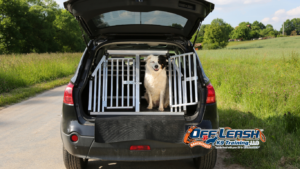
Load Up Command: How to Teach Your Dog to Load Up Calmly
Teaching your dog the ‘Load Up’ command starts with creating a positive association with the vehicle. Begin by allowing your dog to explore inside the car when it’s stationary and rewarding them with treats. This helps the dog associate the vehicle with positive experiences, reducing any initial fear or anxiety.
Once your dog feels comfortable around the car, introduce the ‘Load Up’ command gradually. Use a calm voice and encourage your dog to jump or step into the vehicle with the command. Consistently rewarding this behavior reinforces the positive connection. Practice this regularly to ensure the dog understands the command clearly.
Reinforcing calm behavior during loading up is crucial. Avoid rushing your dog or expressing frustration if they hesitate. Instead, maintain a calm demeanor and offer praise or treats when they successfully load up calmly. This reinforces the desired behavior.
Practicing in various environments also helps solidify the command. Try loading up in different places and situations, such as at home, in a parking lot, or during trips. Consistency is key, as it helps the dog remain calm and obedient no matter where they are. This approach ensures a stress-free experience for both you and your dog.
Step 1: Establish Positive Associations with the Vehicle
Establishing a positive association with the vehicle begins with allowing your dog to explore it freely. Let your dog enter the car voluntarily and explore without any pressure. Have a few treats on hand to reward them whenever they show interest in the vehicle. This simple action builds a foundation of positive experiences related to the car.
To further strengthen this bond, incorporate fun activities inside or around the vehicle. Play their favorite game or give them their beloved toy while they are in the car. Make these sessions short and enjoyable to keep your dog engaged and happy. Repeating these activities consistently will create a positive link between fun and the car.
While spending time near the vehicle, use calming and encouraging words. Your tone will influence your dog’s perception of the situation. Always associate the car with pleasant experiences to reduce any fear or anxiety they might have. Gradually, they will see the vehicle as a safe and enjoyable place.
Incorporate different stages of interaction with the car over time. For instance, start with the car doors open with the engine off, and then progress to having the engine running while the dog is nearby. This phased approach helps your dog get used to the sounds and vibrations of the vehicle gradually. Consistent and patient training will ensure your dog feels comfortable and confident around the car.
Step 2: Introduce the Load Up Command Gradually
Introducing the ‘Load Up’ command requires patience and gradual steps. Begin by using a calm voice to give the command while pointing or guiding your dog towards the vehicle. Initially, reward them for merely approaching the car. This helps them understand that the car is a positive place and the command means to move towards it.
Once your dog is comfortable approaching the vehicle, encourage them to step inside. Use treats or their favorite toys as motivators. Break the command into smaller actions, such as first putting their front paws into the car. Consistent rewards help reinforce each step and build their confidence in the action.
As your dog gets more confident, practice the full ‘Load Up’ command. Guide them to enter the car completely and sit calmly. Reinforcing the command through repetition is key. Gradually reduce the frequency of treats as your dog becomes familiar with the command.
Occasionally practice the ‘Load Up’ command in different environments. This helps your dog understand that the command applies not just to your driveway but anywhere you need them to enter the vehicle. Use varied scenarios to keep the training fresh and adaptable, ensuring your dog stays responsive and calm under different circumstances.
Step 3: Reinforce Calm Behavior Using Rewards
Reinforcing calm behavior with rewards is essential for effective training. Start by using treats to encourage your dog to enter the vehicle calmly. Reward them any time they follow the ‘Load Up’ command without showing signs of anxiety or resistance. Positive reinforcement helps create a strong association between calm behavior and rewards.
Consistency in rewarding calm behavior is critical. Ensure you praise and reward your dog immediately after they perform the command successfully. This immediate feedback reinforces the desired behavior. Over time, your dog will naturally associate calmness with receiving treats or praise.
To prevent dependency on treats, gradually introduce other forms of rewards. Use verbal praise or petting as alternative rewards. This keeps the training effective and ensures your dog remains focused on the command rather than just the treat. Varied rewards help sustain the desired behavior without over-reliance on food.
Incorporate short sessions of the ‘Load Up’ command throughout the day. Repetition is a key factor in solidifying the behavior. Regular practice ensures the dog remains familiar and comfortable with the command. Consistent and short practice periods are more effective than long and sporadic sessions.
If your dog exhibits signs of stress, take a step back and simplify the task. Sometimes, a break can help reset their mindset. Make sure to maintain a calm demeanor yourself, as dogs are keen observers and can mirror your emotions. Always celebrate small victories to keep the training enjoyable and encouraging.
Using a combination of treats, praise, and consistent practice, you can effectively reinforce calm behavior. This approach not only makes the ‘Load Up’ command enjoyable for your dog but also less stressful. With patience and gradual progression, this step ensures a smooth and positive training experience.
Step 4: Practice in Various Environments
Practicing the ‘Load Up’ command in different environments helps your dog generalize the behavior. Start by using the command in your driveway or garage where your dog feels comfortable. Gradually introduce new locations, such as a park or a friend’s house. This will help your dog learn to follow the command no matter where they are.
Varying the environments also helps your dog become more adaptable. Cars parked on busy streets, parking lots, or quiet suburban areas all offer different distractions and challenges. Practicing in these diverse settings ensures your dog remains focused and calm. This adaptability is crucial for real-world scenarios.
Include different vehicles in your practice sessions. If possible, use various types of cars, such as SUVs, sedans, and trucks. This ensures your dog does not associate the ‘Load Up’ command with only one vehicle. It broadens their understanding and responsiveness to the command.
Repetitions in these varied scenarios should be short and frequent. This helps maintain your dog’s attention and reduces the risk of them becoming overwhelmed. Incorporate a mix of treats, verbal praise, and petting to keep the training sessions positive. This variety maintains engagement and reinforces the behavior.
Regularly practicing in different environments also helps identify any potential issues early on. If your dog struggles in a particular setting, you can address it immediately. Adapt your training methods to suit the specific challenge, ensuring continued progress. Always keep the sessions fun and rewarding for your dog.
Using this approach, you will help your dog become well-rounded and confident. Practicing the ‘Load Up’ command in varied environments ensures they understand and follow the command reliably. This creates a flexible and responsive training experience for both you and your dog.
Step 5: Troubleshoot Common Challenges and Maintain Consistency
It’s common to encounter challenges while teaching the ‘Load Up’ command. One issue might be your dog showing fear or hesitation when approaching the vehicle. To address this, take a step back, and simplify the task. Allow your dog to get comfortable by rewarding small steps, like just touching the car with their paw. Gradually build up to the full command again.
Another challenge could be your dog getting too excited and jumping in and out of the vehicle. To manage this, practice brief loading sessions and reward calm behavior consistently. If your dog remains too hyper, give them a few moments to settle down before trying again. Patience and consistent training will help them understand what’s expected.
Some dogs might only follow the command in specific environments, refusing to load up elsewhere. If this is the case, increase the variety in your practice locations. Gradually introduce busier or noisier environments. Exposure to different settings helps your dog generalize the command, understanding it applies everywhere.
Maintaining consistency is critical for successful training. Always use the same command and tone of voice. Rewards need to be given immediately after the desired behavior. This clear and consistent communication helps reinforce the training.
Incorporate breaks to prevent your dog from becoming overwhelmed. Short, frequent sessions are more productive than long, infrequent ones. This helps your dog stay focused and reduces stress. Continuing this practice ensures steady progress.
Document the challenges and successes during the training process. Tracking progress helps identify patterns and areas needing more focus. This approach ensures a structured and efficient training routine. Ultimately, patience and consistency will lead to successful training results.
Key Benefits of Teaching the Load Up Command
Teaching your dog the ‘Load Up’ command offers numerous benefits for both you and your pet. One major benefit is safety, as it helps ensure your dog enters the vehicle calmly and securely each time. By following this command, dogs can avoid injuries that might occur from jumping in too quickly or improperly. Calm entry also reduces stress during travel.
The command enhances convenience during travels and outings. Whether you’re heading to the vet, park, or on a trip, a well-trained dog makes loading up quick and easy. This minimizes delays and keeps schedules on track. It simplifies processes where multiple pets are involved.
Reducing anxiety is another crucial benefit. Dogs often feel stressed during car rides due to unfamiliar environments and movement. Teaching them to load up calmly prepares them mentally for the journey ahead. Studies have shown that dogs with lower anxiety levels cope better during transportation.
| Benefit | Description |
|---|---|
| Safety | Avoids injuries from incorrect jumping |
| Convenience | Makes travel quicker and easier |
| Anxiety Reduction | Prepare dogs mentally for journeys |
The ‘Load Up’ command also fosters stronger communication between you and your dog. Consistently using commands reinforces obedience in other areas as well. This structured interaction improves overall training success rates in various commands beyond just loading up.
This comprehensive approach boosts confidence in dogs. Knowing exactly what is expected of them leads to happier and more secure pets. A knowledgeable pet owner makes traveling a less stressful experience for everyone involved.
Tools and Supplies That Enhance Training
Having the right tools and supplies can significantly improve the training process for the ‘Load Up’ command. A sturdy leash and comfortable harness are essential for guiding your dog into the vehicle. These items provide control and safety, ensuring your dog follows the command securely.
Treats are a powerful motivator. Keep a variety of small, tasty treats on hand to reward your dog immediately for good behavior. These treats reinforce positive actions, making the training experience enjoyable. Choose healthy options to avoid overfeeding during training sessions.
Using a clicker can also enhance training. Clicker training pairs the sound of the clicker with a reward, helping your dog understand precisely when they perform the desired action. This method is known for its effectiveness in clear communication and immediate reinforcement.
- Sturdy leash
- Comfortable harness
- Variety of treats
- Clicker
- Portable ramp or steps
For dogs with physical limitations, a portable ramp or steps can be beneficial. These tools assist dogs in entering the vehicle without having to jump. Using a ramp or steps reduces strain on their joints and makes the ‘Load Up’ command easier to follow.
Maintaining a consistent environment during training sessions is also helpful. Utilize familiar training gear and keep distractions minimal. This consistency supports better focus and quicker learning. Over time, these tools and supplies contribute to a successful and calm ‘Load Up’ experience for your dog.
Common Mistakes to Avoid When Teaching Load Up
Teaching your dog the ‘Load Up’ command can be tricky, and avoiding common mistakes is crucial for success. One common mistake is rushing the training process. Dogs often need time to get comfortable with the command and environment. Pushing them too quickly can cause fear and anxiety, hindering their progress.
Another mistake is inconsistent training. Using different commands or varying tones of voice can confuse your dog. Consistency is key to ensuring they understand and obey the ‘Load Up’ command. Always use the same words and praise to reinforce positive behavior.
Overusing treats is also a frequent error. While treats are excellent motivators, relying on them too much can make your dog dependent on food rewards. Gradually phase out treats and replace them with verbal praise or petting. This balance keeps your dog focused on the command rather than the treat.
- Rushing the process
- Inconsistent commands
- Overusing treats
- Skipping practice in different environments
- Not addressing fear or anxiety
Skipping practice in various environments is another pitfall. Only practicing in one location can make your dog struggle to follow the command elsewhere. Expose them to different settings to ensure they understand that ‘Load Up’ applies everywhere. This builds their confidence and adaptability.
Lastly, not addressing fear or anxiety can be a significant mistake. If your dog shows signs of stress, take a step back and break the task into smaller steps. Providing a calm and supportive environment helps them overcome their fears. Avoiding these common mistakes ensures a smoother training process and better results.
When to Seek Professional Assistance for Load Up Issues
If your dog continues to struggle with the ‘Load Up’ command despite consistent training efforts, it may be time to seek professional assistance. Persistent fear or anxiety when approaching the vehicle can be an indicator. Professional trainers can identify the root causes and develop targeted strategies to alleviate these issues.
Another sign to consider professional help is if your dog shows aggressive behavior during training. Aggressiveness, such as growling or snapping, can be dangerous and hard to manage without expert guidance. Consulting a trainer can provide safe and effective methods to correct this behavior.
- Persistent fear or anxiety
- Aggressive behavior
- Inconsistent response to commands
- Physical limitations or disabilities
Inconsistent response to commands is also a concerning sign. If your dog responds to ‘Load Up’ only sporadically despite regular practice, professional trainers can offer personalized advice. They can evaluate your training methods and suggest improvements to ensure consistent obedience.
Physical limitations or disabilities may also require professional attention. Dogs with joint issues or other physical conditions might struggle to load up easily. Trainers or veterinarians can recommend specific tools and techniques to accommodate these needs safely. Adjustments to your approach can make a significant difference.
Seeking professional assistance can accelerate progress and lead to successful training outcomes. Experts bring experience, knowledge, and patience to the process. This support can be valuable, particularly when facing complex behaviors or physical challenges in your dog.
Frequently Asked Questions
Here are some frequently asked questions about teaching your dog the Load Up command. Read on to find helpful answers and tips.
1. How long does it take to teach the ‘Load Up’ command?
The time it takes to teach the ‘Load Up’ command varies by dog. Some dogs may pick it up in a few days, while others may take a few weeks. Consistency and positive reinforcement play crucial roles in the training process. Patience is key to ensure your dog feels comfortable and confident.
Short, regular training sessions are more effective than long, sporadic ones. Each dog learns at its own pace, so it’s essential to stay patient. Using rewards and practicing in various environments can help speed up the learning process.
2. What if my dog is afraid of the car?
If your dog is afraid of the car, start by introducing them to the vehicle slowly. Allow them to explore it at their own pace, using treats and praise to reward calm behavior. Gradually increase their comfort level by practicing around the car before attempting to load up. Building positive associations is essential to overcoming fear.
Use your dog’s favorite toys to create a fun, positive environment around the vehicle. Consistent, gradual exposure will help your dog become more comfortable over time. If fear persists, consider seeking advice from a professional trainer.
3. Should I use a ramp or steps for my dog?
Using a ramp or steps can be beneficial for dogs with physical limitations or for those uncomfortable with jumping. These tools reduce the strain on their joints and make the loading process smoother. Introduce your dog to the ramp or steps gradually, using treats and praise to encourage their use.
Ramps and steps can be particularly helpful for older dogs or those with mobility issues. Consistent training with these tools will make the ‘Load Up’ command easier and more comfortable for your dog. Ensure the ramp or steps are stable and secure to prevent any accidents.
4. How can I keep my dog calm during the training process?
Keeping your dog calm during training is essential for success. Begin with short, frequent sessions and use a calm, reassuring tone. Rewarding your dog with treats and praise for calm behavior reinforces the desired actions. Maintaining a relaxed environment helps your dog stay focused and reduces anxiety.
If your dog becomes anxious, take a break and allow them to relax before resuming training. Consistent practice in various environments can also help your dog remain calm under different circumstances. The key is to make the process enjoyable and stress-free for your pet.
5. What if my dog only responds to the ‘Load Up’ command at home?
If your dog only responds to the ‘Load Up’ command at home, practice in different locations. This helps your dog understand that the command applies everywhere. Start with familiar places like a friend’s house or a quiet park, gradually increasing the challenge by using busier environments.
Consistency and patience are crucial in helping your dog generalize the command. Use the same tone and rewards in every location to reinforce the behavior. Practicing the command in diverse settings will ensure your dog follows it reliably, no matter where you are.
Conclusion
Teaching your dog the ‘Load Up’ command is a valuable and rewarding process. It enhances safety and convenience during travels, while also reducing your dog’s anxiety. Consistent practice and positive reinforcement are key to successful training.
Addressing challenges with patience and seeking professional help when necessary can make a significant difference. With dedication and the right tools, you’ll ensure that your dog loads up calmly and confidently every time. This builds a positive experience for both you and your pet.
"*" indicates required fields