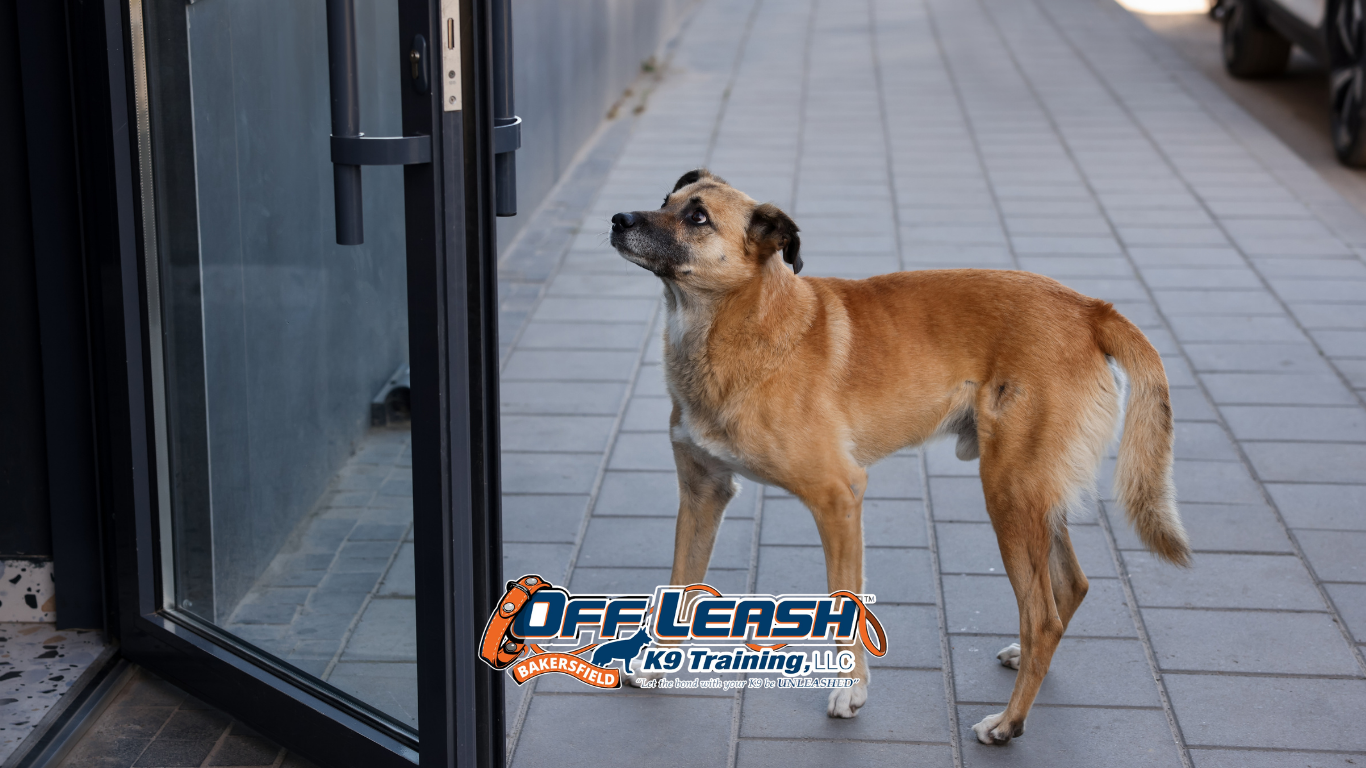
Door Manners Training for Dogs | Stop Jumping, Barking, and Rushing
It’s astonishing to realize that nearly 56% of dog owners report difficulties with their pets’ over-excited behavior at the door. Many are left wondering if there’s a solution to the constant jumping, barking, and rushing when guests arrive. This behavior isn’t just a nuisance; it can also pose safety concerns for both the pet and visitors.
The concept of door manners training for dogs addresses these very challenges. Historically, dogs’ instinctive protective behavior made such training essential. Effective strategies often involve positive reinforcement and consistency. An estimated 78% of dog owners who consistently apply these techniques see significant improvements within weeks. This approach turns chaos into calm, providing peace of mind and enhancing the pet’s role as a well-behaved family member.
Door manners training for dogs involves teaching basic commands like “sit” and “stay,” using positive reinforcement, and creating a calm environment. Consistent practice, leash control during initial sessions, and designating a waiting spot near the door help manage behaviors like jumping, barking, and rushing effectively.

Door Manners Training for Dogs: Stop Jumping, Barking, and Rushing
Training your dog to exhibit good door manners can be challenging but rewarding. One common issue is dogs jumping on guests as soon as they walk in. This behavior can be dangerous, especially for children and elderly people. Consistent training is key to addressing these problems effectively. Using positive reinforcement can help your dog associate calm behavior with rewards.
Understanding why dogs bark or rush to the door can help you address these behaviors. Dogs often act this way out of excitement or a desire to protect their territory. It’s important to redirect their energy into more acceptable behaviors. Teaching them to sit and stay when the doorbell rings is a good start. This approach helps them learn self-control.
Using training aids can make the process easier and more effective. Tools like leashes, harnesses, and clickers can aid in teaching your dog proper door manners. Additionally, setting up a designated spot for them to wait can provide a clear boundary. Consistency with these tools reinforces the desired behavior. It’s also beneficial to practice regularly with different scenarios.
Creating a calm environment at the entrance can help reduce your dog’s anxiety. Speak in a soothing tone and avoid excessive excitement when arriving home. This helps your dog stay relaxed and composed. Over time, these strategies will lead to better behavior at the door. This provides a more welcoming experience for everyone who visits your home.
Essential Techniques to Prevent Overexcitement at the Door
Preventing overexcitement at the door starts with teaching your dog basic commands. “Sit” and “Stay” are crucial commands that can help manage your dog’s behavior. Consistent practice using these commands can lead to significant improvement. Rewarding your dog for obeying these commands reinforces positive behavior. Over time, they will learn to stay calm when the doorbell rings.
Another effective technique is to desensitize your dog to door-related stimuli. This involves gradually exposing them to the sound of the doorbell or knocking. Start by making these noises without opening the door. Reward calm behavior with treats or praise. Repeat this exercise regularly to reduce your dog’s excitement levels.
Using a leash during training sessions can also be beneficial. This allows you to maintain control and prevent your dog from rushing the door. It can also help you guide your dog to their designated waiting spot. A calm, controlled environment makes it easier for your dog to learn. Leash training can be especially useful for larger or more energetic dogs.
Implementing a “redirect and reward” strategy can help divert your dog’s attention. When the doorbell rings, redirect your dog to a specific spot, like a mat or bed. Praise and rewards should be given when they stay in that spot. This teaches your dog that staying calm leads to positive outcomes. Consistency is key to making this technique work effectively.
Common Causes of Door-Related Behavior Problems in Dogs
Dogs often exhibit door-related behavior problems due to natural instincts. These behaviors can include barking, jumping, and rushing. One common cause is territorial protection, where dogs feel the need to guard their home. This instinct can be heightened when they hear unfamiliar sounds at the door. Another cause is the excitement of greeting visitors, which can be overwhelming for some dogs.
Separation anxiety also contributes to door-related issues. Dogs with this anxiety may become overly excited when their owners return home. This excitement can manifest as frantic barking or jumping. It’s their way of expressing relief and happiness. Addressing separation anxiety can significantly reduce these behaviors.
Lack of exercise and mental stimulation is another factor. Dogs with excess energy are more likely to develop problematic behaviors. Regular physical activity and engaging activities can help. Providing toys and puzzles can also keep their minds occupied. Keeping your dog stimulated reduces the likelihood of overexcitement at the door.
Inconsistent training is a major contributor to door-related problems. Inconsistent commands and responses confuse dogs. Clear and consistent training helps them understand expectations. Reinforcing good behavior consistently is vital. Over time, this approach can correct undesired door behaviors.
Step-by-Step Guide to Teaching Calm Door Manners
Start by teaching your dog the “sit” and “stay” commands. These basic commands are essential for controlling your dog’s behavior. Practice these commands in a calm environment first. Once your dog masters them, you can introduce door-related training. This foundation helps your dog understand what’s expected.
Next, practice with the doorbell or knocking sounds. Have a friend or family member assist by ringing the bell or knocking. When the sound occurs, ask your dog to sit and stay. Reward calm behavior with a treat or praise. Consistently practicing this will reduce door-related excitement.
Introduce a designated waiting spot for your dog near the door. This can be a mat or bed where your dog can wait calmly. Guide your dog to this spot each time the doorbell rings. Reinforce the behavior with rewards. Over time, your dog will associate the spot with calm behavior.
Use leash training as an additional tool. Keep your dog on a leash during initial door training sessions. This gives you more control and helps prevent rushing. Guide your dog to their waiting spot using the leash. Gradually, your dog will learn to stay calm without it.
Consistent reinforcement is key to success. Regularly practice these steps with different scenarios and visitors. Dogs learn through repetition and consistency. Ensure everyone in the household uses the same commands and techniques. This unified approach helps solidify your dog’s training.
Be patient and persistent with the training process. Dogs may take time to adjust to new behaviors. Stay calm and reward positive actions consistently. Over time, your dog will develop better door manners. This training makes for a more pleasant experience for everyone.
Tools and Training Aids for Better Door Behavior
Using a variety of tools can greatly assist in training your dog for better door behavior. Leashes are a fundamental tool for initial training sessions. They help you maintain control when the doorbell rings. You can guide your dog to their designated spot. Over time, they’ll learn to stay calm even without the leash.
Clickers are another useful tool for reinforcing good behavior. Clicking the device and immediately giving a treat helps your dog understand they did something right. This type of positive reinforcement is effective and easy to use. It’s especially helpful when teaching commands like “sit” and “stay.” Regular use can speed up the training process.
Training mats or beds provide a clear visual cue for your dog. Having a specific spot to go to when the doorbell rings can reduce anxiety and excitement. Guide your dog to the mat each time, rewarding them for staying calm. Over time, this spot becomes a safe and calming place for them. Consistency is key in making this approach effective.
Treat pouches are convenient for quick rewards during training. Keeping treats easily accessible allows you to reward good behavior immediately. This reinforces the behavior you want to see. It’s also useful for practicing commands in different settings. Instant rewards help solidify the training concepts in your dog’s mind.
Consider using pet gates to control your dog’s access to the door area. This can prevent rushing and give you more control during training sessions. Gates can also be used temporarily as your dog learns better behavior. They provide a physical barrier, reducing the chance of accidents or unwanted behavior. Over time, you can phase out the gate as your dog improves.
Remote training collars can also assist in correcting behavior from a distance. These collars allow you to give commands and corrections even if you’re not right next to your dog. They’re especially useful for larger homes or yards. Use them carefully and follow the manufacturer’s guidelines. They can be an effective tool for advanced training stages.
Tips for Maintaining Consistency and Reinforcing Good Habits
Consistency is key when training your dog. Use the same commands and cues to avoid confusing your pet. Ensure everyone in the household follows the same training routine. This unified approach will make the training more effective. Consistency helps your dog understand what is expected.
Regular practice sessions are essential for reinforcing good habits. Short, frequent training sessions are more effective than long, infrequent ones. Aim for multiple short sessions throughout the day. This keeps your dog engaged and reinforces the behaviors you’re teaching. Consistent reinforcement strengthens their understanding.
Use positive reinforcement to encourage good behavior. Treats, praise, and petting are effective rewards. Reward your dog immediately after they follow a command. This helps them make the connection between their behavior and the reward. Over time, the need for treats can decrease as praise becomes sufficient.
Gradually introduce distractions during training. Start with a quiet environment and slowly add more distractions. This helps your dog learn to stay calm and focused, even in different situations. Reward them for maintaining good behavior despite the distractions. This prepares them for real-life scenarios.
Monitor your progress and adjust your techniques if needed. Not all dogs respond the same way to training methods. Keep an eye on what’s working and what isn’t. Adjust your approach to better suit your dog’s needs. Consistently adapting ensures ongoing improvement.
Keep a training log to track your dog’s progress. Note what techniques work best and any improvements you see. This helps you stay organized and focused. Reviewing your log can also provide motivation as you see your dog’s progress over time. It’s a helpful tool for maintaining consistency in your training efforts.
Frequently Asked Questions
Here are some common questions and answers related to training your dog for better door manners. These insights will help you address issues like jumping, barking, and rushing when guests arrive.
1. What is the best way to start door manners training?
The best way to start door manners training is by teaching your dog basic commands like “sit” and “stay.” Begin in a low-distraction environment to help your dog focus on learning these commands.
Consistent practice is key. Once your dog masters the basics, gradually introduce door-related training by practicing with the doorbell or knocking sounds. Reward your dog for staying calm, reinforcing positive behavior.
2. Why does my dog bark excessively when someone knocks on the door?
Dogs often bark excessively when someone knocks on the door due to territorial instincts or excitement. They perceive the knocking as an intrusion and want to alert their owners of potential danger.
Desensitizing your dog to these sounds and using commands like “quiet” can help manage this behavior. Consistent training and positive reinforcement play significant roles in reducing excessive barking.
3. How can I prevent my dog from rushing the door when someone arrives?
Preventing your dog from rushing the door involves creating a designated waiting spot near the entrance. Guide your dog to this spot every time the doorbell rings and reward them for staying there.
Using a leash during initial training sessions can help you maintain control and prevent rushing. Over time, your dog will learn to stay in their spot calmly without the need for a leash.
4. What training aids can help with door manners training?
Training aids like leashes, clickers, and designated mats can be very helpful in door manners training. Leashes provide better control, while clickers offer a quick and clear way to communicate positive behavior.
Designated mats give your dog a specific spot to wait calmly when someone arrives. Consistently using these aids during training sessions helps reinforce desired behaviors more effectively.
5. How can I ensure consistency in my dog’s door manners training?
Ensuring consistency in door manners training involves everyone in the household using the same commands and techniques. This unified approach helps prevent confusion and reinforces learning.
Regular practice sessions, positive reinforcement, and gradually introducing distractions help maintain and strengthen good habits. Tracking progress and adjusting techniques as needed also contribute to consistent training success.
Conclusion
Door manners training for dogs is essential for creating a calm and safe home environment. By focusing on basic commands, positive reinforcement, and consistency, you can effectively manage and improve your dog’s behavior. The use of training aids and designated waiting spots can further enhance the learning process.
Consistency in training and patience are key to success. Involving all household members in the training ensures a unified approach. Ultimately, these efforts lead to a well-behaved dog, making interactions with guests more enjoyable and stress-free for everyone involved.
"*" indicates required fields