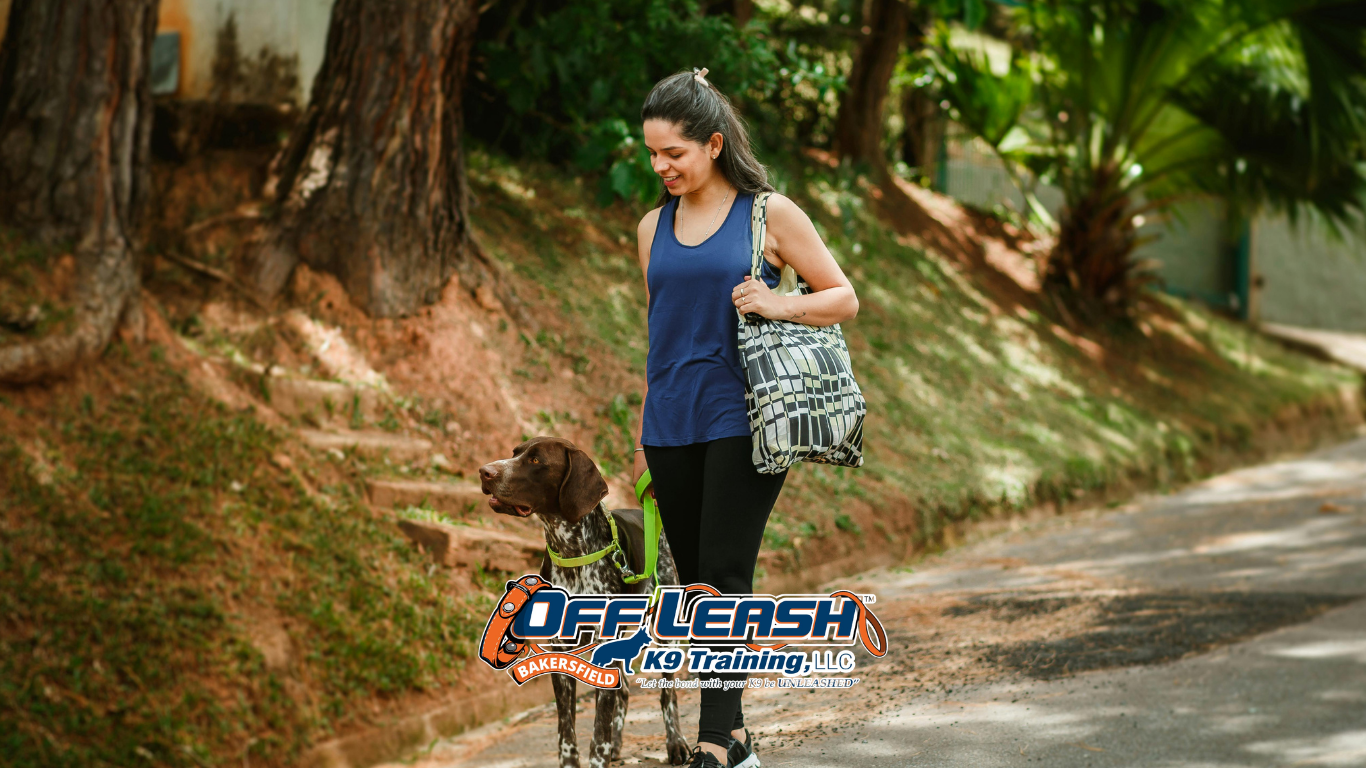
Overstimulated Dogs: Why Public Places Trigger Them
Dogs possess an incredible ability to sense and react to various stimuli, making public places a potential whirlwind of excitement for them. Imagine taking your dog to a bustling city park filled with unfamiliar sounds, scents, and sights. It’s no wonder that such environments can lead to overstimulation and anxiety.
Historically, dogs’ ancestors were adept at navigating less complex surroundings, primarily driven by survival instincts. A compelling statistic reveals that nearly 60% of dog owners report their pets displaying signs of overstimulation in public areas. By understanding and mitigating these triggers, such as providing a quieter environment or structured socialization, experts can help manage and reduce overstimulation in our canine companions.
Dogs become overstimulated in public places due to the overload of sensory stimuli, including loud noises, unfamiliar scents, and sights. This heightened sensory input can trigger stress and anxiety responses. Dogs may react with hyperactivity or defensive behaviors as they struggle to process the overwhelming environment efficiently.
Why Dogs Become Overstimulated in Public Places
Public places are often filled with a myriad of sounds, smells, and sights that can overwhelm a dog’s senses. These stimuli can include loud noises like traffic, unfamiliar people, and other animals. Dogs can quickly become overstimulated when they try to process all these new experiences simultaneously. Their heightened senses make them more susceptible to becoming anxious or excited in such environments. This overstimulation can lead to behaviors such as barking, pulling on the leash, or even aggression.
One of the main reasons dogs become overstimulated is unfamiliarity. A dog that is not well-socialized may find new encounters stressful. This stress can manifest as hyperactivity or fear. For instance, a dog that has never seen a skateboard might react intensely to the sudden movement and noise. Repeated exposure without proper training can exacerbate these reactions.
Additionally, the natural curiosity of dogs can contribute to their overstimulation. They are eager to explore and investigate every new scent or sound. This can be especially challenging in busy public places where there is a constant flow of new stimuli. Their instinct to chase moving objects like bicycles or squirrels can add to their excitement. Without guidance, this can quickly lead to an overloaded sensory system.
To help manage and prevent overstimulation, it is important for owners to be proactive. Gradual exposure to new environments and consistent training can make a significant difference. Owners can use techniques like positive reinforcement to reward calm behavior. Furthermore, providing a safe space for the dog to retreat if they become too anxious can help. These steps can assist in creating a more positive public experience for both the dog and the owner.
Common stimuli that lead to overstimulation in dogs
Loud noises are a major trigger for overstimulation in dogs. Sounds like fireworks, thunderstorms, and busy traffic can cause distress. Dogs’ acute hearing can make these noises seem much louder to them than to humans. This overwhelming auditory input can lead to anxiety and hyperactive behavior. Owners may notice their dogs barking excessively or trying to hide during such events.
Another common stimulus is the presence of other animals. Dogs are naturally social creatures, but unfamiliar animals can create tension. This can occur in public parks or during walks when encountering other dogs or wildlife. Overexposure to other animals without proper socialization and training can escalate stress levels. This might result in barking, lunging, or other reactive behaviors.
New environments are also a significant cause of overstimulation. A change in scenery can introduce many unfamiliar sights, sounds, and smells at once. Dogs rely heavily on their senses to navigate the world, so a new environment can be very stimulating. This sensory overload can be particularly intense for dogs that are not frequently exposed to varied surroundings. Gradual introduction to new environments can help ease their adjustment.
Finally, large crowds can overwhelm dogs. The sheer number of people and the constant movement can be too much for them to handle. This is especially true if the dog is not used to being around many people at once. In such situations, dogs may exhibit signs of distress like trembling or trying to escape. Bringing a dog to busy places gradually and ensuring they have a safe space can help manage this overstimulation.
Signs of overstimulation in dogs
One noticeable sign of overstimulation in dogs is excessive barking or whining. This vocalization serves as a way for dogs to express their stress and discomfort. It can occur when they are exposed to overwhelming stimuli, such as loud noises or new surroundings. Barking might become more intense and frequent as the dog tries to cope with the situation. Owners may also notice their dog pacing or restless behavior accompanying the vocalization.
Another common sign is physical hyperactivity. Overstimulated dogs may exhibit behavior like compulsive running, jumping, or chasing their tail. This frenetic activity is often a response to the built-up energy and stress they are experiencing. They might also become more easily excitable, reacting to the slightest movement or sound. Such behavior can be difficult to manage, especially in public places.
Body language also plays a crucial role in identifying overstimulation. Dogs may show signs of agitation through their posture and movements. Look for behaviors like excessive panting, drooling, or shaking. Ears may be pinned back, and the tail could be tucked between the legs. These physical cues indicate that the dog is struggling to process the overwhelming stimuli.
Lastly, aggression can be an indicator of overstimulation. A dog that feels cornered or overwhelmed might resort to growling, snapping, or even biting. This defensive behavior is their way of trying to protect themselves from perceived threats. It’s essential for owners to recognize these signs early to prevent escalation. Interrupting the situation and providing a calm environment can help de-escalate aggressive tendencies linked to overstimulation.
Impact of overstimulation on canine behavior and health
Overstimulation can significantly affect a dog’s behavior, leading to heightened anxiety levels. When dogs are continuously exposed to overwhelming stimuli, they can become more reactive and unpredictable. This heightened state of alert can make them more prone to aggressive behaviors. They might also develop phobias related to specific triggers they frequently encounter. These behavioral changes can make it challenging for both the dog and the owner to navigate daily life.
In addition to behavioral impacts, overstimulation can also take a toll on a dog’s physical health. Prolonged stress can weaken their immune system, making them more susceptible to illnesses. Overstimulation often leads to excessive panting and drooling, which can indicate increased stress levels. Chronic stress can also cause digestive issues, such as diarrhea or loss of appetite. These physical health effects highlight the importance of managing overstimulation.
Overstimulated dogs often struggle with restlessness and difficulty settling down. Their constant state of arousal can disrupt their sleep patterns, leading to fatigue. Lack of proper rest can exacerbate their stress levels, creating a vicious cycle. Restless behavior can also manifest as pacing, whining, or inability to focus. Providing a calm and quiet space can help mitigate these issues and promote better rest.
Another significant impact of overstimulation is the potential for injury. Hyperactive dogs may engage in behaviors that put them at risk, such as reckless running or jumping. This increased activity can lead to muscle strains or joint injuries. Over time, these injuries can become chronic, affecting the dog’s overall mobility. Preventing overstimulation and ensuring they engage in safe behaviors can help protect their physical health.
Overall, the effects of overstimulation can be far-reaching, affecting both mental and physical well-being. Recognizing the signs and implementing strategies to reduce stress can greatly improve a dog’s quality of life. Regular exercise and mental stimulation can provide beneficial outlets for their energy. Structured training and gradual exposure to new experiences can help build their resilience. Addressing overstimulation is crucial for maintaining a healthy and happy canine companion.
Ways to prevent or manage overstimulation in public settings
One effective way to manage overstimulation is to gradually expose dogs to various public settings. By slowly introducing them to new environments, they can adapt without becoming overwhelmed. Start with less crowded places and gradually build up to busier areas. Consistent and controlled exposure can help them become more comfortable over time. This approach minimizes stress and builds their tolerance to stimulation.
Using positive reinforcement techniques can also be beneficial. Rewarding calm behavior with treats or praise encourages dogs to remain relaxed. This method helps them associate public places with positive experiences. Clicker training can be particularly useful in reinforcing desired behaviors. Consistently applying these techniques can foster a more relaxed demeanor in various settings.
Another effective strategy is to maintain a structured routine. Having predictable schedules for walks and outings can help reduce anxiety. Dogs thrive on routines, which provide a sense of security and stability. Ensuring they receive adequate physical and mental exercise before visiting public places can also help. A well-exercised dog is likely to be more relaxed and less prone to overstimulation.
Creating a safe space for your dog during outings is crucial. Bringing along a familiar blanket or toy can provide comfort. If your dog becomes overwhelmed, having a designated quiet area to retreat can help them calm down. This safe space acts as a reassurance to your dog, allowing them to feel secure. It’s important to recognize when they need a break and provide it as necessary.
Utilizing tools like harnesses and calming aids can further assist in managing overstimulation. A well-fitted harness can give you better control and reduce pulling. Calming aids like anxiety wraps or pheromone collars can also be beneficial. These tools can provide additional support in maintaining your dog’s composure. Combining these aids with other strategies can maximize their effectiveness in public settings.
Role of socialization and training in reducing public-place overstimulation
Socialization plays a crucial role in helping dogs adjust to new environments. By exposing them to diverse situations from a young age, dogs learn to manage excitement and stress better. This exposure should include experiences with different people, animals, and settings. Encouraging positive encounters can build their confidence. Well-socialized dogs are less likely to be overwhelmed in public places.
Training is equally important in managing overstimulation. Consistent obedience training helps instill discipline and reinforces desired behaviors. Techniques such as sit, stay, and come can be particularly useful in maintaining control. With regular practice, these commands can be effective tools in calming your dog. Training provides structure, which helps dogs understand what is expected of them.
Combining socialization with training can maximize outcomes. When dogs are confident and well-trained, they are better equipped to handle public settings. This combination reduces their tendency to react impulsively. Training sessions can also be integrated into social outings to reinforce learning. Balancing both approaches creates a well-rounded, resilient dog.
Group classes can offer a controlled environment for both socialization and training. These classes provide opportunities for dogs to interact with others while learning new skills. Under the supervision of a professional trainer, dogs can acclimate to distractions gradually. This setting helps normalize the presence of other dogs and people. Group classes can be a valuable addition to a dog’s training regimen.
Lastly, using desensitization techniques can further aid in reducing overstimulation. Gradually increasing the intensity of stimuli during training helps dogs build tolerance. For instance, playing recorded sounds of traffic or crowds can desensitize them to these noises. Over time, their reactions to real-life equivalents will be less intense. This progressive approach can significantly enhance their comfort levels in public places.
Frequently Asked Questions
Understanding why dogs get overstimulated in public places is essential for their well-being. Here are some common questions related to this topic, along with detailed answers.
1. How can I tell if my dog is overstimulated?
Signs of overstimulation in a dog can include excessive barking, panting, and pacing. Dogs may also show increased reactivity to movements, sounds, and other stimuli around them. Their body language may indicate stress, such as pinned-back ears or a tucked tail. Noticing these cues early can help in managing the situation effectively.
Moreover, some dogs may exhibit aggressive behavior, such as growling or snapping. Recognizing these signs can help owners intervene before overstimulation becomes harmful. Providing a calm environment and using calming commands or distractions can help alleviate the dog’s stress. Prompt action can make a big difference in the dog’s comfort and overall well-being.
2. What can lead to a dog becoming overstimulated in public places?
Various factors can lead to a dog becoming overstimulated in public places. Loud noises, unfamiliar smells, and crowded environments are common triggers. Dogs can also become overwhelmed by the presence of other animals or people, especially if they are not well-socialized. On the contrary, a lack of exposure to different environments can make dogs more sensitive to new stimuli.
Consistent socialization and training can help dogs cope better with these situations. Gradual and controlled exposure to public places can build their confidence. Practice and patience are essential in helping dogs become more comfortable in such settings. Working with professional trainers can also provide valuable strategies for managing overstimulation.
3. How can positive reinforcement help in managing a dog’s overstimulation?
Positive reinforcement can be an effective way to manage a dog’s overstimulation. By rewarding desired behaviors with treats, praise, or play, owners can encourage calm and controlled responses. This method helps dogs associate positive outcomes with staying relaxed in stimulating environments. It’s a powerful tool for reinforcing good behavior consistently.
Moreover, positive reinforcement can help build a dog’s confidence and reduce anxiety. Training sessions that incorporate treats and praise can make learning enjoyable for the dog. Over time, this approach can lead to better behavior and a more relaxed demeanor in public places. Consistency and patience are key to seeing these positive results.
4. Are there specific exercises to help dogs handle overstimulation?
Yes, specific exercises can help dogs handle overstimulation better. Practicing commands like “sit,” “stay,” and “leave it” in various environments can be beneficial. These exercises teach dogs to focus on their owner rather than the overwhelming stimuli around them. Repetition and gradual progression to more stimulating environments can effectively build this skill.
Additionally, mental stimulation exercises, such as puzzle toys or scent games, can help. These exercises provide an outlet for the dog’s energy and keep their mind engaged. Physical activities like regular walks and playtime also contribute to reducing overall stress. A combination of physical and mental exercises can help dogs manage overstimulation more effectively.
5. How can I create a safe space for my dog in a public setting?
Creating a safe space for your dog in a public setting involves bringing familiar items like a blanket or toy. These items can provide comfort and a sense of security. Designating a specific area where the dog can retreat if they feel overwhelmed is also beneficial. It helps the dog understand there’s a safe zone available when needed.
Moreover, staying close to the dog and maintaining a calm demeanor can reassure them. Avoiding busy or highly stimulating areas initially can help ease them into the environment. Gradually introducing more stimuli as the dog becomes comfortable ensures a positive experience. This approach helps build the dog’s confidence and reduces the risk of overstimulation.
Conclusion
Understanding the reasons behind dogs becoming overstimulated in public places is crucial for their well-being. By recognizing the signs and triggers, owners can take proactive measures to manage and prevent overstimulation. Implementing consistent socialization and training techniques can help dogs navigate public settings more comfortably.
Employing strategies like gradual exposure, positive reinforcement, and creating safe spaces are essential steps. These practices not only enhance the dogs’ comfort but also strengthen the bond between the owner and their pet. With proper care and attention, dogs can enjoy and thrive in various public environments.
"*" indicates required fields