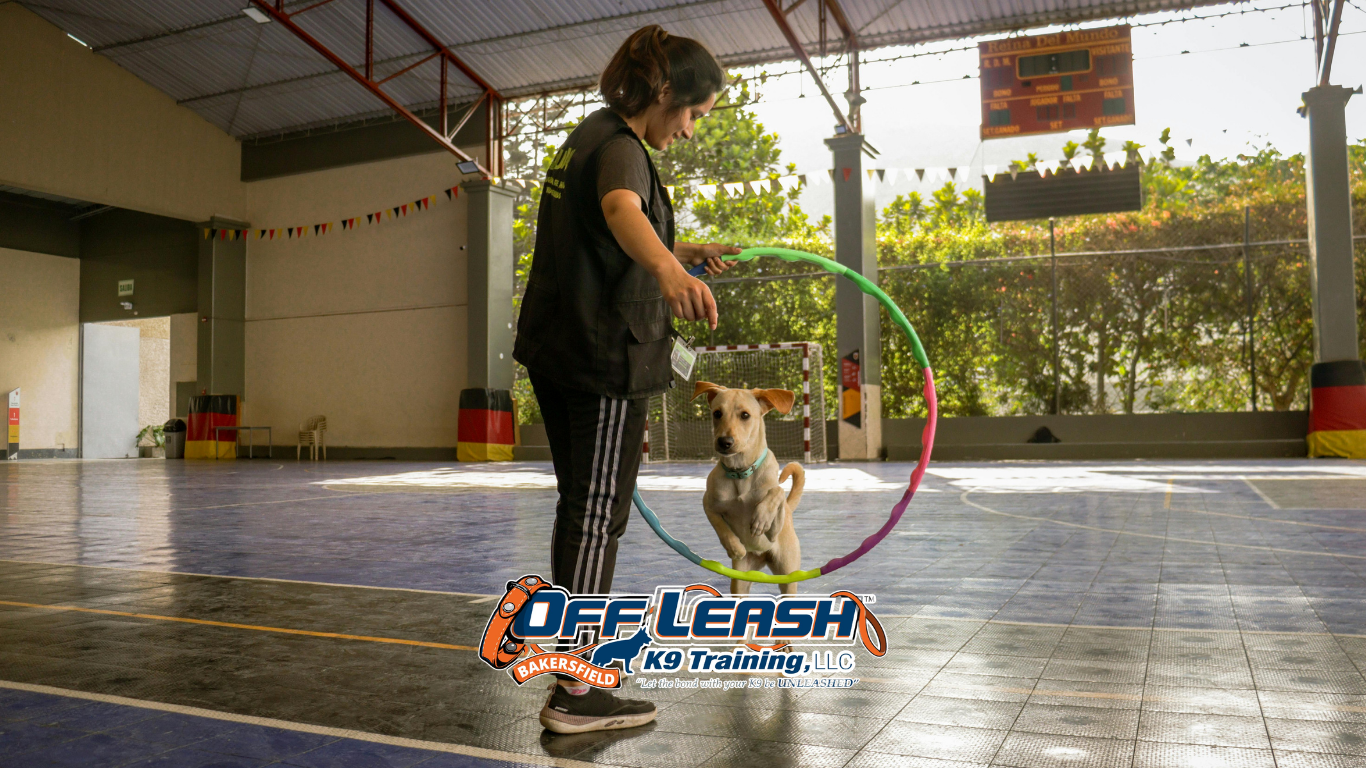
How Emotional Control Improves Obedience Performance
Training a dog becomes significantly more effective when emotional control is taken into account. Consider the scenario where a dog trainer remains calm and composed even if the dog shows signs of anxiety or distraction. Such emotional stability can influence the dog, making it more likely to respond positively to commands.
Historically, obedience training has emphasized the importance of consistency and reward-based techniques. However, recent studies highlight that a trainer’s emotional demeanor can drastically influence a dog’s learning curve. Data shows that dogs trained by emotionally controlled handlers exhibit up to 40% higher success rates in obedience tasks compared to those trained by handlers lacking emotional restraint.
Emotional control in dog training helps create a calm environment, making dogs feel secure and focused. Trainers who maintain emotional stability reduce the dog’s anxiety, leading to quicker learning and better retention of commands. This relationship between trainer demeanor and canine behavior enhances overall obedience performance effectively.

How Emotional Control Improves Obedience Performance for Dog Training
Maintaining emotional control while training dogs significantly boosts their obedience performance. When trainers stay calm, dogs can sense this and are more likely to feel secure and focused. A study showed that dogs trained with emotionally stable trainers were 40% more successful in following commands. This indicates a direct link between a trainer’s emotional state and a dog’s ability to learn. Such stability helps in creating a positive training environment.
Emotional control also influences the speed at which dogs learn new commands. Dogs are very perceptive and can easily pick up on human emotions. When a trainer is composed, the dog is less likely to feel anxious or stressed. This calm atmosphere helps dogs concentrate better, making them quicker to grasp new behaviors. Ultimately, they retain what they learn more effectively.
To enhance emotional control during training, trainers can practice several techniques. Regular deep-breathing exercises can help maintain calmness. Some trainers find that short meditation sessions before training can be beneficial. Practicing consistent routines can also reduce stress levels for both trainers and dogs. By implementing these strategies, teaching becomes more efficient and enjoyable.
Common mistakes in dog training often stem from a lack of emotional control. Frustration or impatience from the trainer can confuse the dog. Addressing these emotional setbacks is essential for consistent training success. Observing and adjusting one’s emotional responses can lead to better outcomes. Understanding the emotional dynamics in dog training is key to improving obedience performance.
Defining Emotional Control in the Context of Dog Training
Emotional control in dog training means managing one’s emotions to create a calm atmosphere for the dog. It involves staying composed even in challenging situations. This composure helps the dog to feel secure and focused. Emotional control is not only about avoiding negative emotions like frustration. It’s also about promoting positive emotions such as patience and encouragement.
When a trainer maintains emotional control, they send a clear message to the dog. Dogs are highly sensitive to human emotions and can quickly pick up on stress or anger. Consistent emotional control helps in establishing a stable training environment. This stability enables the dog to learn commands more effectively. The calmer the trainer, the more receptive the dog becomes.
Several techniques can help improve emotional control in dog training. Practicing mindfulness is one effective method. It involves focusing on the present moment without judgment. Deep breathing exercises are also beneficial. These techniques help trainers stay relaxed and focused during training sessions.
Emotional control also means being consistent with reactions. Sudden changes in a trainer’s mood can confuse the dog. Consistency helps in building trust between the trainer and the dog. This trust is crucial for successful obedience training. Understanding and practicing emotional control allows for a smoother training journey.
The Link Between Trainer’s Emotions and Canine Behavior
A trainer’s emotions have a powerful impact on a dog’s behavior. Dogs are incredibly perceptive and can sense even minor changes in human emotions. If a trainer is stressed or frustrated, the dog may become anxious or fearful. This emotional connection can influence how well the dog learns and follows commands. Positive emotions from the trainer lead to better engagement from the dog.
When trainers remain calm, dogs tend to mirror that calmness. This mirroring effect creates a peaceful training environment. In such a setting, dogs are more likely to pay attention and learn quickly. Emotional control helps in reducing behavioral issues. Dogs trained by emotionally stable trainers are usually more obedient and less aggressive.
Trainers using positive reinforcement techniques experience better outcomes. Rewarding good behavior with treats or praise encourages obedience. Emotional control ensures that rewards are given consistently. Inconsistent emotional responses can confuse the dog. Therefore, steady positive reinforcement paired with emotional control leads to effective training.
Understanding this link involves recognizing the signs of canine stress. Trainers should look for cues like yawning, pacing, or avoiding eye contact. These behaviors indicate that the dog senses emotional distress. Addressing these emotions can help improve the training process. A calm trainer results in a more confident and well-behaved dog.
Impact of Emotional Control on Learning Speed and Retention
Emotional control significantly impacts how quickly dogs learn and retain new commands. When trainers stay calm, the training environment becomes peaceful, helping the dog focus better. Focused dogs are more likely to understand commands faster. This leads to quicker learning and better performance. Therefore, emotional stability in trainers plays a vital role in the speed of learning.
Trainers’ emotional control also affects how well dogs remember what they’ve been taught. A calm training environment helps dogs concentrate, making it easier for them to retain information. Stressful situations can overwhelm the dog’s ability to remember commands. Consistent emotional control ensures that training sessions are productive. As a result, dogs retain learned behaviors more effectively.
Using emotional control, trainers can provide clear and consistent signals to dogs. Clear signals reduce confusion during training sessions. Additionally, emotional control helps in maintaining consistency while rewarding good behavior. This consistency is crucial for effective learning. Dogs that receive consistent rewards are more likely to remember and repeat good behaviors.
Incorporating emotional control techniques can enhance training efficiency. Techniques like deep breathing and mindfulness can help trainers stay focused and calm. Regular practice of these techniques can transform the training process. It allows for a more controlled and effective approach. Thus, trainers and dogs can achieve better results together.
Positive reinforcement combined with emotional control boosts a dog’s learning speed. For example, a trainer who remains calm and uses treats or praise effectively can see faster improvements. This combination makes the training experience enjoyable for both the dog and the trainer. Encouraging positive emotions during training fosters a stronger bond. This bond further enhances the dog’s willingness to learn and perform.
Strategies to Enhance Emotional Control During Training Sessions
Enhancing emotional control during training sessions involves several effective strategies. Practicing mindfulness is one technique that helps trainers stay grounded. Mindfulness encourages focusing on the present moment, reducing stress. This practice can be as simple as taking a few deep breaths before starting a session. Such mindfulness techniques can significantly improve emotional control.
Regular exercise is another way to boost emotional control. Physical activity reduces stress levels and improves mood. Trainers who incorporate exercise into their routines are often calmer and more relaxed. This physical well-being translates into better emotional stability during training. Thus, regular workouts can enhance a trainer’s overall emotional resilience.
Consistent routines are also beneficial for maintaining emotional control. Planning and following a set training schedule creates a structured environment. This structure helps both trainers and dogs know what to expect. Predictability reduces anxiety, leading to smoother training sessions. Consistency in routines enhances emotional control for better training outcomes.
Conflict resolution techniques can be valuable additions to emotional control strategies. Learning to handle disagreements or frustrations calmly is crucial. Techniques such as active listening and taking short breaks can help manage emotions during stressful moments. This approach helps in maintaining a positive training atmosphere. Practicing these techniques consistently can improve emotional control.
Using visual aids can also enhance emotional control. Visual aids include charts, diagrams, or videos that guide training steps. These tools provide a clear roadmap, reducing uncertainty and stress. By relying on these resources, trainers can focus more effectively. Visual aids offer structured support, which can help manage emotions during training.
Incorporating relaxation techniques into the daily routine can make a big difference. Techniques such as deep breathing exercises and progressive muscle relaxation can be very helpful. Regular practice of these techniques keeps trainers calm and focused. This calmness positively affects training sessions. Emotional control is greatly enhanced by these simple yet effective techniques.
Common Mistakes and How to Address Emotional Setbacks in Dog Training
One common mistake in dog training is allowing frustration to take over. When a dog doesn’t follow commands, it’s easy for trainers to lose patience. This frustration can confuse the dog and slow down the training process. Taking a break during these moments can help both the trainer and the dog reset. Returning with a calm mindset improves the chances of success.
Inconsistent emotional responses are another frequent issue. Dogs need consistency to understand what is expected of them. If a trainer’s emotions fluctuate too much, the dog may feel insecure. Maintaining steady emotions, even when the dog makes mistakes, is crucial. Consistency builds trust and helps dogs learn better.
Emotional setbacks often occur when trainers have unrealistic expectations. Expecting too much too soon from a dog can lead to disappointment and stress. Breaking down training goals into smaller, achievable steps can help. Celebrating small victories keeps morale high for both the trainer and the dog. This approach reduces emotional stress and makes the training process more enjoyable.
Lack of self-awareness is another mistake that impacts emotional control. Trainers must be aware of their own stress triggers. Identifying these triggers helps in managing reactions better. Regular self-reflection and mindfulness practices can increase self-awareness. This leads to improved emotional control and a more positive training experience.
Improper body language can also send mixed signals to a dog. Dogs read human body language very well. If a trainer’s body language shows stress, the dog can become anxious. Practice maintaining relaxed body language, like an open posture and a calm voice. This helps convey a peaceful environment which aids in better training outcomes.
Frequently Asked Questions
Understanding how emotional control impacts dog training is crucial for effective obedience training. Here are some common questions and detailed answers to help you comprehend the topic better.
1. Why is consistency important in dog training?
Consistency helps dogs understand what is expected of them. If trainers give clear and consistent commands, dogs are less confused and can learn more efficiently. This kind of stability is essential because it builds a predictable environment for the dog.
When dogs know what to expect, they feel more secure. This security is crucial for their mental well-being and enhances their ability to follow commands. Consistency also helps in reinforcing positive behaviors, making the training process smoother and more effective for both the trainer and the dog.
2. How can I manage my frustration during dog training?
Managing frustration involves taking regular breaks during training sessions. When you feel frustrated, pause and breathe deeply to regain composure. This prevents negative emotions from affecting the dog’s behavior.
Maintaining a positive mindset is also crucial. Focus on the progress your dog has made rather than the mistakes. Celebrating small victories helps keep your emotions in check and creates a more enjoyable training atmosphere.
3. What techniques can improve emotional control while training?
Practicing mindfulness techniques can be highly effective. Simple practices like deep breathing, meditation, and regular physical exercise help maintain emotional balance. These activities lead to a calm and focused state of mind.
Another valuable technique is setting realistic expectations. Break down your training goals into small, manageable tasks. This reduces stress and enhances emotional control by making the training process less overwhelming for both you and your dog.
4. Can my emotional state affect my dog’s learning speed?
Yes, your emotional state significantly impacts your dog’s learning speed. Dogs are sensitive to human emotions and can pick up on stress or frustration. When you remain calm, your dog is more likely to be relaxed and attentive.
This emotional stability helps the dog learn commands more quickly and retain the information for a longer time. A peaceful training environment enables better communication between you and your dog, enhancing the overall effectiveness of the training.
5. Why do dogs need emotional security during training?
Emotional security is vital for dogs to focus and learn effectively. When dogs feel safe, they are more willing to engage in training activities and follow commands. This sense of security builds trust between the trainer and the dog.
Dogs that feel secure are less likely to display anxiety-related behaviors, which can hinder the training process. Providing a stable and supportive training environment helps in achieving better obedience performance and reinforces positive behaviors.
Conclusion
Emotional control plays a crucial role in effective dog training. A calm and composed trainer creates a positive environment that helps dogs focus and learn more efficiently. Consistency and patience help build a trusting relationship between the trainer and the dog.
By using techniques like mindfulness and setting realistic expectations, trainers can improve their emotional stability. This leads to better training outcomes and a happier, well-behaved dog. Emotional control is an essential skill for any successful dog trainer.
"*" indicates required fields