Outdoor Dog Training for Markets and Festivals
Historically, dogs have been companions in crowded spaces, assisting farmers and traders, but today’s urban settings require advanced levels of discipline. According to the American Kennel Club, well-trained dogs are less likely to show signs of stress in chaotic environments, boosting both their happiness and safety. Techniques like positive reinforcement and gradual exposure can make a significant difference, ensuring that dogs of all temperaments enjoy their market visits.
Training dogs for outdoor markets and festivals involves ensuring they are well-socialized, comfortable with crowds and loud noises, and trained in basic commands such as sit, stay, and leave it. Gradual exposure to similar environments, using positive reinforcement techniques, can help them adjust and enjoy these bustling settings safely.
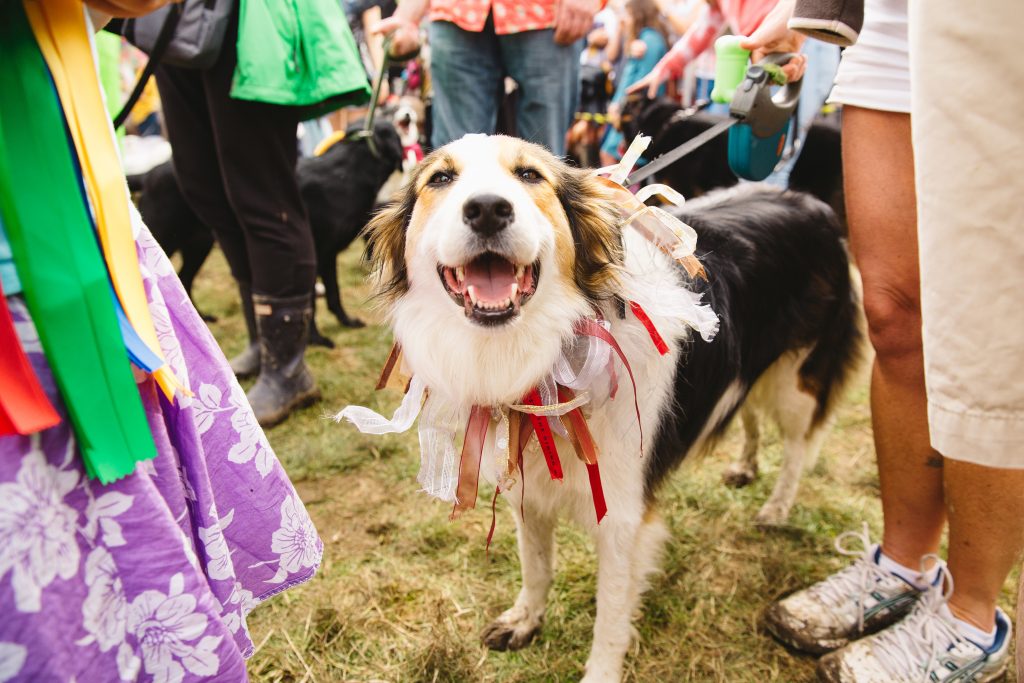
Training dogs for outdoor markets and festivals
Training dogs for outdoor markets and festivals can be a rewarding experience. These environments are full of new sights, sounds, and smells that can be overwhelming for unprepared dogs. It’s essential to start with basic obedience training at home. Commands like sit, stay, and leave it are crucial. Gradual exposure to similar environments can ease the transition.
Key skills for these settings include socialization, staying calm, and ignoring distractions. Socialization helps dogs feel comfortable around people and other pets. Practicing in parks or smaller public gatherings can be beneficial. Calm behavior reduces stress for both the dog and owner. Ignoring distractions, like food stalls or loud noises, ensures safety and enjoyment for everyone.
Before attending an event, ensure your dog is healthy and well-fed. Prepare a checklist of essentials for the outing:
- Water and a portable bowl
- Leash and harness
- Waste bags
- Favorite toy or blanket
- Treats for positive reinforcement
Understanding and addressing common challenges can make all the difference. Dogs might get anxious due to the crowd or unfamiliar surroundings. Signs of anxiety include excessive panting, whining, or drooling. It’s important to recognize these signs and provide comfort. Patience and consistency in training are key to a successful experience.
Key skills dogs need for market and festival environments
For dogs to thrive in market and festival environments, socialization is essential. Being comfortable around people and other dogs ensures they aren’t overwhelmed. This can be achieved through regular visits to dog parks. Socialization should start from a young age. It helps dogs build confidence and adaptability.
Another important skill is impulse control. Dogs need to resist the temptation to chase moving objects or grab food from stalls. Teaching commands like “leave it” and “stay” can be beneficial. Practice these commands in distracting environments. Treats and positive reinforcement can aid in training.
Calm behavior is crucial in crowded places. Dogs should be able to stay relaxed even when there are loud noises or sudden movements. Techniques like desensitization can help. Gradually exposing dogs to different sounds prepares them for busy events. Always reward calm behavior with praise or treats.
Lastly, leash manners cannot be overlooked. Walking politely on a leash without pulling ensures a pleasant experience for both the dog and owner. Practice walking in different environments to reinforce this skill. Consistency is key in training leash manners. A well-mannered dog makes outings more enjoyable for everyone.
Preparing your dog before attending crowded events
Preparing your dog for crowded events requires gradual exposure to similar environments. Start with smaller, less crowded places like parks. This helps your dog adjust to being around people and other animals. Gradually increase the complexity of environments. Practice basic commands to reinforce good behavior.
Ensuring your dog is physically well-prepared is crucial. This means regular vet check-ups and keeping vaccinations up to date. Exercise your dog before attending the event to burn off excess energy. A tired dog is less likely to get overly excited. Carry a first aid kit for any unforeseen issues.
Mental preparation is equally important. Familiarize your dog with the sights and sounds they might encounter. Use sound recordings and visuals at home for this purpose. Desensitization techniques make the actual event less overwhelming. Regular practice will help your dog remain calm.
Equip yourself with the necessary items for a successful outing. Common essentials include:
- Water and portable bowl
- Comfortable leash and harness
- Treats for positive reinforcement
- Waste bags
- Identification tags
Equipment essentials for safe and enjoyable outings
Ensuring you have the right equipment is vital for a safe and enjoyable outing with your dog. A sturdy leash and harness provide control and security. Opt for adjustable harnesses that distribute pressure evenly. This prevents injury and ensures comfort. Reflective gear is also beneficial for visibility, especially in low light.
Hydration is crucial during long outings. Carry a portable water bowl and enough water to keep your dog hydrated. Many parks and festivals may not have adequate water sources for pets. Frequent breaks for water can prevent overheating. Monitoring your dog for signs of dehydration is essential.
Bringing along waste bags is a fundamental aspect of responsible pet ownership. Cleaning up after your dog maintains a clean environment. Having enough waste bags ensures you are always prepared. Many parks have designated disposal areas. Keeping the area tidy reflects well on all pet owners.
Treats and toys are excellent for reinforcing good behavior and providing distractions. Treats can be used to reward obedience and calmness. Choose durable toys that can withstand rough play. Having a favorite toy can also comfort your dog. It’s helpful to rotate toys to maintain interest.
Comfort items like a blanket or a portable bed can make resting more enjoyable for your dog. These items provide a familiar smell and feel in foreign places. They can help reduce anxiety. A comfortable resting spot is especially useful for long stays at events. Make sure to place it in a shaded, cool area.
Lastly, identification tags are a must. Ensure your dog wears a collar with a tag displaying your contact information. This helps in case they get lost. Microchipping is also a good idea for added security. Keeping your dog’s information up to date is crucial.
Dealing with distractions, noise, and food stalls
Distractions are abundant at markets and festivals. People, other dogs, and food stalls present numerous temptations. Teaching your dog to focus on you despite these distractions is essential. Use commands like “watch me” to capture their attention. Practice these commands in various settings to reinforce their effectiveness.
Noise can be particularly overwhelming for dogs. Gradually desensitize your dog to loud sounds. Use recordings of crowd noises and play them at a low volume. Gradually increase the volume over time. Reward your dog for staying calm during these sessions.
Food stalls are a common challenge at events. The smells can lure dogs into unwanted behaviors. Train your dog with the “leave it” command. Practicing this command around food at home can help. Supervise your dog closely when near food stalls to prevent issues.
Maintaining a routine can help manage distractions. Stick to your dog’s regular feeding and walking schedule. Familiar routines provide a sense of security. This can make new environments less stressful. Consistency is key to helping your dog adjust.
Using positive reinforcement techniques can effectively deal with distractions. Rewarding calm behavior encourages your dog to remain focused. Use treats, praise, or a favorite toy. Consistent positive reinforcement helps your dog learn appropriate behavior. Always be patient and persistent.
Having a designated rest area can be beneficial. A shaded spot or portable crate offers a quiet retreat. This helps your dog take breaks from the hustle and bustle. Ensuring your dog has a comfortable place to relax supports their well-being. Regular breaks prevent overstimulation and exhaustion.
Common challenges and troubleshooting behavioral issues
Encountering behavioral issues is common when taking dogs to outdoor markets and festivals. Anxious behavior, such as whining or shaking, is one such issue. Gradual exposure to similar environments can help reduce anxiety over time. Comforting your dog with familiar items also helps. Always be patient and reassuring with your pet.
Aggression towards other dogs or people can be problematic. Using a controlled environment, like a dog park, to socialize your dog can mitigate this behavior. Engage in regular, positive encounters with other dogs. If aggression persists, consulting a professional trainer is advisable. Consistency and calmness are essential during these training sessions.
Another challenge is dogs getting overly excited and pulling on the leash. Training your dog to walk calmly on a leash should start at home. Use commands like “heel” and reward them for good behavior. Practice in gradually busier environments to reinforce the training. A harness can also offer better control than a collar.
Barking excessively in crowded places can be disruptive. Identify the cause of the barking, whether it is fear, excitement, or seeking attention. Use commands like “quiet” to train your dog to stop barking. Positive reinforcement for staying quiet can be effective. In some cases, working with a professional trainer may be necessary for persistent barking issues.
Lastly, resource guarding, where a dog becomes possessive over food or toys, can surface in crowded areas. Teaching your dog to share and leave items on command reduces this behavior. Monitor your dog’s body language for early signs of resource guarding. Practicing these commands in a controlled environment ensures better behavior in public. Maintaining calm energy and providing consistent training are the keys to success.
Frequently Asked Questions
In this section, we address common questions about training dogs for various busy environments. These answers will help you ensure your dog is well-prepared and comfortable in these settings.
1. How can I socialize my dog for public places?
Socializing your dog begins with exposure to different environments. Start by taking them to parks during quieter times, gradually increasing exposure to busier times as they get comfortable. Let them observe the surroundings from a distance and gradually move closer as they show signs of ease.
Encourage positive interactions with other dogs and people, rewarding calm behavior with treats and praise. Regularly visiting different places helps your dog become accustomed to various sights, sounds, and smells, making them more adaptable in public areas.
2. What commands are essential for dogs in crowded environments?
Basic commands such as sit, stay, and come are crucial for controlling your dog in crowded places. These commands help manage their movements and ensure they stay close to you, preventing them from getting lost or causing disruptions. Additionally, the command “leave it” can prevent your dog from picking up or eating anything harmful from the ground.
Training your dog to walk calmly on a leash without pulling is also important. Consistent practice of these commands in various environments strengthens your dog’s response, making outings more enjoyable for both of you.
3. Why is a proper leash and harness important?
A proper leash and harness are vital for maintaining control over your dog in busy settings. A sturdy, well-fitted harness can distribute pressure more evenly, preventing injury and ensuring comfort for your dog. Leashes should be strong and of appropriate length to provide control without restricting movement.
Reflective gear on leashes and harnesses can enhance visibility, especially in low-light conditions, keeping both you and your dog safer. Using the right equipment is essential for a secure and pleasant experience during crowded outings.
4. How can I handle my dog’s anxiety in crowded places?
If your dog shows signs of anxiety, start by keeping visits to busy places short and gradually increasing the duration. Familiar objects such as a favorite toy or blanket can provide comfort. Positive reinforcement through treats and praise when your dog stays calm can help reduce anxiety over time.
Consider using products like anxiety wraps or speaking to your vet about options if your dog’s anxiety is severe. Creating positive associations with these environments and being patient and consistent can significantly improve your dog’s comfort level in crowded places.
5. Are there any specific items I should bring to busy public events?
Prepare a dog-friendly kit for outings, including a water bottle and portable bowl to keep your dog hydrated. Bring a leash and harness, waste bags, and treats for training and rewarding good behavior. A favorite toy can help keep your dog occupied and comforted.
If you plan to stay for extended periods, consider bringing a portable dog bed or blanket for resting. Having these items ensures your dog’s needs are met and enhances their comfort and enjoyment at public events.
Conclusion
Training dogs for outdoor markets and festivals requires patience, consistency, and the right techniques. By focusing on socialization, essential commands, and proper equipment, you can ensure a positive experience for both you and your dog. Remember, gradual exposure and positive reinforcement are key to success.
With the right preparation, your dog can enjoy crowded environments safely and stress-free. Always prioritize their well-being and comfort throughout the process. A well-trained dog not only benefits from these experiences but also enhances the enjoyment of outings for everyone involved.
"*" indicates required fields