Building confidence in young dogs
Ever noticed a puppy cautiously peeking from behind the couch or skittishly retreating at the sight of a new object? Building confidence in young dogs can be as critical as proper nutrition and exercise. Just like children, puppies absorb experiences that shape their future behavior, making it paramount to foster a sense of security from an early age.
Historically, dog trainers have recognized the importance of socialization during a puppy’s formative months. Exposure to various environments, sounds, and people is essential to developing a well-rounded temperament. Studies show that puppies who undergo structured socialization are 30% less likely to develop anxiety-related disorders as adults, underscoring the long-term benefits of early confidence-building initiatives.
Building confidence in young dogs involves early socialization, positive reinforcement, and consistent training. Introduce puppies to various environments, sounds, and experiences gradually. Use treats and praise to reward bravery. Maintain a calm demeanor as dogs often mirror their owner’s behavior. Regularly challenge them with new situations to build resilience.
Building confidence in young dogs
Building confidence in young dogs is essential for their overall well-being and development. Puppies that are confident tend to be more adaptable and less fearful in new situations. This can lead to a happier, healthier life for your furry friend. The process of building confidence starts with socialization. Introducing them to different environments, sounds, and experiences in a positive manner is key.
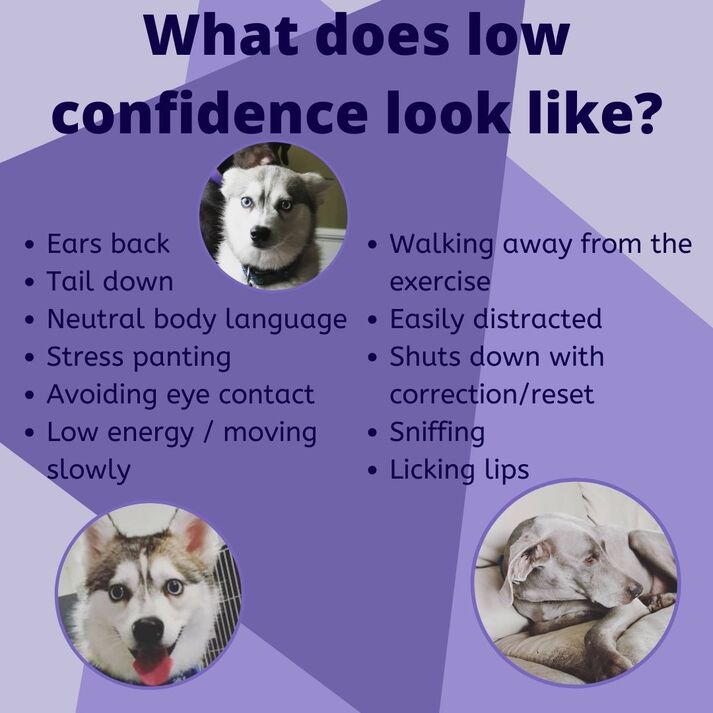
Another important aspect is to observe for common signs of low confidence. These include tail tucking, excessive barking, and avoiding new situations. Recognizing these signs early can help you address them before they become ingrained behaviors. Positive reinforcement techniques are very effective. Rewarding your dog for facing their fears helps build trust.
Practical exercises can also boost a puppy’s confidence. Simple routines like walking on different surfaces, meeting new people, and playing with various toys are beneficial. Training sessions should be short and fun to keep the puppy engaged. Always celebrate small victories. Consistent reassurance will reinforce positive behavior and build confidence.
It’s also crucial to consider your own behavior. Dogs often mirror their owner’s emotions and reactions. If you remain calm and encouraging during new experiences, your dog is more likely to feel secure. Establishing a trustful relationship is paramount. A confident dog will enjoy a more enriching life, making both you and your pet happier.
Key developmental stages for socialization
Understanding key developmental stages for socialization is essential in raising a well-adjusted dog. The first few weeks of life are critical. During this period, puppies begin to interact with their littermates and mother. They learn basic social skills and the importance of boundaries. This early interaction lays the groundwork for future development.
From three to twelve weeks, puppies enter a prime socialization window. This stage is crucial for exposure to different people, animals, and environments. Positive experiences during this time help reduce fear of new situations later in life. Puppies should be gently introduced to new stimuli. Consistency and encouragement during this phase are important.
The period from three to six months is another critical time for social growth. Puppies are more exploratory and curious during these months. This is an excellent time to introduce them to structured training classes. Regular exposure to diverse environments is beneficial. It is vital to maintain a positive approach throughout.
Adolescence, which can last from six months to two years, is the final key stage. Behavior may fluctuate significantly during this period. Continued reinforcement of positive social behaviors is necessary. Regular training sessions help maintain learned behaviors and prevent regression. It’s also a good time to introduce more complex social interactions.
Common signs of low confidence in puppies
Recognizing the common signs of low confidence in puppies can help address issues early. One typical sign is excessive barking in unfamiliar situations. This behavior often indicates fear or anxiety. A lack of interest in exploring new environments is another indicator. Puppies may stick closely to their owner rather than investigate their surroundings.
Body language can also reveal a lot about a puppy’s confidence level. For instance, a tucked tail is a clear sign of fear or insecurity. Low postures, such as crouching, and avoiding eye contact are additional signals. These physical manifestations show that the puppy feels threatened. They are trying to make themselves appear smaller and less noticeable.
Another sign of low confidence in puppies is avoidance behavior. This includes hiding behind furniture or people when faced with something new. It may also involve the puppy refusing to engage in play with other dogs. Understanding these behaviors can help in creating a more nurturing environment. Patience and gentle encouragement can build trust.
House training issues can sometimes be linked to lack of confidence. Puppies may have accidents indoors due to stress or fear. Consistency in training, along with positive reinforcement, can mitigate these issues. Creating a safe, predictable environment helps the puppy feel more secure. Over time, this can boost their overall confidence.
Practical exercises for boosting puppy confidence
Practicing practical exercises for boosting puppy confidence is a great way to ensure a well-rounded, happy dog. One effective exercise is to introduce your puppy to different surfaces such as grass, concrete, and sand. This variety helps them become comfortable with various textures. Walking on these surfaces in a safe, controlled manner builds trust. Rewards and praise during these experiences reinforce positive behavior.
Another useful exercise is to engage your puppy in basic obedience training. Simple commands like sit, stay, and come can significantly boost a puppy’s confidence. Make training sessions short and enjoyable. Use treats and praise to motivate your puppy. Consistent training helps establish a strong bond between you and your pet.
Playing socialization games is also beneficial. These games can include meeting new people and animals in a controlled environment. Gradually exposing your puppy to different social situations helps them become more adaptable. Always ensure these interactions are positive. This prevents developing fear or anxiety around new experiences.
Interactive toys can be another fun way to build confidence. Toys that challenge your puppy to think and solve problems are particularly useful. They provide mental stimulation and a sense of accomplishment. Examples include puzzle toys and treat-dispensing toys. These activities keep your puppy engaged and foster self-assuredness.
Creating a routine that includes exposure to new sounds can also help. Everyday noises like vacuum cleaners, doorbells, and traffic can be introduced gradually. Playing recordings of these sounds at low volumes to begin with can ease your puppy into them. Gradually increasing the volume helps them become accustomed to these sounds. This reduces the likelihood of noise-related anxiety.
Lastly, always remember to stay calm and patient. Your puppy will look to you for cues on how to react. Remaining positive and encouraging can make a big difference. Over time, these practical exercises can significantly boost your puppy’s confidence and help them grow into a well-adjusted adult dog.
The impact of owner behavior on a young dog’s self-assurance
The impact of owner behavior on a young dog’s self-assurance is profound. Dogs are highly intuitive and often mirror their owner’s emotions. If an owner is calm and confident, the dog is more likely to feel secure. Conversely, anxious or erratic behavior can lead to a nervous, unsettled dog. A consistent, positive demeanor is essential for fostering confidence.
Owners who actively engage with their puppies build better trust bonds. Regular playtime and training sessions strengthen this connection. Positive reinforcement, such as treats and praise, encourages desired behaviors. It also helps puppies understand what is expected of them. This clarity can significantly boost a puppy’s self-confidence.
Puppies thrive in structured environments where routines are predictable. An owner who maintains consistency in daily activities provides a sense of security. Feeding, walking, and play should follow regular schedules. This predictability helps reduce anxiety. Puppies learn to anticipate and feel safe in their daily life.
Additionally, exposing a puppy to new experiences while staying composed is vital. Owners should lead by example, showing confident behavior in various situations. Whether at the park or a busy street, a calm owner signals safety. This reassures the puppy, helping them adapt to new environments. Over time, this builds resilience.
Handling stressful situations with patience is also crucial. If a puppy becomes fearful, the owner’s reaction can either mitigate or intensify this fear. Remaining patient and gentle during these times teaches the puppy to handle stress better. This patience plays a significant role in long-term confidence. Supportive owner behavior can create a secure and self-assured dog.
Benefits of confident dogs in training and daily life
Confident dogs exhibit a range of benefits that positively impact their training and daily life. These dogs are more willing to engage in new activities and learn at a quicker pace. They tend to respond better to commands during training sessions. This willingness makes them more adaptable. It also strengthens their bond with their owners.
In daily life, confident dogs are less likely to develop behavioral issues. They handle new environments and situations without undue stress. This makes trips to the vet, parks, or social gatherings more manageable. Owners also experience less anxiety. The mutual trust enhances overall well-being for both the dog and the owner.
Furthermore, confident dogs interact better with other animals and people. They are more playful and less likely to exhibit fear-driven aggression. This improves their social life and enhances their quality of life. Owners can take them on various outings. These experiences enrich the dog’s life.
Health benefits also accompany higher confidence levels. Confident dogs tend to have lower stress levels, leading to better physical health. Chronic stress in dogs can result in digestive issues, reduced immune function, and behavioral problems. A confident, relaxed dog is generally healthier. Their good health reduces vet visits and related costs.
Lastly, training a confident dog can be a more enjoyable experience. The dog sees challenges as opportunities rather than threats. This makes learning new tricks and behaviors fun for both the dog and the owner. The positive reinforcement cycle builds a stronger, more resilient bond. This ultimately leads to a happier, more harmonious household.
Frequently Asked Questions
Building confidence in young dogs is a crucial task for any dog owner. Here are some common questions about this topic to help you better understand how to support and nurture your puppy.
1. What are effective ways to socialize a puppy?
Puppies can be effectively socialized by exposing them to various experiences, environments, and people. Introduce them gradually to different sights, sounds, and smells, like taking them on walks in busy areas or visiting friends’ homes.
Joining puppy training classes or playgroups also helps with socialization. These provide controlled environments where puppies can interact with other dogs and learn good behavior. Consistent positive reinforcement during these experiences builds their confidence.
2. How can I help my puppy with separation anxiety?
Gradual desensitization to being alone can help with separation anxiety. Start by leaving your puppy alone for short periods and gradually increase the time over weeks, making sure they are comfortable.
Providing engaging toys or treats when you leave can redirect their focus, easing anxiety. Consistency in your routine also helps them feel secure. If anxiety persists, consulting a professional dog trainer or veterinarian is advisable.
3. Why is my puppy afraid of other dogs?
Your puppy might fear other dogs due to a lack of socialization or a negative past experience. Gradual exposure to calm and well-behaved dogs in a controlled environment can help them overcome this fear.
Positive reinforcement, such as treats and praise, when they approach or interact with another dog can build their confidence. Ensure these encounters are stress-free and gradually increase the exposure to other dogs.
4. What role does positive reinforcement play in building a puppy’s confidence?
Positive reinforcement is crucial for building a puppy’s confidence. Rewarding desirable behaviors with treats, praise, or play encourages them to repeat those actions, reinforcing their confidence.
This method helps puppies understand what behaviors are expected and rewards them for compliance. Consistency and timing are key: immediately reward positive behavior to effectively associate the action with the reward.
5. How can I introduce my puppy to new environments safely?
Introducing your puppy to new environments should be a gradual process. Begin with familiar places and slowly introduce new locations, always ensuring the experiences are positive and not overwhelming.
Keep initial visits short, and increase the exposure time as your puppy becomes more comfortable. Bringing along familiar items like a favorite toy can provide comfort. Always monitor their reactions and be ready to reassure them if they show signs of distress.
How To Build Confidence \u0026 Reduce Anxiety In Fearful and Anxious Dogs
Conclusion
Building confidence in young dogs is essential for their development and overall well-being. Through early socialization, consistent training, and positive reinforcement, you can nurture a self-assured and adaptable pet. Your approach and behavior significantly impact your puppy’s confidence, so stay calm and encouraging.
Confident dogs enjoy better training outcomes and a higher quality of life. They handle new experiences and environments with ease, making everyday activities more enjoyable for both of you. By investing time and energy in these practices, you’re setting the foundation for a happy, healthy dog.
"*" indicates required fields