Proofing dog commands in distractions
Ensuring your dog can obey commands amidst distractions is vital – around half of dogs fail to respond to commands in such situations. This fascinating aspect of canine training demands an understanding of how dogs perceive and react to their environment. To effectively proof their commands, one must delve into their sensory world, much like an expert painter understands every color on their palette.
Historically, dog training methods have evolved significantly, with early approaches focusing predominantly on repeated practice in controlled settings. However, studies highlight that 90% of dogs perform better when trained using proofing techniques in varied environments. Solutions such as gradually introducing distractions and reinforcing consistency have proven highly effective in enhancing obedience amidst chaos.
Proofing dog commands in distractions involves consistent training in varied environments, gradually increasing the complexity of distractions. Use positive reinforcement to maintain focus and reward correct responses. Regularly evaluate progress and adjust techniques as needed to ensure command reliability, even amidst unpredictable elements or new settings.
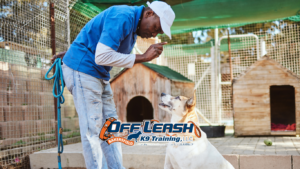
Proofing dog commands in distractions
Proofing your dog’s commands in the presence of distractions is crucial for effective training. Dogs can easily lose focus with loud noises, other animals, or new environments. Consistent practice in different settings is essential to build a reliable response. Gradually increase the level of distraction during training sessions. This helps the dog adapt and maintain command obedience.
Begin with minimal distractions, like a quiet room, and gradually move to more challenging environments. The park, streets, or areas with other dogs are good practice spots. Reinforce commands with positive reinforcement, such as treats or praise. This builds the dog’s association with obeying commands regardless of distraction levels. Keep sessions short but frequent to maintain the dog’s interest.
Using various training techniques can also be effective. For example, obedience drills incorporating toys or other training aids can make the sessions engaging for the dog. Incorporating these methods helps the dog focus better. Consistency in using the same commands and rewards is also crucial. Dogs learn better with repetition and routine reinforcement.
Monitoring your dog’s progress is essential. Regularly evaluate how well they obey commands in different situations. Adjust the training intensity based on this evaluation. It’s important to be patient and avoid scolding your dog if they struggle. Instead, offer more practice and positive reinforcement to guide them through distractions.
Key challenges when distractions are present
Training a dog amidst distractions poses several challenges. One common issue is the dog getting easily sidetracked by new smells or movements. These stimuli can make it tough for the dog to focus on their owner’s commands. Overcoming this requires patience and a lot of practice. Building focus takes time, especially in busy environments.
Another challenge is the unpredictability of distractions. A sudden loud noise or unexpected animal can disrupt training. These unpredictable elements can cause the dog to lose concentration. Consistency becomes difficult with such interruptions. It’s crucial to gradually introduce these elements to mitigate their impact over time.
Some dogs may develop anxiety or stress when exposed to high levels of distractions. This can impact their learning and response to commands. Using positive reinforcement can help alleviate their stress. Creating a calm environment initially before introducing distractions is beneficial. This approach helps build the dog’s confidence.
Owners may also face their own challenges during distracted training sessions. Keeping calm and consistent is key. Reacting negatively to a dog’s distraction can worsen the situation. Instead, reinforcing positive behavior encourages better results. Training both the dog and owner to handle distractions effectively is essential for success.
Steps to build reliability with dog commands
Building reliability with dog commands starts with consistency. Regular training sessions at the same time every day help establish a routine. This consistency helps the dog understand when to expect training. Use the same commands each time for clear communication. Varied commands can confuse the dog and hinder their learning.
Using positive reinforcement is essential for consistent training. Dogs respond well to rewards like treats or praise. Reinforce good behavior immediately after the dog obeys a command. This connection helps them understand what actions are rewarded. Over time, the dog associates the command with positive outcomes.
Gradually increasing training complexity is also important. Start with basic commands in a simple setting. As the dog improves, introduce distractions or more challenging environments. This gradual progression helps build the dog’s confidence and command reliability. Pushing too quickly can overwhelm the dog and slow progress.
Regularly evaluating the dog’s progress ensures effective training. Adjust the training methods if the dog isn’t responding well. It’s important to remain patient and flexible. Some commands may take longer to master than others. Keeping a training log can help track improvements and identify areas needing more focus.
Popular techniques for training around distractions
One effective technique is the use of distance training. Start by giving commands at a close range, then gradually increase the distance. This helps the dog learn to obey even when farther away from you. It builds their trust and confidence. Distance training can be practiced in open spaces like parks.
Another approach is the “ignore the distraction” technique. Introduce a mild distraction and reward the dog for focusing on the command instead. You can use treats, toys, or verbal praise as rewards. Gradually increase the distraction level while maintaining focus. This strengthens the dog’s ability to ignore potential distractions.
Incorporating the “watch me” command can also be beneficial. Teach your dog to make eye contact with you on this command. This technique redirects their attention back to you. Use treats or a favorite toy to reinforce this behavior. Eye contact helps maintain focus during training sessions.
Integrating obstacle courses into training can be both fun and useful. Set up simple obstacles such as cones, tunnels, or jumps. Guide your dog through these while giving commands. This engages their mind and body, improving command retention. Varying the course layout keeps the training interesting.
Practicing in different environments is crucial for reliable training. Train at home, in the park, on busy streets, and other locations to expose your dog to various distractions. This diversity helps the dog learn to obey commands anywhere. It also builds their adaptability. Consistent practice in diverse settings ensures well-rounded training.
Evaluating progress: Measuring command retention
Measuring your dog’s command retention is vital for tracking training success. One effective method is the “proofing test.” During different stages of training, test your dog in various environments. This helps identify commands they’re consistent with. It also highlights areas needing more practice.
Using a command journal can provide valuable insights. Maintain a record of your dog’s responses across different commands. Note the circumstances and levels of distractions during each session. This data helps in spotting trends and evaluating progress over time. Adjust your strategy based on these observations.
Randomly integrate command drills throughout the day. Instead of formal training sessions, prompt your dog with commands during everyday activities. This spontaneity checks their true command retention. Incorporate rewards to encourage positive responses. These random tests can reveal their actual training level.
Peer assessment is another useful tool. Allow friends or family members to test the dog with commands. Different voices and styles can challenge your dog. This practice assesses their ability to respond to various handlers. It ensures commands aren’t dependent only on you.
Lastly, video recording training sessions can be enlightening. Record both successful and unsuccessful attempts. Reviewing these videos helps understand your dog’s behavior better. It also shows what techniques work best. Over time, you can build a visual record of progress.
Common mistakes to avoid during proofing
Avoid pushing the dog too quickly. Jumping to high levels of distractions too soon can overwhelm the dog. It’s important to gradually increase the challenge. Let the dog master each level before moving to the next. This pace ensures steady progress without stress.
Consistency is crucial, as using different commands for the same action can confuse the dog. Stick to one word or phrase per command. Mix-ups make it harder for the dog to understand. Clear, consistent communication speeds up learning. Repetition helps cement the commands.
Neglecting rewards can lower motivation. Always reward good behavior promptly. This reinforces the positive association with obedience. Skipping rewards can confuse the dog about what actions are desired. Rewards help maintain their enthusiasm.
Avoid training for too long in one session. Short, frequent sessions are more effective. Long sessions can tire the dog and reduce concentration. Keeping training fun and engaging prevents frustration. Rotate activities to maintain interest and keep the dog responsive.
Lastly, neglecting to proof in varied environments is a common mistake. Dogs might excel in one location but struggle in others. Training in multiple settings ensures the dog can generalize commands. Diversity in training locations builds adaptability. It prepares the dog for real-world scenarios.
Frequently Asked Questions
Training dogs to respond to commands despite distractions can be challenging. Here are some common questions and answers on this topic to help you navigate the process effectively.
1. How important is consistency in dog training?
Consistency is vital in dog training because dogs learn through repetition and clear expectations. When you use the same commands and techniques, your dog understands what is expected. This reduces confusion and speeds up learning. Inconsistent training makes it difficult for dogs to follow commands reliably.
Consistent routines also help build trust between you and your dog. They know what to expect and feel more secure. Over time, this leads to a stronger bond and better obedience. Therefore, maintaining consistency in training sessions is essential for positive results.
2. What are the best rewards to use during dog training?
The best rewards depend on what motivates your dog the most. Common options include treats, praise, and favorite toys. Treats are a popular choice because they are quick and easy to deliver. Small, tasty rewards can be very effective in encouraging good behavior.
Praise and affection also work well for many dogs. A simple “good job” or a pat on the head can reinforce positive behavior. Using a variety of rewards can keep training interesting and enjoyable for your dog. This helps maintain their motivation and engagement.
3. Can older dogs be trained to respond to commands around distractions?
Yes, older dogs can learn to respond to commands around distractions. While it may take more time and patience, with consistent training and positive reinforcement, they can improve. Older dogs often already have basic training, which can be built upon.
Training sessions should be shorter and more frequent to keep older dogs engaged. Gradually introduce distractions to prevent overwhelming them. With persistence, older dogs can learn to respond reliably even in distracting environments. Age should not be a barrier to effective training.
4. How can I avoid frustration during training sessions?
Avoiding frustration during training sessions involves setting realistic expectations and taking breaks when needed. Training should be fun and stress-free for both you and your dog. If either of you becomes frustrated, it’s best to stop and try again later.
Breaking training into short, frequent sessions can help maintain a positive atmosphere. Celebrate small victories and progress, no matter how minor. Patience and a positive attitude go a long way in making training enjoyable for both you and your dog.
5. Should I use punishment if my dog gets distracted during training?
No, using punishment when your dog gets distracted is not recommended. Punishment can create fear and anxiety, making training more difficult. It’s better to redirect their attention and use positive reinforcement to encourage the desired behavior.
Instead, reward your dog for focusing back on you. Over time, they will learn that paying attention to you has positive outcomes. Training should build a positive relationship between you and your dog, not create fear or stress.
Conclusion
Proofing dog commands amidst distractions is an ongoing process that demands patience and consistency. Tailoring the training sessions to include various environments can significantly enhance your dog’s obedience. Each small step forward is progress worth celebrating, building a solid foundation for future training.
By avoiding common mistakes and employing effective techniques, you can ensure your dog’s command reliability. Remember, the goal is to foster a positive training experience that strengthens the bond between you and your dog. Consistent practice will pay off in the long run, resulting in a well-behaved and focused companion.
"*" indicates required fields