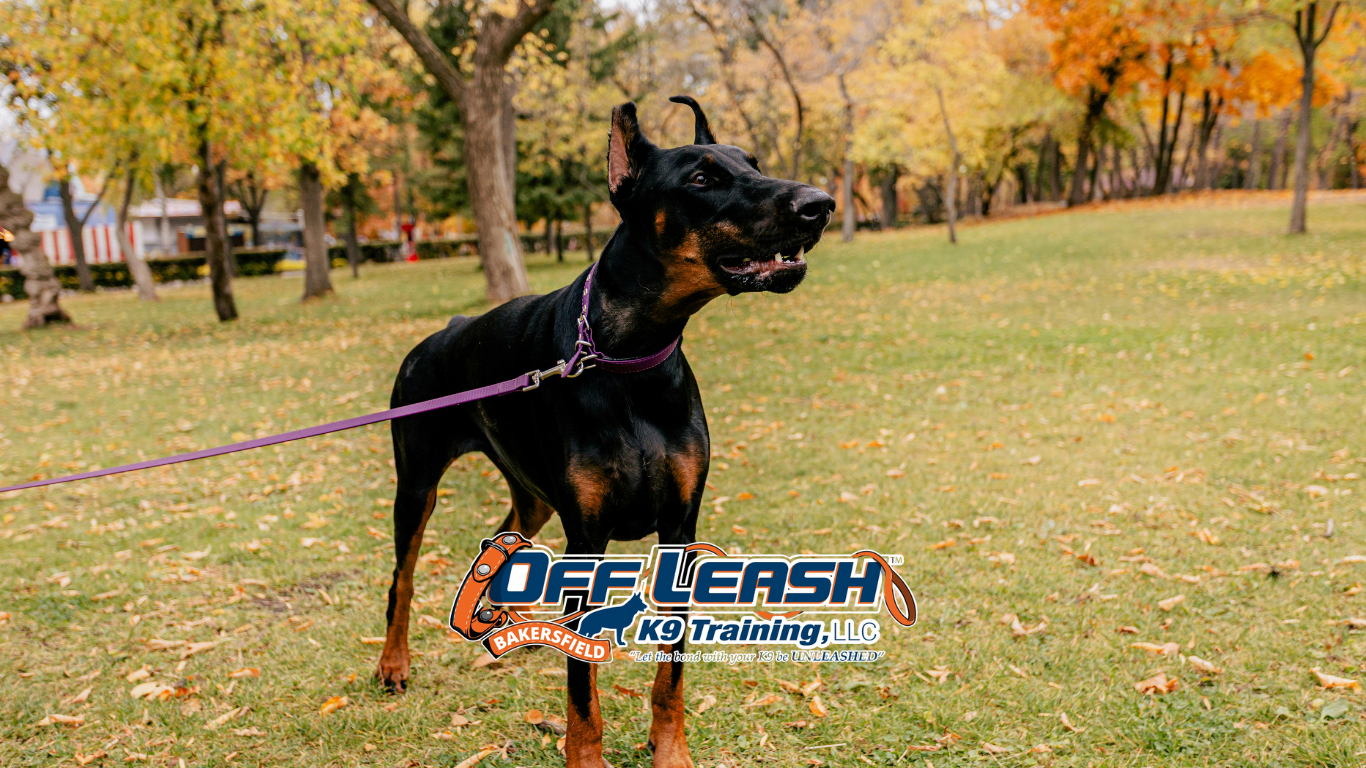
Leash manners in crowded areas
Did you know that more than 60% of injurious falls among adults caused by tripping over a dog leash happen in crowded urban areas? Walking your dog in bustling places is a common activity, but it requires significant attention to leash manners. This not only ensures the safety of your pet but also of the people around you.
Historically, leash laws date back to the 1800s when urban environments grew denser, and the need for controlled pet handling became apparent. Today, it’s essential to keep your dog close, ideally no more than six feet away, to avoid tangling or sudden lunges. Training your dog to walk calmly and not to pull can significantly reduce the risk of accidents and enhance the enjoyment of crowded spaces for everyone.
Proper leash manners in crowded areas involve keeping the dog on a short, secure leash to prevent accidents or disruptions. Consistent training ensures the dog remains calm and responsive. Handlers should also stay alert to their surroundings and react calmly to potential distractions, ensuring a safe and enjoyable environment for all.
Leash manners in crowded areas
Walking your dog in a crowded area requires good leash manners to ensure the safety of everyone. When navigating busy streets or parks, keeping your dog close and in control is crucial. Allowing a dog to wander too far can cause accidents or disrupt others. It’s also important to remain alert and react calmly to sudden changes in the environment. A steady, confident handler can help a dog feel secure in bustling spots.
One common mistake is using a retractable leash in crowded environments. These leashes can extend too far, giving the dog too much freedom in tight spaces. Instead, a standard six-foot leash is preferable as it offers better control. Proper leash behavior also involves training the dog not to pull or lunge. This helps prevent sudden movements that could trip or bump into people nearby.
Several tools and techniques support effective leash control in crowded areas. For example, a front-clip harness can help reduce pulling, giving the handler more control. Treats and positive reinforcement can encourage the dog to stay by your side. It’s also beneficial to practice in less busy areas before tackling more crowded spots. Consistent practice builds both the handler’s and dog’s confidence.
Benefits of good leash manners extend beyond safety. They allow for more enjoyable outings for both the dog and their owner. Well-behaved dogs are often welcomed in more places, increasing opportunities for socialization. Additionally, good manners reflect well on the owner, setting a positive example for other dog handlers. Ultimately, good leash behavior contributes to a harmonious community.
Key elements of proper leash etiquette in public spaces
Proper leash etiquette in public spaces starts with understanding your dog’s behavior. Recognizing your dog’s signals can help you anticipate their actions. This awareness allows you to manage situations before they escalate. Additionally, maintaining a close leash control, typically six feet or less, helps to prevent accidents. It also ensures that your pet remains within a safe distance.
Another important element is respecting the space of others. Not everyone is comfortable around dogs, so giving people space is courteous. When walking, keep your dog on a short leash and close to your side. This practice minimizes the chances of your dog approaching strangers without permission. Always ask before allowing your dog to greet someone.
Training plays a significant role in leash etiquette. Basic commands like “sit,” “stay,” and “heel” are useful in crowded areas. Using treats to reward good behavior encourages obedience. Consistent training helps your dog understand what is expected of them. Regular practice reinforces these behaviors, making them second nature to your dog.
Proper leash etiquette also includes being prepared. Carrying essentials like poop bags ensures you can clean up after your dog. Bringing water is essential for long walks or hot days. Consider using hands-free leash options to keep your hands available. Being prepared makes the walk more enjoyable and shows consideration for others.
Common mistakes handlers make in busy environments
One common mistake handlers make in busy environments is allowing the leash to extend too far. This can create a tripping hazard for others and increases the risk of the dog running into danger. Handlers should keep the leash short to maintain better control. Retractable leashes are particularly problematic in these settings. A standard six-foot leash is a safer choice.
Another mistake is not paying attention to the dog’s body language. Dogs often give signals when they are anxious or excited, and missing these cues can lead to reactive behavior. Handlers should regularly check their dog’s posture and reactions. This helps in addressing any issues before they escalate. Staying aware can prevent problems and keep the walk smooth.
Handlers sometimes neglect to train their dogs for crowded scenarios. Training a dog for busy environments should start in quieter areas. Gradually introducing distractions helps a dog learn proper behavior. Without this preparation, a dog might misbehave or become overly excited. Proper training is crucial for maintaining control in crowded spaces.
A lack of preparation can also lead to problems. Handlers should always carry essentials like waste bags, water, and treats. Planning for different scenarios ensures that the walk can go smoothly. Being prepared helps the handler address any issues quickly. It also makes for a more pleasant experience for both the dog and the handler.
Benefits of well-trained leash behavior for dogs and people
Well-trained leash behavior offers numerous benefits for both dogs and their owners. For dogs, it creates a sense of security and structure. When dogs understand what is expected of them, they feel more comfortable. This reduces their anxiety and makes walks more enjoyable. It also prevents them from developing problematic behaviors.
For owners, a well-behaved dog on a leash reduces stress during outings. Maintaining control of the dog ensures the safety of both the pet and the handler. This makes walks more relaxing and pleasant. Additionally, it increases the likelihood of positive interactions with other people and animals. Owners can feel proud of their dog’s good behavior.
Proper leash manners can open up more opportunities for both dogs and people. Well-behaved dogs are welcome in more places, such as parks, cafes, and other public spaces. This expands the dog’s experience and allows them richer social interactions. Owners also benefit from the increased socialization. Meeting other dog handlers and engaging in community events becomes more feasible.
Another important benefit is the physical exercise that both dogs and owners get from walking. Regular walks contribute to a dog’s physical health and mental well-being. It helps maintain a healthy weight and provides mental stimulation. For owners, it’s a great way to incorporate exercise into their routine. Walking together strengthens the bond between dog and owner.
In communities, well-trained dogs help promote a positive image of dog ownership. People are more likely to appreciate well-managed pets and their considerate owners. This boosts the overall reputation of dog owners in the community. Good leash behavior can encourage others to train their pets properly. The result is a more pet-friendly and harmonious community.
Practical training tips for leash manners in crowds
Start training your dog in quieter environments before moving to busy areas. Gradually increase the level of distractions to help your dog adjust. This method builds your dog’s confidence and reduces anxiety. Small steps make a big difference. Consistent practice is key.
Use treats and positive reinforcement to encourage good behavior. Reward your dog for walking calmly by your side. This reinforces the idea that good behavior brings rewards. Avoid punishing bad behavior; instead, redirect your dog’s attention. Patience and positivity yield the best results.
Teaching basic commands like “sit,” “stay,” and “heel” can be very helpful. These commands provide control in potentially chaotic situations. Practice these commands regularly, even when your dog is not on a walk. Consistency helps your dog understand and respond better. Commands are essential tools for managing leash manners.
Consider using a front-clip harness to prevent pulling. This type of harness provides more control and is gentle on your dog. It helps guide your dog in the right direction. Proper equipment plays a vital role in leash training. Choose the gear that best suits your dog’s needs.
Stay calm and relaxed when walking in crowded areas. Your dog can sense your emotions, so staying calm helps keep them calm. If you feel anxious, take deep breaths and focus on the positive. A confident handler leads to a confident dog. Together, you can navigate crowds successfully.
Engage your dog with toys or interactive activities if they become distracted. This helps keep their focus on you and the task at hand. In busy environments, attention can easily wander. Staying engaged keeps your dog attentive. Always have a backup plan for keeping your dog’s interest.
Tools and gear to support effective leash control in public
Using the right tools and gear is essential for maintaining effective leash control in public spaces. A sturdy, six-foot leash provides optimal control and is suitable for most dogs. Retractable leashes can be problematic, as they often give too much freedom in crowded areas. Instead, a fixed-length leash is easier to manage. Ensuring your leash is made of strong, durable material can prevent it from breaking.
A front-clip harness is an excellent tool for dogs that tend to pull. This type of harness discourages pulling by steering the dog to the side when they try to lunge forward. It is more comfortable and safer for the dog compared to traditional collars. Using a front-clip harness can make walks more enjoyable for both you and your pet. Always ensure the harness fits properly to avoid any discomfort.
Head collars are another option for better leash control. These collars fit around your dog’s muzzle and head, helping to direct their attention towards you. They are particularly useful for larger or more reactive dogs. Head collars can take some getting used to but are very effective. It’s important to use them as a training aid and not a permanent solution.
Hands-free leashes are great for those who want more freedom during their walks. These leashes attach to your waist, allowing you to use both hands for other tasks. They are especially useful for runners or those pushing strollers. Hands-free leashes can provide better balance and control. Make sure to choose a durable and adjustable model for the best fit.
Having a supply of treats and clickers can be highly beneficial for training in public. Treats reward good behavior and keep your dog focused on you. Clickers provide a consistent sound that marks desired behavior, making communication clearer. Always carry these tools with you on walks. Consistent use can speed up the training process.
Addressing challenges: Reactive dogs and unpredictable situations
Handling reactive dogs in public spaces can be challenging. The key is understanding what triggers your dog’s reactions. Common triggers include other dogs, loud noises, or sudden movements. Identifying these triggers allows you to anticipate your dog’s behavior. Avoiding or managing these situations can prevent incidents.
Training techniques like counter-conditioning and desensitization can help manage reactivity. Counter-conditioning involves changing your dog’s emotional response to a trigger by pairing it with something positive, like treats. Desensitization gradually introduces the trigger at a low intensity until your dog becomes accustomed to it. These methods require patience and consistency but are highly effective. Working with a professional trainer can also provide guidance.
Avoiding unpredictable situations altogether isn’t always possible, so it’s essential to be prepared. Carry tools such as treats, toys, or even an air horn to distract and redirect your dog’s attention during difficult moments. Distraction techniques can defuse tense encounters quickly. Also, having a backup plan in case things become too overwhelming is wise.
It’s crucial to maintain open communication while on walks. Inform other handlers of your dog’s reactivity if they approach too closely. Using signals like colored leashes or bands that indicate a reactive dog helps others understand and respect boundaries. This proactive communication fosters safer interactions for everyone involved.
- Avoid peak walking times when areas are busier
- Select quieter routes that offer more space
- Practice commands regularly at home before going out
Lastly, reinforce good behavior consistently at home and outside using praise and rewards. A calm environment helps stabilize reactive behavior over time. Remember that progress may be slow but stay patient with your dog’s development. Celebrate small victories along the way!
Social responsibility and community guidelines for pet owners
Pet owners have a social responsibility to ensure their dogs behave well in public places. Proper leash manners are crucial in crowded areas to prevent accidents and disturbances. Respecting community guidelines helps maintain harmony. Simple actions like cleaning up after your pet show respect for public spaces. This keeps environments clean and enjoyable for everyone.
Adhering to local leash laws is another important responsibility. Many cities require dogs to be on a leash at all times when in public. Leash laws are enforced to protect both the pets and people. Violating these laws can result in fines or other penalties. Following rules ensures a safe environment for all.
Pet owners should also be mindful of training their dogs for social situations. Well-trained dogs are less likely to cause trouble. Training includes basic commands and socialization skills. Regular practice reinforces good behavior. This makes public outings more pleasant and stress-free.
Community members appreciate considerate pet handlers. Respecting others’ personal space, especially those who are uncomfortable around dogs, is important. Always ask permission before allowing your dog to approach someone. This courtesy helps build a positive image of pet ownership. Positive interactions foster a supportive community.
- Keep your dog on a short leash in crowded areas
- Carry waste bags and clean up after your pet
- Comply with all local leash laws and regulations
- Train your dog to follow basic commands
- Educate yourself on dog behavior and communication
Maintaining a well-behaved pet also encourages others to follow suit. Seeing responsible pet owners inspires others to take similar steps. It helps in setting a standard for acceptable behavior. Role models in the community play a significant role in establishing norms. Together, pet owners can create a respectful and friendly environment.
Training resources and further reading for advanced handlers
For advanced handlers looking to refine their training, numerous resources are available. Online courses and webinars offer in-depth lessons on advanced training techniques. Websites like the American Kennel Club (AKC) provide a wealth of information. These resources cover topics ranging from behavior modification to agility training. Engaging with these materials can significantly enhance your skills.
Books written by professional trainers offer valuable insights. Titles like “The Culture Clash” by Jean Donaldson and “Don’t Shoot the Dog!” by Karen Pryor are highly recommended. These books delve into the psychology of dog behavior and training. They also provide practical tips you can apply immediately. Reading these can give you a well-rounded understanding of advanced training concepts. Resource Author/Provider The Culture Clash Jean Donaldson Don’t Shoot the Dog! Karen Pryor
Working with professional dog trainers can also be immensely beneficial. Enrolling in advanced training classes offers hands-on experience. Trainers provide personalized feedback specific to your dog’s needs. This one-on-one guidance helps address specific challenges. Group classes are also valuable for practicing in controlled environments with other dogs.
Joining dog training clubs or groups can expand your knowledge and network. These communities often host workshops, seminars, and events focusing on advanced training. They offer opportunities to learn from experienced handlers and trainers. Participating in these groups fosters a collaborative learning environment. Building connections with like-minded individuals can be a great support system.
For those interested in competitive aspects, organizations like the Association of Professional Dog Trainers (APDT) offer certifications. These programs provide structured learning paths and assessments. Obtaining certifications demonstrates your commitment to high standards. It can also open up professional opportunities. Pursuing these paths can be both challenging and rewarding.
Frequently Asked Questions
Understanding leash manners can make walks more enjoyable and safe for everyone. Here are some common questions and answers about leash etiquette and dog handling in public spaces.
1. How can I stop my dog from pulling on the leash?
To stop your dog from pulling, start by using a front-clip harness, which helps redirect their movement. Practice commands like “heel” and “stay” regularly. Reward your dog with treats and praise for walking calmly by your side. Consistency is key in reinforcing good behavior. Over time, your dog will learn that pulling does not get them where they want to go.
Training should begin in a low-distraction area, gradually introducing more distractions as your dog improves. Patience is essential, as some dogs may take longer to learn than others. Rewarding positive behavior and not giving attention to pulling will help reinforce good habits. Seek professional help if necessary to address persistent issues.
2. What tools are best for leash training a puppy?
For leash training a puppy, a standard six-foot leash and a well-fitted collar or front-clip harness are ideal. These tools provide control without harming your puppy. Avoid retractable leashes, which can cause injuries and encourage pulling. Start training in quiet areas free from distractions, gradually introducing new environments.
Positive reinforcement, such as treats and praise, will help your puppy associate good behavior with rewards. Short, frequent training sessions are more effective than longer ones. Keep the experience enjoyable for your puppy to build a positive association with leash training. Consistency and patience will yield the best results.
3. Why is it important to use a leash in public spaces?
Using a leash in public spaces ensures your dog’s safety and the safety of others. I
Conclusion
Understanding and practicing proper leash manners in crowded areas is essential for the safety and enjoyment of all involved. A well-trained dog not only ensures a pleasant experience but also fosters a positive community atmosphere. Investing time in training and using the right tools can make a significant difference.
Expert handlers know the value of continuous learning and adapting to new techniques. Resources and community support play a vital role in this journey. By prioritizing leash etiquette, we contribute to a safer and more harmonious public space for everyone. A responsible approach benefits both our pets and our communities.
"*" indicates required fields