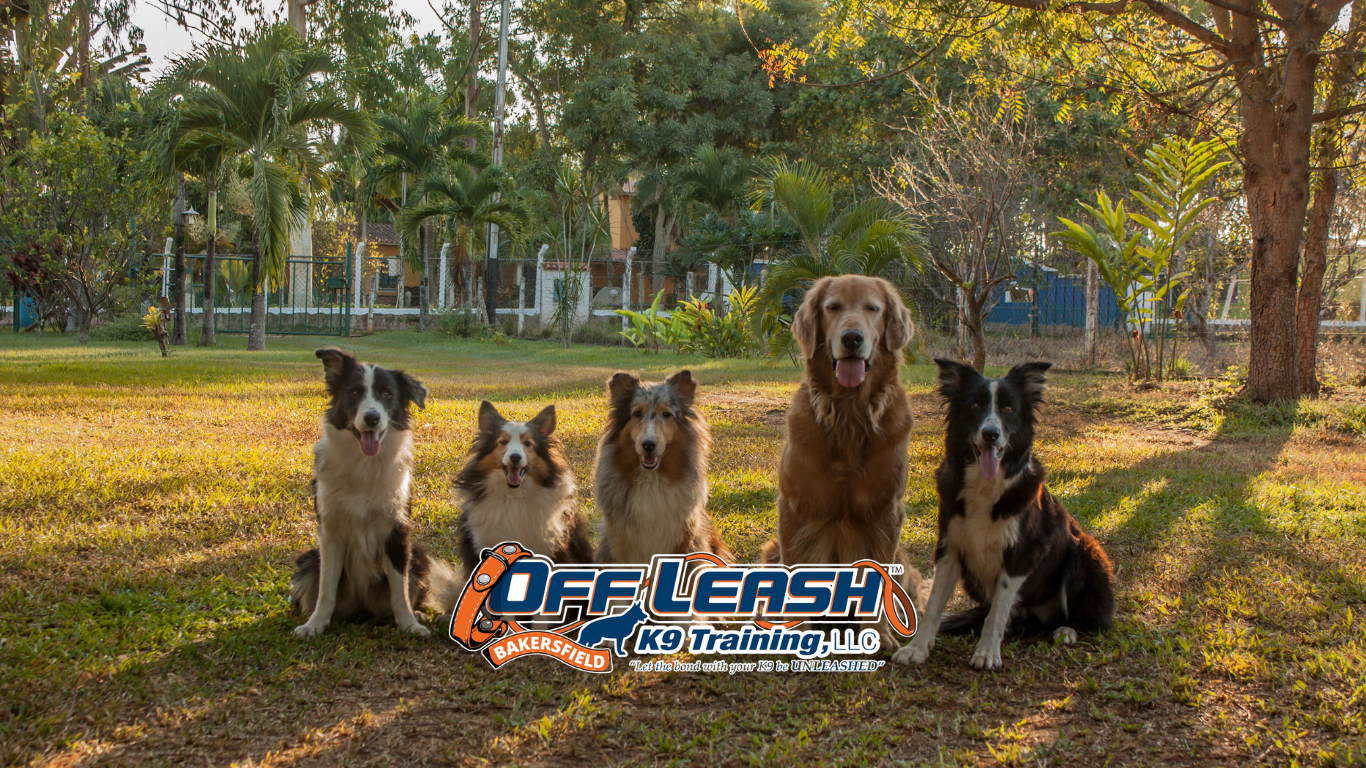
Training dogs in multi-dog households
Training dogs in multi-dog households can be quite the adventure, often akin to orchestrating a symphony with multiple instruments. Have you ever observed how each dog displays a unique personality, yet they can harmonize beautifully with proper guidance? This dynamic not only challenges but also enriches the training experience.
Historically, pack mentality plays a significant role, where dogs naturally seek a leader for direction. According to the American Pet Products Association, 38% of U.S. households own multiple dogs, indicating the commonality of this training scenario. Establishing individual training sessions as well as group dynamics is key; addressing attention, social skills, and obedience ensures a balanced and orderly home environment.
Training dogs in multi-dog households requires understanding pack dynamics, consistent routines, and individual attention. Utilize positive reinforcement techniques to establish leadership and set clear boundaries. Combining group training sessions with individualized training helps address each dog’s unique needs while fostering a cohesive, well-behaved pack.
Training Dogs in Multi-Dog Households
Training dogs in multi-dog households presents unique challenges and requires a tailored approach. Unlike single-dog homes, there is a need to manage pack dynamics. Each dog might respond differently to training methods, making consistency vital. You must consider the pack hierarchy as well. Recognizing the leader among your pets can help in managing behaviors.
Balancing individualized and group training sessions can help in addressing specific needs. Every dog has its personality and learning pace. Conducting solo training allows focus on each dog’s unique challenges. Group training, on the other hand, helps in reinforcing learned behaviors collectively. Incorporating both methods leads to a more cohesive training experience.
Effective leadership is key in multi-dog households. Establishing your role as the pack leader instills discipline and respect in your pets. Setting boundaries ensures each dog knows its limits. Regular reinforcement of these boundaries during training is essential. Consistency and patience will greatly improve training outcomes.
Behavioral issues are more common in multi-dog homes. Dogs may become territorial or overly competitive. Addressing these issues early prevents them from escalating. Using tools like crates or playpens can help manage behavior. Reliable training resources and professional guidance are invaluable in maintaining harmony among multiple dogs.
Key challenges of training multiple dogs together
Training multiple dogs together can be tricky due to pack dynamics. Each dog has a unique personality and role within the group. This makes it challenging to apply a one-size-fits-all training approach. Dogs can get distracted by each other. Keeping their attention focused is often difficult.
Another significant challenge is jealousy and competition. Dogs might vie for your attention and treats. This can lead to aggressive behaviors. To mitigate this, ensure equal attention and rewards. Maintaining this balance is crucial.
Space management is also essential during training sessions. Each dog needs enough room to practice commands. Crowded spaces can lead to chaos and confusion. Using barriers or designated areas can help manage training more effectively. This setup supports organized learning.
Consistency is harder to maintain with multiple dogs. Each dog might require different amounts of repetition to learn commands. This can slow down the training process. To address this, set a consistent training schedule. Enforce the same rules and commands for all dogs.
Strategies for individualized vs. group training
Choosing between individualized and group training for your dogs depends on their unique needs. Individualized training allows focus on one dog’s specific behavior issues. This method suits dogs with anxiety or aggression problems. It also helps to build confidence in a controlled environment. Personalized attention leads to faster learning.
Group training has its advantages as well. It provides socialization opportunities, which are crucial for well-rounded behavior. Dogs learn how to interact properly with others. This mimics real-life scenarios they will face daily. It also promotes patience and sharing during training sessions.
Combining both individualized and group sessions can yield the best results. Start with individual training to address specific issues first. Once comfortable with basic commands, introduce group training. This way, your dog has a solid foundation to build upon. The combined approach ensures well-rounded development.
To manage training effectively, use a structured schedule. Allocate specific times for solo and group sessions. Consistency is crucial for reinforcing learned behaviors. During group sessions, use positive reinforcement techniques. Continue to highlight and reward good behavior.
Establishing leadership and boundaries in the pack
Establishing leadership in a multi-dog household is crucial for maintaining order. Dogs view their family as a pack and need a leader. Without proper leadership, they might try to take control. Consistent commands and routines help assert your role. This approach fosters respect and obedience.
Setting boundaries is equally important. Each dog should know what is acceptable and what is not. Clear boundaries prevent confusion and behavioral issues. For example, designate specific areas for eating and sleeping. This structure makes dogs feel secure and minimizes conflicts.
Reinforce leadership and boundaries through positive reinforcement. Reward good behavior with treats or praise. Consistent reinforcement ensures dogs follow rules. Avoid harsh punishments, as they can lead to fear and anxiety. Instead, focus on encouraging desired behaviors.
Here are some effective strategies to establish leadership and boundaries:
- Use clear and consistent commands
- Implement regular feeding and training schedules
- Enforce rules calmly and consistently
- Ensure each dog has its own space
- Provide regular exercise and mental stimulation
Regular training sessions reinforce your leadership. Short, daily sessions keep the lessons fresh. Involve all family members to ensure consistency. By working together, your pack remains well-behaved and harmonious. This creates a peaceful environment for everyone.
Addressing behavioral issues unique to multi-dog homes
Multi-dog households often face unique behavioral challenges such as aggression and resource guarding. Dogs may become territorial over their space or possessions. To minimize this, provide individual feeding areas and separate toys for each dog. Supervise playtime to ensure no dog becomes overly dominant. Early intervention helps prevent escalation.
Another common problem is excessive barking. Multiple dogs can trigger each other’s barking, leading to a noisy environment. To address this, identify the cause of the barking. Often, it’s due to excitement, boredom, or fear. Use training techniques to manage and reduce unnecessary barking.
Social hierarchy disputes can also arise. In a pack, dogs naturally establish a ranking system. Conflicts over hierarchy can lead to fights and stress. Observing their interactions helps you recognize and address these disputes. Set clear rules and enforce them to maintain order.
Separation anxiety is more pronounced in multi-dog homes. Dogs can become overly attached to one another. If separated, they may exhibit destructive behaviors. Gradually train them to spend time alone. This fosters independence and reduces anxiety.
Implement consistent training routines to manage these issues. Here are some quick tips:
- Regular exercise to release excess energy
- Mental stimulation through puzzle toys
- Positive reinforcement for good behavior
- Socialization with other dogs and people
- Professional guidance if needed
Addressing behavioral problems early is key. Monitor each dog’s behavior regularly. Adjust your training methods as needed to suit their individual needs. Maintaining a balanced and peaceful multi-dog home is achievable with dedication and consistency. This benefits both the dogs and the family.
Tools, techniques, and resources for successful training
Effective training in a multi-dog household requires a combination of tools, techniques, and resources. Using the right tools can simplify the process. Clickers, leashes, and treat bags are essential for consistent training. These tools help in maintaining control and giving immediate feedback. They make the training process more efficient.
Various techniques can elevate your training efforts. Positive reinforcement remains the most effective method. Rewarding good behavior with treats and praise encourages repetition. Consistency in commands and rewards strengthens the learning process. Avoid negative reinforcement, as it can build fear and anxiety.
Technology has introduced a range of resources for dog training. Training apps provide structured programs and tracking capabilities. Online videos and tutorials offer step-by-step guidance from professionals. These resources are beneficial for both new and experienced trainers. They can also address specific behavioral issues.
Books and manuals continue to be valuable resources. They offer in-depth knowledge and numerous strategies for successful training. Here are some recommended titles:
- “The Other End of the Leash” by Patricia McConnell
- “Don’t Shoot the Dog” by Karen Pryor
- “Training the Best Dog Ever” by Larry Kay and Dawn Sylvia-Stasiewicz
Sometimes, professional guidance is necessary. Hiring a certified dog trainer can provide tailored strategies for your specific needs. Trainers offer hands-on assistance and address challenges you might face. Regular sessions with a professional ensure consistent progress. Combining these elements enhances overall training effectiveness.
Frequently Asked Questions
Training multiple dogs in one household comes with unique challenges. Here we address some common questions about effectively managing and training more than one dog at a time.
1. How can I prevent jealousy between my dogs during training?
To prevent jealousy, ensure each dog receives equal attention. Rotate individual training sessions to give each dog focused time. Reward all dogs when one performs a task well. This way, they associate success with positive outcomes without feeling left out. Including group exercises can also foster teamwork.
Maintain a positive environment by using treats and praise generously. Avoid showing favoritism, as this can fuel jealousy. Instead, create a balanced interaction where all dogs feel valued. Consistent, equal treatment helps reduce competitive behavior and builds harmony among your pets.
2. What is the best way to introduce a new dog to an existing pack?
Introduce a new dog gradually by allowing the existing dogs to sniff and observe the newcomer from a distance. Use controlled, neutral settings to minimize territorial aggression. Gradually increase their interaction time while supervising closely. This helps them get comfortable with each other at their own pace.
Positive reinforcement is key during these introductions. Reward both the new and existing dogs for calm behavior. Avoid rushed or forced interactions, as they can cause stress. A slow, steady introduction process helps establish a peaceful pack dynamic.
3. How do I handle resource guarding among my dogs?
Resource guarding can be tricky, but it’s manageable. Start by feeding dogs separately to prevent competition over food. Use designated areas for each dog’s meals and treats. This minimizes their need to guard resources from one another. Gradual desensitization techniques are also effective.
Provide plenty of toys and resources to reduce competition. Supervise playtime to intervene if guarding behaviors arise. Training sessions focusing on sharing and positive reinforcement can help. Consistency and patience are crucial in addressing resource guarding successfully.
4. Can I train all my dogs at the same time?
Training all dogs at the same time is possible but requires a structured approach. Start by training each dog individually to establish a strong foundation. Once they understand basic commands, you can gradually incorporate group training sessions. This helps reinforce their skills collectively.
During group sessions, use a variety of cues and rewards to keep all dogs engaged. Ensure all dogs get equal attention to prevent any one from dominating the session. Consistency in commands is key to maintaining group order. With practice, joint training can be highly effective.
5. What should I do if my dogs start fighting?
If your dogs start fighting, it’s important to remain calm. Loud noises or distractions like water sprays can help break up the fight. Never physically intervene directly, as you might get injured. Separate the dogs safely and give them time to cool down.
Identify the trigger of the fight and work towards addressing the underlying issue. Implement training plans focusing on desensitization and positive reinforcement for peaceful interactions. Regular, supervised training can prevent future conflicts. Consult a professional trainer if fights persist.
Conclusion
Training dogs in a multi-dog household requires a blend of patience, consistency, and understanding. Recognizing individual personalities and addressing them through a structured plan fosters harmony within the pack. Balancing individualized attention with group training sessions ensures that all dogs learn effectively.
Utilizing a variety of tools and techniques can simplify the training process. By setting clear boundaries and establishing leadership, you create a safe and structured environment for your dogs. With dedication and proper strategies, managing and training multiple dogs can be both rewarding and successful.
"*" indicates required fields