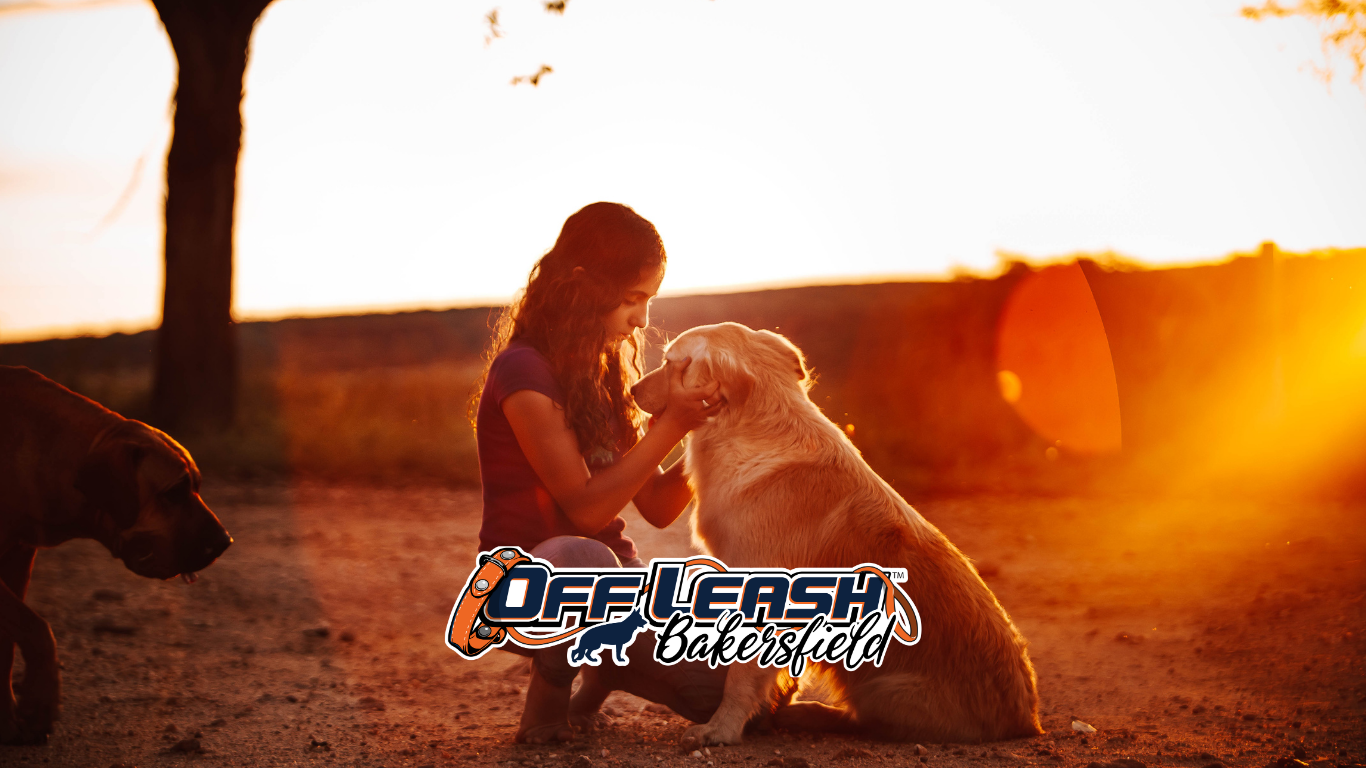
Mistakes dog owners make when training
According to a recent survey, over 60% of dog owners admit to making common mistakes during training. Often, these missteps lead to frustration and delays in their dogs’ learning processes. One dog owner shared how her inconsistent commands caused her dog to become confused and unresponsive, underscoring the importance of a structured approach.
One prevalent mistake is the lack of consistency in behavior reinforcement. History shows that dogs respond best to clear and consistent cues, yet many owners inadvertently send mixed signals. This inconsistency can confuse the dog and hinder progress. For example, using a study, 50% of dogs showed improved behavior when trained with uniform commands and regular schedules, highlighting the effectiveness of consistent training methodologies.
Common mistakes dog owners make during training include inconsistency in commands, neglecting positive reinforcement, poor timing of rewards and corrections, skipping socialization and exposure, and expecting instant results. These errors can lead to confusion, anxiety, and ineffective training outcomes for both the dog and owner.

Mistakes dog owners make when training
One common mistake dog owners make is inconsistency in commands. Dogs thrive on routine, and mixed signals can be confusing. Owners sometimes use different words for the same command, leading to confusion. Consistency is key to effective training. A clear and constant approach simplifies learning for dogs.
Another frequent mistake is neglecting positive reinforcement. Rewarding good behavior encourages dogs to repeat it. However, some owners forget this and focus only on correcting bad behavior. This can result in dogs feeling unsure about what is expected. Using treats, praise, and affection can greatly improve training outcomes.
Incorrect timing for rewards and corrections is another issue. Timing is crucial in dog training. If a reward is given too late, the dog might not connect it with the desired behavior. The same goes for corrections. Prompt responses ensure the dog understands the linkage between their actions and the consequences.
Lastly, many owners expect instant results and become frustrated. Training is a gradual process requiring patience. It’s important to set realistic goals and celebrate small victories. Rushing can stress both the owner and the dog. A patient, steady approach leads to lasting training success.
Inconsistency in commands and routines
Inconsistency in commands and routines can confuse dogs, making training difficult. When owners use different words or tones for the same command, dogs may not understand what is expected. For example, saying “sit” one day and “down” the next for the same action creates confusion. This inconsistency hinders progress and frustrates both the dog and the owner. Consistent commands and routines are essential for clear communication.
Dog training also requires consistent routines. A regular schedule helps dogs anticipate what is coming next, which reduces anxiety. When training sessions, meal times, and walks are at different times each day, it can disrupt a dog’s sense of security. Dogs thrive on predictability. Sticking to a routine makes training more effective.
The inconsistency isn’t just about commands and timing; it extends to rewards and corrections. If an owner is unpredictable with positive reinforcement or discipline, the dog learns that behaviors have uncertain outcomes. This can lead to more mistakes and confusion. Regular and predictable responses help dogs understand what behaviors are acceptable and which are not.
To address these issues, owners can create a structured training plan.
- Use the same words for commands each time.
- Maintain a regular schedule for training sessions.
- Be consistent with rewards and corrections.
Following these steps can lead to a smoother training process and a well-behaved dog.
Lack of positive reinforcement
Positive reinforcement is a powerful tool in dog training. When owners fail to use it effectively, dogs may become demotivated. Rewarding good behavior with treats, praise, or play encourages dogs to repeat those actions. However, if positive reinforcement is absent, dogs might not understand what is expected. Consistent rewards help reinforce desired behaviors.
Some owners focus too much on scolding bad behavior and neglect to praise good actions. This negative approach can lead to a fearful or anxious dog. Dogs need to know they are doing the right thing to build their confidence. Without positive reinforcement, training can become a frustrating experience for both the dog and the owner. Balance is key in nurturing a well-behaved pet.
Positive reinforcement also strengthens the bond between owner and dog. Trust is built when dogs associate their actions with positive outcomes. This bond makes training sessions more enjoyable and effective. For example, many dog trainers recommend using a clicker, followed by a treat, to mark good behavior. This method clearly communicates that the action was correct.
To effectively use positive reinforcement, owners can incorporate these methods:
- Give treats immediately after the desired behavior.
- Use enthusiastic praise and petting.
- Include favorite toys or playtime as rewards.
These strategies ensure the dog associates good behavior with positive experiences. Regular use of these methods leads to more consistent and successful training outcomes.
Incorrect timing for rewards and corrections
Incorrect timing for rewards and corrections in dog training can lead to confusion. Dogs live in the moment and need immediate feedback to understand their actions. If a reward is delayed, the dog might not link it to the behavior being reinforced. This delay can diminish the effectiveness of the training. Promptly rewarding good behavior is essential for clarity.
The same principle applies to corrections. Immediate feedback helps the dog understand which behavior is undesirable. If the correction happens too late, the dog may not associate it with the misbehavior. This can lead to repeated bad behavior. Proper timing for both rewards and corrections ensures the dog connects the consequence with the action.
Owners often struggle with the right timing, which can undermine training efforts. For example, if a dog jumps on guests and is scolded after the guests leave, the dog will be confused. Quick and consistent responses are necessary for effective training. Using tools like clickers can help mark behaviors accurately. This makes the connection between action and consequence clearer to the dog.
It’s also important to maintain consistency in timing across all family members. If one person rewards the dog immediately and another delays, the dog receives mixed signals. This can slow down the learning process. A unified approach by all family members ensures the dog receives clear, consistent messages.
The timing of corrections also affects the dog’s emotional state. Delayed corrections can cause unnecessary stress. Dogs might become anxious if they don’t understand why they are being corrected. Immediate, gentle corrections lead to a more relaxed dog who understands the boundaries. Reducing stress during training helps dogs learn more effectively.
To achieve accurate timing, consider these tips:
- Always have treats ready during training sessions.
- Use a clicker to mark the exact moment of good behavior.
- Correct unwanted behavior promptly but calmly.
These strategies ensure the dog associates feedback with their actions, leading to better training results.
Skipping socialization and exposure
Skipping socialization and exposure is a significant mistake in dog training. Socialization helps dogs learn how to interact with other animals and people. Without this experience, dogs can become fearful or aggressive. These behaviors are difficult to correct and make living with the dog challenging. Early, frequent exposure to diverse environments is key.
Socialization should start at a young age. Puppies have a critical window for socialization, usually between 3 and 14 weeks. During this time, positive experiences with new people, animals, and places are crucial. Missing this window can lead to long-term behavioral issues. Puppies exposed to various stimuli are more confident and adaptable adults.
Exposure to different environments is equally vital. Dogs that only know their home can be scared or anxious elsewhere. Regular walks, playdates, and visits to different places help dogs adjust to various situations. This exposure builds a well-rounded dog. An adaptable dog is easier to manage in new or unexpected settings.
Owners can use simple strategies for better socialization and exposure:
- Take the dog to parks and open spaces.
- Arrange playdates with other friendly dogs.
- Introduce the dog to new people regularly.
These activities teach the dog to remain calm and well-behaved in different scenarios. Consistent efforts lead to a more social and confident pet.
Socialization isn’t just about meeting other dogs and people; it’s also about new experiences. Exposure to different sounds, surfaces, and objects is important. Dogs should learn to be comfortable around household items like vacuums or lawnmowers. This wide range of experiences builds a dog’s confidence and reduces anxiety.
Failure to socialize can have serious consequences. Dogs that aren’t properly socialized might develop severe behavioral issues such as aggression or fearfulness. These behaviors can lead to dangerous situations for both the dog and humans. Well-socialized dogs are safer and happier. Therefore, making socialization a priority benefits everyone involved.
Frequently Asked Questions
Dog training can be a challenging yet rewarding experience for both owners and their pets. Below are some common questions and detailed answers to help you avoid pitfalls and achieve successful training.
1. How can owners improve consistency in commands?
Improving consistency in commands starts with using the same word or phrase for each command. This helps the dog clearly understand what is being asked. For example, always use “sit” rather than alternating with “sit down.” Consistent daily practice also helps reinforce these commands.
It’s also important for all family members to use the same commands. If different people use different commands, it can confuse the dog. Everyone should agree on a set of commands and stick to them. Consistency is key to effective communication with your dog.
2. Why is socialization crucial for puppies?
Socialization helps puppies learn how to interact with various environments, people, and other animals. This critical period usually occurs between 3 and 14 weeks of age. Proper socialization can prevent behavioral issues like fearfulness or aggression. Puppies raised with diverse experiences tend to be more confident and better adjusted.
During socialization, puppies should be exposed to different sounds, sights, and smells. Introducing puppies to a wide range of scenarios prepares them to handle new experiences in a calm manner. This contributes to their overall well-being and ease of living in different settings.
3. What are the benefits of positive reinforcement in dog training?
Positive reinforcement positively impacts a dog’s behavior by rewarding good actions. This method encourages dogs to repeat desirable behaviors. Common rewards include treats, praise, and playtime. It helps build a strong bond between the dog and owner, making training more enjoyable.
Another significant benefit is that positive reinforcement boosts the dog’s confidence. Dogs quickly learn what pleases their owners, fostering a happy and cooperative pet. This method is widely supported by trainers for its effectiveness and humane approach.
4. How does improper timing of rewards impact dog training?
Improper timing of rewards can confuse the dog. If a reward is given too late, the dog may not associate it with the correct behavior. This leads to ineffective training. For rewards to be effective, they need to be given immediately after the desired action.
Correct timing is crucial for the dog to connect actions and consequences accurately. Whether it’s a treat, praise, or affection, immediate rewards reinforce good behavior. This immediate feedback makes it easier for the dog to understand what is expected.
5. What issues arise from expecting instant results in dog training?
Expecting instant results can lead to frustration for both the dog and owner. Training is a gradual process that requires patience. Rushing through training can stress the dog and result in setbacks. Slow and steady training fosters better learning.
Realistic expectations are essential in training. Celebrating small achievements helps maintain morale and reinforces continued progress. Remember, patience and persistence lead to lasting, effective training outcomes.
Conclusion
Effective dog training hinges on consistency, timing, and positive reinforcement. Mistakes like inconsistency in commands and skipping socialization can lead to long-term behavioral issues. Incorporating these fundamental principles can significantly improve training outcomes. A well-trained dog is not only a joy to live with but also happier and more secure.
Remember, patience and persistence are key. Avoid the pitfall of expecting instant results, and celebrate small victories along the way. A structured, consistent approach will foster a strong bond between you and your dog. This investment in training will yield a well-behaved, confident pet and a more harmonious home.
"*" indicates required fields