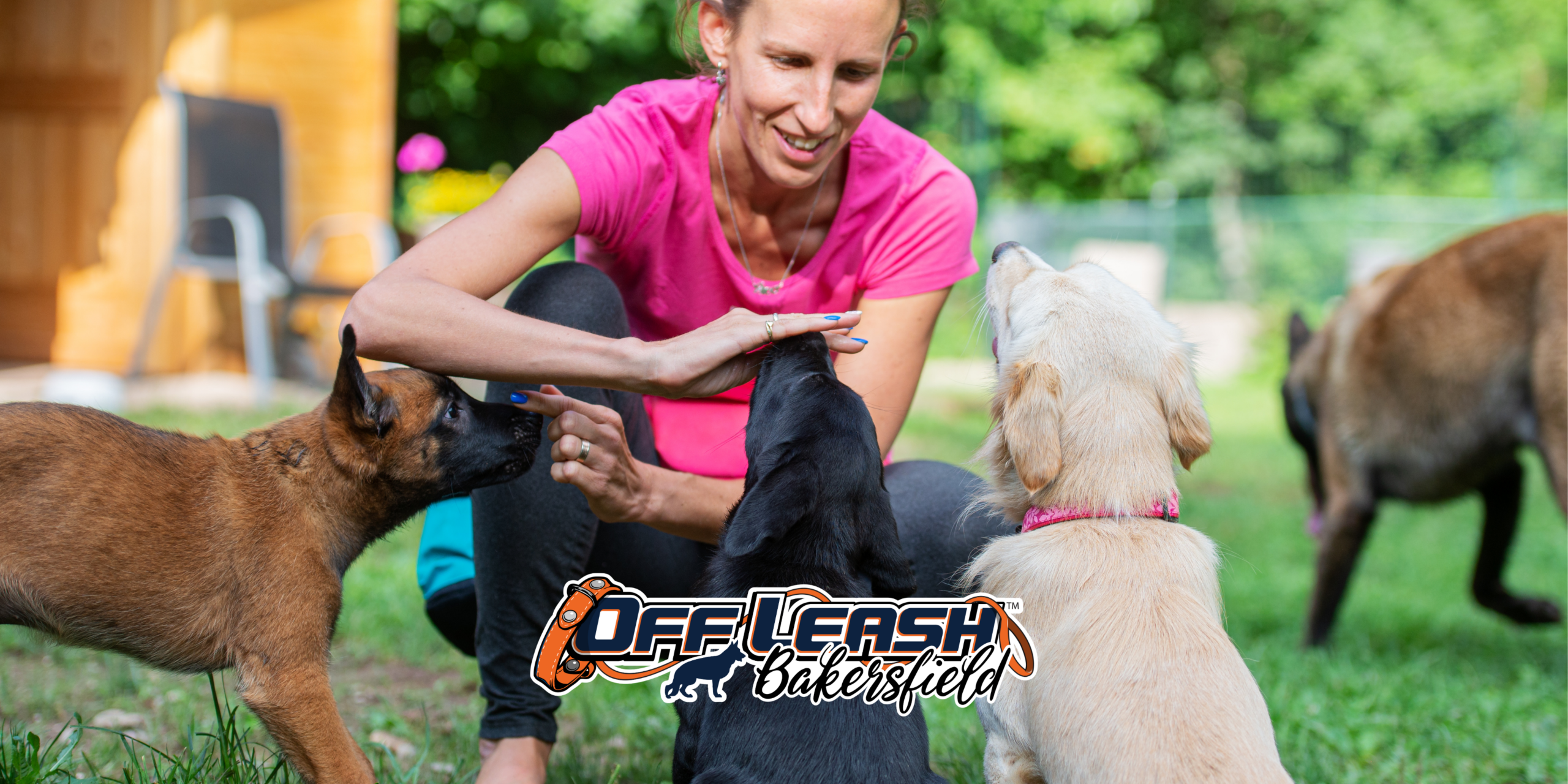
Signs you need a professional dog trainer
Have you ever wondered why your seemingly well-behaved dog suddenly starts displaying disruptive behaviors? Many dog owners face this perplexing issue. More than 60% of pet owners have admitted to experiencing difficulties in controlling their canine companions at some point.
One of the most notable signs that you might need a professional dog trainer is persistent disobedience. Historically, dogs require consistent training to maintain desirable behavior patterns. Training experts recognize that if a dog continues to ignore commands, it could indicate underlying issues that need professional evaluation.
Persistent disobedience, aggression towards other dogs or people, separation anxiety, excessive barking, and destructive behavior are clear signs that you need a professional dog trainer. Addressing these issues early with expert intervention ensures the safety and well-being of both your dog and family while fostering a more harmonious household environment.

Signs you need a professional dog trainer
If your dog’s behavior problems are getting out of hand, it might be time to call a professional dog trainer. Common issues include excessive barking, biting, or showing aggression towards other dogs or people. These behaviors are not only frustrating but can also be dangerous. A trained professional can address these problems effectively. Seeking expert help ensures safety for both your dog and your family.
Another sign is if your dog is not responding to basic commands. Commands like “sit,” “stay,” and “come” are essential for daily interactions. Lack of response to these commands can indicate a deeper issue that needs professional training. An expert can assess and remedy these behavioral gaps. Investing in professional help can make a big difference.
If your dog suffers from separation anxiety, this is another indicator that you may need a trainer. Severe anxiety can lead to destructive behavior when you are not home. Trainers can implement techniques to ease this anxiety. Helping your dog feel calm when alone is crucial for their well-being. Professional intervention can provide lasting solutions.
Finally, if you have a new puppy, starting off with professional training can set a strong foundation. Early intervention helps in socializing and teaching good habits from the get-go. Puppies are like sponges and will quickly pick up on training. A professional trainer can guide through this crucial developmental stage. This sets the stage for a well-adjusted adult dog.
Common behavioral problems to watch for
One of the most frequent behavioral problems in dogs is excessive barking. This can be disruptive and stressful for both the owner and the neighborhood. Dogs bark for various reasons, such as boredom, anxiety, or simply to alert you of something. Identifying the root cause is essential. A professional can help pinpoint and address the reason behind this behavior.
Aggression towards other dogs or people is another major issue. This can manifest as growling, snapping, or even biting. It’s crucial to address aggression early on to prevent any harm. Ignoring these signs can escalate into a more serious problem. Professional trainers have the expertise to manage and correct aggressive behavior.
Destructive chewing is a common issue, especially in puppies. Chewing on furniture, shoes, or other household items can be both expensive and dangerous for your dog. This behavior is often a result of teething, boredom, or separation anxiety. Providing appropriate chew toys and training can alleviate this problem. Trainers can guide you in redirecting your dog’s chewing to safe and acceptable items.
Separation anxiety is another behavioral concern that should not be overlooked. Symptoms include excessive whining, pacing, and destructive behavior when the dog is left alone. This anxiety not only affects the dog’s mental health but can also lead to property damage. Professional trainers can implement strategies to reduce anxiety. They can teach techniques that help your dog become more comfortable when alone.
Why professional dog training matters
Professional dog training is essential for a well-behaved pet. It helps establish a clear line of communication between you and your dog. This clarity reduces confusion and frustration on both ends. A trained dog also knows how to behave in various social settings. This makes outings and interactions more enjoyable.
Trainers use proven methods to address and correct problematic behaviors. These methods are often more effective than at-home attempts. Professionals have the experience to handle different dog personalities. They can tailor training techniques to suit your dog’s specific needs. This personalized approach ensures better results.
Safety is another critical reason for seeking professional training. An untrained dog can pose risks to itself and others. Training helps instill discipline, which is vital for preventing accidents. For example, a trained dog is less likely to run into traffic. They also learn to obey commands that can protect them from harm.
Investing in professional training can improve your dog’s quality of life. Well-trained dogs often experience less stress and anxiety. They are better adjusted and more confident in new environments. This leads to a happier and healthier pet. Ultimately, it strengthens the bond between you and your dog.
Assessing your dog’s environment and daily routine
Assessing your dog’s environment is critical for their overall well-being. Look at where your dog spends most of their time. Is it safe and stimulating? A lack of stimulation can lead to boredom and problematic behaviors. Ensuring a balanced environment helps your dog stay happy and healthy.
Taking note of your dog’s daily routine is just as important. Evaluate their feeding times, walks, and play sessions. Consistency in these routines provides your dog with a sense of security. Disruptions in the routine can cause stress and anxiety. Keeping a structured schedule benefits both you and your dog.
The quality of interaction your dog receives is another key factor. Dogs need social interaction, both with humans and other dogs. Regular playdates or trips to the dog park can help. Social interaction contributes to a well-rounded, happy pet. A lonely dog can become anxious and display destructive behaviors.
Assessing exercise levels is fundamental for your dog’s physical and mental health. Dogs need regular physical activity to stay fit and burn energy. Lack of exercise can lead to obesity and other health problems. Exercise also helps in reducing anxiety and stress. Make sure your dog’s exercise routine is adequate for their breed and age.
Consider the types of toys and activities available to your dog. Interactive toys and puzzle games can keep your dog engaged. These activities stimulate their mind and prevent boredom. A bored dog is more likely to engage in undesirable behaviors. Providing a variety of toys can make a significant difference.
Assessing any potential stressors in the environment is essential. Loud noises, unfamiliar people, or other pets can cause stress. Identifying these stressors can help in making necessary adjustments. Minimizing stressors contributes to a calmer, happier dog. A stress-free environment promotes better behavior overall.
Benefits of hiring a certified dog trainer
Hiring a certified dog trainer offers numerous benefits for both you and your pet. Certified trainers have undergone extensive education and training. This ensures they are knowledgeable in various aspects of dog behavior and training techniques. Their expertise helps in addressing specific issues more effectively. Certification also means they adhere to ethical standards in their practice.
One of the significant advantages is the personalized training approach. Certified trainers can tailor their methods to suit your dog’s unique needs. Different dogs have different temperaments and learning styles. A one-size-fits-all approach rarely works. Personalized training plans lead to better and quicker results.
Certified trainers also provide a structured learning environment. This structure is crucial for both the dog and the owner. Structured sessions ensure consistency and reinforce positive behaviors. Regular sessions help in tracking progress. An organized approach sets clear expectations and goals.
Another benefit is the positive reinforcement techniques used by certified trainers. These methods focus on rewarding good behavior rather than punishing bad behavior. Positive reinforcement builds a strong bond between you and your dog. It also makes the training experience enjoyable. Dogs learn faster and are happier with this approach.
Additionally, certified trainers can offer valuable guidance and support. They can address any concerns or questions you might have. Their advice extends beyond training sessions, covering aspects like nutrition and daily care. Having an expert to consult can be incredibly reassuring. This comprehensive support contributes to your dog’s overall well-being.
Lastly, professional training can improve your dog’s socialization skills. Trainers often incorporate socialization exercises into their programs. These exercises help your dog get along better with other animals and people. Improved social skills make outings more enjoyable. Your dog will be more confident and well-adjusted.
Tips for finding the right dog trainer for your needs
Finding the right dog trainer is a crucial step in ensuring your dog receives the best education. Start by researching trainers in your area. Look for someone who has the right qualifications and certifications. Certification indicates that the trainer has undergone proper education and training. It’s a sign of credibility and professionalism.
Another important factor is experience. Trainers with years of experience are more likely to handle various behavioral issues effectively. Ask potential trainers about their experience with dogs similar to yours. Experience with different breeds and temperaments can be very beneficial. This ensures they can address your dog’s specific needs.
Reading reviews and testimonials can provide valuable insights. Previous clients’ feedback can give you an idea of the trainer’s effectiveness. Pay attention to both positive and negative reviews. Consistent positive feedback is a good sign. However, a few negative reviews shouldn’t be a deal-breaker if the overall feedback is favorable.
It’s also essential to observe a training session if possible. This allows you to see the trainer in action. Observation helps you assess their training methods and interactions with dogs. You’ll get a sense of their approach and demeanor. This can help you decide if their style matches your preferences.
Communication is key when choosing a trainer. You need someone who communicates clearly and effectively. They should be able to explain their methods and answer your questions. Good communication builds trust and ensures you’re on the same page. It’s vital for a successful training journey.
Lastly, consider the logistics of the training sessions. Check if the trainer offers convenient schedules and locations. Some trainers offer home visits, while others have training centers. Select a trainer whose schedule and location are most convenient for you. This makes it easier to stick to the training program.
Frequently Asked Questions
Here are some frequently asked questions about professional dog training. These answers should help you understand more about how trainers can assist with various dog behavioral issues.
1. What qualifications should a professional dog trainer have?
Professional dog trainers should have certifications from recognized organizations like the International Association of Canine Professionals (IACP) or the Certification Council for Professional Dog Trainers (CCPDT). These certifications ensure the trainer has undergone rigorous training and adheres to high ethical standards.
In addition to certifications, experience is crucial. Look for trainers who have worked with different breeds and behavioral issues. This diversity in experience enables them to handle various situations effectively, providing better results for your dog.
2. How can professional dog training improve my dog’s behavior?
Professional dog training can significantly enhance your dog’s behavior by using scientifically proven methods. Trainers can identify the root cause of behavioral problems and implement tailored techniques to address them. This approach ensures lasting changes in your dog’s habits.
Furthermore, professional training includes positive reinforcement, which encourages good behavior by rewarding it. This method builds a strong, trusting relationship between you and your dog, making them more likely to follow commands and exhibit desirable behaviors consistently.
3. Are there different types of professional dog training programs?
Yes, there are various types of dog training programs to choose from. Basic obedience training is the most common, focusing on essential commands like “sit,” “stay,” and “come.” Advanced training covers more complex commands and behavioral issues such as aggression or anxiety.
Additionally, specialized programs address specific needs like therapy dog training or agility training. Each type of program involves different techniques and goals, ensuring that there is an option tailored to every dog’s unique requirements.
4. What should I consider when choosing a professional dog trainer?
When selecting a professional dog trainer, consider their credentials, experience, and methods. Ensure they have certifications from reputable organizations and substantial experience working with dogs. Knowing their background helps ensure they have the skills needed to train your dog effectively.
Also, observe their training style and personality. A good trainer should be patient, communicative, and positive. Their approach should align with your dog’s temperament and your training goals, setting both you and your dog up for success.
5. Can professional dog training help with separation anxiety?
Yes, professional dog training can be beneficial in addressing separation anxiety. Trainers use techniques like desensitization and counterconditioning to help your dog feel more comfortable when left alone. These methods gradually reduce anxiety and promote relaxation.
Furthermore, trainers can recommend additional strategies such as crate training or interactive toys to keep your dog occupied. This multi-faceted approach ensures comprehensive care, helping your dog overcome separation anxiety effectively.
Conclusion
Recognizing when to seek professional dog training is crucial for ensuring a well-behaved and happy pet. Addressing behavioral issues early can prevent them from becoming more serious. A professional trainer can provide tailored solutions that work best for your dog’s unique needs.
Investing in certified dog training not only enhances your dog’s behavior but also strengthens the bond between you and your pet. This dedication to your dog’s well-being fosters a safer and more harmonious home environment. Ultimately, a well-trained dog contributes to a fulfilling and joyous companionship.
"*" indicates required fields