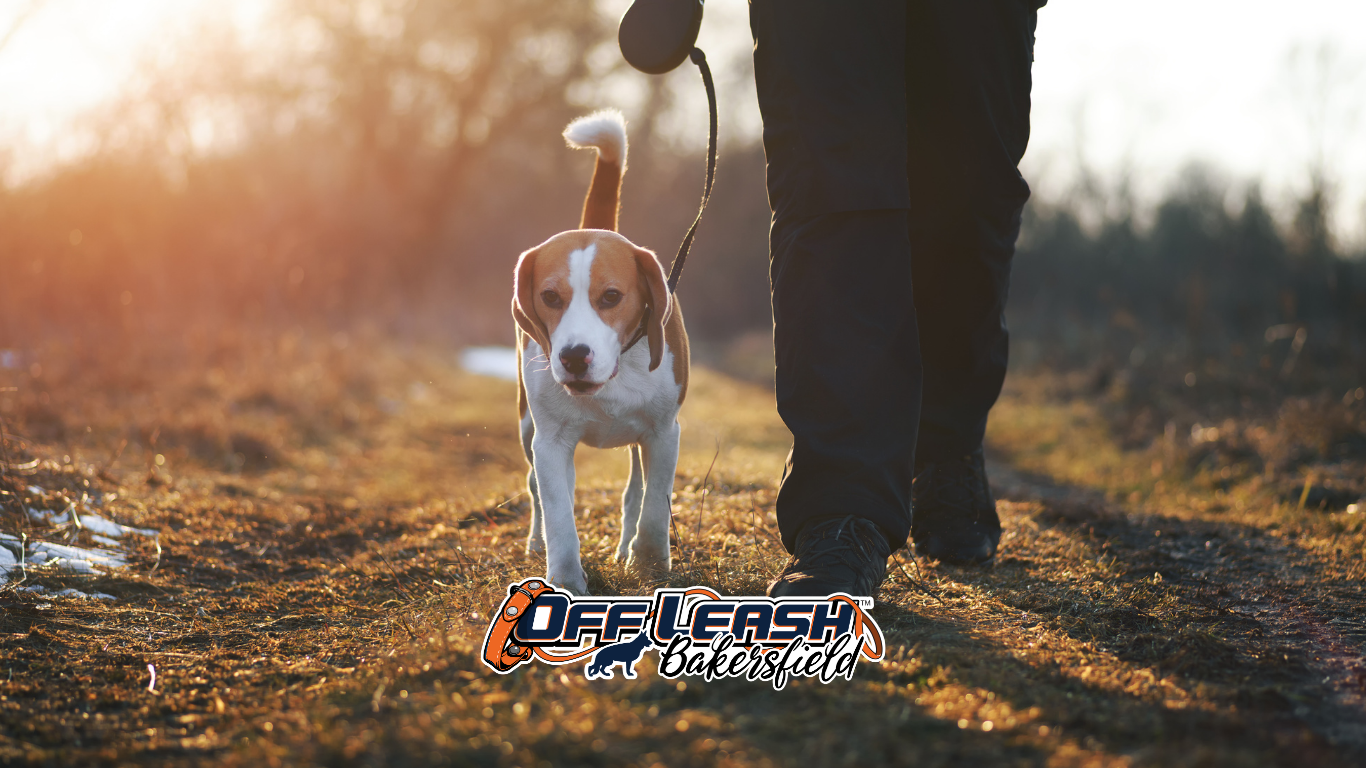
Triggers: Teaching Dogs to Walk Past Them Calmly
Understanding how to help dogs navigate past their triggers with calmness can significantly improve their mental well-being. For instance, unexpected loud noises or seeing other animals can be overwhelming for many canines, leading to heightened anxiety or unpredictable behavior. Can professionals leverage proven techniques or methodologies to aid dogs in overcoming these stress-inducing scenarios?
Historically, dog training has encompassed a variety of methods, evolving significantly over the years. One study highlighted that approximately 70% of dogs show marked improvement when exposed to desensitization and counter-conditioning strategies. Creating a structured learning environment where dogs can gradually acclimate to their triggers is pivotal in achieving calm and controlled responses during walks.
Teaching dogs to walk past triggers calmly involves identifying the specific triggers, gradually exposing dogs to these triggers at low intensity, and pairing exposure with positive reinforcement like treats or praise. Consistent training using commands such as “watch me” and employing tools like no-pull harnesses can improve behavior significantly.
Teaching Dogs to Walk Past Triggers Calmly
Recognizing and managing triggers is key to ensuring calm walks with your dog. Triggers can be anything from other dogs to loud noises. It’s vital to identify what specifically causes your dog’s anxiety or reactivity. Once these triggers are recognized, creating a systematic approach to desensitize your pet can be effective. This can lessen their fear and anxiety over time.
Desensitization involves exposing your dog to the trigger at a low intensity. Gradually, the intensity can be increased as your dog shows more comfort. Pairing this exposure with positive reinforcement, like treats or praise, helps build a positive association. Consistency is crucial during this process. Practicing daily can yield the best results.
Incorporating calm walking techniques helps to reinforce good behavior during triggers. One method is to practice the “watch me” command, which focuses the dog’s attention on you. When a trigger appears, use this command to divert their attention. Rewarding them for responding correctly strengthens the behavior. This repeated practice can lead to more relaxed walks.
Using the right tools and equipment can also support calm behavior. Products like no-pull harnesses or head halters give you more control. These tools can prevent your dog from lunging or pulling when they encounter triggers. Additionally, they can help make the training process smoother and more manageable. The right gear, combined with consistent training, sets the stage for successful, calm walks.
Recognizing Common Triggers and Signs of Stress
Identifying common triggers in dogs is the first step to managing their stress. These triggers can include other animals, loud noises, or unfamiliar environments. Changes in routine can also cause anxiety. Being able to spot these triggers helps in creating effective strategies. The goal is to reduce their anxiety over time.
Behavioral signs of stress in dogs are often subtle but telling. Common signs include excessive panting, yawning, or licking their lips. Ears laid back against the head or a tucked tail are also indicators. Sometimes, stress can manifest as pacing or shaking. Recognizing these signs early can prevent escalation.
It’s useful to keep a journal of your dog’s triggers and stress signs. This can help in identifying patterns and determining the most effective responses. Recording the circumstances that led to stress can offer insights. You can better tailor your training approach based on these observations. Structured data like this can be invaluable.
Here are some typical stress triggers and signs:
- Other animals
- Loud noises
- Excessive panting
- Tucked tail
Paying attention to these signals allows for timely intervention. This proactive approach helps make walks more enjoyable for both you and your dog.
Techniques for Building Calm Walking Habits
One effective way to build calm walking habits is through consistent training routines. Start by setting a specific time each day for walks. Consistency helps your dog anticipate and get accustomed to the routine. This predictability can reduce anxiety. Over time, walks can become more controlled and pleasant.
Positive reinforcement is a powerful tool in training. Reward your dog with treats or praise when they remain calm during walks. This encourages good behavior and strengthens their confidence. Consistent rewards make it clear to your dog what behavior is expected. This method is both humane and effective.
Teaching your dog specific commands can also be beneficial. Commands like “heel” or “stay” can help in managing their behavior during walks. Use a calm voice and repeat these commands regularly. Reinforce the commands with rewards. This helps in building a disciplined walking routine.
Here are some tools to assist in training:
- No-pull harnesses
- Head halters
- Clickers
- High-value treats
Using these tools can make the training process smoother. They provide better control and make it easier to reinforce positive behavior.
The Role of Desensitization and Counter-Conditioning
Desensitization and counter-conditioning are key methods in helping dogs manage their triggers. Desensitization involves exposing your dog to a trigger at a low intensity. Over time, the intensity is gradually increased. The goal is to make the trigger less scary. This technique helps the dog become more familiar with the trigger.
Counter-conditioning pairs the trigger with a positive experience. For instance, giving treats when the dog sees the trigger can help. This method changes the dog’s emotional response. Instead of fear, the dog starts associating the trigger with something good. Consistency is crucial in this process.
The two techniques, when used together, can be very effective. They provide a structured way to change a dog’s behavior. Gradual exposure combined with positive reinforcement can work wonders. The dog learns to cope better with triggers. This leads to more relaxed and enjoyable walks.
Here is a step-by-step approach using these techniques:
- Identify the trigger
- Expose the dog to the trigger at a low intensity
- Pair the exposure with a positive experience
- Gradually increase the intensity of the trigger
- Maintain consistency and patience
Following these steps can help in achieving effective results. It is important to go at the dog’s pace and not rush the process. This ensures long-lasting positive changes.
These techniques also help build trust between you and your dog. Working through their fears together strengthens your bond. It empowers your dog to feel more secure. This mutual trust is beneficial for both of you. It creates a harmonious walking experience.
Tools and Equipment for Successful Training Sessions
Having the right tools and equipment can make a big difference in dog training. A sturdy, comfortable leash is essential. It gives you control without causing discomfort. A standard 6-foot leash is often best. Beyond this, a quality harness can help.
There are different types of harnesses designed to aid in training. No-pull harnesses are particularly useful for dogs that tend to pull. These harnesses reduce pressure on the neck. They provide more control during walks. This type of harness can make training sessions smoother.
Clickers are small devices that produce a clicking sound. They are used for positive reinforcement training. When your dog follows a command correctly, use the clicker. Follow it up with a treat. This helps your dog associate the click with a reward.
Using high-value treats can also boost training. These treats are often meat-based and very enticing to dogs. They should be small and easy to consume quickly. This keeps your dog focused on training. Consistently using treats can speed up the learning process.
Here’s a list of essential tools:
- 6-foot leash
- No-pull harness
- Clicker
- High-value treats
Having these tools ready ensures you are well-prepared for each training session. They help create a positive and controlled learning environment. This leads to more successful outcomes.
How Professional Trainers Approach Trigger Management
Professional trainers use a combination of techniques to manage triggers in dogs. One primary method is identifying the triggers that cause stress or reactivity. This involves observing the dog’s body language and behavior patterns. By pinpointing specific triggers, trainers can create a tailored plan. Personalized plans are more effective in addressing individual needs.
Trainers often employ desensitization and counter-conditioning techniques. These methods involve gradual exposure to triggers while pairing them with positive experiences. The goal is to reduce the dog’s fear response and build positive associations. Regular practice and patience are essential. This process can take time but is highly effective.
In addition to these techniques, trainers use various tools to aid in the process. Harnesses, leashes, and clickers are commonly used. These tools provide better control and help in reinforcing positive behavior. Trainers also recommend specific high-value treats as rewards. Consistency in using these tools enhances training outcomes.
Group training sessions can also be beneficial. These sessions provide a controlled environment where dogs can encounter triggers. Trainers can closely monitor interactions and provide immediate feedback. This helps dogs build social skills and reduces reactivity in real-world situations. Socialization is a key component of comprehensive training.
Professional trainers also emphasize the importance of the owner’s involvement. Owners need to reinforce training techniques at home. Regular practice reinforces what the dog learns during training sessions. This consistency helps in achieving long-term behavior change. A cooperative approach results in the best outcomes. Here’s a summary of professional techniques:
- Identify specific triggers
- Use desensitization and counter-conditioning
- Utilize various training tools
- Conduct group training sessions
- Emphasize owner involvement
These strategies combined help create a balanced and effective trigger management plan.
Frequently Asked Questions
Understanding how to train dogs to walk calmly past their triggers can be challenging. This FAQ section answers common questions to help manage and improve your dog’s behavior.
1. What are common triggers for dogs during walks?
Common triggers for dogs include other animals, loud noises, and unfamiliar surroundings. Sometimes, even things like skateboards or bicycles can cause stress.
Understanding these triggers can help in preparing your dog for walks. This allows you to avoid or manage these situations effectively.
2. How can I identify if my dog is stressed by a trigger?
Signs of stress in dogs include excessive panting, yawning, licking lips, and a tucked tail. Some dogs may also shake, pace, or try to escape the situation.
Observing these signs can help you recognize when your dog is uncomfortable. Early intervention can help soothe your pet and prevent further stress.
3. What is the role of desensitization in dog training?
Desensitization involves gradually exposing your dog to their triggers at a low intensity. Over time, this helps the dog become accustomed without feeling overwhelmed.
This method reduces the fear and stress associated with the triggers. It allows your dog to react more calmly in future situations.
4. How does positive reinforcement help in managing triggers?
Positive reinforcement involves rewarding your dog when they exhibit calm behavior around their triggers. This could be treats, praise, or playtime.
Consistency in using positive reinforcement helps your dog associate triggers with good experiences. This encourages them to remain calm during walks.
5. What tools can assist in training dogs to handle triggers?
Tools like no-pull harnesses, clickers, and high-value treats can be very effective. These tools help in controlling your dog and reinforcing positive behaviors.
Using the right equipment makes training more manageable and effective. It can significantly improve your dog’s behavior during walks.
Conclusion
Training dogs to walk past triggers calmly requires patience, consistency, and the right techniques. By identifying triggers, using desensitization, and applying positive reinforcement, significant improvements can be seen. These methods create a more enjoyable experience for both the dog and owner.
Effective use of tools and equipment further enhances training success. With the right approach and commitment, dogs can learn to manage their stress and remain calm. This leads to safer and more relaxed walks for everyone involved.
"*" indicates required fields