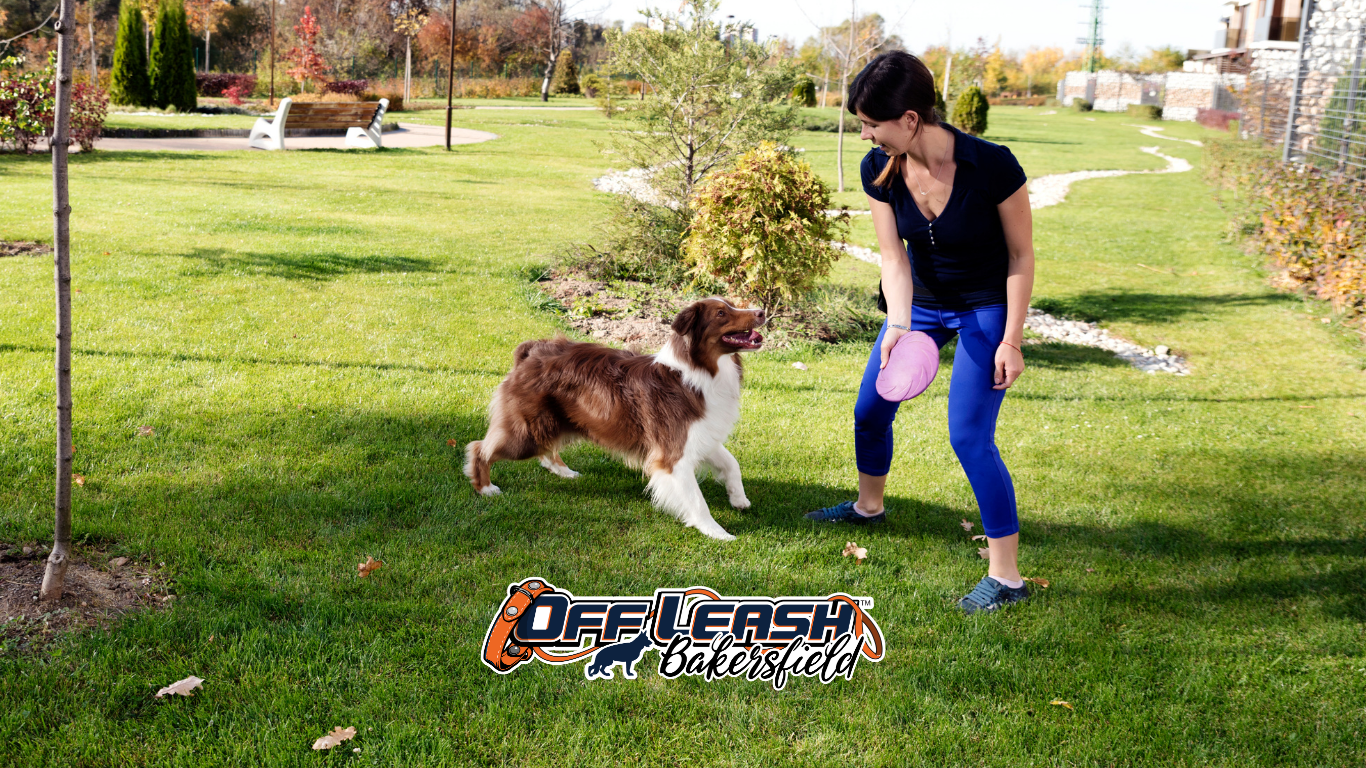
Over-Arousal in Dogs: Managing Fetch Excitement and Impulse Control
It’s fascinating to recognize that over 40% of pet owners report issues with their dogs becoming too excited during games of fetch. Such over-arousal not only affects your pet’s behavior but can also lead to potential health risks. As experts, understanding the nuances of managing this excitement can make a significant difference in a dog’s overall well-being.
Historically, engaging in fetch has been a primary avenue for dogs to release energy. However, without proper management, this exhilarating game can quickly turn into an overstimulating activity. Incorporating structured breaks and utilizing calming commands can drastically reduce over-arousal, keeping the playtime safe and enjoyable for both pets and their owners.
- Identify signs of over-arousal such as excessive barking or jumping.
- Incorporate structured breaks during fetch sessions to calm your dog down.
- Utilize calming techniques like obedience commands and gentle petting before and after play.
- Choose appropriate toys that are less stimulating and create controlled environments for play.
- Reinforce calm behavior using positive reinforcement methods, including treats and verbal praise.
How to Prevent Over-Arousal During Fetch
Understanding the signs of over-arousal in dogs is the first step. Over-arousal can manifest through excessive barking, jumping, or even nipping. Recognizing these signs early can help you intervene before your dog becomes too excited. It’s important to remain calm yourself, as dogs can pick up on your energy. Maintaining a relaxed demeanor sets the tone for your play session.
Structure your fetch sessions with planned breaks to allow your dog to calm down. Continuous play can lead to hyperactivity and exhaustion. By incorporating breaks, you’re helping your dog regulate their arousal levels. Use these breaks to practice commands like “sit” or “stay,” reinforcing impulse control. This helps in transitioning from high-energy to calmer states effectively.
Utilizing calming techniques before and after fetch can make a big difference. Techniques such as gentle petting or a brief obedience session can prepare your dog for play and help them wind down afterward. Calming toys designed to soothe can be beneficial as well. Investing in these tools can prevent over-arousal significantly. Always observe your dog’s behavior and adapt as needed.
Choose the right environment and toys for your fetch games. Opt for spacious areas free from too many distractions. The type of toy also matters; some toys may excite dogs more than others. Controlled environments help in managing your dog’s excitement. Utilizing toys that are less stimulating can also aid in keeping your dog’s arousal levels in check.
Step 1: Identify Signs of Over-Arousal in Dogs
Recognizing over-arousal in dogs early can help prevent unwanted behaviors. Common signs include excessive barking or whining. These vocalizations can indicate that your dog is too excited. Additionally, look for physical signals like pacing, jumping, or a stiffened body posture. Observing these behaviors allows you to take action before the excitement escalates.
Body language plays a crucial role in identifying over-arousal. A dog that is overly stimulated may have dilated pupils and a tightly closed mouth. Rapid, shallow breathing can also be a telltale sign. Tail movements can offer clues too; a tail wagging stiffly and rapidly might indicate high levels of excitement. Keeping an eye on these subtle cues will enable timely intervention.
Changes in your dog’s routine behavior can be indicators as well. For instance, if your usually calm dog suddenly becomes hyperactive during play, that’s a red flag. Some dogs might nip or mouth more aggressively when they’re over-aroused. Recognizing these deviations from normal behavior is essential. This helps in maintaining control and calming your dog down effectively.
Consistently monitoring your dog’s responses during fetch is vital. Make use of a checklist to keep track of frequent over-arousal signs:
- Excessive barking or whining
- Jumping or pacing
- Dilated pupils
- Rapid breathing
- Rapid, stiff tail wagging
Having this checklist at hand can guide you in identifying and managing over-arousal efficiently.
Step 2: Structure Fetch Sessions with Purposeful Breaks
Incorporating breaks into fetch sessions helps manage arousal levels in dogs. Continuous play can lead to over-excitement. To prevent this, schedule regular breaks. These breaks give your dog time to calm down. During a break, you can practice commands like “sit” or “stay.”
Use the breaks to reward calm behavior. This reinforces impulse control and teaches your dog to manage excitement. A simple pat or treat can be very effective. Over time, your dog will learn to expect breaks and adjust their energy levels accordingly. This makes fetch sessions more pleasant and manageable.
Plan breaks around specific time intervals. For instance, you might take a break every five minutes of play. This structured approach helps maintain consistency. It’s also beneficial for observing any signs of over-arousal more closely. Adapting the length and frequency of breaks based on your dog’s needs ensures a balanced playtime.
Consider using a table to monitor break intervals and their effects:
| Playtime Duration | Break Length | Observed Behavior |
|---|---|---|
| 5 minutes | 2 minutes | Calm, responsive |
| 10 minutes | 3 minutes | Excited, but controlled |
| 15 minutes | 5 minutes | Over-aroused, needs longer break |
Tracking these elements helps you adjust fetch sessions for optimal arousal regulation.
Step 3: Incorporate Calming Techniques Before and After Play
Introducing calming techniques before playtime can help manage your dog’s arousal levels. Start with a brief obedience training session. Commands like “sit,” “stay,” and “down” can shift your dog’s focus. This not only prepares them for fetch but also sets a calm tone. Practicing obedience helps in impulse control, making playtime smoother.
Another effective pre-play technique is gentle massage. A few minutes of light petting can relax your dog. Focus on areas like the neck and shoulders. This can ease any built-up tension. Calming toys, such as chew toys, can also set the stage for a more controlled fetch session.
After play, it’s crucial to help your dog wind down. A slow walk can work wonders. This helps in transitioning from high-energy activity to a calmer state. Additionally, offer some water to help your dog rehydrate and relax. Keeping the environment quiet post-play can also aid in calming your dog’s excitement.
Consider using a consistent routine for calming techniques. Dogs thrive on predictability. Knowing that calming activities follow playtime can reduce over-arousal. Structure and familiarity can make all the difference in managing your dog’s energy levels.
Here’s a simple checklist to follow:
- Before Play:
- Obedience training
- Gentle massage
- Calming toys
- After Play:
- Slow walk
- Water break
- Quiet environment
Adhering to this routine can make fetch sessions more enjoyable and less chaotic for both you and your dog.
Step 4: Use Appropriate Toys and Controlled Environments
Choosing the right toys for fetch can significantly impact your dog’s arousal levels. Opt for toys designed to be less stimulating. Soft toys or ones that don’t make noise are great choices. These toys prevent over-excitement and keep the play session under control. Additionally, rotate toys to keep things interesting without overwhelming your pet.
The environment where you play fetch is equally important. Open fields or spacious backyards with minimal distractions work best. Avoid areas with lots of other dogs or people. This helps in maintaining your dog’s focus. A controlled environment can make a big difference in managing your dog’s excitement levels.
Consider creating a designated play area at home. This space should be free from breakable items and potential hazards. Indoor fetch can be a great alternative during bad weather. This controlled space allows for safe play without overstimulation. Having a set area for play helps your dog understand when it’s time to be active.
Here are some tips for choosing the right toys:
- Opt for soft or quiet toys
- Rotate toys to maintain interest
- Avoid overly stimulating toys
Regularly checking the toys for wear and tear is also essential. Damaged toys can create safety risks. Ensuring that toys are in good condition adds to the overall positive experience.
Designing a varied play routine with the right toys and a controlled environment will greatly enhance the quality of your fetch sessions. It’s all about creating a balance that keeps your dog happy without getting too excited.
Step 5: Reinforce Calm Behavior with Positive Reinforcement
Positive reinforcement is a powerful tool in promoting calm behavior during fetch. Rewarding your dog when they display calm actions reinforces these behaviors. Treats, verbal praise, or a favorite toy can be effective rewards. The key is to provide the reward immediately after the calm behavior. This helps your dog understand which actions are desirable.
Consistency is crucial when using positive reinforcement. Make sure everyone in the household follows the same methods. This consistency helps your dog learn faster. If calm behavior is always rewarded, your dog will be more likely to repeat it. Over time, this can significantly reduce over-arousal during fetch sessions.
Another effective strategy is to incorporate a command that signals calm behavior. For instance, using a word like “relax” followed by a treat can condition your dog to understand this cue. Practice this command outside of playtime as well. This helps your dog associate the word with the action more consistently.
Tracking progress can provide insights into what’s working best. Consider maintaining a table to record behaviors and reinforcement methods:
| Behavior | Reinforcement Used | Outcome |
|---|---|---|
| Sitting calmly | Treat | Positive, repeated behavior |
| Waiting patiently | Verbal praise | Moderately effective |
| Staying still | Favorite toy | Effective, needs more practice |
By recording these details, you can adjust your approach and identify the most effective reinforcement methods.
Incorporating positive reinforcement consistently can create a calmer, more enjoyable fetch session for both you and your dog. This method builds a strong foundation for lasting good behavior.
Common Mistakes Dog Owners Make During Fetch
One common mistake is not setting boundaries during fetch sessions. Many owners allow their dogs to play continuously without any breaks. This can lead to over-arousal and even physical fatigue for the dog. It’s important to incorporate structured breaks, allowing your dog time to cool down and relax. This practice helps in preventing excessive excitement.
Another frequent error is using inappropriate toys for fetch. Toys that are too small can be hazardous and pose a choking risk. On the other hand, overly stimulating toys might heighten your dog’s arousal levels unnecessarily. Selecting the right toys ensures safety and helps maintain controlled excitement levels. Always supervise playtime with new toys to monitor their effects.
Lack of impulse control training before engaging in fetch is also a significant mistake. Dogs that haven’t learned basic commands like “sit” or “stay” may become too excited quickly. This lack of training makes it harder to manage arousal levels during play. Investing time in obedience training before introducing fetch can streamline the activity significantly.
Inconsistency in responses is another issue among dog owners. If some family members enforce rules while others do not, this confuses the dog. Consistent reinforcement of behavior from all family members is crucial for effective training. Consistency helps your dog learn what behaviors are expected during fetch faster.
Avoiding these common mistakes can make fetch sessions safer and more enjoyable for both you and your dog:
- Set boundaries with regular breaks
- Select appropriate, safe toys
- Implement impulse control training before play
- Ensure consistency in behavior reinforcement across all family members
By addressing these issues, you can create a structured and fun environment that promotes healthy play while avoiding over-arousal.
Benefits of Managing Arousal Levels in Playtime
Managing arousal levels during fetch has numerous benefits. Firstly, it helps in preventing behavioral issues. Dogs that are consistently over-aroused can develop negative behaviors like biting or chewing on household items. By keeping arousal levels in check, these issues can be minimized. This leads to a more harmonious living environment for both the dog and the owner.
Health benefits are another significant advantage. Over-excitement can physically strain your dog, leading to potential injuries. Controlled play ensures that your dog exercises safely without overexertion. This can also aid in maintaining a healthy weight. Balanced activity levels contribute to overall well-being.
Effective arousal regulation enhances the training process. A calm dog is more receptive to learning new commands and behaviors. This makes obedience training more effective and faster. The skills learned during fetch can then be applied to other aspects of daily life. Consistent training helps in building a strong bond between you and your dog.
Additionally, managing arousal levels can improve your dog’s social interactions. A controlled dog is less likely to react aggressively towards other dogs or humans. This makes outings and dog park visits more enjoyable. Socialization skills are crucial for a well-rounded and balanced dog.
Summarizing the benefits:
- Prevents behavioral issues
- Enhances physical health
- Improves training efficiency
- Boosts social interactions
By focusing on managing arousal levels during play, you set the stage for a healthier, more well-behaved, and happier dog.
Tools and Training Methods to Support Calm Fetch Sessions
Various tools can help manage your dog’s arousal during fetch. Calming toys are one such tool. These toys are designed to be less exciting, promoting a more relaxed playtime. Soft chew toys or Kong toys can be filled with treats to keep your dog engaged but calm. Using these toys can make a noticeable difference.
Training methods are equally essential in maintaining calmness. Basic commands like “sit,” “stay,” and “leave it” can be crucial. Teaching these commands before play creates a controlled environment. Positive reinforcement, such as treats or praise, helps reinforce these behaviors. Consistent training sessions ensure your dog understands what is expected during fetch.
Break sessions are another effective strategy. Using a pre-determined schedule, like taking a two-minute break after five minutes of play, can regulate arousal levels. During these breaks, practice calm commands and offer rewards. Incorporating breaks helps your dog learn to transition between play and calm states.
Consider using a clicker for training. The clicker sound acts as a marker for good behavior, helping your dog make the connection quickly. Clicker training can be combined with treats for added incentive. This method is particularly useful for reinforcing calm behavior during fetch sessions.
A structured checklist can guide you in managing your dog’s playtime activities:
- Use calming toys
- Teach basic commands
- Incorporate break sessions
- Utilize clicker training
Incorporating these tools and methods can greatly enhance the quality of your fetch sessions, ensuring a balanced and enjoyable experience for both you and your dog.
Signs Your Dog Needs a Different Form of Exercise
Not all forms of exercise are suitable for every dog.
One sign that your dog may need a different form of exercise is persistent boredom. If your dog shows disinterest in fetch or other activities, it might indicate they need variety. Dogs that are less engaged during play could benefit from new forms of exercise. Switching up routines can keep things exciting.
Excessive panting can also be a clear indicator. If your dog is overly tired or breathless after a session, it might be time to consider gentler exercises. Activities like swimming or walking can be less intense yet still beneficial. Monitoring your dog’s physical condition is essential for their health. Too much strenuous activity can lead to long-term issues.
Behavioral changes are another red flag. A dog that has become more aggressive or anxious might be overstimulated. High-energy games like fetch can exacerbate these behaviors. Incorporating calming exercises, such as agility training or scent work, can be a good alternative. These activities provide mental stimulation while keeping arousal levels in check.
Age and breed are essential factors to consider. Older dogs or breeds prone to joint issues may struggle with high-impact activities. Switching to low-impact exercise like gentle jogging or even yoga for dogs can be beneficial. Tailoring activities to suit your dog’s physical capabilities can enhance their quality of life. This ensures they get the exercise they need without unnecessary strain.
Here are some alternative exercises to consider:
- Swimming
- Walking
- Agility training
- Scent work
- Dog yoga
Recognizing these signs and adjusting your dog’s exercise routine accordingly ensures they stay healthy, happy, and well-behaved.
Frequently Asked Questions
Managing a dog’s excitement during fetch is crucial for their well-being. Below are common questions with detailed answers to help you understand how to keep your dog calm and happy.
1. What toys are best to prevent over-arousal during fetch?
Choosing the right toys can make a big difference. Soft toys or quiet, non-squeaky toys are ideal. These toys are less likely to overstimulate your dog compared to loud or very bouncy toys. Additionally, consider toys that encourage calm chewing rather than frantic chasing.
Toys that can be stuffed with treats, like Kongs, can also be beneficial. They provide mental stimulation without triggering excessive excitement. Rotating these toys can keep your dog engaged and prevent them from becoming too attached to one, reducing over-arousal.
2. How often should breaks be during fetch sessions?
Breaks should be frequent enough to keep your dog’s excitement in check. An interval of five minutes of play followed by a two-minute break works well. This allows your dog to calm down and prevents them from becoming overly excited.
Using these breaks to practice commands like “sit” or “stay” can reinforce impulse control. It helps in transitioning from play to a relaxed state smoothly. Always observe your dog’s behavior and adjust the break intervals as needed.
3. Can certain environments reduce over-arousal during fetch?
Yes, the environment plays a critical role. Open spaces with minimal distractions are best. Avoid places with many other dogs or loud noises, as these can increase excitement levels. Controlled settings help manage your dog’s behavior effectively.
A well-fenced yard or a quiet park are good options. Creating a calm environment helps your dog focus better on the game without getting too excited. This setup also reduces unexpected interruptions, keeping the session smooth and enjoyable.
4. What are signs my dog is over-aroused?
Signs of over-arousal include excessive barking, jumping, and aggressive play. You might also notice rapid breathing or dilated pupils. These behaviors indicate that your dog is too excited and needs a break.
Recognizing these signs early can help you intervene promptly. Taking action when you see these behaviors can prevent further escalation. Ensuring your dog stays calm makes the fetch session safer and more enjoyable for everyone involved.
5. How can positive reinforcement help in managing arousal during fetch?
Positive reinforcement is highly effective in managing your dog’s excitement. Rewarding calm behavior with treats or praise teaches your dog what is expected. This method helps reinforce good behavior consistently.
Using this technique, your dog learns to associate calmness with positive outcomes. Over time, they will be less likely to become overly excited. Positive reinforcement builds a strong foundation for a controlled and enjoyable fetch session.
Conclusion
Effectively managing a dog’s arousal during fetch is crucial for their overall health and well-being. By incorporating structured breaks, choosing appropriate toys, and using positive reinforcement, you can create a balanced and enjoyable playtime. It’s about fostering a calm, controlled environment that benefits both the dog and the owner.
Adapting these methods ensures that your dog remains happy and healthy while enjoying one of their favorite activities. Keeping an eye on signs of over-arousal and adjusting accordingly makes all the difference. A mindful approach to fetch can enhance the bond between you and your furry friend, making playtime a rewarding experience for both.
"*" indicates required fields