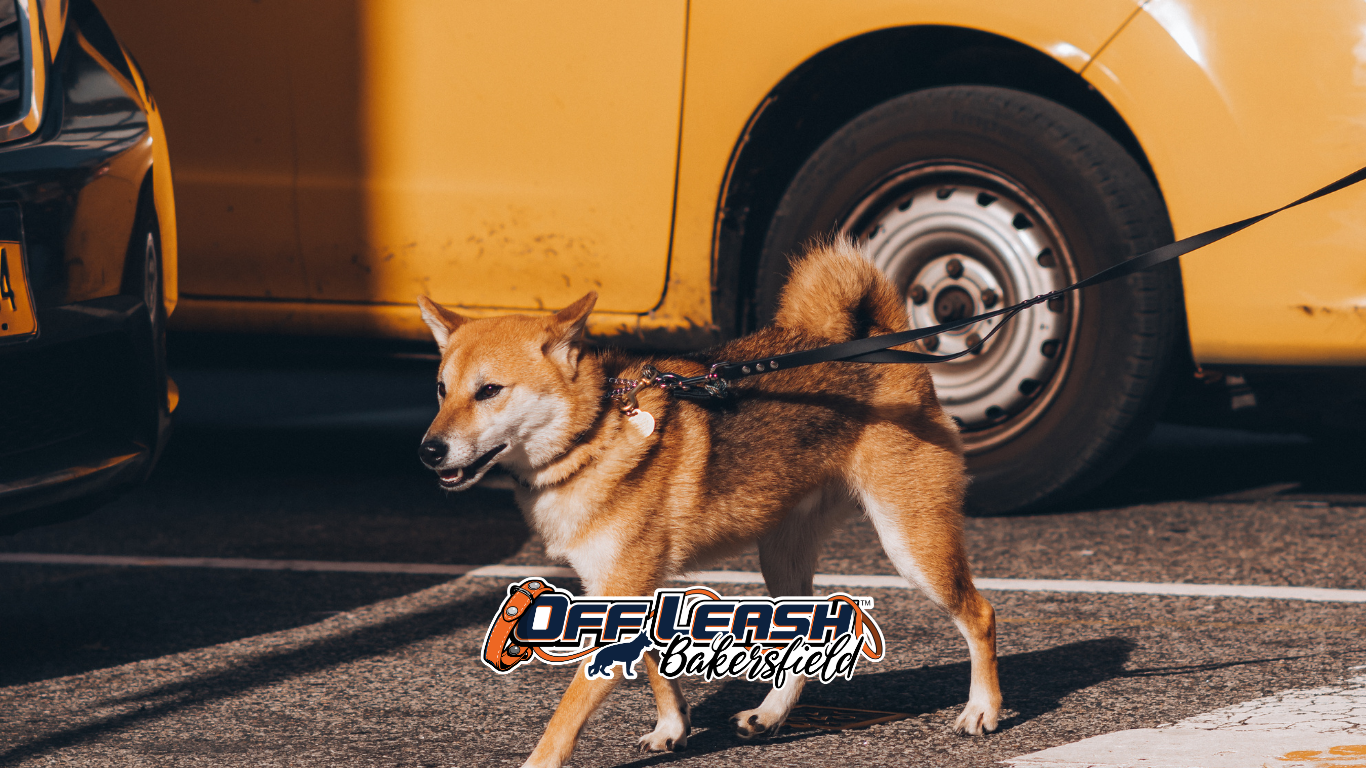
Dog Anxiety Around Moving Vehicles: Teaching Calm Behavior Safely
It’s surprising how many dogs exhibit anxiety or overexcitement around moving vehicles. According to recent statistics, nearly 60% of pet owners report that their dogs react negatively to traffic. This behavior poses not only a significant safety risk but also disrupts peaceful walks and can lead to long-term behavioral issues.
Historically, dogs have had to adapt to living alongside humans and their inventions, including vehicles. Positive reinforcement is a proven method to teach dogs how to remain calm around cars and other moving objects. Combining this with gradual exposure, where dogs are slowly introduced to vehicles at increasing levels of proximity, can yield remarkable results. A calm and well-behaved dog around traffic is not just a joy but an essential aspect of modern pet safety.
Teaching your dog calm behavior around moving vehicles involves gradual desensitization and consistent positive reinforcement. Start by exposing your dog to traffic at a safe distance, rewarding calm behavior with treats or praise. Gradually decrease the distance while maintaining a calm environment, ensuring control with a leash and harness for safety.
Teaching Your Dog Calm Behavior Around Moving Vehicles
Teaching your dog to stay calm around moving vehicles is essential, especially in busy urban settings. Many dogs react anxiously to cars, buses, and bicycles. This reaction often stems from fear or excitement, which can be dangerous. Ensuring they can remain calm requires patience and consistency. Over time, your dog will learn to handle these situations with ease.
A significant aspect of this training involves positive reinforcement. Reward your dog when they remain calm around traffic. Treats and praise can help your dog associate moving vehicles with positive experiences. Gradually expose your dog to traffic, starting from a distance and slowly getting closer. This method of traffic desensitization can lead to great results.
Using tools such as leashes, harnesses, and clickers can support this process. These tools help maintain control and provide immediate feedback. Additionally, training sessions should be kept short to prevent overwhelming your dog. Consistency and repetition are key elements in successful training. Regular practice will help your dog build confidence around vehicles.
Tracking progress can help you adjust your training methods as needed. Keep a log of your dog’s behavior during each session. Note any signs of anxiety or improvement over time. This will allow you to tailor your approach, ensuring the best results. If challenges persist, consider seeking advice from a professional dog trainer.
Why dogs react to moving vehicles
Dogs often react to moving vehicles because they perceive them as threats. A dog’s natural prey drive can make cars and bikes fascinating as they zoom by. This reaction is a mix of curiosity and instinct. Loud noises from engines can also startle dogs, adding to their anxiety. These factors combined can make encounters with vehicles stressful for dogs.
Experiences as puppies can influence how dogs react to traffic later in life. If a dog had a bad experience with a vehicle, such as being hit or narrowly avoiding one, they might develop a lasting fear. Early socialization and exposure to different environments, including traffic, are crucial. This helps prevent negative associations from forming. Proper socialization helps dogs feel more comfortable and secure around vehicles.
Breed and temperament can play roles in how dogs react to moving vehicles. Some breeds have higher prey drives, making them more reactive. For instance, herding breeds may try to chase moving cars as if they were herding sheep. Each dog’s personality also impacts its reactions. Understanding your dog’s unique tendencies is important for effective training.
Inconsistent training methods can confuse dogs and exacerbate their reactions. Consistent, positive reinforcement helps them understand desired behaviors. Sudden changes in approach might lead to mixed signals. This inconsistency can heighten anxiety around vehicles. Sticking to a clear and steady training plan is essential for reducing reactivity.
Common signs of anxiety or reactivity near traffic
Dogs exhibit various signs of anxiety or reactivity near traffic. One common sign is pulling on the leash, trying to move away from or towards the vehicle. Panting and drooling can also indicate stress. Some dogs may bark excessively or growl at passing cars. These reactions are clear indicators that your dog feels threatened or excited.
Another noticeable sign is trembling or shaking. This physical reaction is a clear marker of fear or anxiety. Dogs may also tuck their tails between their legs, showing submission and nervousness. Wide eyes and flattened ears are other visual cues. Paying attention to these body language signals can help you understand your dog’s anxiety level.
In some cases, dogs might attempt to hide or escape. They could try to dart into bushes or behind their owner when traffic approaches. Pacing back and forth is another behavior that shows discomfort. Some dogs may refuse to move altogether, planting themselves in place. Recognizing these signs can help in managing your dog’s anxiety.
Destructive behavior can also be a sign of reactivity. Chewing on the leash or attempting to bite passing objects are red flags. These actions might not only harm your dog but also pose a safety risk. Reactivity can be reduced with proper training and patience. Understanding these behaviors is the first step in addressing the issue effectively.
The impact of calm behavior training on safety
Calm behavior training has a significant impact on your dog’s safety. During walks near busy roads, a calm dog is less likely to dart into traffic. This reduces the risk of accidents and injuries. Being calm also allows dogs to better follow commands. This ensures they stay out of harm’s way.
In addition to physical safety, there are mental health benefits. Anxiety can cause a lot of stress for your dog. Calm training helps reduce this stress, leading to a happier, more relaxed pet. Lower stress levels contribute to overall better health. This training is beneficial for both dogs and their owners.
Training your dog to be calm around vehicles also benefits public safety. A dog that suddenly jumps or lunges could startle drivers. This could potentially lead to accidents or near-misses. Having well-behaved dogs helps create a safer environment for everyone. It ensures that both pets and people coexist harmoniously.
Moreover, calmness around traffic can make your daily walks more enjoyable. They become less stressful and more pleasant for both of you. Dogs that are well-behaved around moving vehicles can explore more places. You can confidently take them to parks, city centers, and other busy areas. This expands the opportunities for bonding and exercise.
Positive personal experiences reinforce calm behavior. When a dog remains calm and is rewarded, it strengthens their training. This positive feedback loop encourages better behavior. Therefore, the training has long-term benefits. Consistent practice makes calm behavior second nature to your dog.
Essential techniques for calm behavior around vehicles
One of the essential techniques for teaching calm behavior around vehicles is desensitization. Start by exposing your dog to traffic at a distance. Gradually reduce this distance as your dog becomes more comfortable. This helps them adjust and reduces fear. Consistent exposure leads to familiarity and confidence.
Positive reinforcement is another critical technique. Reward your dog when they remain calm near traffic. Use treats, praise, or toys to reinforce this behavior. Consistent rewards encourage good behavior. This approach makes training a positive experience.
Using a leash and harness is crucial for control. They help manage your dog’s movements during training. A well-fitted harness can provide comfort and safety. It also prevents injuries if your dog tries to pull or lunge. This control is key to managing interactions with vehicles.
Another effective technique is the “look at me” command. When a vehicle approaches, have your dog focus on you. This distracts them from the traffic. Practice this command in low-stress environments first. Gradually introduce it around moving vehicles for better results.
Creating a calm environment at home can also support this training. Play calming music and ensure your dog has a safe space. Reduce overall anxiety levels to improve training effectiveness. Stability at home reflects positively on outdoor behavior. This holistic approach enhances the overall training process.
Engaging in regular exercise and mental stimulation is equally important. A well-exercised dog is less likely to be reactive. Activities such as fetch, agility training, and puzzle toys keep the mind engaged. They help burn excess energy, reducing reactivity. Regular physical and mental activities contribute to a calm demeanor.
Tools and resources to support successful training
Having the right tools and resources can significantly enhance your training efforts. A sturdy leash and harness are essential for control during walks. Leashes should be strong enough to handle sudden pulling. Harnesses provide better control and distribute pressure more evenly. This setup ensures both safety and comfort.
Clickers are excellent tools for reinforcing positive behavior. They provide a clear, consistent sound that marks the exact moment of a correct action. This helps your dog quickly understand what is being rewarded. Pair the clicker with treats for best results. Over time, the clicker alone can serve as reinforcement.
There are also numerous training apps and online courses available. These resources offer structured programs that can guide you through the process. Many apps feature video tutorials, making it easier to understand complex techniques. Some even offer real-time feedback. Utilizing these resources can bolster your training efforts.
- Training treat pouches
- Long lines for distance training
- Calming supplements for anxiety
- Behavioral books and guides
Interactive toys and puzzles keep your dog mentally engaged. These can be useful in reducing overall anxiety levels. When your dog is mentally stimulated, they are less likely to react to external stressors. Incorporate these tools into your daily routine for the best results. A mentally tired dog is often a calmer dog.
Professional trainers can also be invaluable resources. They bring expertise and experience to the table. If you’re facing persistent challenges, don’t hesitate to seek their help. Many trainers offer specialized programs for dogs with reactivity issues. Their guidance can make a significant difference in your dog’s progress.
Key mistakes to avoid when training your dog near vehicles
One key mistake is rushing the training process. It’s important to progress at your dog’s pace. Moving too quickly can cause your dog more stress. This can lead to setbacks in their training journey. Take small steps and ensure they are comfortable at each stage.
Avoid using punishment-based methods during training. These can increase anxiety and make your dog fear traffic even more. Positive reinforcement is the recommended approach. Reward calm behavior with treats, praise, or playtime. This encourages desired behavior without causing additional stress.
- Skipping early socialization with traffic
- Inconsistent training sessions
- Ignoring body language signs
- Expecting immediate results
Lack of consistency in training is another common mistake. Training should be a regular part of your routine, not just an occasional activity. Inconsistent sessions can confuse your dog and slow down their progress. Schedule daily training times to improve consistency. Consistency helps solidify learned behaviors.
Overwhelming your dog with too many stimuli at once should be avoided. Introducing them to moving vehicles along with other distractions can be counterproductive. Focus on one trigger at a time for better results. Gradually add new elements as your dog becomes more confident around vehicles alone.
Lastly, failing to monitor and adjust based on progress is a significant oversight. Keep track of how well your dog responds to different scenarios and adapt your techniques accordingly. This ensures that any issues are addressed promptly. Regular monitoring helps you find what works best for your specific pet.
Recommended positive reinforcement strategies
Positive reinforcement can be highly effective in teaching your dog calm behavior around moving vehicles. One strategy is to use high-value treats that your dog loves. Offer these treats when your dog remains calm near traffic. This encourages them to associate vehicles with positive experiences. Over time, this can significantly reduce their anxiety.
Verbal praise is another powerful tool. Consistently praise your dog when they show calm behavior around cars. Use a happy, upbeat tone to reinforce that they are doing well. Verbal rewards can be just as effective as treats. This helps build a strong foundation for continued good behavior.
- Clicker training for precise behavior marking
- Interactive toys to keep focus away from traffic
- Short, frequent training sessions
- Gradual exposure to moving vehicles
Incorporating play into training can also be beneficial. Use your dog’s favorite toys to distract them when vehicles are nearby. Engaging in a game of tug or fetch can shift their focus away from traffic. This helps to create a more relaxed environment. Playtime during training sessions makes learning fun and less stressful.
Timing your rewards is critical. Always reward your dog immediately after they exhibit calm behavior. This helps them quickly understand the desired action. Delayed rewards can confuse your dog. Precise timing reinforces positive behavior more effectively.
Consistency in applying these strategies is key. Make sure everyone in your household follows the same training methods. This prevents mixed signals and confusion. Consistent application of positive reinforcement strengthens the learning process. It ensures long-term success in achieving calm behavior around vehicles.
How to measure and track your dog’s progress
Tracking your dog’s progress during training is essential for success. Start with a baseline assessment of your dog’s current behavior around vehicles. Note their reactions and behaviors in a journal. This will help you identify patterns and areas of improvement. Keeping records makes it easier to see changes over time.
Create a simple table to record daily training sessions. Include columns for date, duration, behavior observed, and any rewards used. This organization helps you monitor consistency. It also highlights what techniques work best. Tables can be a visual aid to quickly spot progress or setbacks.
| Date | Duration | Behavior Observed | Reward Used |
|---|---|---|---|
| 01/01/2023 | 15 minutes | Calm | Treats |
| 01/02/2023 | 20 minutes | Nervous | Praise |
Video recordings can be an effective tool for tracking progress. Record your training sessions and review them later. This allows you to catch subtle behaviors you might miss in real-time. Comparing videos over weeks or months can reveal significant improvements. Videos can also be shared with professional trainers if needed.
Regularly set small, achievable goals for your dog. These can include staying calm for a specific duration or remaining focused on you as cars pass. Achieving these milestones boosts your confidence and your dog’s. Write down these goals and the dates they are met. This adds structure and motivation to the training process.
Finally, adjust your techniques based on your observations. If your dog isn’t progressing, try different rewards or methods. Flexibility and adaptability in training ensure that you meet your dog’s unique needs. By tracking and measuring progress, you make informed decisions. This leads to a more effective and tailored training experience.
When to seek professional training assistance
Knowing when to seek professional training assistance is essential for your dog’s well-being. If your training efforts do not yield progress, it may be time to consult an expert. Persistent reactivity or anxiety around vehicles are clear signs. Professional trainers have the experience to address these issues. Their guidance can make a significant difference.
Extreme behaviors, such as aggression toward vehicles, require professional help. If your dog lunges, snaps, or shows other aggressive tendencies, expert intervention is necessary. Aggression can pose a danger to both your dog and others. A professional can develop a specialized training plan. This ensures safety and effective behavior modification.
Consistent signs of severe stress or fear also warrant professional assistance. Symptoms like excessive trembling, refusal to walk, or severe panting indicate high anxiety. These behaviors can affect your dog’s health and well-being. Trainers and behaviorists can provide targeted exercises and coping strategies. Addressing severe stress is crucial for your dog’s happiness and safety.
Professionals use various assessments to tailor training. They consider your dog’s history, temperament, and specific triggers. This personalized approach ensures that training methods are effective. They can also offer advanced techniques and tools. Professional training provides comprehensive support for complex cases.
Financial and time considerations often play a role in seeking help. Professional training can be an investment, but it frequently leads to quicker results. Comparing costs and benefits might reveal that expert help is the most efficient route. Weighing these factors can guide your decision. Professional help often accelerates the training process, saving time and resources in the long run.
Frequently Asked Questions
Here are some commonly asked questions about teaching dogs calm behavior around moving vehicles. These answers provide helpful insights for dog owners working on this crucial aspect of training.
1. How can I start desensitizing my dog to traffic?
Begin desensitizing your dog to traffic by starting with quiet, low-traffic areas. Allow your dog to observe passing vehicles from a distance where they feel comfortable. Gradually move closer over multiple sessions, rewarding calm behavior with treats or praise.
This approach helps build their confidence gradually without overwhelming them. Over time, your dog will get used to the sights and sounds of cars, becoming less reactive in busy traffic areas.
2. What treats work best for reinforcing calm behavior?
High-value treats, such as bits of cooked chicken or cheese, often work best for reinforcing calm behavior. These treats are usually more appealing to dogs, making them highly motivated to earn their rewards. Use these special treats exclusively for training sessions involving traffic.
This makes the treats even more desirable. Additionally, ensure the treats are small to prevent overfeeding, especially during frequent training sessions. Consistency and timing of the reward are key to successful training.
3. How long does it take to train a dog to stay calm around vehicles?
The time it takes to train a dog to stay calm around vehicles varies depending on the dog’s temperament and past experiences. Some dogs may show significant improvement within a few weeks with regular training, while others might take several months.
Consistency and patience are crucial throughout this process. Sticking to a structured training plan and gradually increasing exposure to traffic will help achieve long-lasting results. Celebrate small milestones to keep the training positive for both you and your dog.
4. Are certain dog breeds more reactive to traffic than others?
Yes, certain breeds known for high energy levels and strong prey drives, like Border Collies and German Shepherds, are often more reactive to traffic. Their instinct to chase moving objects can make them more responsive to cars and other vehicles.
However, with proper training and positive reinforcement, these breeds can also learn to stay calm around traffic. Individual temperament and past experiences play significant roles, so each dog should be trained according to their specific needs.
5. Can professional trainers help with traffic desensitization?
Professional trainers can be highly effective in helping dogs with traffic desensitization. They bring expertise and experience, offering tailored training plans suited to your dog’s unique behavior. Trainers can also provide targeted exercises and coping strategies for severe cases of anxiety or reactivity.
Hiring a professional can accelerate progress, ensuring safe and positive outcomes. It is especially beneficial if you’ve faced challenges in managing your dog’s behavior on your own. A well-trained dog is not only safer but also more enjoyable to take on walks and outings.
Conclusion
Training your dog to remain calm around moving vehicles is crucial for their safety and well-being. Utilizing techniques like gradual exposure, positive reinforcement, and consistency can yield significant results. These methods not only reduce anxiety but also create a more enjoyable experience for both you and your dog.
If challenges arise, seeking professional help can provide additional support. With patience and the right approach, your dog will become more confident and composed around traffic. This training ensures safer walks and a happier, healthier pet.
"*" indicates required fields