People Wearing Hats or Backpacks: Fear, Reactivity, and Training Solutions
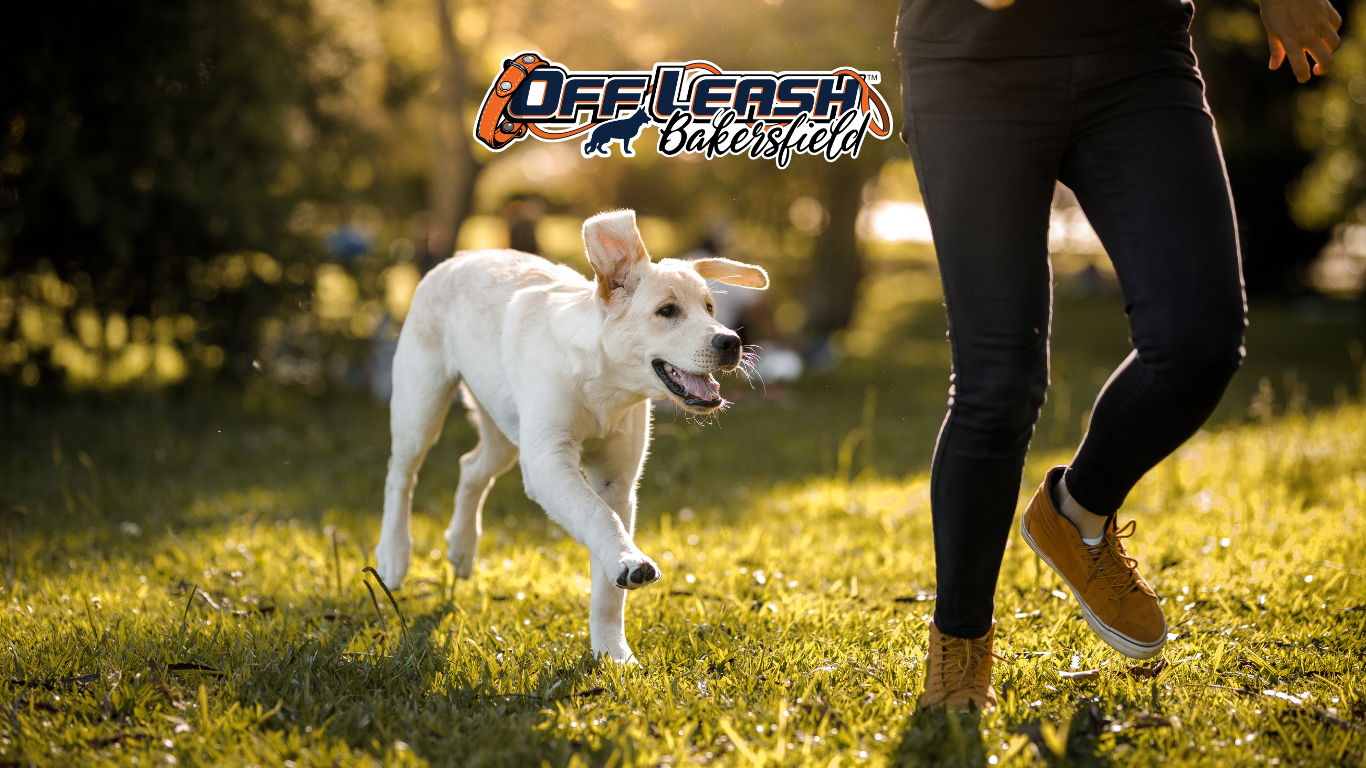
When encountering someone with a hat or backpack, many dogs exhibit notable reactivity or even fear-driven behavior. It is often bewildering for dog owners to decipher this sudden change. However, understanding the root causes can be pivotal in addressing and correcting such reactions.
Historically, dogs’ perception of unfamiliar accessories can trigger a fight or flight response, a protective mechanism rooted deep in their instincts. Studies show that gradual exposure and positive reinforcement can significantly mitigate this reactivity. Training solutions, such as desensitization and counter-conditioning, have proven highly effective in transforming fearful responses into neutral or positive associations.
Dogs often react to people wearing hats or backpacks due to altered human silhouettes, triggering fear or reactivity. Training should focus on gradual desensitization and positive reinforcement techniques to modify these responses, ensuring more comfortable and controlled interactions with unfamiliar accessories.
People Wearing Hats or Backpacks: Fear, Reactivity, and Training Solutions
Dogs’ fear of people wearing hats or backpacks can be perplexing for owners. Such unusual objects trigger their defensive instincts. This reactivity can stem from limited exposure to these items. It’s often paired with the perception of unfamiliarity or threat. Understanding these triggers is the first step toward addressing the behavior effectively.
Identifying whether a dog’s behavior is fear-based or simple reactivity is crucial. Fear often manifests as cowering or hiding. Reactivity, on the other hand, may include barking or lunging. Both scenarios require tailored training solutions. The goal is to build confidence and reduce anxiety in new situations.
Effective training solutions involve gradual exposure to these unusual objects. This method is called desensitization. By introducing hats and backpacks slowly, dogs can learn to remain calm. Pairing these objects with treats helps the dog form positive associations. Consistent practice is key to seeing lasting results.
Using positive reinforcement can accelerate the training process. Rewards encourage desired behavior, reinforcing a sense of safety. Here are some practical tips:
- Introduce hats and backpacks in a controlled environment.
- Use treats to reward calm behavior.
- Increase exposure gradually to avoid overwhelming the dog.
With patience and persistence, dogs can overcome their fears of these common accessories.
Common Triggers: Why Dogs React to Hats and Backpacks
Dogs often see people wearing hats or backpacks as something unusual. These items change the human silhouette, making people appear different. This can be confusing for dogs. Occasionally, it may stir memories of previous negative experiences. Understanding these triggers helps in addressing the issue.
Another reason dogs react is their limited exposure to these items. If a dog hasn’t seen many people with hats or backpacks, they might find them strange. This unfamiliarity can cause anxiety or fear. Gradual exposure in a controlled manner helps. It’s about making the unusual look normal.
Some dogs are more sensitive to visual changes. Hats and backpacks create an unpredictable element. For these dogs, this unpredictability can activate their alert response. They may bark or act out of fear. Recognizing these sensitivities is crucial for proper training.
There are several common triggers for dog reactivity, including:
- Unusual shapes and silhouettes
- Past negative experiences
- Lack of exposure to such items
- High sensitivity to visual changes
By identifying these triggers, owners can create focused training plans. This way, dogs can learn to remain calm around hats and backpacks.
Fear vs. Reactivity: Identifying the Root Cause
Understanding whether a dog is experiencing fear or reactivity is critical. Fear-based reactions often involve cowering, trembling, or trying to escape. These responses signal that the dog feels threatened. Reactivity, however, is more characterized by barking, lunging, or growling. These behaviors can be driven by excitement, frustration, or even a desire to protect.
It’s important to observe the dog’s body language closely. Fearful dogs may have their ears back, tail tucked, and avoid eye contact. Reactive dogs, in contrast, might display stiff bodies, direct stares, and forward-leaning postures. Identifying these subtle signals can guide owners in choosing the right approach. Noticing these differences can better inform training strategies.
To address these behaviors effectively, use tailored strategies. For fear-based reactions, creating a safe space is essential. Gradually introducing the fearful object with positive reinforcement can help ease anxiety. For reactivity, structured training and consistent commands are key. This helps divert attention from triggers and promotes calm behavior.
Here’s a simple breakdown of key differences between fear and reactivity: Fear Reactivity Cowering Barking Trembling Lunging Avoiding eye contact Stiff posture By understanding these differences, owners can better address their dog’s specific needs, ensuring a happier and healthier pet.
Proven Training Solutions for Reducing Reactivity
Reducing reactivity in dogs involves consistent training and patience. One of the most effective methods is desensitization. Gradually exposing the dog to the trigger in a controlled environment helps. Start with a safe distance where the dog feels comfortable. Over time, decrease the distance as the dog becomes more relaxed.
Counter-conditioning is another essential strategy. This method involves pairing the trigger with something positive. For example, when a dog sees a person with a hat, give a treat. The goal is to change the dog’s emotional response from negative to positive. Eventually, the dog associates the trigger with good things and remains calm.
Using distractions can also help manage reactivity. Engaging the dog with toys or commands diverts their attention. Focus on tasks like “sit,” “stay,” or “look at me.” This redirection helps to break the focus on the trigger. Consistency is crucial in reinforcing these commands.
Professional help can be beneficial for severe cases. Certified dog trainers or behaviorists offer specialized support. They can tailor training plans to suit specific needs. Professional guidance ensures that techniques are applied correctly. This tailored approach often accelerates progress.
Here are some practical steps for reducing reactivity:
- Gradual exposure to triggers
- Using positive reinforcement
- Implementing counter-conditioning
- Incorporating distractions to divert attention
- Seeking professional help for severe cases
By integrating these methods, dog owners can effectively reduce their pet’s reactivity. Consistency and patience are key to success.
Positive Reinforcement Strategies and Practical Tips
Positive reinforcement is a powerful tool in dog training. Rewarding good behavior with treats, praise, or toys encourages the dog to repeat it. This method builds a strong bond between the dog and the owner. Consistency is crucial for success. All family members should use the same commands and rewards.
Timing is key in positive reinforcement. Rewards must come immediately after the desired behavior. This helps the dog link the reward to the action. For example, if a dog sits on command, give the treat right away. Delayed rewards can confuse the dog and weaken the training effect.
Gradual escalation of rewards can keep a dog motivated. Start with high-value treats for new or challenging tasks. As the dog learns the behavior, transition to less valuable rewards. This approach maintains interest without over-relying on treats. Variety in rewards can also be effective.
Engaging in regular training sessions reinforces lessons and maintains progress. Short, frequent sessions are more effective than long, occasional ones. Here are some practical tips for positive reinforcement training:
- Be consistent with commands and rewards.
- Reward immediately after the desired behavior.
- Gradually reduce treat dependency over time.
- Keep training sessions short and fun.
Implementing these strategies can lead to a well-behaved, happy dog.
Positive reinforcement can also be used to redirect unwanted behavior. For instance, if a dog jumps on guests, teach an alternative behavior like “sit.” Reward the dog for sitting instead of jumping. This helps the dog understand which behaviors are acceptable. Over time, unwanted behaviors decrease and desired behaviors increase.
How to Track Progress in Reducing Fear and Reactivity
Tracking progress in reducing a dog’s fear and reactivity involves consistent observation. One effective method is keeping a detailed journal. Note the dog’s behavior during each training session. Record triggers, responses, and improvements over time. This helps identify patterns and areas needing further attention.
Using a scoring system can also be helpful. Rate the dog’s reaction on a scale of 1 to 10 for various triggers. This quantifies their progress and highlights the effectiveness of the training. Over weeks or months, these scores should ideally decrease. Regularly reviewing scores provides clear evidence of growth. It also highlights areas needing more focus.
Compare videos of the dog before and after training sessions. This visual record allows you to see subtle improvements that may be missed day-to-day. Sharing these videos with a professional trainer can provide invaluable feedback. This ensures that the training techniques remain effective and appropriate. It’s a practical way to keep everyone on the same page.
Utilize a checklist to track progress on specific behaviors:
- Calm behavior around hats
- Less barking at backpacks
- Increased focus during training
- Relaxed body language
Checking off these items as milestones are reached gives a sense of accomplishment and direction.
Consistency in the approach is key for accurate tracking. Ensure that all family members report behaviors similarly. This avoids confusion and maintains the integrity of the records. Regularly set goals and adjust training plans based on these records. This approach ensures continued improvement and success.
When Professional Help Is Needed with Canine Fear and Reactivity
Sometimes, a dog’s fear or reactivity requires more than basic training. Recognizing when to seek professional help is crucial. Persistent or severe reactions are a sign that specialized care might be needed. A professional trainer or behaviorist can provide tailored support. This ensures a safe and effective approach to the problem.
If aggressive behaviors are present, it’s especially important to consult a professional. Aggression towards people or other dogs can escalate quickly. Professionals have the skills to handle these situations safely. They use techniques that prevent harm while addressing the root cause. This expertise is essential for effectively managing aggressive tendencies.
Excessive fear responses that don’t improve with regular training also warrant professional help. These include prolonged trembling, hiding, or refusal to eat in certain scenarios. A certified behaviorist can design a customized plan to alleviate deep-seated fears. Their experience helps them identify factors that untrained eyes might miss.
Behavioral assessments conducted by professionals provide valuable insights:
- Identify specific triggers and stressors
- Assess the dog’s overall mental health
- Create a detailed behavior modification plan
- Offer ongoing support and adjustments as needed
These assessments pave the way for targeted interventions that are both humane and effective.
The cost associated with professional help is often worth the investment for long-term well-being. Expert trainers ensure progress is made efficiently and safely. With their guidance, owners learn how to manage challenging behaviors more confidently. Ultimately, this leads to a happier life for both the dog and its owner.
Tools and Resources for Managing Challenging Encounters
Managing a dog’s fear and reactivity, especially towards people wearing hats or backpacks, can be facilitated by various tools. One effective tool is a front-clip harness. This type of harness offers better control and helps reduce pulling. It also directs the dog’s focus back to the owner. This can be especially useful during unexpected encounters.
Clicker training is another useful resource. A clicker helps mark desired behaviors instantly. When paired with treats, it reinforces positive behavior. Clicker training is simple and effective for teaching dogs to stay calm. Many trainers recommend this method due to its clear communication pattern.
Calming aids, such as anxiety wraps and pheromone diffusers, can also help. These products create a soothing environment for anxious dogs. Anxiety wraps apply gentle pressure, similar to a hug, making dogs feel secure. Pheromone diffusers emit calming scents, reducing stress during challenging situations.
Here are some commonly used tools and resources:
- Front-clip harnesses for better control
- Clickers for clear communication
- Anxiety wraps for a sense of security
- Pheromone diffusers for a calming environment
Using these tools in combination can significantly improve a dog’s behavior.
Additionally, there are numerous online resources and training programs available. Websites and apps provide step-by-step guides and video tutorials. Joining a community or forum can offer support and advice from other dog owners. These resources are invaluable for continuous learning and problem-solving.
Frequently Asked Questions
Here are some common questions and answers about why dogs react to people wearing hats or backpacks and how to manage this behavior. These insights can help dog owners understand and address their pets’ reactions effectively.
1. Why do dogs bark at people wearing hats?
Dogs often bark at people wearing hats because they perceive hats as altering a person’s silhouette. This changed appearance can confuse or frighten them, leading to reactivity. The lack of exposure to such accessories can also cause dogs to see them as threats, triggering a defensive response.
To help reduce this behavior, regularly expose your dog to people wearing hats in a controlled manner. Pair the exposure with treats or praise to create a positive association. Consistent practice and patience are key to helping your dog become more comfortable around hats.
2. How can I help my dog become less fearful of backpacks?
Start by introducing the backpack in a calm and controlled environment. Place treats around the backpack and allow your dog to investigate at their own pace. This will help them form positive associations with the object. Gradually increase exposure by wearing the backpack and walking around your dog, rewarding calm behavior.
Practice these steps regularly to build your dog’s confidence. If progress is slow, consider seeking advice from a professional dog trainer who specializes in fear and reactivity. This extra support can make a significant difference in your dog’s behavior and comfort level.
3. What is desensitization and how does it work with dog training?
Desensitization is a technique used to reduce a dog’s fear of specific triggers by gradually exposing them to those triggers in a controlled manner. Starting with low-intensity exposure, the dog slowly becomes accustomed to the trigger, such as hats or backpacks, reducing their fear over time.
During this process, it’s essential to reward calm behavior to reinforce positive associations. By increasing the intensity of exposure gradually, the dog learns to remain calm even in more challenging situations. Consistency and patience are crucial for the success of desensitization.
4. Does using treats help reduce a dog’s reactivity?
Yes, using treats is an effective method for reducing a dog’s reactivity. Treats can help redirect a dog’s attention from the trigger and create positive associations. Rewarding calm behavior encourages the dog to remain relaxed in situations that would previously provoke a reactive response.
Consistency in using treats during training sessions is vital for success. Over time, you can gradually reduce the dependency on treats while maintaining positive reinforcement through other rewards like praise or play. This helps in building long-term, positive behavior.
5. When should I seek professional help for my dog’s reactivity?
If your dog’s reactivity is severe, persistent, or includes aggressive behavior, it’s essential to seek professional help. Trained behaviorists and professional dog trainers have the expertise to assess the underlying causes and design an effective behavior modification plan. They provide tailored strategies to address specific issues, ensuring your dog’s safety and well-being.
Additionally, if your efforts at home aren’t showing the desired progress, a professional can offer advanced techniques and support. Collaborating with a professional ensures that you’re on the right track and helps accelerate your dog’s improvement while addressing any other behavioral challenges.
Conclusion
Understanding and addressing a dog’s fear and reactivity towards hats and backpacks requires patience and consistency. By employing techniques like desensitization and positive reinforcement, you can help your dog feel more comfortable. Seeking professional help when needed ensures that your approach is both effective and safe.
Utilizing the right tools and resources can make a significant difference in managing these challenging encounters. With the right strategies, your dog can learn to remain calm and confident in various situations. This leads to a happier and more harmonious relationship between you and your pet.
"*" indicates required fields