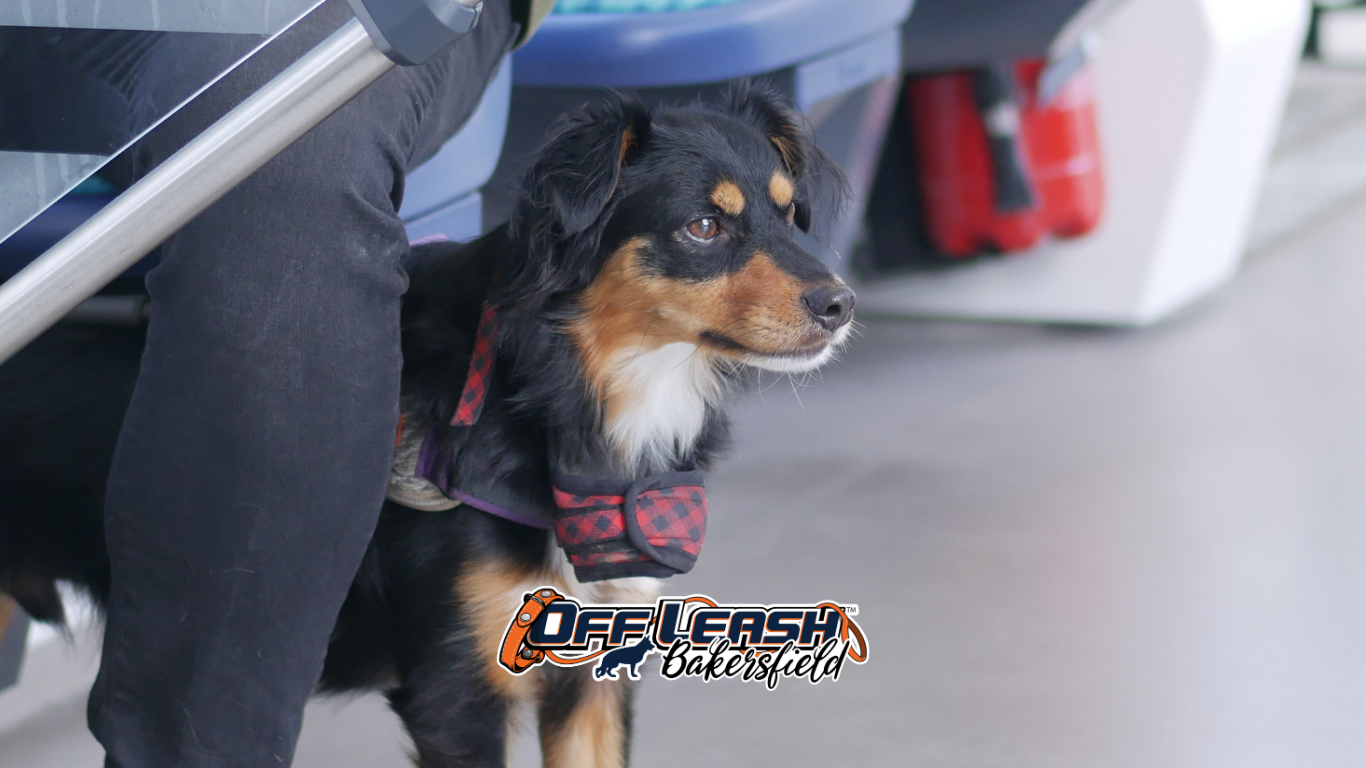
Creating a Dog Who Can Wait Calmly in the Car
It may surprise you to learn that a significant percentage of dog owners worry about leaving their pets alone in the car, even for short periods. This anxiety often stems from past experiences where the dog displayed distressing behaviors like barking, whining, or even trying to escape. So, how can we create an environment where a dog feels comfortable and calm while waiting in the car?
Historically, dogs weren’t always considered the house pets they are today, making the process of ensuring their comfort in various situations a relatively new challenge. A compelling statistic reveals that 60% of dog owners have successfully trained their pets to remain calm in potentially stressful scenarios, including car wait times. The key to this success often lies in gradually familiarizing the dog with the car environment and associating it with positive experiences, such as treats or favorite toys.
Creating a dog who can wait calmly in the car involves gradually acclimating your pet to the car environment with short, positive experiences, using tools like seatbelt harnesses and crates for security, maintaining a comfortable temperature, and reinforcing calm behavior with treats and toys. Consistent practice and patience are crucial.
Creating a Dog Who Can Wait Calmly in the Car
Training your dog to wait calmly in the car is essential for both safety and peace of mind. Dogs can become anxious or overly excited when left alone, leading to destructive behavior or unnecessary stress. Start by gradually acclimating your dog to the car environment. Short, frequent trips can help them associate the car with positive experiences, reducing their overall anxiety. Use treats and toys to create a pleasant and engaging atmosphere.
Another effective strategy is to practice impulse control exercises at home. Teaching commands like “stay” and “wait” builds discipline and patience in your dog. Once your dog masters these commands inside the house, begin practicing them in the car. This can reinforce the idea that waiting calmly is rewarding. Consistency and patience are key to successful training.
Utilizing tools like seatbelt harnesses or car crates can also help improve your dog’s behavior. These tools provide a sense of security and limit your dog’s movement, reducing their stress. A comfortable and familiar blanket or bed can make the car feel more like a safe space. Familiar scents can have a calming effect.
Always monitor the temperature inside the car and never leave your dog alone for extended periods. Cracking a window can help with ventilation but isn’t a substitute for a proper environment. Consider investing in a sunshade or portable fan for added comfort. Keeping your dog hydrated is equally important, so always have water available. These preventative measures ensure your dog’s well-being and comfort during car waits.
Key Benefits of Training Your Dog for Calm Car Waits
Training your dog to wait calmly in the car can lead to a more relaxed pet and a safer travel experience. When a dog learns to stay calm, it reduces the risk of them causing distractions for the driver. This can help prevent accidents on the road. Additionally, a calm dog is less likely to suffer from anxiety, making car trips more enjoyable for both you and your pet. The overall harmony between you and your dog can significantly improve with consistent training.
Another benefit is the reduction of destructive behaviors. Dogs that are anxious may scratch, chew, or otherwise damage the car interior. By teaching your dog to wait patiently, you can protect your car from potential harm. This also translates to less stress for you, knowing your vehicle remains intact. Moreover, your dog will feel more secure, leading to fewer behavioral issues overall.
Calm car behavior can also enhance your dog’s social experiences. When traveling to new places, a dog that is comfortable in the car is more likely to be calm upon arrival. This can make outings, such as trips to the vet or dog park, much more pleasant. Other people will also appreciate your dog’s good manners, creating positive social interactions. Good behavior can earn your dog more flexibility in public spaces.
A well-trained dog in the car can increase your overall freedom and mobility. You can confidently take your dog on longer trips or vacations. Knowing your pet can wait calmly in the car expands your activity options. This opens up more opportunities for shared adventures and strengthened bonds. Ultimately, training for calm car waits enhances both your and your dog’s quality of life.
Common Reasons Dogs Struggle to Wait in the Car
Many dogs struggle to wait in the car due to separation anxiety. When left alone, they can become anxious and stressed because they are unsure if or when their owners will return. This anxiety often results in whining, barking, or attempting to escape, making it difficult for them to calm down. For some dogs, even short periods of time alone can trigger these behaviors.
Another common reason is a lack of proper training and socialization. Dogs that are not used to spending time in vehicles may find the experience overwhelming. Without gradual exposure and positive reinforcement, they might associate the car with stress. This can lead to restless behavior and difficulty staying calm. It is essential to introduce dogs to car rides slowly and positively.
Some dogs may have had prior negative experiences in the car. Perhaps they associate car rides with trips to the vet, which can be stressful. These associations can cause dogs to be anxious or fearful in the car, even if the context is different. Overcoming these negative associations requires patience and reconditioning.
The physical environment of the car can also contribute to a dog’s struggle. Cars can become hot or cold quickly, adding to a dog’s discomfort and anxiety. Motion sickness is another factor; some dogs get nauseous during car rides, making the experience unpleasant. Ensuring a comfortable temperature and considering anti-nausea solutions can help mitigate these issues.
Effective Steps to Teach Your Dog Patience in the Vehicle
Start by familiarizing your dog with the car while it is stationary. Spend short, positive sessions in the car without movement, allowing your dog to explore and get used to the environment. Reward your dog with treats and plenty of praise during these sessions. Gradually increasing the time spent in the stationary car helps build a comfortable association. This foundation is crucial for ensuring future training success.
Once your dog is comfortable, move on to short car rides. Start with very brief trips around the block, gradually increasing the duration as your dog becomes more acclimated. Keep these initial rides positive, avoiding any potentially stressful destinations. Combining these outings with fun destinations like the park can reinforce positive associations. Consistent repetition aids in creating a routine your dog can predict and feel secure in.
Using commands like “wait” and “stay” can enhance your training efforts. Practice these commands in various settings, including inside the car, to reinforce their importance. Rewards for successful compliance can motivate your dog to remain patient. Over time, these commands will become familiar cues that your dog associates with calm behavior. Make sure to use these commands consistently to avoid confusion.
Creating a comfortable car environment can also support your training objectives. Consider using a crate or a seatbelt harness to ensure your dog’s safety and limit their movement. A familiar blanket or toy can provide added comfort and reduce anxiety. When your dog feels secure, they are more likely to stay calm during the ride. The environment plays a significant role in your dog’s ability to maintain patience.
Regular practice is essential to reinforce the desired behavior. Schedule consistent car training sessions, gradually increasing their length and complexity. Patience and persistence are key, as some dogs may take longer to adapt than others. Keep track of your dog’s progress and adjust your training methods as needed. With time and dedication, your dog will learn to wait calmly in the car.
Essential Safety Tips for Leaving Your Dog in the Car
When leaving your dog in the car, it’s crucial to consider the temperature. Even on mild days, the inside of a car can heat up quickly. A cracked window is not enough to keep the car cool. Always monitor the weather forecast before deciding to leave your dog in the car. Heat stroke can occur rapidly in dogs, so err on the side of caution.
Keeping your car well-ventilated is also essential. While a cracked window helps, using sunshades on your windows can significantly reduce the temperature inside the car. Sunshades block direct sunlight, providing a cooler environment for your dog. Parking in a shaded area further reduces the risk of overheating. Remember, even with precautions, never leave your dog alone for long periods.
Ensure your dog has access to water at all times. Bringing a portable water bowl can help keep your dog hydrated while waiting in the car. Proper hydration is key to preventing heat-related issues. If possible, use spill-proof bowls to avoid any mess in the car. Hydration aids in maintaining your dog’s overall health and comfort.
Another tip is to avoid leaving your dog in the car during extreme cold. Cars can also act like refrigerators, causing your dog to become too cold. Use blankets to provide additional warmth if necessary. Always consider the duration you’re planning to leave your dog to ensure their comfort. Your pet’s safety should always be the priority.
Use restraints like seatbelt harnesses or crates to keep your dog secure in the car. Restraints prevent your dog from moving around too much and potentially getting hurt. They also reduce distractions for other drivers if your dog gets anxious and moves excessively. A secured dog is a safer dog. Invest in a high-quality harness or crate to ensure maximum safety.
Lastly, never leave your dog in the car unattended for long periods. Regardless of the precautions taken, situations can change unexpectedly. If you must leave your dog, do periodic checks to ensure they are safe. Adequate vigilance helps prevent any unforeseen accidents or health issues. By following these tips, you ensure your dog’s well-being while waiting in the car.
Recommended Tools and Products for Stress-Free Car Waits
Using a high-quality seatbelt harness can greatly improve your dog’s safety and comfort during car waits. These harnesses keep your dog securely in place, reducing anxiety caused by movement. A seatbelt harness also prevents your dog from becoming a distraction to the driver. With various sizes and styles available, you can find one that fits your dog perfectly. Always choose a durable and comfortable option.
Car crates offer an excellent way to provide your dog with a designated safe space. These crates come in various sizes to accommodate different breeds and provide a sense of security. Many crates are designed for easy setup and portability, making them convenient for travel. Plus, they can help minimize distractions by limiting your dog’s movement. Ensure the crate is well-ventilated and comfortable for your dog.
Sunshades and window shades are essential for regulating the temperature inside your car. These products block out the sun’s rays, keeping the interior cooler and more comfortable. They are particularly useful on hot days when the car can heat up quickly. Easy to install and remove, sunshades are a simple yet effective solution. Keep a set in your car for those sunny days.
Portable fans are another great tool to keep your dog cool during car waits. Battery-operated or USB-powered, these fans can provide a steady airflow inside the car. They are especially useful on hot days to prevent overheating. Many portable fans come with clip-on features for easy attachment. A fan can significantly increase your dog’s comfort level.
Using calming sprays or pheromone diffusers can also help reduce anxiety. These products release scents that are known to soothe and relax dogs. Simply spray the inside of the car or attach a diffuser before your trip. They are especially useful for dogs with a history of anxiety. For best results, use these calming products consistently.
Lastly, don’t forget to pack some of your dog’s favorite toys and treats. Familiar objects can provide comfort and keep your dog entertained while waiting. Toys that encourage chewing or licking can be particularly soothing. Keep a small bag of their favorite treats handy for positive reinforcement. These items make the wait more enjoyable for your dog.
Frequently Asked Questions
Training your dog to wait calmly in the car can pose several challenges and questions. Below are some common inquiries and detailed answers to help you through this process.
1. How can I reduce my dog’s anxiety during car rides?
Reducing your dog’s anxiety during car rides starts with gradual exposure to the car. Begin with short, calm trips and slowly increase the duration as your dog becomes more comfortable. Using positive reinforcement like treats and praise can help them build positive associations with the car. Ensuring your dog feels secure, with tools like seatbelt harnesses or crates, can also make a significant difference.
Another helpful approach is to bring along your dog’s favorite blanket or toy, as familiar scents can be very comforting. Additionally, maintaining a steady routine with your car trips can help minimize anxiety. Some pet owners find that calming aids, such as pheromone sprays or calming chews, can further alleviate their dog’s stress during travel.
2. What are the best tools to keep my dog safe in the car?
The best tools to keep your dog safe in the car generally include seatbelt harnesses, car crates, and barrier gates. A seatbelt harness can secure your dog in a seated position, reducing the risk of injury during sudden stops. Car crates offer a confined space that can make your dog feel safer and prevent them from becoming a distraction. Barrier gates can keep your dog confined to the back seat or cargo area, preventing them from moving around the car.
Additionally, consider using sunshades to maintain a comfortable temperature and portable fans for ventilation in hot weather. Spill-proof water bowls can keep your pet hydrated without causing a mess. Each of these tools plays a crucial role in ensuring both your dog’s safety and comfort during car rides.
3. How long can I leave my dog alone in the car?
Leaving your dog alone in the car should be limited, as it can quickly become dangerous due to temperature changes. In warm weather, even a few minutes can put your dog at risk of heat stroke. If you must leave your dog alone, ensure the car is well-ventilated, provide water, and avoid staying away for more than a few minutes. It’s essential to consider the weather first and foremost before making this decision.
In colder weather, the car can act like a refrigerator, making it equally unsafe. Providing blankets can help, but it’s generally advisable not to leave your dog alone for extended periods in any temperature extremes. Periodic checks on your dog can ensure their safety if you absolutely need to leave them alone for a short time.
4. Why does my dog bark excessively when left in the car?
Excessive barking when left in the car often results from separation anxiety or fear. Your dog may feel abandoned and stressed, leading to vocalizing their discomfort. Slowly acclimating them to short periods alone in the car can help, using positive reinforcement like treats to reward calm behavior. Additionally, ensure they have a comfortable setup with familiar items to reduce stress.
Another approach is to train your dog using commands such as “quiet” while rewarding them when they stop barking. Over time, these training sessions can significantly reduce the anxiety that causes the barking. Environmental modifications, like using tinted windows or car covers, can also minimize external stimuli that might trigger barking.
5. Are certain dog breeds more prone to car anxiety?
Yes, certain dog breeds and even individual dogs can be more prone to car anxiety. Smaller breeds and those with less exposure to new environments tend to show higher levels of anxiety. Dogs such as Terriers and Toy breeds can be more susceptible. However, any dog can develop car anxiety depending on their previous experiences and temperament.
Regardless of the breed, gradual exposure and positive reinforcement are key strategies for reducing car anxiety. Consistent training and creating a positive car environment can help any dog become more comfortable with car rides. Knowing your dog’s specific needs and behavior can guide you in implementing the most effective strategies.
Conclusion
Ensuring your dog can wait calmly in the car is a blend of preparation, training, and the right tools. Gradual exposure and positive reinforcement are key strategies to help your dog feel secure. Using seatbelt harnesses or crates can enhance both safety and comfort during car rides. Consistent practice builds confidence in your dog over time.
Always consider your dog’s individual needs and preferences when implementing these strategies. Keeping an eye on weather conditions and ensuring proper hydration are crucial for your dog’s well-being. Your dedication to creating a stress-free environment will result in a happier, more relaxed pet during car waits. This makes every journey safer and more enjoyable for both you and your dog.
"*" indicates required fields