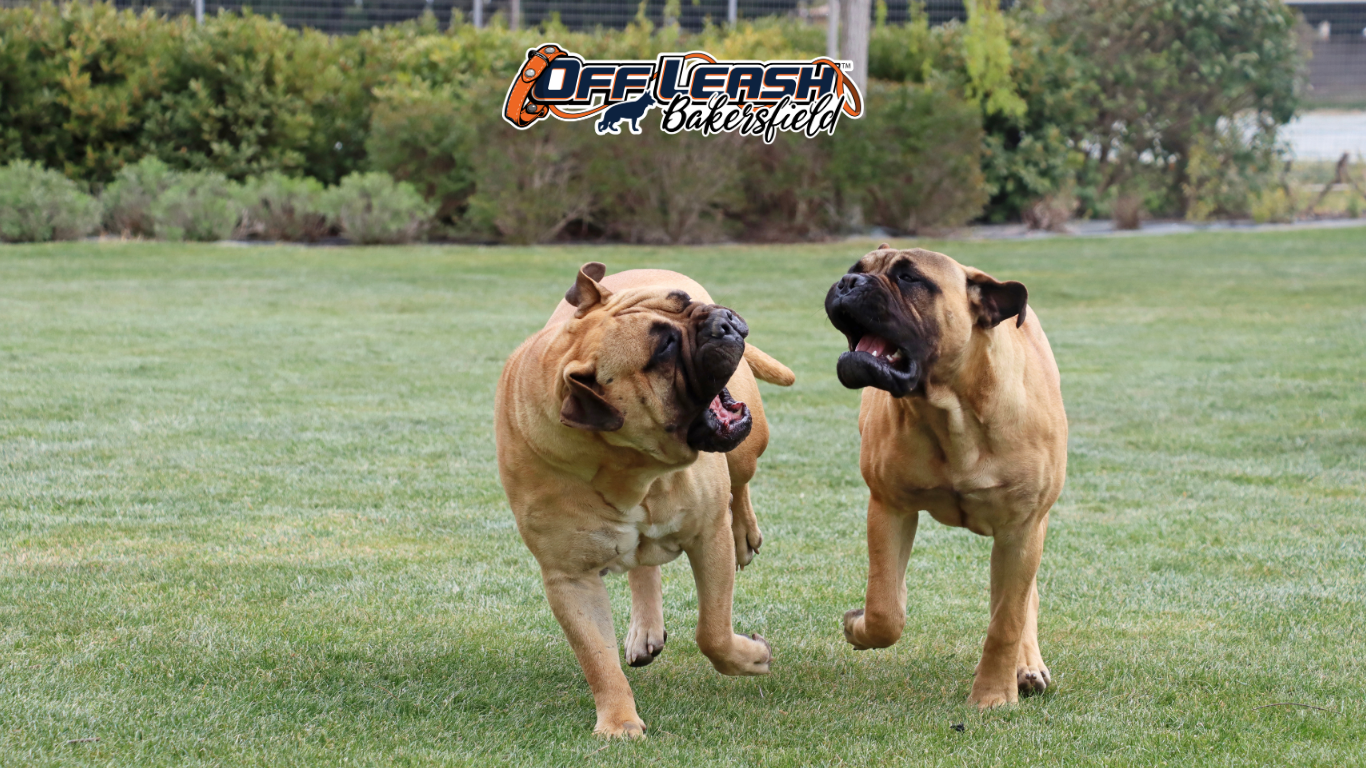
The Importance of Pause Breaks During High-Energy Play
High-energy play is integral to a dog’s physical health and mental well-being. However, it can sometimes lead to overexertion, much like athletes needing time to catch their breath. One might encounter instances where a seemingly tireless pup suddenly becomes sluggish or disoriented; these could be clear signs that pause breaks are necessary.
Historically, working dogs, such as shepherds and retrievers, have been accustomed to intermittent rest during long tasks. Modern studies also highlight that frequent, short breaks minimize the risk of heatstroke and fatigue in dogs. Ensuring these breaks optimizes both their playtime enjoyment and overall health.
Pause breaks during high-energy play are essential for dogs to prevent overheating, reduce stress on joints and muscles, and maintain overall health. Regular breaks help regulate body temperature, allow for hydration, and minimize the risk of fatigue and injuries, ensuring a safer and more enjoyable playtime experience for dogs.
The Importance of Pause Breaks During High-Energy Play For Dogs
During high-energy activities, dogs’ bodies work hard to regulate their temperature. This is especially true for breeds with thick coats or flat noses. Without breaks, their chances of overheating increase. That’s why incorporating pause breaks ensures they don’t push themselves too hard. This can prevent serious health issues like heatstroke.
Pause breaks aren’t just about preventing physical problems. They also help with your dog’s mental well-being. Too much stimulation without rest can lead to stress and anxiety. By taking breaks, dogs have a chance to calm down and reset. This makes their playtime more enjoyable and balanced.
Implementing pause breaks is easier than it sounds. Set intervals during your dog’s play session where they can rest and hydrate. You can use this time to practice simple commands. This way, the break is not only restful but also a training opportunity. Structured play training makes activities more controlled and beneficial.
When signs of fatigue or overexertion appear, it’s crucial to intervene immediately. Look out for heavy panting, drooling, or sluggish movements. These signs signal that your dog needs a break. Consistent and planned pause breaks are essential for their well-being. It helps maintain their energy and health over time.
Why dogs need to pause during energetic activities
Dogs, like humans, need breaks to stay healthy and happy. Constant activity can cause exhaustion and stress. Unlike humans, dogs don’t sweat; they regulate their temperature by panting. Is it any wonder they need a moment to catch their breath? Taking breaks helps them manage their body heat.
Regular pauses also protect dogs’ joints and muscles. High-energy play puts a lot of stress on their bodies. Older dogs and puppies are especially at risk of injury. By including breaks, you help their muscles recover. This keeps them fit and reduces the chance of strains or sprains.
Another reason for pause breaks is mental well-being. Dogs can get overwhelmed by too much excitement. They need time to process and relax. During these breaks, pet owners can practice commands or simply give affection. This strengthens the bond between dogs and their humans.
Using structured play training, pet owners can include pauses naturally. You can set a timer for regular breaks. Use this time for water, rest, or light training. This makes the play sessions balanced and safe. Your dog will appreciate the routine and thrive better.
Physiological benefits of pause breaks
Pause breaks during high-energy activities are crucial for dogs’ cardiovascular health. Regular breaks help stabilize their heart rate after intense exertion. This lowers the risk of cardiovascular issues. Over time, these pauses contribute to a stronger, healthier heart. They enhance overall fitness safely and effectively.
Regulating body temperature is another significant benefit of pause breaks. Unlike humans, dogs can only cool down by panting. Continuous activity without breaks can lead to overheating. Pause breaks allow dogs to cool down and prevent heat-related illnesses. These moments are vital, especially during hot weather.
Pause breaks also support muscle recovery and repair. High-energy activities can cause tiny muscle tears. Rest periods give muscles the time to heal. This reduces the risk of injuries and promotes muscle growth. Strong muscles are essential for dogs’ active lifestyles.
Additionally, breaks allow for hydration and nutrition. Dogs need water to stay hydrated, especially when they are active. Providing a break to drink water helps maintain their electrolyte balance. You can also offer a small snack for energy. These breaks ensure dogs stay healthy and hydrated.
Common signs of overexertion and when to intervene
Recognizing the signs of overexertion in dogs is crucial for their safety. Heavy panting is one of the first indicators. While panting is normal, excessive panting isn’t. It shows that the dog is having trouble cooling down. You should step in immediately.
Another clear sign is drooling more than usual. Excessive drool can indicate that your dog is overheating. Their bodies are struggling to manage heat. Intervene by providing water and shade. This helps prevent heatstroke.
Sluggish movement or reluctance to keep playing are also red flags. Dogs that suddenly slow down or lie down may be too tired to continue. This isn’t just laziness; it’s their body’s way of saying they need a break. Make sure to let them rest.
If your dog appears disoriented or wobbly, this is a serious sign. Overexertion can lead to dizziness and loss of balance. Immediately stop the activity. This could be a sign of severe fatigue or heat exhaustion.
Pale gums are another symptom to watch for. Healthy gums should be pink. If they turn pale, it may indicate circulatory issues. Stopping the exercise and consulting a vet is advisable. Quick action can prevent lasting damage.
How to incorporate effective pause breaks during playtime
Creating a routine for pause breaks can make playtime safer and more enjoyable. Set a timer to remind you to take breaks every 15-20 minutes. This simple step ensures that breaks are consistent. Consistency helps dogs understand when it’s time to rest. This reduces the chances of overexertion.
Use these breaks for hydration. Keep a water bowl handy. Encourage your dog to drink water during each break. This helps maintain their energy and hydration levels. It’s a quick way to prevent overheating.
Incorporate light activities during breaks. Simple commands like sit, stay, or lie down can be practiced. This makes the break more structured. It keeps your dog engaged but in a less intense manner. Structured play training can be both fun and restful.
Find shaded or cool spots. Hot pavement or direct sunlight can be harsh. A shaded area provides comfort. It helps your dog cool down faster. This also makes breaks more refreshing and pleasant.
Observe your dog’s behavior during the break. Check if they’re panting heavily or seem extremely tired. Adjust the play intensity based on their condition. This ensures your dog is not pushed beyond their limits. Your furry friend will stay healthier and happier.
Long-term effects of high-energy play without breaks for dogs
Constant high-energy play without breaks can lead to chronic fatigue in dogs. Over time, this persistent tiredness affects their overall activity levels. Your dog might seem less excited about playtime. This can impact their mental well-being. A tired dog is often a stressed dog.
Joint and muscle problems are other significant risks. Without breaks, dogs’ bodies don’t get the recovery time they need. High-impact activities can strain joints and lead to issues like arthritis. Muscles can also suffer from overuse injuries. Regular breaks can prevent these long-term health problems.
Behavioral changes can also occur if breaks are not given. Dogs may become more irritable or anxious. They might start to avoid playtime altogether. Such changes can strain the bond between the dog and owner. Addressing overexertion early on can prevent these negative behaviors from developing.
Overheating is another risk to consider. Dogs naturally have a harder time cooling down than humans. Without breaks, their bodies can become dangerously overheated. This can lead to severe health issues such as heatstroke. Consistent breaks help manage their body temperature.
Lastly, lack of proper breaks can weaken a dog’s immune system. Constant exertion without rest can lead to stress, which in turn affects immunity. A stressed immune system makes dogs more prone to illnesses. Ensuring they have adequate rest keeps them healthier in the long run.
Frequently Asked Questions
Understanding the importance of pause breaks can greatly enhance your dog’s playtime experience. Here are some common questions and answers to help you optimize your dog’s activities.
1. How often should I give my dog a break during play?
It’s best to give your dog a break every 15-20 minutes during high-energy play. Short, consistent breaks help prevent exhaustion and keep your dog healthier. This allows your dog to hydrate and cool down, reducing the risk of overheating and injury.
Regular pauses also help maintain your dog’s enthusiasm for play. When dogs are well-rested, they engage more positively in activities. This routine can improve your dog’s overall physical and mental well-being.
2. What are the signs that my dog needs a break?
Common signs that your dog needs a break include heavy panting, drooling, or acting sluggish. If your dog starts to lie down or lose interest in play, it’s time for a rest. Recognizing these signs early can prevent overexertion and associated health risks.
Monitoring your dog’s behavior closely helps in timely intervention. Consistent attention to these signs can improve your dog’s play experience and health. It’s crucial to stop the activity as soon as any signs of fatigue appear.
3. How can I make breaks more enjoyable for my dog?
Making breaks enjoyable for your dog can include offering water and a comfortable resting spot. Incorporate light activities like gentle petting or practicing commands. This keeps your dog engaged without being overly active.
You can also use treats as rewards during breaks. This positive reinforcement can make the break time pleasant and productive. It also strengthens the bond between you and your dog.
4. Are some dog breeds more prone to overexertion?
Yes, certain breeds, like brachycephalic dogs (e.g., Bulldogs, Pugs), are more prone to overexertion. These breeds have difficulty cooling down due to their shorter airways. They need more frequent and longer breaks during play.
Breeds with thick coats or those predisposed to joint issues also require extra caution. Knowing your dog’s breed-specific needs can help manage their activity levels safely. Always tailor breaks based on individual needs.
5. What activities can I do during my dog’s break time?
During breaks, you can engage in light training exercises. Simple commands like sit, stay, and shake can be practiced. This makes the break both restful and mentally stimulating for your dog.
Another activity is gentle grooming or massage. This can be calming and helps your dog relax. It’s a great way to bond while ensuring your dog stays cool and comfortable.
Conclusion
Incorporating pause breaks during high-energy play for dogs is essential for their overall well-being. These breaks help prevent overheating, reduce stress on joints, and provide mental rest. They are a simple yet effective way to ensure your dog remains healthy and happy.
By recognizing the signs of overexertion and intervening promptly, you enhance the quality of your dog’s playtime. Properly managed breaks contribute to a safer and more enjoyable experience. Prioritizing your dog’s needs will lead to a stronger bond and a healthier pet.
"*" indicates required fields