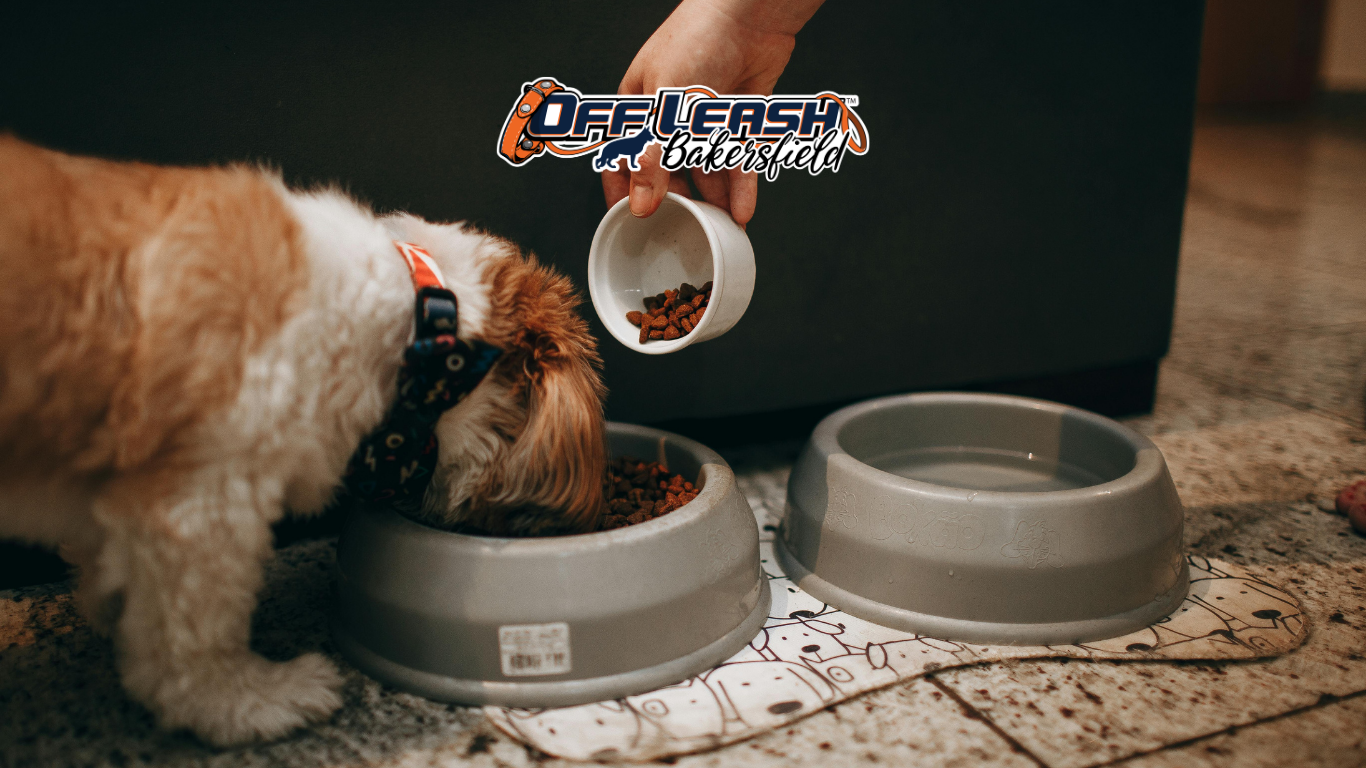
Why Your Dog Becomes Hyper Before Feeding Time
Have you ever noticed how your dog’s excitement skyrockets as feeding time approaches? It’s as though they possess an innate alarm system, alerting them precisely when it’s time to eat. The flutter of their tails and the palpable energy filling the room are hard to miss.
The phenomenon of pre-meal hyperactivity can be attributed to a combination of natural instincts and learned behavior. Historically, dogs have retained their survival instincts from their wolf ancestors, who would have experienced a similar surge of anticipation before a meal. Studies indicate that the routine and consistency of feeding times can trigger a conditioned response, resulting in heightened energy and excitement. Understanding these behavioral cues is crucial for pet owners looking to manage their dog’s pre-meal exuberance effectively.
Dogs become hyper before feeding time due to their internal biological clocks, learned routines, and inherited instincts from their wild ancestors. The anticipation of food triggers excitement and physiological responses such as increased energy and salivation. Consistent feeding schedules can also condition dogs to expect food at certain times, amplifying their excitement.

Why Your Dog Becomes Hyper Before Feeding Time
Dogs often become hyper before feeding time due to their keen sense of routine. They have an internal clock that alerts them when it’s close to meal time. This routine creates a sense of anticipation, leading to increased excitement. Their bodies start producing more digestive enzymes in preparation for the meal. This physiological response further fuels their hyperactivity.
Another reason for this behavior is inherited instincts from their wild ancestors. In the wild, food was not guaranteed, and early canines had to hunt for survival. The excitement before a meal is partly a remnant of this hunting instinct. This heightened energy level helped them become more alert and ready for action. It’s a behavior deeply rooted in their DNA.
Your dog’s hyper behavior can also be linked to the pleasure of eating. The joy of food releases endorphins, making meal times a positive experience. This hormone release makes them look forward to the feeding process. Consistently feeding them at the same time daily can create a conditioned response. This regularity strengthens their excitement as they know what to expect.
Handling feeding excitement in dogs can involve some practical strategies. Establishing proper meal time manners helps control their impulses. Teaching your dog to sit calmly before receiving their food can be effective. This practice encourages food impulse control, reducing pre-meal hyperactivity. Consistency and patience are key to modifying this behavior.
Common behaviors observed before meals
Before mealtime, dogs often exhibit a series of recognizable behaviors. One common behavior is pacing back and forth. This restlessness indicates their excitement and anticipation for food. Some dogs may also begin to whine or bark. These vocalizations are their way of expressing eagerness and impatience.
Another typical behavior is jumping or spinning in circles. This increased activity shows both their energy and anticipation for the upcoming meal. Dogs might also stare intensely at your movements, especially when you are near their food. They are highly focused on any signs suggesting that their meal is imminent. This focused attention is a clear indication of their heightened alertness.
Dogs may also engage in more physical contact, such as pawing or nudging you. This is their attempt to remind you that it’s feeding time. Some dogs might even become more obedient, performing tricks or commands without being asked. This change in behavior is their way of trying to please you to get their meal faster. It’s a smart tactic to earn quick rewards.
Moreover, dogs often display salivation as mealtime approaches. The sight or sound of their food being prepared can trigger this drooling. This is a natural physiological response, preparing their bodies for digestion. Understanding these common behaviors helps in managing their meal-time manners. Being aware can lead to better control and a more peaceful pre-meal environment.
The role of routines and conditioning
Routines and conditioning play a significant role in a dog’s behavior around mealtime. Dogs thrive on consistency, and a regular feeding schedule becomes part of their daily routine. Knowing when their next meal is due can create a sense of security. This predictability helps reduce anxiety and supports a stable feeding environment. Over time, this establishes a conditioned response to set meal times.
Conditioning is a powerful behavior-shaping tool. When a dog knows that food comes at a specific time, their body starts to prepare for it. This learned behavior means they will begin to salivate or become more active as the time approaches. It’s a response rooted in their biological rhythms. The anticipation generated by this routine is a vivid example of classical conditioning.
Establishing a consistent meal routine can help manage hyperactivity. If meals are given at irregular times, it can lead to confusion and behavioral issues. Sticking to a consistent schedule ensures that the dog knows what to expect. This regularity can help in reducing undue excitement before meals. A well-structured routine fosters a calm and predictable environment.
Consistency is also key in training other behaviors, not just feeding. Dogs respond positively to structured routines. This can include regular walks, playtimes, and training sessions. Predictable schedules lead to better-behaved dogs overall. Knowing how to use routines and conditioning effectively can greatly enhance your dog’s daily life.
Instincts inherited from wild ancestors
Many behaviors displayed by dogs today are remnants of their wild ancestors. Wolves, the ancestors of domesticated dogs, had to hunt for survival. This hunt created a surge of energy and excitement, similar to what we see in dogs before meal times. The anticipation of food naturally triggered these energetic responses. This instinct has been passed down through generations.
Wolves worked in packs to chase and capture prey, which required high levels of coordination and energy. This collective anticipation is mirrored in the excitement dogs show before feeding. The energy burst before a meal is a strategic advantage, preparing the body for the activity ahead. Though domesticated dogs don’t hunt, this excitement remains ingrained in their behavior. It’s a survival mechanism that has stood the test of time.
Before a hunt, wolves’ bodies would release adrenaline to prepare for the physical exertion. This hormonal response is similar to what happens when a dog gets excited before eating. Their bodies prepare, expecting a burst of activity. This preparation is seen through signs like panting, whining, and increased movement. These behaviors are all inherited instincts from their wild counterparts.
Even the act of guarding and protecting food can be traced back to these instincts. In the wild, securing a meal could mean the difference between life and death. Domesticated dogs might show similar protective behaviors around their food bowls. This drive to protect food demonstrates another instinct from their wild ancestors. It ensures the survival and continuity of their pack.
Understanding these inherited instincts helps in managing a dog’s behavior. Recognizing that these actions are deeply etched in their DNA provides insight into their daily activities. By aligning modern training methods with these instincts, better behavior outcomes can be achieved. Knowledge of these ancestral behaviors can improve pet-owner relationships. It creates a more harmonious living environment for both.
Modern diets and feeding practices have changed, but these instincts remain. Dogs may no longer need to hunt, yet the excitement and behaviors around food persist. These inherited traits show the complexity of canine evolution. Recognizing and respecting these instincts is vital in nurturing our dogs. It helps create a balanced and understanding atmosphere for them.
How hunger cues trigger excitement in dogs
Dogs’ bodies have a natural way of signaling that it’s time to eat. These hunger cues include a growling stomach and a drop in energy. When these signals occur, a dog’s brain releases hormones that trigger excitement. Their senses become heightened, making them more alert to any signs of food. This biological process prepares them for the upcoming meal.
The sight and sound of food being prepared can intensify their excitement. When they see their owner reaching for the food container, their anticipation grows. The familiar sounds of kibble hitting the bowl or a spoon stirring can trigger a rush of energy. These sensory triggers are closely linked to their hunger cues. This combination leads to a noticeable increase in their activity levels.
Saliva production is another response to hunger and is part of the excitement process. When dogs smell food, their mouths produce more saliva, preparing their digestive system. This is a natural, involuntary reaction that shows their body is ready to eat. You’ll notice them licking their lips more often. This drooling is a clear sign that their hunger cues have kicked in.
Dogs can also exhibit behaviors like jumping or spinning due to heightened excitement. This physical expression is their way of dealing with the anticipation. It’s not just a display of their energy but also their eagerness. The excitement is so overwhelming that it translates into physical movement. Understanding these actions can help in managing their pre-meal behavior.
Observing these hunger cues can give valuable insights into their routines. They reveal not only the physical but also the emotional state of the dog. By recognizing and respecting these cues, feeding times can be managed more effectively. This awareness fosters a better relationship between pets and their owners. It ensures that mealtimes are more structured and enjoyable for both.
The impact of feeding schedules on canine behavior
Feeding schedules play a crucial role in shaping canine behavior. A consistent feeding routine helps establish predictability in a dog’s daily life. This predictability can reduce anxiety and make dogs feel more secure. Knowing when they will eat next can minimize food-related stress. Regular meal times create a structured environment for the dog.
Inconsistent feeding schedules, however, can lead to behavioral problems. Dogs might become anxious or exhibit aggressive behaviors if they are uncertain about when their next meal will be. This unpredictability stresses them out, leading to unwanted behaviors. Consistent feeding times can promote better obedience and calmness. It helps them understand what to expect in their daily routine.
Feeding schedules also affect a dog’s digestive health. Regular meal times ensure that their digestive system functions smoothly. It reduces the chances of gastrointestinal issues like bloating and discomfort. Their bodies adapt to a routine, making digestion more efficient. This contributes to their overall well-being.
A well-planned feeding schedule can also aid in training. Dogs tend to be more focused and responsive when they know their meal depends on good behavior. This can make training sessions more productive and efficient. Using meal times as an opportunity for training reinforces good habits. It links positive behavior with rewards, strengthening their obedience.
Structured feeding routines can also help manage a dog’s weight. Knowing exactly when and how much to feed prevents overfeeding or underfeeding. This can combat obesity and maintain a healthy weight. Monitoring their diet as part of a routine helps in maintaining their health. A balanced diet given at regular intervals contributes to a longer, healthier life.
Tips for managing pre-feeding hyperactivity in dogs
Managing pre-feeding hyperactivity in dogs can be achieved through consistent training and routines. One effective method is to establish a calm environment before meal times. Encourage your dog to sit or lie down quietly before you start preparing their food. Rewarding this calm behavior with treats reinforces the desired action. Gradually, your dog will associate sitting calmly with receiving their meal.
Interactive toys can also help in keeping their minds engaged as you prepare their food. Puzzle feeders or chew toys can distract them from getting overly excited. These toys provide mental stimulation and keep them occupied. It’s a great way to channel their energy productively. Using these tools can make the lead-up to mealtime calmer.
Another useful tip is to vary the time slightly when feeding your dog. This prevents them from becoming too conditioned to a specific schedule, reducing anxiety if meals are delayed. Rotating the feeding times within a short window helps maintain flexibility. Consistency remains key, but small variations teach patience and impulse control.
Exercise plays an important role in managing pre-meal excitement. A well-exercised dog is less likely to exhibit hyperactive behavior before eating. Taking them for a walk or engaging in playtime before mealtime can help burn off excess energy. This encourages more relaxed behavior when it’s time to eat.
- Establish a calm environment
- Use interactive toys
- Vary feeding times slightly
- Ensure regular exercise
Teaching obedience commands such as “wait” or “stay” before placing their food bowl down is crucial too. This practice instills patience and reinforces good manners around food. It may take some time, but consistent training yields positive results. With practice, your dog will understand that calm behavior leads to rewards.
When to seek advice about your dog’s pre-feeding behavior
While it’s normal for dogs to get excited before meals, certain behaviors may indicate a need for professional help. Excessive barking, relentless jumping, or aggression over food can be concerning. If your dog’s hyperactivity seems uncontrollable, it’s worth consulting a professional. These issues could be signs of deeper behavioral problems. Seeking advice can help address these challenges early on.
If your dog shows a sudden change in pre-feeding behavior, it may also warrant a closer look. A typically calm dog becoming anxious or aggressive might have an underlying issue. Changes in behavior can sometimes be linked to health problems. Consulting a vet could provide insights into any medical causes. It’s important to rule out any physical health concerns.
In some cases, food aggression can pose significant risks to other pets or family members. Professional dog trainers or animal behaviorists can offer strategies and training techniques. They help manage and reduce aggressive tendencies around food. Implementing their advice ensures everyone’s safety and promotes a peaceful environment. Consistent training and expert guidance can make a big difference.
Highly erratic meal-time behavior, like refusing to eat unless overly excited, should be addressed. This can develop into a negative feeding pattern that’s hard to break. Expert advice can help establish healthier eating habits. They can offer solutions tailored to your dog’s specific needs. Early intervention prevents long-term issues from developing.
- Excessive hyperactivity
- Sudden behavior changes
- Food aggression
- Erratic eating patterns
Knowing when to seek advice can improve your dog’s quality of life. It ensures that any problematic behavior is managed effectively. Addressing issues sooner rather than later can prevent them from becoming more serious. Trusting in professional guidance helps create a happier, healthier relationship with your pet. Seeking help when needed is a responsible approach to pet ownership.
Frequently Asked Questions
Understanding why dogs become hyper before feeding time can help manage their behavior better. Here are some common questions and answers to provide more insights on this topic.
1. How can I calm my dog down before meals?
To calm your dog before meals, start by creating a quiet environment. Encourage your dog to sit or lay down before you begin preparing their food. Rewarding this calm behavior with treats reinforces the desired action. Over time, your dog will associate being calm with receiving their meal, reducing hyperactivity gradually.
Additionally, using toys or puzzles that stimulate your dog’s mind can keep them occupied. Regular exercise before meal times also helps in burning off excess energy. Consistency and patience are key to modifying pre-meal hyperactivity. Gradually, these practices will lead to a more composed pet during feeding times.
2. Is it normal for dogs to bark a lot before feeding?
Dogs often bark before feeding due to excitement and anticipation. This behavior is generally normal, especially if they are used to regular feeding times. However, excessive barking can become a problem if it disrupts the household or indicates anxiety. In such cases, it’s essential to address the underlying issues.
Training your dog to associate quiet behavior with receiving food is a helpful strategy. Reward them for being quiet and avoid reinforcing the barking by giving food immediately. Over time, this will help in reducing the excessive barking and encourage calmer behavior before meals.
3. Why does my dog become aggressive around food?
Food aggression in dogs is often linked to their instinct to protect resources. This behavior can be a remnant of their wild ancestors who had to guard their food for survival. If your dog shows aggression around food, it is important to address this behavior promptly to ensure safety.
Consulting with a professional dog trainer or behaviorist can provide effective strategies for managing food aggression. Techniques such as gradually desensitizing your dog to people being near their food can help. Consistent, positive reinforcement training is key to reducing aggressive tendencies.
4. Can irregular feeding times affect my dog’s behavior?
Yes, irregular feeding times can significantly impact your dog’s behavior. Dogs thrive on routine, and unpredictability can lead to anxiety and stress. This unpredictability can cause unwanted behaviors like excessive barking, whining, or aggression. A consistent feeding schedule helps maintain their mental and physical well-being.
By establishing regular meal times, you create a structured environment that helps reduce anxiety. Consistent routines reassure dogs, making them feel secure. This consistency not only improves their behavior but also fosters a healthier, happier pet overall.
5. What role does exercise play in managing pre-feeding hyperactivity?
Exercise is crucial in managing a dog’s energy levels and behavior. Regular physical activity helps burn off excess energy, making dogs calmer and more relaxed. Engaging your dog in a walk or play session before meal times can significantly reduce hyperactivity. It prepares them for the calm needed during feeding.
Incorporating exercises like fetch or agility training can provide both physical and mental stimulation. Ensuring your dog gets enough exercise daily will lead to more balanced behavior. This practice is beneficial not just for pre-meal times but for their overall health and contentment.
Conclusion
Understanding your dog’s pre-feeding hyperactivity involves recognizing their natural instincts and the impact of routines. By addressing these behaviors with consistent training and structured feeding schedules, you can reduce undue excitement. Engaging your dog’s mind and body with exercises and interactive toys also plays a crucial role.
Seeking professional advice when necessary ensures that any serious behavioral issues are properly managed. Creating a balanced and calm pre-meal environment benefits both pets and their owners. A thoughtful approach to managing your dog’s feeding routine promotes overall well-being and strengthens your bond.
"*" indicates required fields