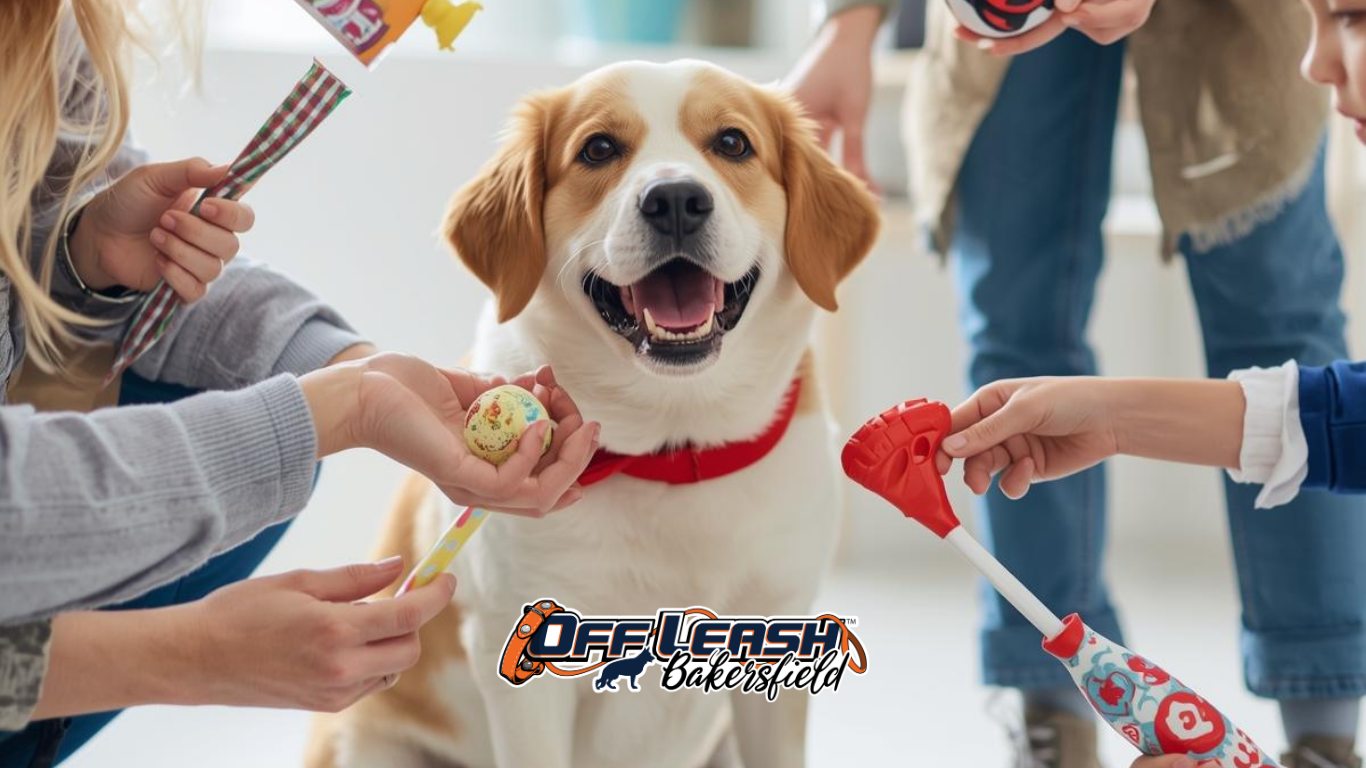
The Importance of Reward Variety in Dog Training
Every dog trainer knows that dogs react best when motivated by rewards. But did you know that a dog can quickly lose interest if the same reward is repeated too often? By ensuring variety in rewards, trainers can maintain the dog’s engagement and make the learning process more enjoyable for both parties.
The idea of reward variety in dog training isn’t new; it has been a staple method among seasoned trainers for years. Studies have shown that dogs are more responsive and perform better when presented with different types of rewards such as treats, toys, and praise. This approach not only increases motivation but also helps in reinforcing positive behaviors effectively.
Using a variety of rewards in dog training keeps dogs engaged, motivated, and more responsive. Different types of rewards like treats, toys, and praise cater to individual preferences and learning styles, preventing boredom. This approach helps reinforce positive behaviors effectively and maintains high levels of enthusiasm during training sessions.

The Importance of Reward Variety in Dog Training
Using a variety of rewards in dog training keeps your pet interested and motivated. Dogs can quickly become bored if they always receive the same reward. Mixing different treats, toys, and praise ensures they stay excited to learn new commands and tricks. This strategy makes training sessions more engaging and fun for both the dog and the trainer. It also helps in maintaining the dog’s focus and attention.
Different types of rewards cater to different needs and circumstances. For example, high value rewards such as a piece of chicken can be used for more challenging tasks. On the other hand, a simple toy or verbal praise can be sufficient for reinforcing basic commands. A reward variety approach acknowledges that not all rewards are equally motivating for every task. This flexibility can lead to improved training outcomes.
A well-rounded reward system can also aid in addressing specific behavioral issues. Dogs with anxiety might respond better to comforting praise. Energetic dogs might prefer engaging with an interactive toy. By observing your dog’s preferences, you can tailor the rewards to suit their personality, making training sessions more effective. Having a toolkit of varied rewards allows for better customization.
There are some common mistakes to avoid when implementing reward variety. Using the same high value reward all the time can diminish its effectiveness. It’s also important to avoid giving rewards inconsistently, as this can confuse the dog. Creating a schedule that balances different types of rewards can prevent these issues. The goal is to keep the dog eager to learn and perform. A dynamic reward system encourages continuous improvement and learning.
Types of Rewards: Treats, Toys, Praise, and More
There are various types of rewards that can be used in dog training. Treats are one of the most common rewards. They can range from small pieces of kibble to high-value items like pieces of chicken or cheese. Treats are particularly effective for teaching new tricks. Dogs quickly learn to associate good behavior with tasty rewards.
Toys are another excellent type of reward. These can include anything from balls to tug ropes, providing stimulation and fun. Toys are not only good for rewarding obedience but also for encouraging physical exercise. Some dogs are highly motivated by the opportunity to play. Integrating toys into training sessions keeps things lively and engaging.
Praise is a simple yet powerful reward. It involves using verbal affirmations like “good girl” or “well done” and physical gestures like petting. Praise works well for dogs who crave their owner’s attention and approval. This type of reward builds a stronger bond between the dog and the trainer. It can be used in combination with treats or toys for a multifaceted approach.
Other types of rewards include activities and experiences. For some dogs, the opportunity to go for a walk or play in the park is highly motivating. Allowing the dog to engage in a favorite hobby can be a significant reward. The key is to understand what your dog values and use that as a tool for positive reinforcement. By mixing different types of rewards, you can keep the training process exciting and effective.
Why Diverse Rewards Enhance Learning and Motivation
Diverse rewards enhance learning because they keep training interesting for dogs. When a dog knows that different types of rewards are available, they stay more engaged. This anticipation makes them eager to perform tasks correctly. It prevents the training process from becoming monotonous. The varied rewards help maintain a high level of motivation.
A variety of rewards also caters to different learning styles and preferences. Some dogs may respond better to treats, while others prefer toys or praise. By offering multiple types of rewards, trainers can quickly determine which ones are most effective. This tailored approach ensures that the dog remains focused. It also increases the chances of success in training sessions.
Regularly changing the rewards keeps the training dynamic and fresh. Dogs, like humans, can get bored with the same routine. Introducing new and exciting rewards prevents this boredom. A dynamic training environment encourages dogs to stay alert and responsive. Consistent performance over time becomes more achievable.
Diverse rewards also reinforce the dog’s understanding of positive behavior. When dogs receive different rewards for the same behavior, it strengthens their association. They realize that good behavior consistently leads to something enjoyable. This reinforces learning and makes the training more effective. An adaptable reward system fosters long-term success in dog training.
Common Mistakes to Avoid When Choosing Rewards
One common mistake is using the same reward all the time. Dogs can get used to the same treat, toy, or form of praise, making it less effective. Switching things up keeps your dog interested and motivated. Over time, they may lose enthusiasm if they always get the same reward. It’s important to regularly introduce new rewards to keep things fresh.
Another mistake is not considering the individual preferences of your dog. What works for one dog might not work for another. Some dogs respond better to treats, while others might prefer toys or praise. It’s essential to observe what excites your dog the most. Tailoring rewards to your dog’s preferences can significantly improve training outcomes.
Inconsistency in rewarding behavior is another pitfall. If you reward your dog sometimes but not always, this can confuse them. Consistency is key to reinforcing positive behavior. Make sure to reward your dog every time they perform the desired action. This helps them understand what behaviors are expected and appreciated.
Using too high value rewards for everything can also be a mistake. If a dog gets a piece of chicken for a basic command, it diminishes the value of that reward. High value rewards should be reserved for more challenging tasks. This creates a balanced reward system. It ensures that your dog remains motivated for both easy and difficult commands.
Finally, avoid over-rewarding your dog. Too many treats can lead to health issues like obesity. Rewards should be given in moderation. Balance between different types of rewards is essential. Monitor your dog’s food intake and adjust the rewards accordingly to maintain their health.
Tips for Applying Reward Variety in Real Training Sessions
When applying reward variety, start by understanding your dog’s preferences. Pay attention to what excites them the most. Some dogs might go wild for a squeaky toy, while others work best for treats. Begin with a mix of their favorite rewards to keep them engaged. This way, you set up a strong foundation for your training sessions.
Make sure to rotate the types of rewards you use. Don’t give the same treat or toy every time your dog performs well. A varied reward system keeps your dog guessing and eager to earn the next reward. One day, use verbal praise combined with a treat. The next session, you could switch it to a toy and a belly rub.
Another effective tip is to use high value rewards for more challenging tasks. Save the really special treats for those moments when your dog accomplishes something difficult. This helps to reinforce that bigger effort results in bigger rewards. Smaller or less exciting rewards can be used for simpler tasks. This balance keeps training efficient and motivating.
Include playtime as a reward in your sessions. Activities like fetch or a game of tug-of-war can be great motivators. Using playtime as a reward can also help your dog release some energy, making them more focused in training. Try scheduling a short play session after a successful command. This integrates fun into your training routine.
Consistency is key with reward variety. Make sure you are rewarding the right behavior every time. This reinforces good actions and keeps your dog on track. The more consistent you are, the more effective your training will be. Keep track of what works best and adjust as needed to cater to your dog’s changing interests.
How Trainers Can Personalize Reward Strategies for Each Dog
Personalizing reward strategies begins with understanding each dog’s unique preferences. Observe what makes your dog most excited. This could be specific treats, toys, or even praise. Every dog is different, and knowing what they love the most is key. Tailoring rewards to individual preferences makes training more effective.
Collecting data on your dog’s preferences can help in crafting a personalized strategy. Keep a record of which rewards your dog responds to the best. This can be in the form of a simple list or a table.
- Treats: Chicken, cheese, kibble
- Toys: Squeaky ball, tug rope, frisbee
- Praise: Petting, verbal affirmation
Adjust the rewards based on your observations to maintain high engagement levels.
Incorporate variety within the personalized reward system. Use different rewards for different tasks to maintain your dog’s interest. For instance, reserve special treats for complex commands. Use simpler rewards like verbal praise for easier tasks. This balanced approach keeps training sessions from becoming predictable and boring.
It’s also essential to adjust rewards as your dog grows and learns. What was once a high value reward might no longer be as motivating. Regularly update your reward list based on your dog’s current interests. This helps in keeping the training sessions relevant and challenging. Flexibility in reward strategies ensures long-term success.
Communication is crucial in personalized training. Be clear and consistent with commands and rewards. This helps your dog understand the connection between behavior and rewards. Consistent communication builds trust and makes learning faster. Personalized reward strategies are most effective when combined with clear instruction.
Frequently Asked Questions
When it comes to dog training, utilizing a variety of rewards can make a significant difference in the effectiveness of your sessions. Below are some common questions and detailed answers to help guide you.
1. What types of rewards are most effective in dog training?
The most effective rewards can vary depending on the dog. Treats are highly effective because they provide immediate gratification. High-value treats, like small pieces of chicken, can be particularly motivating for difficult tasks. Toys also work well as rewards, especially for dogs who love to play. Finally, verbal praise and petting can be very powerful, especially for dogs who yearn for human attention.
By using a mix of treats, toys, and praise, you can keep your dog engaged and motivated. Rotating different types of rewards prevents the training from becoming predictable and keeps your dog guessing. Always observe your dog to see which rewards they respond to best, as preferences can change over time. Personalized reward strategies ensure the training remains effective and fun.
2. How can I use praise effectively in dog training?
Praise can be highly effective when used correctly. The key is timing and sincerity. Always praise your dog immediately after they perform the desired behavior. This helps them make the connection between the action and the reward. Use a happy and enthusiastic tone to show that you are pleased with their behavior.
Additionally, combining verbal praise with physical affection, like petting or a gentle scratch behind the ears, can reinforce the bond between you and your dog. This combination can be more meaningful than treats for some dogs. Consistent praise helps build trust and confidence, making your dog more likely to repeat the desired behaviors.
3. Why is it important to vary the rewards in dog training?
Varying rewards is crucial because it keeps training sessions interesting and engaging for your dog. When a dog knows they could receive a variety of rewards, they stay more motivated and attentive. This variety prevents them from becoming bored or losing interest in the training. Additionally, different tasks may require different types of motivation.
By mixing up the rewards, you also cater to your dog’s changing preferences and needs. Over time, what is rewarding to a dog can change, so flexibility in your reward system is essential. This ensures that your dog continues to find training enjoyable and rewarding. Variety in rewards also helps address different learning styles and behaviors effectively.
4. How can I determine my dog’s favorite rewards?
Determining your dog’s favorite rewards involves some trial and error. Start by offering different types of treats, toys, and praise to see which ones your dog responds to most enthusiastically. Pay attention to their reactions. If your dog becomes excited and eager to perform tasks for a particular reward, you have found a winner.
Keeping a simple record of their preferences can also be helpful. Note which rewards elicit the best responses in various situations. Over time, you can adjust your reward strategy based on this information. Understanding your dog’s favorite rewards ensures that you can keep them motivated and engaged during training sessions.
5. What are the common mistakes to avoid when using rewards in training?
One common mistake is using the same reward too often, which can cause your dog to lose interest. It’s important to mix up the rewards to keep things exciting. Another mistake is being inconsistent with rewards. Always reward the desired behavior immediately and every time it occurs to reinforce learning.
Additionally, avoid giving high-value rewards for simple tasks, as this can make them less effective for more challenging behaviors. Lastly, be mindful of over-rewarding, especially with treats, to avoid health issues like obesity. Balancing treats with toys and praise helps maintain your dog’s health and ensures effective training.
Conclusion
Incorporating a variety of rewards in dog training is a powerful strategy that enhances motivation and learning. By understanding your dog’s preferences and tailoring rewards accordingly, you can keep training sessions engaging and effective. Consistency and creativity in your approach ensure long-term success and a well-trained, happy dog.
A dynamic reward system not only prevents boredom but also addresses different training needs and behaviors. As you refine your techniques, both you and your dog will enjoy the journey of learning and improvement. In the end, the bond and trust you build with your dog through diverse rewards will be truly rewarding.
"*" indicates required fields