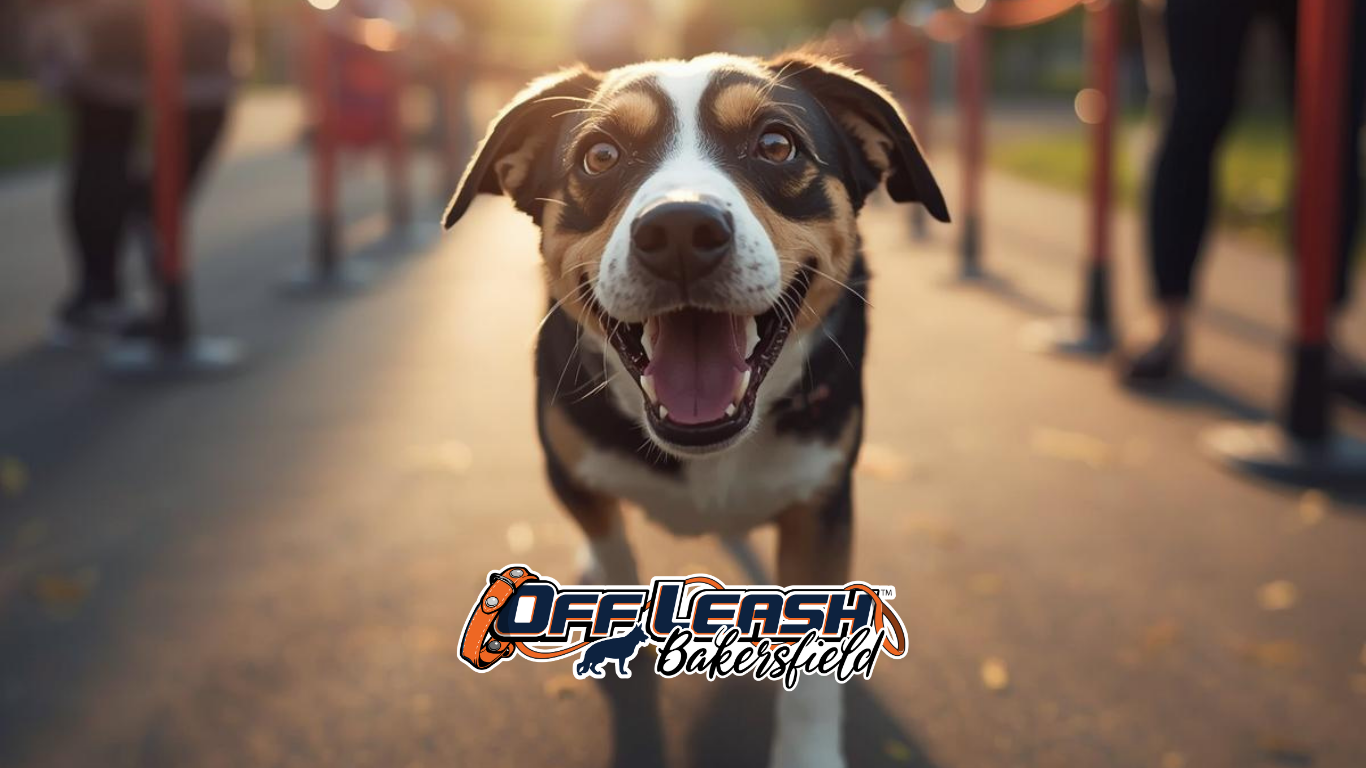
How to Build Your Dog’s Environmental Confidence
Imagine a dog who once trembled at the sound of traffic or hesitated at every unfamiliar corner—now confidently walking through busy streets, relaxing at a café, or exploring new parks with ease. This transformation isn’t luck; it’s the result of intentional training and thoughtful exposure. Environmental confidence in dogs is built through gradual experiences that shape how a dog perceives and responds to the world around them.
Just like humans, dogs rely on positive, structured exposure to feel safe in new places. Research from the American Veterinary Society of Animal Behavior emphasizes that proper socialization and positive reinforcement early in life significantly improve a dog’s adaptability as they grow. Even for older dogs, techniques such as graduated exposure, systematic desensitization, and confidence-building exercises can dramatically reduce fear and uncertainty.
Building environmental confidence begins with understanding where your dog currently stands. Pay attention to their body language, comfort level, and how they respond to specific stimuli. From there, introduce new environments slowly—starting with quiet, predictable spaces and gradually moving to more stimulating ones. Every new experience should be paired with positive reinforcement, ensuring your dog forms reassuring and empowering associations.
Controlled socialization also plays a vital role. Exposure to people, dogs, surfaces, sounds, and objects helps broaden your dog’s adaptability. The goal is not to overwhelm but to provide safe, structured opportunities that teach your dog the world is not something to fear.
How to Build Your Dog’s Environmental Confidence
Building your dog’s environmental confidence starts with understanding their current comfort level. Observe how they react to new places. Are they calm or do they show signs of fear? Knowing their baseline helps in creating a tailored approach. This ensures your training is effective and enjoyable for your dog.
Gradual exposure is key. Start with quieter, less crowded places. As your dog becomes comfortable, slowly introduce them to busier environments. This method helps them adapt without feeling overwhelmed. Always reward positive behavior to reinforce their confidence.
Socialization is another important aspect. Introduce your dog to new people and other animals in controlled settings. This not only builds their confidence but also improves their social skills. Make these interactions positive by offering treats and praise.
Keeping track of your dog’s progress is crucial. Note any improvements or setbacks and adjust your training methods accordingly. If needed, seek guidance from professional trainers. Their expertise can offer additional strategies to help your dog become more confident.
Step 1: Assess Your Dog’s Current Comfort Level
To start, observe your dog’s reactions in different environments. Do they seem nervous or relaxed? Notice if they bark, cower, or show other signs of stress. This initial assessment helps you understand their baseline. It’s crucial for tailoring your confidence-building approach.
Create a list of environments your dog is exposed to often. Include places like parks, busy streets, and vet clinics. Rank each location based on how comfortable your dog seems there. This will help you identify areas needing more focus. It’s important to know where they struggle the most.
- Parks
- Busy Streets
- Vet Clinics
- Home with Guests
In addition to observing their behavior, take note of any specific triggers. Loud noises or unfamiliar people might cause distress. Knowing these triggers allows you to avoid overwhelming environments initially. Gradually introduce these elements as their confidence grows. This way, you can manage their exposure effectively.
Consider using a behavior journal. Document your dog’s responses and progress over time. This record helps track improvements and identify persistent issues. If needed, consult a professional for a more detailed assessment. They can provide expert insights and suggestions.
Step 2: Choose Safe and Stimulating Environments
Choosing safe and stimulating environments is essential for building your dog’s confidence. Start with familiar, quiet places where your dog feels secure. Gradually introduce them to new, slightly challenging environments. The key is to keep the experiences positive. This will help them associate new places with good feelings.
Consider a variety of environments to stimulate your dog’s senses. Parks, dog-friendly beaches, and quiet neighborhoods are good starting points. Each location should provide a manageable level of stimulation. Avoid overcrowded or overly noisy places initially. Gradual progression ensures your dog isn’t overwhelmed.
- Parks
- Dog-friendly Beaches
- Quiet Neighborhoods
- Local Trails
Monitor your dog’s body language and reactions closely. If they show signs of stress, like panting or pacing, it may be time to retreat. Always bring treats and rewards to reinforce positive behavior. Encouragement is crucial in helping them overcome fears. Consistent positive experiences will build their confidence over time.
Lastly, ensure the chosen environments are safe. Check for hazards such as broken glass or aggressive dogs. Safety is paramount in creating a positive experience. Regularly rotate the environments to keep things interesting for your dog. New stimuli can help them become more adaptable and resilient.
Step 3: Gradual Exposure and Positive Reinforcement
Gradual exposure is a key strategy in building your dog’s environmental confidence. Start by introducing your dog to new environments slowly, one at a time. Begin with less stimulating spaces, then gradually move to more challenging ones. This step-by-step approach reduces the risk of overwhelming them. Patience is essential throughout this process.
In addition to gradually exposing your dog to new places, use positive reinforcement to promote good behavior. Bring along their favorite treats or toys during these outings. Reward them for calm and relaxed behavior consistently. Positive reinforcement helps create a strong association between new experiences and pleasant outcomes. This makes your dog more eager to explore.
It’s also beneficial to structure these exposures in short sessions. Short, frequent sessions are more effective than long, infrequent ones. This method allows your dog to experience new things without becoming too stressed. Over time, you can increase the duration and complexity of the sessions. Keep it enjoyable to prevent frustration or fear.
Make note of your dog’s progress. Some dogs may adjust quickly, while others need more time. Tailor your approach based on their reactions. Recording their responses helps in adjusting the training plan as needed. Be flexible and attentive to their needs.
Regularly introduce them to different sights, sounds, and smells. Variety is important in preventing boredom and promoting adaptability. Consistent exposure helps dogs adjust to changing environments more confidently. This leads to a well-rounded and resilient canine companion. The goal is to make new experiences enjoyable and stress-free.
Step 4: Integrate Socialization with Controlled Experiences
Integrating socialization with controlled experiences is a vital step in building your dog’s confidence. Start by introducing your dog to new people and pets in a calm and controlled manner. This helps prevent overwhelming them. Each interaction should be positive and rewarding. Gradually increase the number of social encounters as your dog becomes more comfortable.
Controlled playdates can be an effective way to socialize your dog. Choose well-behaved and friendly dogs for these interactions. Ensure the environment is safe and free from distractions. Supervise the playtime to manage any signs of stress or fear. Reward calm behavior with praise or treats.
Group training classes offer another excellent avenue for controlled socialization. These classes not only teach obedience but also help dogs interact with various breeds and personalities. The structure of the classes ensures that the interactions are well-managed. Over time, these controlled experiences will make your dog more adaptable. This leads to increased confidence in various social settings.
Here are some benefits of integrating socialization in controlled environments:
- Reduces anxiety and fear
- Improves social skills
- Increases adaptability
- Promotes positive behavior
Observe your dog’s behavior closely during these sessions. Take notes on what works and what doesn’t. If your dog shows signs of distress, take a step back and try a less challenging scenario. This ensures that socialization remains a positive experience. Adjust your approach based on your dog’s comfort level.
Regularly expose your dog to different social situations to build resilience. Visit dog parks, arrange playdates, and take part in community events. Each of these opportunities will contribute to your dog’s overall confidence. The more varied their experiences, the more well-adjusted they will become.
Step 5: Monitor Progress and Adjust Training Techniques
Monitoring your dog’s progress is crucial in building their environmental confidence. Keep a journal or log to track their behavior and reactions over time. Note any improvements or setbacks. This record will help you understand how your dog is adapting. It also provides valuable insights for adjusting your training methods.
Regularly assess your dog’s comfort in different environments. Use a checklist to evaluate their responses to various stimuli. Are they becoming more relaxed or still showing signs of stress? Identifying these patterns allows you to tailor your approach. Adjust your training techniques based on their progress.
- Calm behavior during walks
- Friendly interactions with other dogs
- Reduced fear of loud noises
If your dog struggles in certain situations, consider modifying the training plan. Sometimes, taking a step back and revisiting less challenging environments can be helpful. Reintroduce these situations gradually. This ensures your dog doesn’t feel overwhelmed. Patience and flexibility are key.
Consulting a professional trainer can offer additional support. They can provide expert advice and tailored strategies. Regular check-ins with the trainer can help keep the training on track. Professionals can offer fresh perspectives and advanced techniques. Their guidance ensures a comprehensive approach to your dog’s confidence building.
Remember, progress may be slow and vary from dog to dog. Celebrate small victories and remain consistent. Adjust your techniques as needed to match your dog’s pace. Consistency and patience will ultimately lead to a more confident and well-adjusted dog. Your efforts will result in a happier, more adaptable companion.
Signs Your Dog Is Gaining Environmental Confidence
Noticing signs of growing confidence in your dog can be rewarding. One clear indicator is their body language. A relaxed posture, wagging tail, and an upright stance usually signify comfort. They may also exhibit curiosity by sniffing around and exploring new environments. These behaviors reflect their increasing ease in unfamiliar settings.
Another sign is improved behavior in previously stressful situations. For instance, if your dog used to bark or cower during car rides but now sits calmly, that’s progress. They might also handle noisy streets or crowded places better over time. Observing these changes helps you gauge their confidence level. Positive reinforcement during these moments reinforces good behavior.
Your dog’s social interactions can also indicate increased confidence. Friendly play with other dogs and relaxed greetings with strangers are positive signs. Even in unfamiliar company, a confident dog remains calm and approachable. Less hiding or aggression often points to growing self-assurance.
- Relaxed body language
- Curiosity in new environments
- Calmness in previously stressful situations
- Friendly social interactions
An increase in playful behavior is another promising sign. Playfulness shows that your dog feels secure enough to engage actively with their surroundings. Whether they are fetching a ball at the park or playing tug-of-war at home, it marks a comfortable state of mind. Embrace and encourage this playful energy.
A final positive sign is quicker recovery from stressors. If startled by a loud noise but quickly returning to normal behavior, it’s a great indicator of adaptability. Faster recovery times mean your dog is developing coping mechanisms for unexpected events. This resilience contributes significantly to overall environmental confidence.
Common Mistakes When Building Environmental Confidence
Building environmental confidence in dogs requires patience and strategy. However, many owners make common mistakes that can hinder progress. One mistake is moving too quickly. If you introduce too many new stimuli at once, it can overwhelm your dog. Slow and steady exposure is more effective.
Inconsistency in training is another frequent error. Your dog needs regular and predictable experiences to build confidence. Skipping training sessions can create confusion. Consistency helps reinforce positive behavior. A structured plan ensures better results.
Using negative reinforcement is a significant mistake. Punishing your dog for reacting to new environments can increase their anxiety. Instead, focus on positive reinforcement. Rewarding good behavior helps build a sense of security. This approach encourages your dog to associate new experiences with pleasant outcomes.
- Moving too quickly
- Inconsistent training
- Using negative reinforcement
Neglecting socialization is another common pitfall. Some owners avoid exposing their dogs to other animals or people, thinking it will keep them calm. However, socialization is crucial for a well-rounded canine. Controlled, positive interactions build social skills and confidence. Avoid isolating your dog from these experiences.
Finally, not tailoring the approach to the specific dog can be a mistake. Each dog is unique and may require different techniques. What works for one dog might not work for another. Observing your dog’s behavior and adjusting your methods is essential. Personalized training can lead to better outcomes.
Tools and Resources to Support Your Dog’s Progress
There are several tools and resources available to support your dog’s environmental confidence. Using the right equipment can make a significant difference. For example, a well-fitted harness ensures your dog’s comfort and safety during outings. This allows them to explore without the risk of injury. Choosing the right gear is the first step in successful training.
Interactive toys and puzzles can also aid in building confidence. These items stimulate your dog’s mind and keep them engaged. Puzzles that reward your dog with treats can provide both mental and physical stimulation. This approach helps to reduce anxiety. Keeping your dog mentally active is key to building confidence.
Training classes offer structured socialization opportunities. Many community centers and pet stores offer classes tailored to different skill levels. These classes provide a controlled environment where your dog can interact with others. It also offers the chance to learn new skills. Trained instructors can guide you through techniques and strategies.
| Resource | Benefit |
|---|---|
| Well-Fitted Harness | Ensures safety and comfort |
| Interactive Toys | Stimulates the mind and reduces anxiety |
| Training Classes | Provide structured learning and socialization |
Online forums and communities can be valuable resources. Joining these groups allows you to share experiences and get advice. Other dog owners can offer insights from their own training journeys. These platforms can be a source of support and motivation. Learning from others can help you adjust your methods effectively.
Books and videos by professional trainers are another great resource. Many experts have published materials that provide detailed guidance. These resources can help you understand canine behavior better. They also offer step-by-step training plans. Knowledge from experts can significantly enhance your training efforts.
The Role of Professional Trainers in Environmental Confidence
Professional trainers play a crucial role in building your dog’s environmental confidence. Their expertise allows them to create tailored training plans. These plans address specific fears and behaviors. Trainers can identify subtle signs that a dog is uncomfortable. This helps in developing a targeted approach to confidence building.
One significant advantage of working with a professional is their ability to provide controlled socialization opportunities. They organize group classes that allow dogs to interact safely. These settings offer a structured environment for learning. Interacting with other dogs under supervision is beneficial. It helps in gradual acclimatization to new social situations.
Professional trainers also have access to advanced techniques and tools. They use these resources to make the training process more effective. Trainers can introduce activities that stimulate your dog’s mind. This mental engagement is essential for reducing anxiety and building confidence. Their skills ensure that each session is productive.
Furthermore, trainers offer valuable guidance to dog owners. They teach you how to read your dog’s body language and respond appropriately. This education is essential for maintaining progress outside of training sessions. Understanding your dog better helps in reinforcing the training at home. Consistency between training and home environments is key.
Here are some ways professional trainers contribute to building environmental confidence:
- Tailored training plans
- Controlled socialization opportunities
- Access to advanced techniques
- Guidance for dog owners
Finally, professional trainers provide ongoing support. They offer regular check-ins to monitor progress and make adjustments. This continuous support helps in achieving long-term success. If challenges arise, trainers can quickly address them. Their commitment ensures that your dog continues to grow more confident over time.
Frequently Asked Questions
Building environmental confidence in dogs involves various methods and careful observation. Here are some common questions to help guide you.
1. What is the first step in building my dog’s confidence?
The first step in building your dog’s confidence is to assess their current comfort level. Observe how they react to different environments and note any signs of stress or fear. This initial assessment will help you understand their baseline and plan suitable confidence-building activities.
Once you have a clear understanding of your dog’s current comfort level, you can start with gradual exposure. Introduce new environments slowly and reward positive behavior. This will help your dog associate new experiences with positive outcomes, making them more comfortable over time.
2. How can I socialize my dog in a controlled way?
Socializing your dog in a controlled way involves introducing them to new people and pets in safe settings. Start with shorter sessions and gradually increase the duration as your dog becomes more comfortable. Use positive reinforcement such as treats or praise during these interactions.
Enrolling your dog in group training classes is another effective method. These classes provide a structured environment where your dog can interact with other dogs and people. Professional trainers ensure that the socialization process is safe and beneficial for your dog’s confidence.
3. Why is consistency important in dog training?
Consistency is crucial in dog training because it helps reinforce positive behaviors and reduces confusion. Regular training sessions using the same commands and rewards create a predictable environment for your dog. This predictability helps them understand what is expected of them.
When training is inconsistent, dogs can become confused and anxious. This can hinder their progress and disrupt the confidence-building process. Maintaining a consistent training routine ensures that your dog feels secure and confident in their learning environment.
4. What tools can help in building my dog’s confidence?
Various tools can assist in building your dog’s confidence. Well-fitted harnesses, interactive toys, and training aids like clickers can make a significant difference. These tools ensure your dog feels secure and engaged during training sessions.
Interactive toys and puzzles provide mental stimulation and reduce anxiety. Training classes with professional instructors offer structured lessons that can boost your dog’s confidence. Using the right tools can enhance the overall effectiveness of your training program.
5. How do you know if your dog is making progress?
You can tell if your dog is making progress by observing changes in their behavior. Signs of progress include a relaxed posture, curiosity in new environments, and positive social interactions. Reduced signs of stress and quicker recovery from stressful situations are also good indicators.
Keeping a behavior journal can help you track these changes over time. Regular monitoring and adjustments to your training plan based on your observations ensure continuous improvement. Celebrating small victories can also motivate both you and your dog.
Conclusion
Building your dog’s environmental confidence is a gradual but rewarding process. With patience, consistency, and the right approach, any dog can learn to comfortably navigate new environments. The key is to observe, adapt, and use positive reinforcement to encourage progress.
Remember, every dog is unique and may need different methods to thrive. Leveraging professional trainers and using various tools can enhance the journey. Stay committed and celebrate small wins, knowing that your efforts will lead to a more confident and well-adjusted companion.
"*" indicates required fields