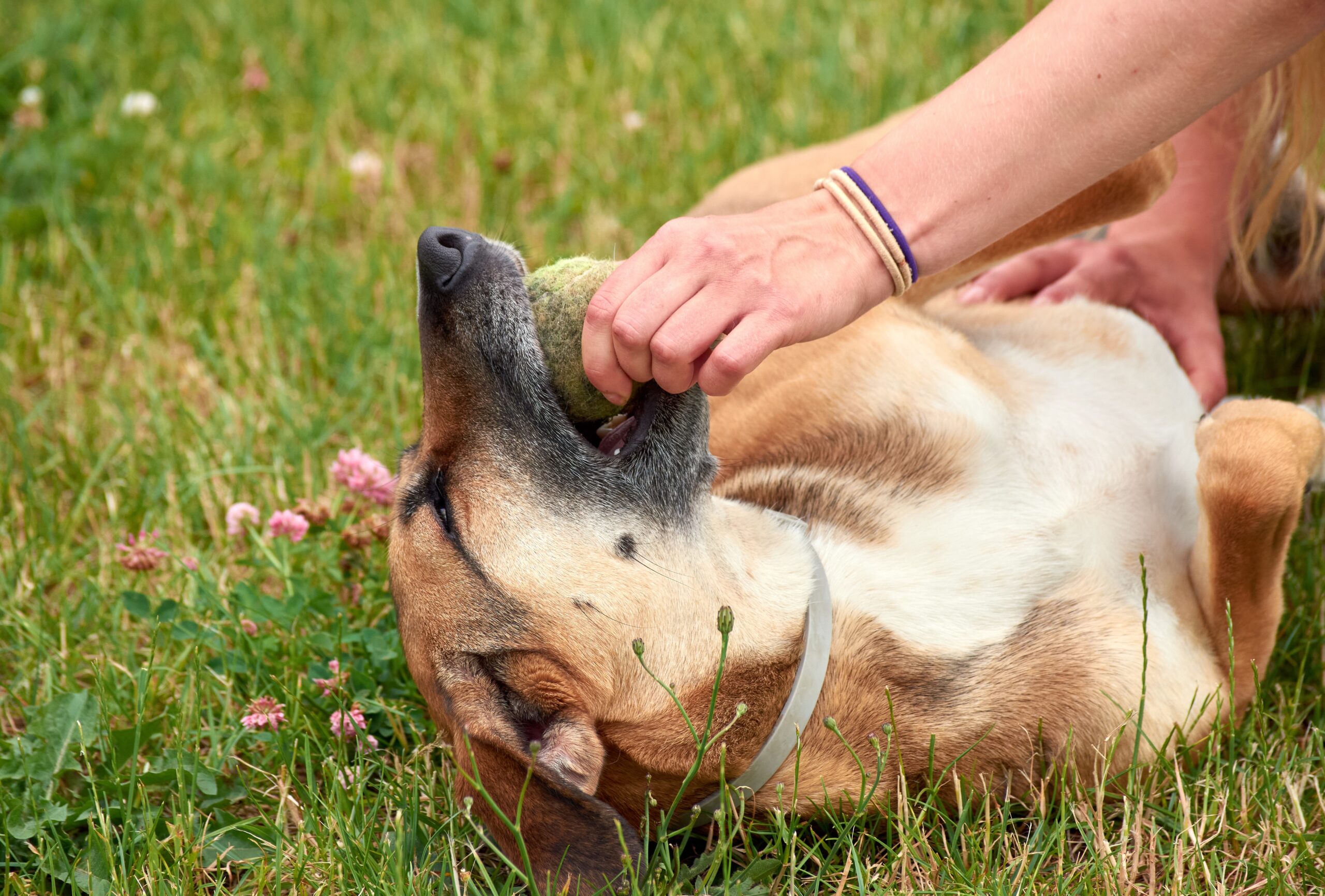
Understanding Pressure and Release in Dog Training
Dogs can learn up to 165 words, making them as intelligent as a two-year-old child. With such incredible intellect, the training methods we employ significantly impact their learning and behavior. One of the most critical techniques in dog training is understanding pressure and release, which can lead to effective and harmonious communication between humans and their canine companions.
The concept of pressure and release in dog training dates back to traditional animal handling techniques. Applying gentle, controlled pressure encourages desired behavior, while the timely release of that pressure reinforces the positive response. Studies have shown that dogs trained with this method exhibit less stress and higher success rates, highlighting its importance in modern training practices.
Pressure and release in dog training involve applying gentle pressure to encourage a behavior and immediately releasing it when the behavior is performed correctly, reinforcing the action. This method leverages operant conditioning principles to help dogs learn desired behaviors more effectively while minimizing stress and confusion.
Pressure and Release Methods in Dog Training
Pressure and release methods in dog training work by applying gentle and steady pressure to communicate with the dog. This can involve a leash, hand gestures, or body language. The moment the dog responds correctly, the pressure is immediately released as a reward. This technique helps the dog understand what behavior is desired. It’s similar to teaching a child through gentle guidance and encouragement.
Timing is crucial in this training method. The release of pressure must happen at the precise moment the dog performs the desired behavior. This immediate feedback helps the dog associate the right action with the release. Consistency is essential for effective learning. Trainers need to practice this consistently to avoid confusing the dog.
Various exercises can be used to apply pressure and release techniques. For example, applying gentle pressure on the leash when teaching a dog to sit or stay. Once the dog performs the task, the pressure is released. This method is highly effective in teaching basic commands and improving the dog’s response time. Regular practice with positive reinforcement leads to better results.
Avoiding common mistakes is vital. Misapplying pressure, such as being too harsh or releasing too slowly, can confuse the dog. It’s important to remain calm and patient throughout the training process. Proper technique ensures the dog learns in a stress-free environment. Recognizing signs of discomfort or stress in the dog helps in adjusting the method accordingly.
Key Principles of Pressure in Communication
Pressure is a fundamental aspect of dog training communication. It involves applying a controlled amount of force to guide the dog’s behavior. The key is to be gentle yet firm, ensuring that the dog understands what is expected. For example, lightly tugging on a leash can signal the dog to pay attention. This subtle yet clear communication helps in guiding the desired actions.
The timing of applying and releasing pressure is crucial. Pressure should be applied just long enough to get the dog’s attention. Holding pressure for too long can confuse the dog and cause stress. Once the dog responds correctly, immediate release is essential. This reinforces the correct behavior and strengthens the communication bond.
Consistency is another key principle. Consistent application of pressure helps the dog learn faster and more effectively. Inconsistent pressure can lead to confusion, making training difficult. It’s important to maintain the same level and type of pressure for similar commands. This creates a predictable learning environment for the dog.
Understanding the dog’s reactions is also important. Each dog responds differently to pressure, and recognizing these cues can improve training effectiveness. Adjusting the pressure based on the dog’s feedback ensures comfortable and effective learning. Observing the dog’s body language helps in making necessary adjustments. This improves the communication process while maintaining the dog’s well-being.
Effective Timing of Release for Reinforcement
Effective timing for releasing pressure plays a vital role in successful dog training. The release must occur the moment the dog performs the desired action. This immediate feedback reinforces the behavior. If the release is delayed, the dog may not associate it with the correct behavior. Timing is everything in helping the dog understand what is being rewarded.
Consistency in timing helps in faster learning. The dog starts to predict the reward and aligns its behavior accordingly. Inconsistent timing can confuse the dog and lead to mixed signals. Practicing a few minutes each day ensures better synchronization. This helps the dog become more confident and responsive.
Using a clicker can aid in precise timing. A clicker makes a distinct sound the moment the desired action is performed. This sound acts as an immediate marker before the release of pressure and reward. Thus, it bridges the gap between the desired action and the reward. Incorporating a clicker can enhance training efficiency.
It’s important to adjust the timing based on individual dog responses. Some dogs may grasp concepts faster, while others need more time. Observing and experimenting with the release timing helps in fine-tuning the training approach. By being attentive to the dog’s reactions, trainers can optimize the learning process. This personalized approach facilitates effective and stress-free training.
Examples of Practical Pressure and Release Exercises
Teaching a dog to sit using pressure and release is a common exercise. Apply gentle pressure on the dog’s hindquarters to guide it into a sitting position. The moment the dog complies, release the pressure and reward it. This helps the dog understand that sitting when prompted earns a reward. Regular practice makes this action a natural response.
Another effective exercise is teaching the “heel” command. While walking, apply slight pressure on the leash to keep the dog by your side. When the dog matches your pace and stays close, release the pressure. Consistently rewarding this behavior reinforces the command. Within a few sessions, the dog learns to heel without constant corrections.
Using pressure to teach the “stay” command is also beneficial. Apply gentle pressure on the leash to keep the dog in one place. Once the dog stays as instructed, release the pressure and give a treat. This helps the dog associate staying put with positive reinforcement. Gradually increase the duration for improved control.
The “down” command can be taught using pressure and release too. Apply gentle pressure on the dog’s shoulders, guiding it to lie down. As soon as the dog follows through, the pressure should be released immediately. Offering a reward reinforces the desired action. This method is helpful in teaching the dog to lie down on command.
Training a dog to wait at doorways can be achieved with these techniques. Use your body to gently block the dog from moving forward. When the dog waits, release the pressure and praise it. This teaches the dog patience and ensures safety. With time, the dog will wait at doorways automatically.
Finally, teaching a dog to come when called benefits from pressure and release. Apply gentle pressure on the leash when calling the dog. Once the dog comes to you, release the tension and reward it. This strengthens recall commands, making it reliable. Regular sessions improve the speed and consistency of the dog’s response.
Common Mistakes to Avoid
One common mistake in dog training is applying too much pressure. Overwhelming force can cause fear and stress in your dog. This makes the learning experience uncomfortable and counterproductive. It’s important to apply gentle, controlled pressure. Consistency in light touch ensures the dog responds positively.
Another mistake is releasing pressure too slowly. If the pressure isn’t released immediately after the desired behavior, the dog might not make the correct association. Timely release is key to effective training. Delays can confuse the dog, reducing the effectiveness of the training. Practicing quick and timely release reinforces positive behavior.
Using inconsistent signals can also hinder training progress. Dogs thrive on clear and consistent communication. Mixed signals can lead to confusion and slow learning. It’s essential to use the same cues and commands consistently. This helps the dog understand what is expected every time.
Lack of patience is another common issue. Dog training requires time and dedication. Rushing the process can frustrate both you and your dog. Maintaining a calm and patient demeanor is crucial. This creates a positive environment for learning and growth.
Neglecting to observe the dog’s reactions can be detrimental. Every dog is unique and may respond differently to training methods. Watching your dog’s body language helps adjust the approach as needed. Recognizing signs of stress or discomfort ensures the training remains effective and humane. Customizing the method according to the dog’s needs leads to better results.
Finally, ignoring consistency in rewards can be a major pitfall. Rewards should be given promptly and consistently to reinforce good behavior. Skipping or delaying rewards can weaken the training impact. Consistent reinforcement helps the dog learn faster. This ensures that the dog associates the action with positive outcomes.
Ethical Considerations and Welfare Concerns
Ethical considerations in dog training are of paramount importance. Training methods should always prioritize the dog’s well-being. Using humane techniques ensures that the dog is not subjected to unnecessary stress or harm. Pressure and release methods, when done correctly, can be both effective and gentle. It’s vital to avoid any form of punishment that can be harmful.
Ensuring the mental health of the dog is crucial. Training sessions should be engaging and enjoyable for the dog. Overloading a dog with long and intense sessions can lead to burnout. Short, positive, and rewarding sessions are more beneficial. This approach leads to better results and a happier dog.
It’s important to recognize the difference between gentle guidance and coercion. Applying too much pressure can be unethical and counterproductive. Trainers must always be mindful of the dog’s comfort level. Monitoring the dog’s reactions helps in adjusting the method appropriately. This ensures a humane training process.
Welfare concerns also include the physical health of the dog. Improper use of training tools can cause injuries. It’s important to use equipment appropriately and ensure it’s not causing discomfort. Regular checks and adjustments protect the dog from harm. This preventive measure safeguards the dog’s health and well-being.
Incorporating positive reinforcement is essential. Ethical training should focus on rewarding good behavior rather than punishing mistakes. This encourages the dog to learn willingly and enthusiastically. Setting a good example of humane treatment also influences others positively. Promoting ethical practices ensures the overall welfare of all dogs.
Lastly, continuous education for trainers is beneficial. Staying updated with current ethical training methods enhances the trainer’s skills. Engaging in professional development prevents the use of outdated and harmful practices. This commitment to learning reflects a genuine concern for the welfare of the dogs. Such dedication fosters a better and kinder approach to dog training.
The Science Behind Pressure and Release
The science behind pressure and release in dog training is grounded in behavioral psychology. This concept revolves around operant conditioning, where behaviors are influenced by their outcomes. When pressure is applied to a dog, it creates mild discomfort, encouraging the dog to perform a specific action to stop the pressure. Once the desired behavior occurs, releasing the pressure acts as a reward. This reinforces the behavior, making it likely the dog will repeat it.
Operant conditioning involves four main principles: positive reinforcement, negative reinforcement, positive punishment, and negative punishment. Pressure and release fall under negative reinforcement; the removal of an unpleasant stimulus promotes a desired behavior. It’s important to note that “negative” here doesn’t mean bad—it simply means taking something away. By removing pressure when a dog complies, we increase the likelihood of that action being repeated. Understanding these principles helps trainers use techniques more effectively.
Another critical component is timing. Scientific studies emphasize that immediate feedback is crucial for learning. If there’s too much delay in releasing the pressure after the correct behavior, the dog’s brain won’t make the proper connection between action and reward. Rapid release ensures clear communication between trainer and dog. Consistent practice with timely feedback accelerates learning.
Neuroscience also plays a role in understanding how dogs learn through pressure and release methods. Research shows that dopamine levels increase when dogs successfully complete tasks and receive rewards or relief from pressure. This chemical reaction strengthens neural pathways related to the learned behavior. Consequently, dogs become better at responding to cues over time.
Certain breeds may respond differently due to genetic factors influencing their sensitivity to stimuli. For example, herding breeds like Border Collies might require less physical pressure than working breeds like Rottweilers because they are naturally more responsive to subtle cues. Knowing these differences allows trainers to tailor their approach based on individual dogs’ needs.
Finally, ethical considerations rooted in scientific findings highlight welfare concerns in training methods involving pressure-release techniques improperly can lead to stress or fear responses harmful physical/mental health dogs’ ensuring humane application emphasizes balance caution patience essential successful outcome harmonious bond humans-canines alike following evidence-based strategies optimizes training benefits maintaining high standards animal welfare practices modern dog training evolving continuously advances scientific knowledge impact future improvements training industry overall enhancing quality life pets globally humans rapport shared experiences enriching rewarding mutually satisfying ways possible
Comparing Positive Reinforcement and Pressure/Release Techniques
Positive reinforcement and pressure/release techniques are two primary methods in dog training. Positive reinforcement involves rewarding a dog immediately after it displays a desired behavior. Rewards can include treats, praise, or playtime. This method aims to encourage the dog to repeat the behavior by associating it with positive outcomes. It is widely appreciated for building a strong, trusting relationship between the trainer and the dog.
In contrast, pressure/release techniques use gentle pressure to guide the dog into performing a behavior and then release the pressure as a reward. The release signals to the dog that it has acted correctly, reinforcing the desired action. This method is particularly useful for training commands that require precise physical actions. Both methods rely on the principle of operant conditioning to teach and strengthen behaviors.
Each training approach has its pros and cons. Positive reinforcement often results in a more enthusiastic and eager learner because the dog seeks rewards. However, some dogs might get overly excited or distracted if the rewards are too enticing. On the other hand, pressure/release can achieve more immediate compliance because it directly guides the dog’s actions. Yet, it requires careful handling to avoid causing stress or discomfort.
Combining both techniques can maximize training effectiveness. For example, trainers often use pressure/release to establish basic commands and then switch to positive reinforcement for maintaining and advancing those skills. This balanced approach helps in addressing various training scenarios and individual dog needs. Understanding when to use each method ensures better results and a happier, more responsive dog.
Here is a comparison between the two techniques:
| Aspect | Positive Reinforcement | Pressure/Release |
|---|---|---|
| Primary Goal | Encourages positive behavior through rewards | Guides behavior with pressure and rewards with release |
| Best For | Building trust and enthusiasm | Immediate compliance and physical actions |
| Risks | Overexcitement, distraction | Stress, improper use of pressure |
| Training Style | Motivational | Directive |
Choosing the right method depends on the individual dog’s temperament and the specific training goals. Trainers should remain flexible and responsive to the dog’s needs. Adopting a combination of techniques often leads to the most successful training outcomes. Ultimately, the well-being of the dog should guide training decisions.
Tools Commonly Used for Pressure and Release Training
Various tools are essential for effective pressure and release training. These tools help in applying and releasing pressure appropriately. One of the most common tools is the training leash. A good training leash is long enough to offer control, yet not too heavy to be uncomfortable for the dog. It’s used to apply gentle tugs to guide the dog’s behavior.
Collars designed for training are also widely used. These include flat collars, slip leads, and head collars. Each type serves a specific purpose and has its own advantages. Flat collars are great for everyday use, while slip leads tighten slightly when pulled, making them useful for teaching commands. Head collars offer control of the dog’s head, making them effective for managing stronger dogs.
Harnesses are another valuable tool, especially for dogs that pull excessively. They distribute pressure across the dog’s chest rather than concentrating it on the neck. Harnesses come in various designs, including front-clip and back-clip options. Front-clip harnesses help reduce pulling by guiding the dog back towards the handler, making them popular for training.
Clickers are small devices that produce a distinct sound to mark the precise moment a desired behavior occurs. Although primarily used for positive reinforcement, clickers can complement pressure and release training. The sound of the clicker immediately follows the release of pressure, reinforcing the correct action. This accelerates the learning process and clarifies communication.
Tables can help compare the various tools:
| Tool | Purpose | Advantages |
|---|---|---|
| Training Leash | Guiding behavior with gentle tugs | Versatile, provides control |
| Flat Collar | Everyday use and basic training | Comfortable, easy to use |
| Slip Lead | Tightens to guide behavior | Effective for teaching commands |
| Head Collar | Controls the dog’s head | Good for strong dogs |
| Harness | Distributes pressure, reduces pulling | Variety of designs, comfortable |
| Clicker | Marks desired behavior | Clarifies communication, fast learning |
Each of these tools has its own specific use. Selecting the right tool depends on the dog’s size, behavior, and training needs. Trainers often use a combination of tools for the best results. Ensuring the dog is comfortable with the equipment helps to make training more effective and enjoyable.
Advice for Professional Trainers Implementing These Techniques
Professional trainers need to approach pressure and release techniques with care and knowledge. It’s essential to understand the dog’s body language to determine the appropriate level of pressure. Too much pressure can result in stress, while too little may be ineffective. Observing the dog’s reactions helps in making adjustments. This ensures a balanced and effective training session.
Consistency is key in any training method. Trainers should apply and release pressure in a timely and consistent manner. This helps the dog understand the connection between its actions and the consequences. Consistency builds trust and reduces confusion. Regular practice with consistent methods ensures better results.
Positive reinforcement should complement pressure and release techniques. Combining these methods can enhance learning. Rewards such as treats, praise, or playtime can be given after the release of pressure. This makes the training experience more enjoyable for the dog. Using a variety of rewards keeps the dog motivated.
It’s crucial for trainers to keep sessions short and engaging. Long sessions can lead to burnout and decreased effectiveness. Short, focused sessions maintain the dog’s interest and enthusiasm. Incorporate play and breaks to keep the training fun. This helps in retaining the dog’s attention and willingness to learn.
Continuous education is vital for professional trainers. Staying updated with the latest training techniques and research enhances effectiveness. Participating in workshops, reading relevant literature, and networking with other professionals can provide new insights. Ongoing learning ensures that trainers use the best, most humane methods available. This commitment to education benefits both the trainer and the dogs they work with.
Professional trainers should also educate dog owners about these techniques. Consistency at home is just as important as during training sessions. Providing owners with tips and guidance ensures long-term success. Educated owners can reinforce the training effectively, leading to well-behaved and happy dogs.
Frequently Asked Questions
Learn more about pressure and release in dog training through these common questions and answers. Dive into specific aspects to enhance your understanding and training effectiveness.
1. How does pressure and release training help dogs learn faster?
Pressure and release training helps dogs learn faster by providing immediate feedback. When a dog performs the correct behavior, immediately releasing the pressure signals reward. This direct response reinforces the desired action and encourages the dog to repeat it. Consistency in applying this method speeds up the learning process.
Moreover, this method relies on clear communication between the trainer and the dog. The dog quickly understands what is expected. This clarity reduces confusion and helps the dog grasp commands more effectively. Trainers find that pressure and release techniques can significantly shorten training timelines.
2. What is the difference between positive reinforcement and pressure/release techniques?
Positive reinforcement and pressure/release techniques are both effective training methods. Positive reinforcement involves rewarding a dog immediately after it displays a desired behavior. This builds a positive association with the action, making the dog want to repeat it. Rewards can include treats, praise, or playtime.
Pressure/release techniques, on the other hand, use gentle pressure to guide the dog into performing a behavior. Once the correct behavior is displayed, the pressure is released as a reward. This method helps the dog understand physical cues and instructions more clearly.
3. Are there any risks associated with pressure and release training?
When not done correctly, pressure and release training can have risks. Applying too much pressure can cause stress, confusion, or physical harm to the dog. It is crucial to use gentle, controlled pressure to ensure the dog’s comfort. Observing the dog’s reactions is essential to make necessary adjustments.
Trainers must be well-informed and skilled in this technique to avoid any negative impact. Consistency and patience in applying and releasing pressure are key to ensuring effective and humane training. Regular monitoring and adjustment of the method help limit risk and enhance the dog’s learning experience.
4. Can pressure and release training be combined with other methods?
Yes, pressure and release training can be effectively combined with other methods, such as positive reinforcement. Using a mix of techniques can address various training scenarios and individual dog needs. For instance, pressure/release can establish basic commands, while positive reinforcement can maintain and advance those skills.
Combining methods provides a balanced approach, ensuring a well-rounded training experience. Trainers can customize their approach based on the dog’s temperament and learning style. This combination leads to more effective and enjoyable training sessions for both the dog and the trainer.
5. What tools are recommended for pressure and release training?
Several tools are recommended for pressure and release training. These include training leashes, flat collars, slip leads, head collars, and harnesses. Each tool has its unique purpose and benefits. For example, training leashes offer control, while slip leads and head collars help guide the dog’s behavior effectively.
Trainers may also use clickers to mark the correct behavior precisely. Harnesses are useful, especially for dogs that pull excessively, as they distribute pressure across the chest. Selecting the right tools based on the dog’s size and training needs is crucial for effective training.
Conclusion
Understanding the principles of pressure and release in dog training is vital for effective and humane training. By using controlled pressure and timely release, trainers can clearly communicate with their dogs. This ensures that the dog understands and repeats the desired behaviors. Consistency and proper technique are key.
Combining pressure and release with other methods, like positive reinforcement, can enhance training outcomes. Using the right tools and monitoring the dog’s reactions ensures a successful training experience. Ultimately, the goal is to build a trusting and responsive relationship between the trainer and the dog. Happy training leads to happy dogs.
"*" indicates required fields