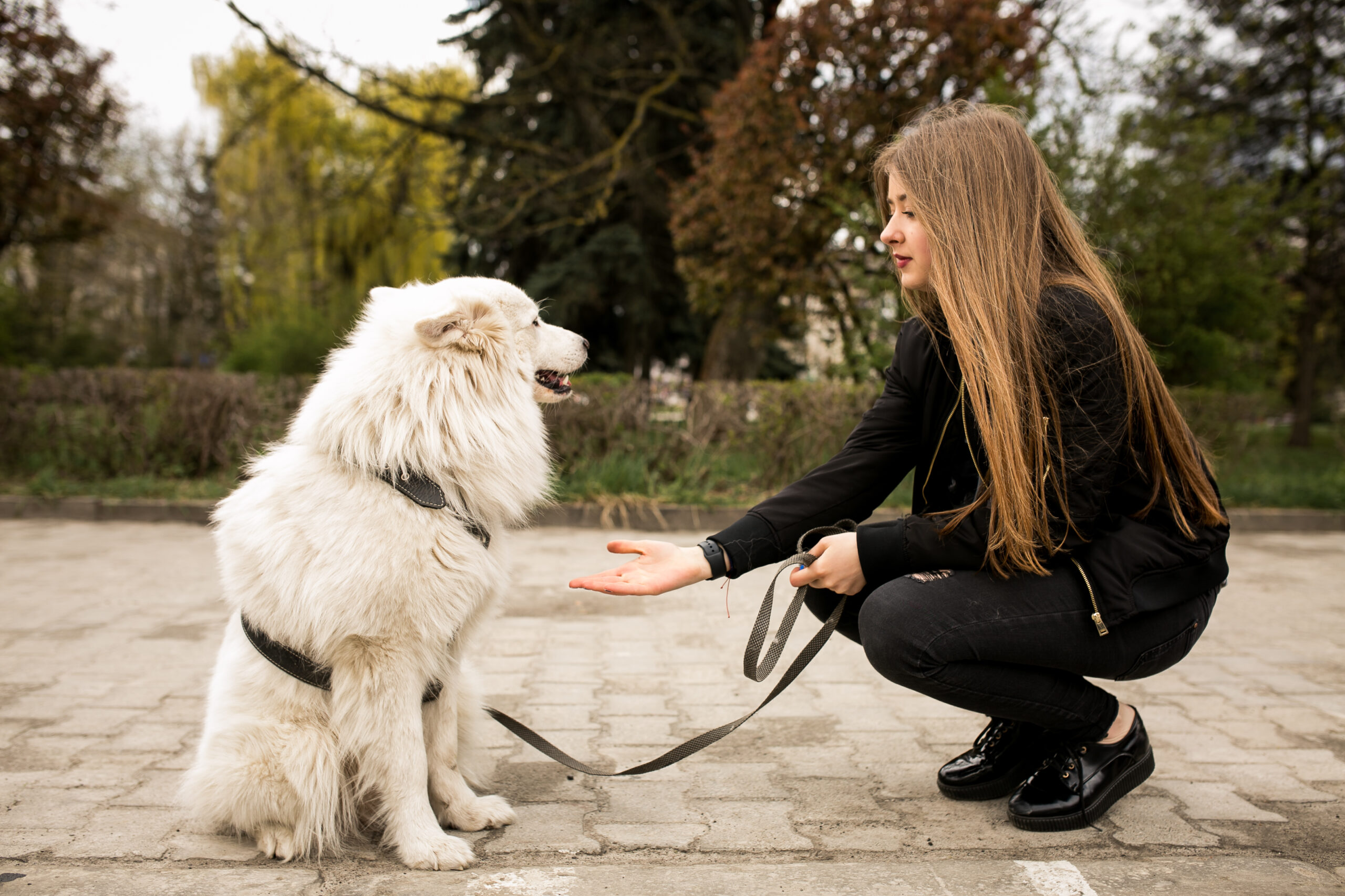
The Art of Calm Leash Handling
Walking a dog can be as serene as a stroll in the park or as challenging as taming a wild horse. The difference often lies in the handler’s skill with the leash. Mastering calm leash handling transforms a chaotic walk into a harmonious experience for both the dog and the handler.
The art of calm leash handling has historical roots in canine training techniques developed centuries ago. A study by the American Pet Products Association reveals that well-handled dogs exhibit 40% fewer behavioral issues. This statistic underscores the importance of skillful handling for fostering a healthy, happy pet.
Calm leash handling involves maintaining steadiness and consistency to reduce anxiety in dogs. This technique promotes a harmonious walking experience by ensuring smooth, gentle tugs and rewarding positive behavior. Using appropriate tools like harnesses or head collars can enhance control and comfort, leading to better obedience and bonding with your pet.
The Art of Calm Leash Handling
Calm leash handling is crucial for a peaceful walk with your dog. It involves maintaining steadiness and intuition when navigating various situations. The way you hold the leash can impact your dog’s behavior. By using calm and consistent movements, you communicate stability. This reduces anxiety and enhances the bond between you and your pet.
Avoiding sudden jerks is essential when managing the leash. Quick, sharp movements can startle and confuse your dog. Instead, use smooth, steady tugs to guide directions. Positive behavior should be reinforced with rewards. This makes leash training an enjoyable experience for your dog.
Different tools can assist in calm leash handling. For example, harnesses distribute pressure more evenly across your dog’s body. Here are some helpful tools:
- Standard leashes
- Harnesses
- Head collars
Choosing the right equipment can make the process easier.
Consistency is key in training. Regular practice helps both you and your dog understand each other better. Short, daily sessions are more effective than occasional long ones. Keeping a calm demeanor influences your dog’s reaction. Your energy plays a significant role in successful leash handling.
The Connection Between Leash Tension and Dog Behavior
Leash tension significantly influences a dog’s behavior during walks. When a leash is too tight, it can cause stress and anxiety in your dog. This tension often leads to pulling and erratic movements, making walks difficult. Conversely, a relaxed leash promotes calmness. Dogs can sense when their handler is relaxed, and they respond to that energy.
Maintaining the right amount of tension is essential for effective communication. A slack leash indicates trust and freedom, while moderate tension can guide your dog without force. When you pull abruptly, dogs may become defensive or aggressive. It’s a natural reaction to feeling restricted. Gentle tugs should be used to direct your dog’s attention and actions.
Understanding this connection can lead to better training outcomes. Studies show that dogs trained with calm, consistent leash handling tend to be more obedient. Here are a few benefits of proper leash tension:
- Reduced anxiety
- Improved focus
- Better obedience
These benefits make walking more enjoyable for both the dog and handler.
Practicing calm leash handling techniques regularly helps solidify good behavior. It’s important to remain patient and consistent. Every walk is an opportunity to reinforce positive behaviors. Over time, your dog will adapt to the calm energy and respond positively to your cues. This reinforces the bond between you and your pet, making walks a pleasure for both.
Essential Tools for Effective Leash Handling
Effective leash handling begins with choosing the right tools. A standard leash, typically made of nylon or leather, offers good control. However, some dogs may benefit from specialized equipment. A harness can distribute pressure evenly across a dog’s body. This reduces strain on the neck and makes walking more comfortable.
Another useful tool is the head collar. This device fits around the dog’s muzzle and attaches to the leash. It allows gentle guidance of the dog’s head, making it easier to steer them. Head collars can be particularly useful for dogs prone to pulling. They offer more control without causing discomfort.
For dogs that need extra training, a double-ended leash can be effective. This type of leash attaches to both a harness and a collar. It provides enhanced control through two points of contact. Here are some advantages:
- Better directional control
- Enhanced safety
- Increased stability
These features help make the training process smoother.
Using the right tools can make a significant difference in leash handling. It’s important to choose equipment that suits your dog’s size and temperament. Regular maintenance of these tools also ensures their effectiveness. Investing in quality gear can lead to a more enjoyable walking experience for both you and your dog. Proper tools enhance communication and build trust.
Techniques for Reducing Leash Pulling
Reducing leash pulling can make walks more enjoyable. One effective method is the start-and-stop technique. When your dog pulls, stop walking immediately. Wait until the leash slackens, then resume walking. This teaches your dog that pulling halts their progress.
Another method involves changing directions frequently. Randomly change directions during walks to keep your dog focused on you. This unpredictability makes them pay closer attention. It helps lessen their tendency to pull. Consistency in this technique leads to better results over time.
Using positive reinforcement is also key. Reward your dog when they walk beside you without pulling. Treats, praise, and affection work well. This encourages the desired behavior. Over time, your dog learns that staying close brings rewards.
Incorporating training tools can further assist. A no-pull harness, for example, helps distribute pressure and guide your dog. Here are some useful tools:
- No-pull harness
- Head collars
- Double-ended leashes
Using the right tools can enhance the effectiveness of your training.
Practice patience and consistency. Reducing leash pulling won’t happen overnight. Regular, short training sessions are more beneficial than sporadic long ones. Each walk is a chance to reinforce good behavior. Stay calm and persistent, guiding your dog toward more relaxed walks.
Training Sessions: Key Practices for Success
Effective training sessions require consistency and patience. Short, regular sessions work better than infrequent, lengthy ones. Aim for daily training periods of 10 to 15 minutes. This keeps your dog focused and engaged. Repetition solidifies learning.
Always start training in a distraction-free environment. This helps your dog concentrate on learning new commands. Gradually introduce distractions to reinforce training. Consistent practice in different settings builds reliability. The goal is to ensure your dog obeys commands no matter the surroundings.
Positive reinforcement is crucial. Reward your dog immediately after they exhibit the desired behavior. Treats, toys, and praise can serve as rewards. This approach encourages repetition of good behavior. Dogs respond well to positive feedback.
Use clear and consistent commands. Stick to simple words like “sit,” “stay,” and “come.” Consistency helps your dog understand what’s expected. Mixing up commands can confuse them. Clear communication builds trust and makes training more effective.
End each session on a positive note. If a command is difficult, switch to an easier one before concluding. This leaves your dog feeling successful and eager for the next session. It’s important to create a positive association with training. Happy dogs are more motivated to learn.
Track your dog’s progress. Keeping a training log helps identify patterns and areas needing improvement. Note successful commands and challenges. This organized approach ensures balanced development. Continuously adapting based on progress leads to sustained success.
Real-world Applications and Success Stories
Real-world applications of calm leash handling have shown remarkable results. Many dog owners have transformed chaotic walks into pleasant experiences. For instance, a handler in New York shared that consistent calmness significantly reduced their dog’s anxiety. This change led to fewer leash-pulling incidents. Their walks became more enjoyable and stress-free.
Another success story comes from a rescue shelter. The staff implemented calm leash handling techniques with newly adopted dogs. These dogs, often coming from stressful environments, showed dramatic improvements. Within weeks, many exhibited more relaxed behaviors during walks. This made them more adoptable and better integrated into their new homes.
Professional dog trainers also advocate for these techniques. Trainers report increased obedience and better behavior in their clients’ dogs. Here are a few notable changes observed:
- Improved focus during sessions
- Reduced aggression
- Heightened responsiveness to commands
These outcomes highlight the effectiveness of calm leash handling.
Personal stories from dog owners further validate these methods. One owner noted that their dog’s behavior changed drastically after just a month of calm leash practices. The dog, previously known for aggressive pulling, now walks calmly by their side. This shift not only improved walks but also strengthened their bond. The importance of consistency and patience in these practices cannot be overstated.
Frequently Asked Questions
Leash training a dog can be challenging for many pet owners. Here are some commonly asked questions and their answers to help you better understand calm leash handling.
1. Why is my dog pulling on the leash?
Dogs pull on the leash for various reasons, including excitement, lack of training, and wanting to explore. They often pull to get to something they are interested in, such as another dog or a smell. Consistent training and patience can help them learn proper leash behavior.
Using tools like a no-pull harness can also assist in managing this behavior. Incorporating consistent commands and rewarding good behavior will encourage your dog to stay close to you during walks. Understanding the underlying cause of pulling is the first step in addressing it effectively.
2. What equipment is best for leash training?
The best equipment for leash training includes a standard leash, a comfortable harness, and a head collar. Each of these tools offers different benefits, depending on your dog’s size and behavior. For instance, a harness can help distribute pressure and reduce strain on your dog’s neck.
Head collars assist in guiding your dog’s head, making steering easier. It’s essential to choose equipment that suits your dog’s needs. Quality and fit are crucial to ensure your dog’s comfort and effectiveness in training.
3. How long should leash training sessions be?
Leash training sessions should ideally be short and regular. A 10 to 15-minute session daily is effective in maintaining your dog’s attention and reinforcing learning. This is manageable for most dogs and helps keep training positive and stress-free.
Longer sessions can lead to frustration and less effective learning. Consistency is key, so fitting these short, focused sessions into your daily routine will benefit both you and your dog. Over time, these sessions will lead to significant improvements in behavior.
4. Can older dogs learn calm leash handling?
Yes, older dogs can learn calm leash handling with the right approach. While it may take more time and patience compared to training a puppy, older dogs are capable of learning new behaviors. Positive reinforcement and consistency are essential in training older dogs.
It’s also important to consider any physical limitations they may have. Gentle techniques and the appropriate equipment can make the process smoother. Engaging in short, regular training sessions will help reinforce new behaviors effectively.
5. How can I maintain calm during walks?
Maintaining calm during walks involves staying relaxed and consistent with commands. Your dog will sense your energy, so staying calm helps them remain calm. Setting a steady pace and not reacting abruptly to distractions can create a more peaceful walk.
Practicing mindfulness and deep breathing can help you stay relaxed. Using tools like a no-pull harness can give you better control, making it easier to stay calm. Over time, this calm energy will help improve your dog’s leash behavior.
Conclusion
The art of calm leash handling can transform daily walks into enjoyable experiences for both you and your dog. By using the right tools and techniques, you’ll create a strong, trusting bond. This foundation ensures your dog feels secure and understands expectations.
Consistent practice and patience are key to success. Each walk is an opportunity to reinforce positive behaviors and deepen your connection. As you embrace these methods, you’ll notice significant improvements in your dog’s behavior and overall well-being.
"*" indicates required fields