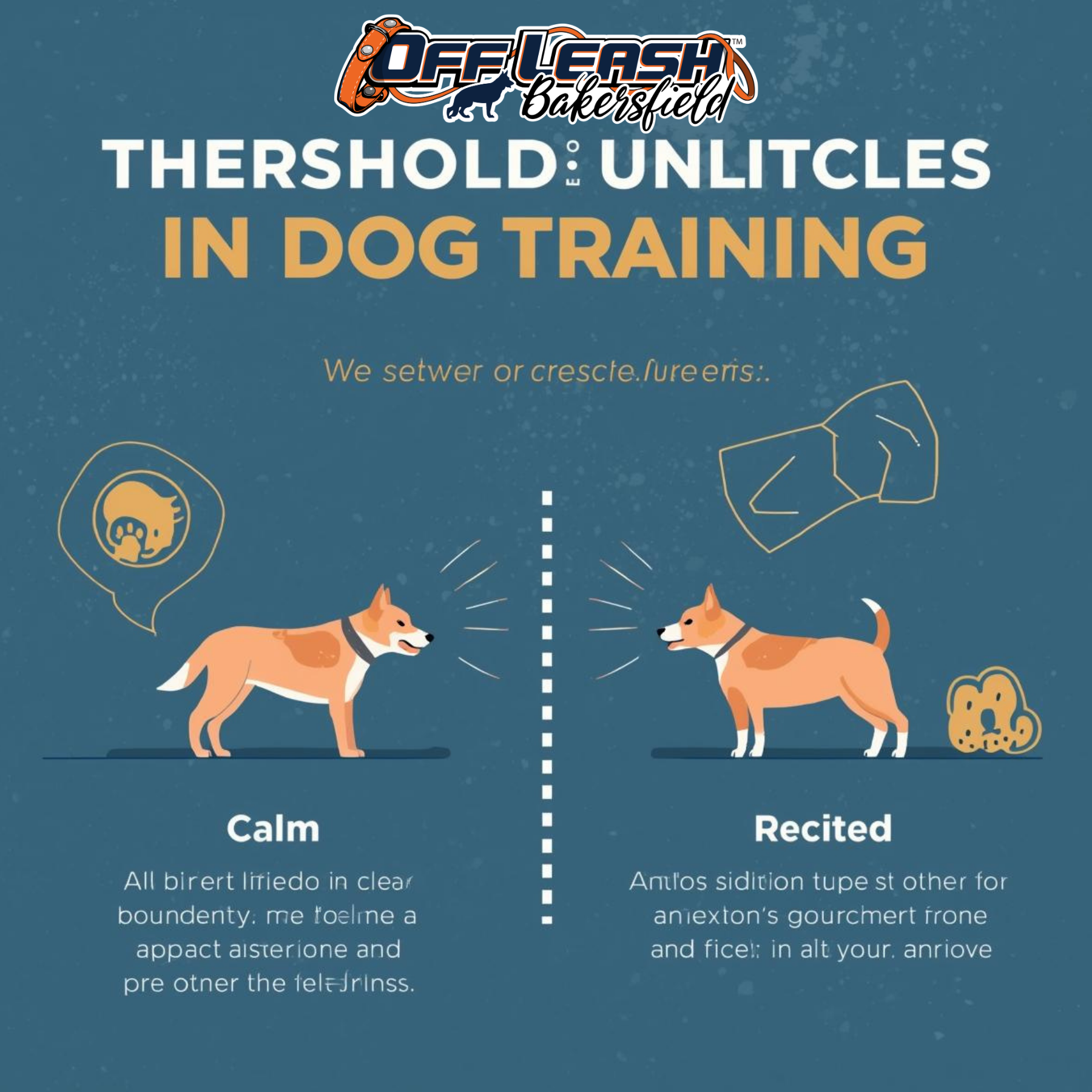
Understanding Thresholds in Dog Training
How often have you considered the importance of thresholds in dog training? Dogs, like humans, have limits to their patience, focus, and stress. Understanding these thresholds can significantly enhance the effectiveness of your training strategies.
The concept of thresholds in dog training has roots dating back to the early 1900s with Pavlov’s research on classical conditioning. Studies have shown that recognizing and respecting these limits can reduce anxiety and improve behavioral outcomes. By being attuned to a dog’s threshold, trainers can implement more humane and efficient training techniques.
Thresholds in dog training are the points at which a dog becomes too stressed or distracted to effectively follow commands. Understanding these limits helps trainers adjust their methods, ensuring the dog remains calm and focused. Recognizing and respecting thresholds can significantly enhance the dog’s learning experience and overall behavior modification success.

Thresholds in Dog Training: A Key to Effective Communication
Thresholds in dog training refer to the points at which a dog becomes too overwhelmed to respond to commands. Every dog has a unique threshold. Understanding these limits helps trainers communicate effectively with their dogs. For instance, if a dog is anxious in busy areas, training should happen in quieter locations first. Gradually increasing the stimulus can help dogs adapt without stress.
Recognizing thresholds is essential for successful training. When dogs cross their thresholds, they may exhibit behaviors like barking or lunging. Identifying these behaviors is key to adjusting training methods. It ensures the dog remains calm and focused. This approach promotes positive learning experiences for the dog.
There are various ways to identify a dog’s thresholds. Trainers can observe body language cues such as tail position, ear movement, and pacing. Keeping a log of these observations can help in understanding patterns. Consulting with a professional trainer can also provide valuable insights. Utilizing these strategies makes it easier to gauge a dog’s comfort level.
Adapting training techniques based on thresholds is important. If a dog is stressed, it’s best to lower the intensity of the training environment. Introducing new elements gradually can prevent the dog from becoming overwhelmed. Consistency and patience are crucial during this process. This method fosters a trusting relationship between the trainer and the dog.
Defining Thresholds: When Does Your Dog Feel Overwhelmed?
Thresholds are limits beyond which a dog feels overwhelmed and unable to cope. These limits vary from dog to dog. Factors like noise, crowds, and unfamiliar environments can push a dog past its threshold. Recognizing these factors is crucial for effective training. It helps in keeping the dog comfortable and responsive.
Signs that a dog is nearing its threshold include excessive panting, yawning, and pacing. Some dogs may also exhibit more noticeable behaviors like barking or growling. Understanding these signs allows for timely intervention. By pulling back before the dog becomes too stressed, trainers can maintain a positive training atmosphere. This prevents negative associations with training sessions.
Learning to read your dog’s behavior helps in identifying thresholds. Dogs often show subtle signs before reaching their limit. Observing body language such as ears pulling back or tail tucking can offer insights. Keeping track of these signs helps in understanding what triggers stress. This knowledge is invaluable for tailoring training approaches.
Thresholds are not static; they can change over time. A dog that initially reacts strongly to new environments can learn to adapt. Gradual exposure is key in this process. Slowly increasing the complexity of the environment can help build tolerance. This method enables dogs to become more resilient over time.
The Impact of Recognizing Thresholds on Training Success
Recognizing a dog’s thresholds can drastically improve training outcomes. When trainers understand these limits, sessions are more productive. Dogs remain calm and attentive, leading to better learning experiences. This knowledge helps in timing exercises correctly. It’s easier to avoid pushing a dog too far, which prevents setbacks.
Ignoring a dog’s thresholds often leads to frustration for both the dog and the trainer. Dogs may shut down or act out if they feel overwhelmed. This can slow down the training process. Respecting these limits builds trust between the trainer and the dog. Trust is a fundamental aspect of successful training.
Adjusting training techniques based on thresholds can prevent negative behaviors. Dogs are less likely to develop anxiety or aggression. This approach encourages positive reinforcement, which is more effective. Trainers can create a safe learning environment. It reduces the likelihood of stress-induced reactions.
Tracking thresholds over time helps in tailoring future training sessions. Trainers can note what environmental factors trigger stress. Using this information, they can design better training plans. This ensures consistent progress in a dog’s behavior. Keeping a journal of observations is useful for this purpose.
Techniques to Identify Your Dog’s Personal Thresholds
Identifying your dog’s personal thresholds requires close observation. Start by noting how your dog reacts in different environments. Watch for signs of stress, like panting or tail-tucking. This can give you clues about their comfort levels. By keeping track of these reactions, you can better understand their limits.
Body language plays a crucial role in detecting thresholds. Specific cues, such as ears pinned back or a stiff posture, signal discomfort. Monitoring these signals helps in recognizing when your dog is reaching its limit. Consistently observing your dog’s behavior will make these signs easier to spot. Knowing these cues is essential for proactive training.
Another effective technique is using a controlled environment. Gradually introduce new stimuli while observing your dog’s reaction. This method helps identify specific triggers that affect your dog’s behavior. For example, if loud noises cause anxiety, you can work on desensitizing your dog to these sounds. Controlled exposure ensures your dog remains within a comfortable threshold.
Consulting with a professional can provide additional insights. Trainers have experience dealing with various thresholds and can offer tailored advice. They can assist in developing a plan that respects your dog’s limits. Professional input can be particularly useful for complex cases. The expertise they provide is invaluable.
Keeping a detailed log of your dog’s reactions is beneficial. Note the date, time, and situation that caused stress. This information helps in tracking progress and adjusting training techniques. Over time, you can see patterns and better anticipate your dog’s needs. A well-documented log is a useful tool for any trainer.
Frequently Asked Questions
Understanding the nuances of dog training can enhance your relationship with your pet. Here are some common questions about thresholds in dog training and their impact on effective communication.
1. What are the signs that a dog has reached its threshold during training?
Signs include excessive panting, ears pulled back, and a tucked tail. Other indicators might be barking, growling, or trying to flee the situation. Recognizing these signs can help adjust the training environment. It’s essential to respond swiftly to avoid overwhelming your dog.
Understanding these indicators ensures sessions remain productive and stress-free. Keeping the dog within a comfortable threshold encourages learning. As each dog is different, pay close attention to their unique responses. This will help refine your approach over time.
2. How can adjusting training environments affect a dog’s learning?
Adjusting the environment to stay within the dog’s threshold keeps the dog comfortable. When dogs feel secure, they are more likely to be receptive to commands. This positive atmosphere fosters quicker learning and confidence during training sessions.
Environmental adjustments can include reducing distractions, lowering noise, and providing familiar surroundings. By tailoring these factors, trainers can create a conducive learning space. Long-term, such adjustments build a stronger bond and trust between the dog and the trainer.
3. Why is it important to slowly introduce new stimuli during training?
Introducing new stimuli gradually helps dogs adapt without feeling overwhelmed. An abrupt change can push a dog past its threshold, impacting their focus and behavior. It’s critical to ensure that new experiences are positive. This builds resilience and trust over time.
Training should be a step-by-step process, allowing for adaptation. Gradual introduction lessens the chances of anxiety and ensures consistent progress. It also allows trainers to monitor and adjust techniques effectively. The goal is to create a positive learning experience always.
4. Can professional trainers help in identifying a dog’s thresholds?
Yes, professional trainers have the expertise to identify and work within a dog’s thresholds. They can offer tailored strategies and insights. Their experience with various breeds and behaviors is invaluable. Consulting a professional can greatly enhance the effectiveness of training.
Professionals observe subtle cues that may be missed by less experienced trainers. Their guidance can provide a structured approach to training. By addressing the dog’s unique needs, they help in creating a stress-free and productive environment. Collaboration with a professional often yields quicker and more reliable results.
5. What role does body language play in identifying thresholds?
Body language is crucial in identifying a dog’s thresholds. Dogs communicate their comfort levels through physical cues. Observing changes in posture, tail position, and ear movement can offer clear indicators. Recognizing these signs helps in maintaining a balanced training environment.
Consistent observation allows trainers to anticipate and address potential stressors. This preemptive approach ensures sessions remain positive. Over time, understanding these body language signals can lead to more effective communication. The result is a stronger, trust-based relationship between trainer and dog.
Conclusion
Understanding and recognizing thresholds in dog training is vital for successful behavior modification. By observing the signs and adjusting tactics, trainers can create a positive learning environment. This leads to more effective and less stressful training sessions for both dogs and their handlers.
Utilizing professional expertise and understanding body language are key components. These strategies help in pinpointing a dog’s limits and adapting training accordingly. In the end, a well-adjusted approach ensures a happier, more confident dog and a stronger bond with their trainer.
"*" indicates required fields