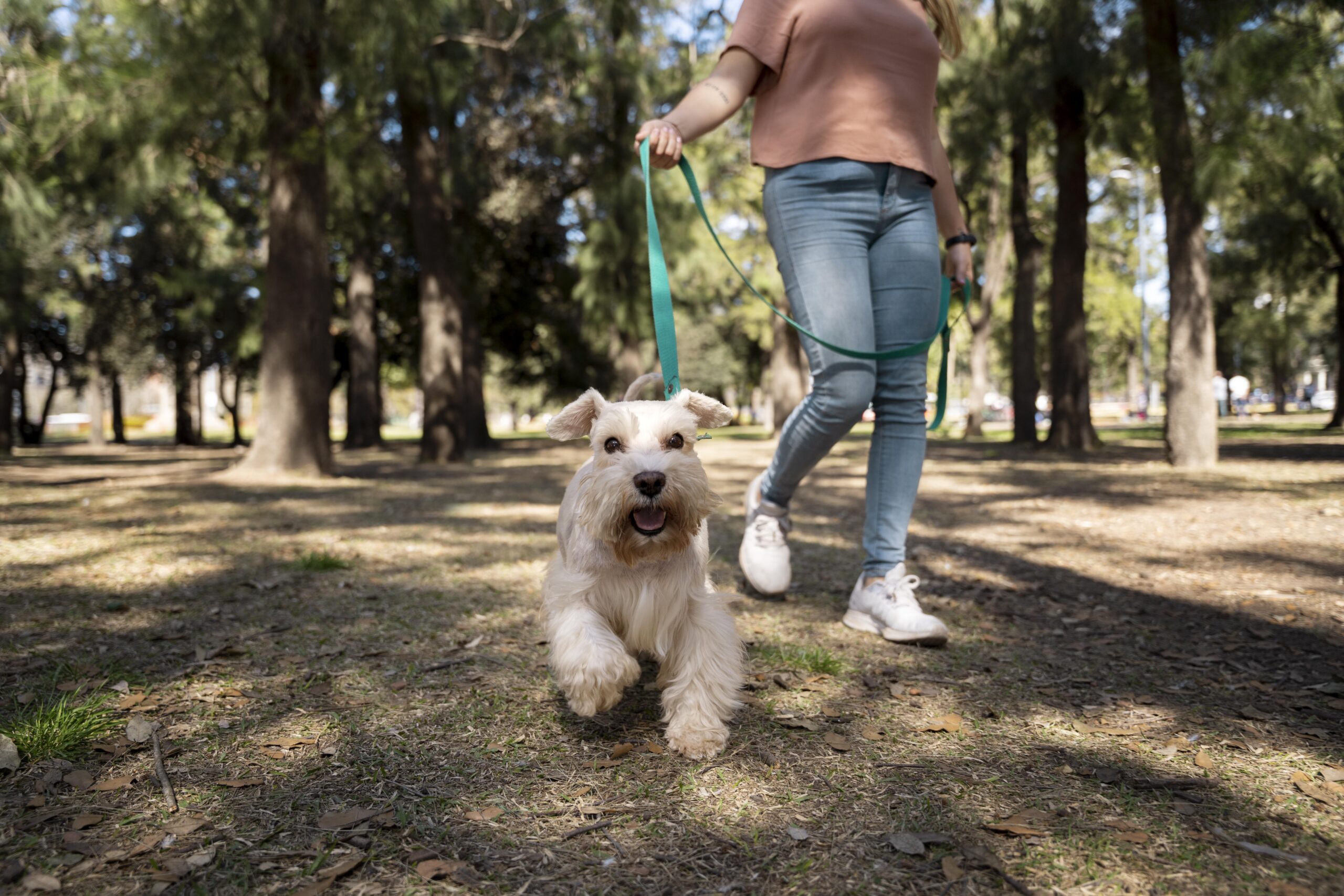
Loose Leash Walking vs Heeling
It’s often surprising to see the disparity in training methodologies when it comes to teaching dogs to walk on a leash. Loose leash walking offers a sense of freedom while maintaining control, whereas heeling demands stricter adherence to the walker’s pace and direction. Both techniques require commitment but serve different purposes suited to varying environments and owner preferences.
Loose leash walking originated as a way to provide dogs with a relaxed experience during walks without pulling. It’s particularly favored for casual strolls and moments of exploration. In contrast, heeling, which traces its roots back to obedience training and formal competitions, demands the dog to walk directly beside the owner, offering precision and impeccable behavior. Ultimately, understanding the fundamental differences and advantages of each method can greatly enhance the walking experience for both the dog and handler.
Loose leash walking allows a dog to explore and move freely while the owner maintains control, making it suitable for casual strolls. Heeling requires the dog to walk closely beside the owner, offering stricter control and precision, ideal for urban settings or obedience training. Each method serves different purposes based on contextual needs.
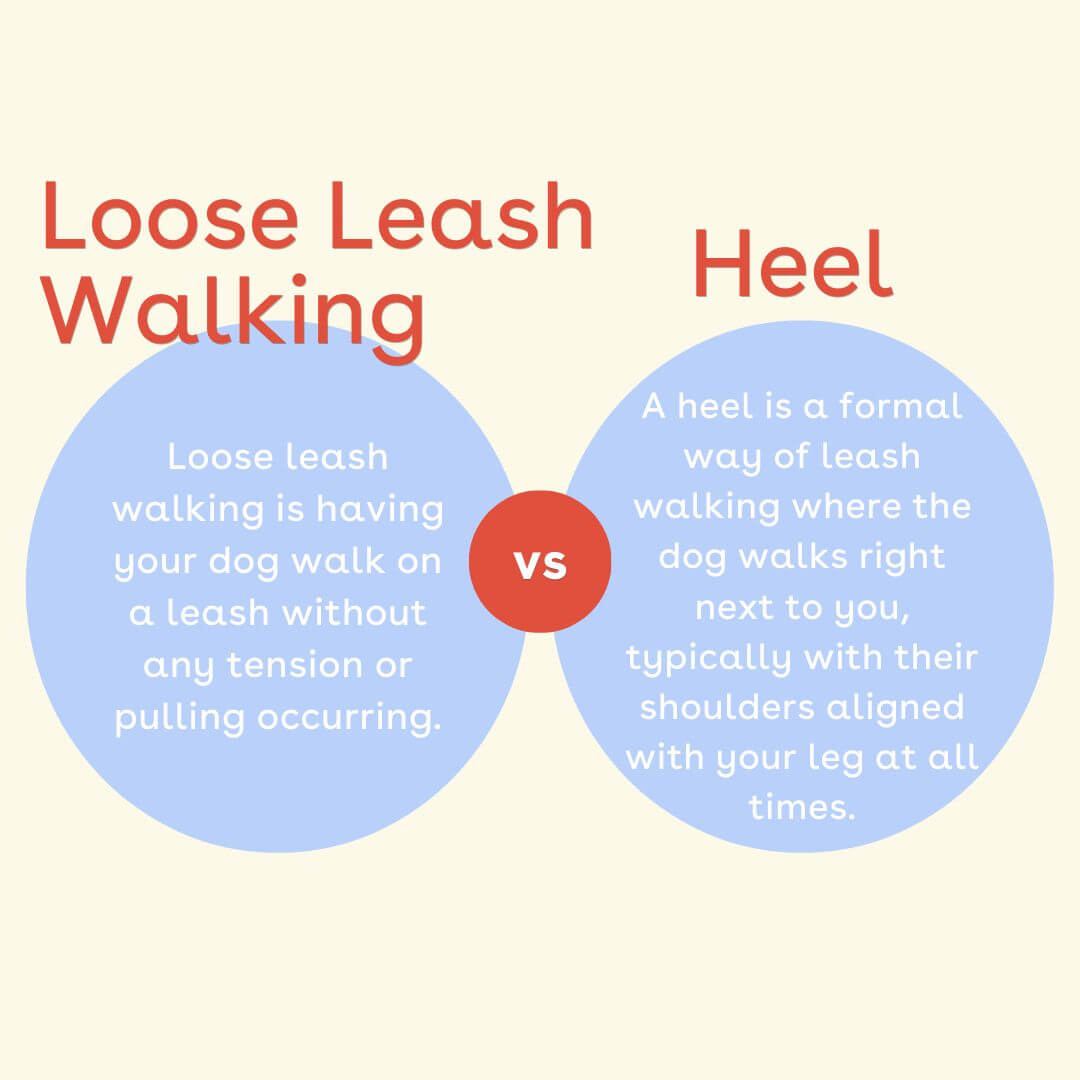
Comparing Loose Leash Walking and Heeling
Loose leash walking and heeling both have their unique benefits. Loose leash walking focuses on allowing the dog some freedom, yet maintaining etiquette. It’s perfect for casual walks in the neighborhood or park. On the other hand, heeling is much more structured. It requires the dog to walk precisely next to its owner, ideal for controlled environments.
Heeling can be particularly useful in urban settings. Dogs trained to heel are less likely to get into dangerous situations like running into traffic. However, it requires significant training and discipline. This method is often used in professional obedience competitions. Loose leash walking, while more relaxed, still demands consistent effort to prevent pulling.
Training for both techniques relies on positive reinforcement. Using treats and praise can encourage the desired behavior. Common tools include standard leashes, training leads, and sometimes head collars. Consistency is key. Mixing the two methods can confuse the dog.
Deciding between loose leash and heeling depends on lifestyle and walking environment. For city living, heeling might be more practical. Suburban or rural dwellers might find loose leash walking sufficient. Both methods have their place, ensuring a pleasant experience for both dog and owner.
Definition and Core Differences
Loose leash walking allows a dog to walk beside its owner with some freedom. The leash remains slack, and the dog can explore its surroundings moderately. This technique is ideal for leisurely strolls. It emphasizes comfort and casual walking etiquette. It’s less demanding but still requires consistency.
Heeling, by contrast, is much stricter. The dog must walk directly beside its owner without straying. This requires intense focus and discipline. Training for heeling can take longer, especially for energetic dogs. It’s often seen in obedience trials and formal competitions.
The primary difference lies in control and precision. Loose leash walking offers balance between behavior and freedom. Heeling demands full attention and close proximity. Both have their unique advantages and specific uses. Understanding each can help owners choose the right method.
Some trainers suggest blending techniques based on context. For high-traffic areas, heeling is safer.
- Loose leash walking can be used in parks
- Yards, or quieter streets.
Adapting the method to different environments benefits both the dog and the owner. Flexibility in training can lead to better outcomes.
The Benefits of Teaching Your Dog to Walk on a Loose Leash
Teaching your dog to walk on a loose leash offers numerous advantages. For one, it creates a more enjoyable walking experience. There’s less stress for the owner because the dog isn’t constantly pulling. This method promotes better behavior in public. Both owner and dog can appreciate the surroundings without struggle.
Another significant benefit is increased safety. A dog that walks calmly is less likely to dart into traffic. Loose leash walking gives the owner better control. It’s easier to manage encounters with other dogs and people. This control can prevent potential dangers and unpleasant situations.
Training your dog to walk on a loose leash can strengthen your bond. The process requires consistent communication and mutual trust. When the dog understands expectations, it feels more secure. Successful walking habits are built through positive reinforcement. Over time, both the dog and owner feel more connected.
Additionally, loose leash walking encourages regular exercise.
- Frequent walks can improve the dog’s health
- Help manage weight.
- Reduce behavioral issues related to boredom.
This type of walking also provides mental stimulation. Dogs get to explore and enjoy their environment, leading to a happier, healthier pet.
Understanding the Discipline of Heeling: When and Why It’s Used
Heeling is a disciplined form of walking where the dog stays directly by the owner’s side. This technique is essential for maintaining control in crowded or urban areas. Dogs trained to heel are less likely to act out or get distracted. It offers a higher level of safety for both the pet and the owner. This level of discipline, while demanding, ensures precise behavior.
Heeling is commonly used in obedience competitions. The strict requirement for the dog to walk perfectly in sync with the handler showcases advanced training skills. A well-heeled dog earns high marks for precision and attentiveness.
- This level of control is appreciated in professional and competitive settings.
- It demonstrates a strong bond between the trainer and the dog.
Obedience trials emphasize the importance of heeling.
In addition to formal events, heeling is beneficial for everyday situations. Walking through busy streets or in places with high foot traffic becomes manageable. By keeping the dog close, the owner can avoid conflicts with other animals or distractions. Heeling can also be crucial in emergency situations. The immediate response to commands helps in navigating dangerous scenarios.
Training a dog to heel involves consistent practice and positive reinforcement. Dogs are rewarded for maintaining their position beside the handler. This method requires patience and regular training sessions. It is important to start in low-distraction environments. Gradually increasing the complexity helps the dog adapt to various settings.
Many trainers recommend heeling as part of a broader training regimen. When combined with other commands, it enhances overall obedience.
- Heeling can be integrated with sit, stay, and recall commands.
- This comprehensive approach ensures a well-rounded and disciplined pet.
The investment in heeling pays off in many aspects of dog ownership.
Ultimately, heeling is about developing a deep understanding between owner and dog. The discipline reinforces respect and cooperation. While it takes effort, the rewards are significant. A well-heeled dog is not only a pleasure to walk but also showcases impressive training. This skill strengthens the bond and builds mutual trust.

Training Techniques for Loose Leash Walking
To teach your dog loose leash walking, start with a proper harness or collar. Choose one that fits comfortably but securely. Begin training in a low-distraction environment like your backyard. This helps the dog focus on you and the training. It’s important to keep the sessions short and positive.
One effective method is the “stop and go” technique. When the dog pulls, stop walking immediately. Wait until the leash slackens, then resume walking. This teaches the dog that pulling won’t get them any further. Consistency is key for this method to be successful. Ensure you reward your dog when they walk correctly.
Using treats and clickers can also be beneficial. Carry a handful of small, tasty treats during walks. Reward your dog whenever the leash is loose. This positive reinforcement encourages them to keep the leash slack. A clicker can mark the exact moment of good behavior.
Keep your dog’s attention by changing directions frequently. Whenever the dog starts to pull, turn and walk the other way. This teaches them to pay closer attention to your movements. Engage your dog with commands like “watch me” or “let’s go”. These techniques make the walk interactive and fun.
Joining a training class can offer additional support.
- Professional trainers can provide personalized tips and feedback.
- Classes also offer a controlled environment for practice.
This social setting can also help your dog get used to distractions. Learning alongside other dogs provides valuable experience.
Remember to stay patient and consistent. Training takes time, and setbacks are normal. Celebrate small successes along the way. By sticking with it, you’ll establish good leash manners over time. This effort leads to more enjoyable and relaxed walks for both you and your dog.
Training Techniques for Heeling
Teaching your dog to heel starts with choosing the right equipment. A comfortable, well-fitted collar or harness is essential. Begin training in a quiet area with minimal distractions. This allows the dog to focus entirely on you. Patience and consistency are crucial from the start.
One effective method involves using a treat as a lure. Hold a treat by your side to keep the dog’s attention. Command “heel” and start walking. Reward the dog with the treat for staying close. This reinforces the desired behavior immediately.
Incorporate the “sit” command during heeling practice. When you stop walking, have the dog sit beside you. This emphasizes control and attentiveness. Practice this frequently during your sessions. It reinforces the dog’s focus on your movements and commands.
Using a clicker can be a valuable tool in heeling training.
- The clicker marks the exact moment the dog performs the correct behavior.
- It bridges the gap between the action and the reward.
This clarity helps the dog understand what you’re asking for. Reward with a treat and praise to reinforce the behavior.
Consistency is key to successful heeling. Create a routine and stick to it. Regular, short training sessions are more effective than long, infrequent ones. Gradually introduce distractions as the dog improves. This helps them learn to heel in varied environments.
Lastly, consider joining an obedience class. Professional trainers can offer valuable feedback. Classes provide a controlled setting for practice. Interacting with other dogs and distractions simulates real-world situations. This enhances the dog’s heeling skills in everyday life.
Frequently Asked Questions
Loose leash walking and heeling are common topics among dog trainers and owners. Here are some questions to better understand these training techniques.
1. What is the main goal of loose leash walking?
The main goal of loose leash walking is to allow the dog some freedom while staying under control. This method focuses on the dog walking beside the owner without pulling, ensuring a relaxed and enjoyable experience for both.
Loose leash walking helps prevent unwanted behaviors like pulling and enables the dog to explore while still following basic etiquette. It creates a stress-free environment, allowing both the dog and owner to enjoy their time outdoors without constant correction.
2. Why is heeling recommended for city walks?
Heeling is recommended for city walks because it provides better control in crowded and busy areas. This method ensures that the dog stays close to the owner, reducing the risk of accidents or conflicts with other pedestrians and dogs.
In urban environments, having your dog heel allows for safer navigation through traffic and crowds. It also ensures that the dog remains focused and responsive, making the walk more manageable and pleasant for both the owner and the dog.
3. Can both loose leash walking and heeling be taught simultaneously?
Yes, both techniques can be taught simultaneously, but it’s crucial to be clear with commands and expectations. Using distinct cues for each method helps the dog understand when to walk loosely and when to heel beside you.
Training both methods requires consistency and patience. Starting in low-distraction environments and gradually increasing complexity can help your dog differentiate and excel in both techniques, providing versatility in various situations.
4. What tools are helpful for loose leash walking training?
Several tools can assist in loose leash walking training, including standard leashes, harnesses, and treat pouches. A comfortable harness can give better control without causing discomfort, and treats serve as rewards for good behavior.
Additionally, clickers can be useful to mark the exact moment the dog behaves correctly. Using these tools can enhance the training process, making it easier to teach the dog to walk calmly and confidently by your side.
5. How long does it take to train a dog to heel perfectly?
The time it takes to train a dog to heel perfectly varies depending on the dog’s age, breed, and consistency of training. On average, it can take several weeks to a few months of regular practice.
Consistency and positive reinforcement are key to successful heeling training. Short, daily sessions and gradually increasing the complexity can help the dog master the heel command, ultimately leading to perfect execution over time.
Conclusion
Choosing between loose leash walking and heeling depends on your lifestyle and your dog’s needs. Both techniques offer unique benefits, from casual exploration to structured control. Understanding each method helps tailor your training approach. This ensures a better walking experience for both you and your dog.
Investing time in training will pay off in the long run. A well-behaved dog makes walks enjoyable and stress-free. Consistency and patience are key in mastering these techniques. Ultimately, both loose leash walking and heeling enhance the bond between you and your pet.
"*" indicates required fields