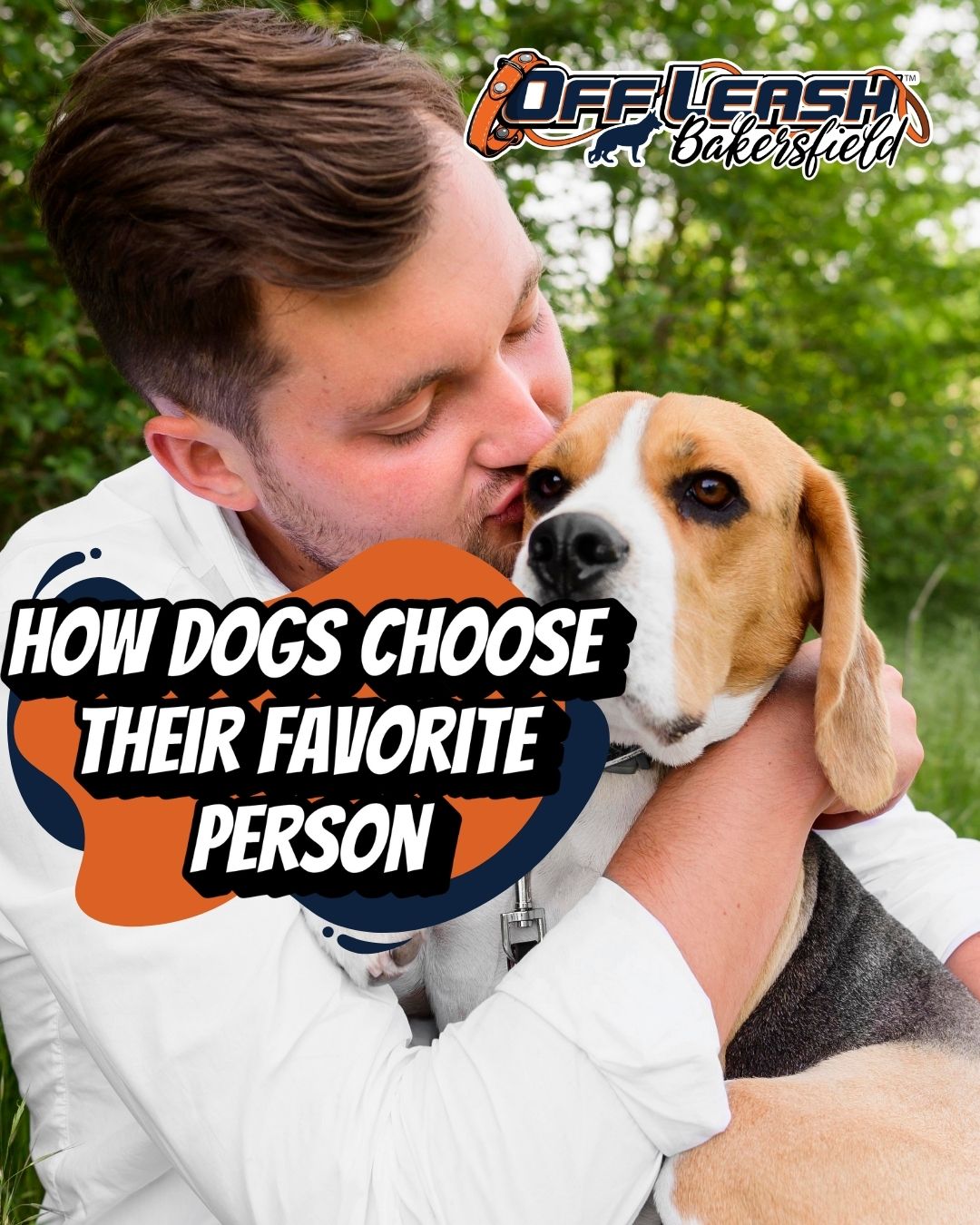
How Dogs Choose Their Favorite Person
Isn’t it fascinating that out of a household of people, a dog often picks one as their favorite? You might have noticed a furry friend following a specific family member with unwavering loyalty. This brings up an interesting question: what actually influences their choice?
Studies show that a dog’s choice of favorite person is influenced by positive interactions and early bonding experiences. Often, the person spending the most time in interactive play or training becomes the chosen one. This is often not just a matter of time but the quality of that shared time, creating a deep bond.
Dogs choose their favorite person based on positive interactions, consistent behavioral cues, and mutual personality affinity. Factors like early bonding experiences, socialization, and the quality of time spent together play crucial roles. Dogs also respond well to individuals who understand their emotional needs and provide a secure environment.
How Dogs Choose Their Favorite Person
Dogs often choose their favorite person based on who they spend the most time with. Strong bonds form when dogs have positive interactions, especially during their early months. A person who plays, feeds, and trains the dog regularly is more likely to be picked. Dogs remember these experiences and associate them with comfort and security. Thus, consistent engagement plays a crucial role.
Socialization also matters significantly. Dogs are more likely to favor someone who takes them out for walks and introduces them to new environments. This person becomes associated with fun and exciting experiences. These interactions help in building trust and affection. Consistent routines and clear signals further strengthen this bond.
Interestingly, dogs may select someone whose personality matches their own. For example, an energetic dog might prefer a lively person. Similarly, a calm dog might lean towards a quieter individual. These personality matches can make interactions smoother. This natural affinity helps in deepening their bond.
Additionally, dogs are sensitive to human emotions and body language. They can sense when someone is happy, sad, or stressed. A person who remains calm and reassuring during stressful times can become the dog’s favorite. This emotional connection reinforces the relationship. Dogs thrive on this understanding and tend to stay close to those who understand them best.
The Role of Socialization and Positive Interaction
Socialization plays a key role in shaping a dog’s personality and behavior. Early interaction with different people, pets, and environments helps dogs become well-adjusted. This period of socialization is crucial and often determines how a dog interacts in the future. Positive experiences during this time build their confidence. These encounters create a foundation for forming deep bonds.
Positive interaction involves more than just petting and feeding. It includes training sessions, playtime, and even simple walks. These activities help establish a routine and build trust. Dogs learn to respond to commands and cues from their favorite person. The quality of these interactions often determines which person becomes their favorite.
Consistency is key in these interactions. Dogs thrive on predictable routines and clear signals. A person who consistently engages in positive activities will likely be favored. Interactions filled with encouragement and rewards further enhance the bond. This consistency helps dogs feel secure and loved.
Moreover, socialization and positive interaction reduce anxiety and behavioral issues. Exposing dogs to new experiences makes them more adaptable. Positive reinforcement strengthens desirable behaviors. This combination of socialization and interaction is essential for a dog’s emotional well-being. Dogs remember and cherish these moments, often leading them to choose their favorite person.
Impact of Early Bonding and Attachment
Early bonding has a significant impact on a dog’s lifelong attachment to its owner. Puppies are most impressionable during their first few months. This period is often called the socialization window. Positive experiences during this time lead to strong attachments. Puppies who feel secure and loved develop into well-adjusted adults.
Interactions during early bonding include gentle handling, feeding, and play. These actions create a sense of trust and safety. The person who provides these experiences often becomes the dog’s favorite. A consistent presence builds familiarity. This makes the dog more likely to form a lasting bond with that person.
Attachment isn’t just about spending time together. It also involves mutual understanding and communication. Dogs are keen observers and pick up on human emotions. Responding to a dog’s needs and feelings further strengthens the bond. This deep connection lays the foundation for a loyal relationship.
Early bonding also affects a dog’s behavior and social skills. Puppies exposed to various environments and situations grow up more adaptable. Positive early experiences make dogs less anxious and more confident. This, in turn, leads to better interaction with humans and other animals. Early bonding is crucial for a dog’s overall well-being.
The Significance of Consistent Behavioral Cues
Consistent behavioral cues are essential for effective communication with dogs. Dogs thrive on routine and predictability, which help them understand what’s expected. When owners use consistent commands, dogs learn faster. This makes training smoother and reinforces good behavior. Consistency builds trust between dogs and their humans.
Imagine asking a dog to “sit” using different words each time. This would confuse the dog and slow down learning. Consistency in words and body language eliminates confusion. It ensures dogs can quickly respond to commands. This clarity strengthens the bond between dogs and their owners. Consistency creates a stable environment for pets.
Besides commands, daily routines should also be consistent. Feeding, walking, and playtimes need a set schedule. Dogs feel more secure when they can anticipate daily activities. This reduces anxiety and creates a sense of safety. Predictability brings comfort to dogs and improves their overall well-being.
List of common consistent behavioral commands and cues:
- “Sit” – Teach dogs to sit calmly
- “Stay” – Instruct them to remain in place
- “Come” – Have dogs come to you
- “Down” – Guide them to lie down
- “Heel” – Walk calmly beside you
In addition, consistent behavioral cues enhance socialization. When dogs know what to expect, they adapt better to new situations. This makes outings and social gatherings more enjoyable. Consistency helps reduce unwanted behavior. It fosters a disciplined yet loving environment for the pet. Ultimately, reliable cues are key to a happy and well-behaved dog.
Personality Affinity Between Dogs and Humans
Dogs often form deep connections with humans whose personalities match their own. For example, an active dog might bond best with someone who loves outdoor activities. On the other hand, a calmer dog may prefer a quieter person. This personality matching can make interactions easier and more natural. Dogs and humans with similar temperaments tend to understand each other better.
When dogs and humans share similar energy levels, their time together becomes more harmonious. An energetic dog enjoys activities like running and playing fetch. If their human loves these activities too, it strengthens their bond. This mutual enjoyment of dynamic activities builds a strong, positive relationship. The shared enthusiasm enhances their connection.
List of dog activities that align with different human personalities:
- Hiking – For adventurous and energetic individuals
- Reading together – Ideal for calm and relaxed people
- Swimming – Great for those who love water sports
- Training sessions – Perfect for disciplined and focused individuals
- Watching TV – Suitable for cozy and laid-back personalities
Dogs are also sensitive to emotional cues. They can sense when their human is happy, sad, or stressed. A dog with a compatible emotional temperament provides comfort during tough times. This emotional support creates a deeper bond. Understanding each other’s feelings strengthens the attachment further.
Moreover, personality affinity helps in training and everyday interactions. Dogs are more responsive when they feel understood. This mutual understanding reduces conflicts and enhances cooperation. Training becomes easier and more enjoyable for both. A strong bond emerges from this shared compatibility.
Frequently Asked Questions
Here are some common questions about how dogs form preferences for certain people. Understanding these can help strengthen the bond with your furry friend.
1. What makes a dog trust a person?
Trust develops through consistent positive interactions and reassurance. When a person provides food, comfort, and playtime, a dog feels secure and happy. Trust also builds when the person responds to the dog’s needs promptly and gently.
Over time, consistent care and understanding strengthen this trust. Simple, everyday actions like petting, talking gently, and respecting their space make dogs feel safe and build a strong bond.
2. Why do dogs follow certain people around?
Dogs often follow people they trust and feel secure with. This behavior can be a sign of attachment. They seek companionship and feel more comfortable around familiar, trusted individuals.
Additionally, dogs may follow the person who provides their basic needs like food and attention. This behavior reinforces the bond and makes the dog feel more connected and safe.
3. How does early bonding impact a dog’s relationships?
Early bonding during a dog’s formative weeks is crucial for social and emotional development. Positive interactions during this period lead to stronger attachments and better-adjusted behavior later in life.
Experiences such as gentle handling, socialization, and play during early days create a foundation for lifelong trust. Dogs that bond early with humans are generally more confident and well-behaved.
4. What role does personality play in a dog choosing a favorite person?
Dogs often choose favorites who have similar energy levels and personalities. An active dog may prefer an energetic person who enjoys physical activities. Conversely, a calmer dog might bond with someone more relaxed.
Shared interests and compatible temperaments make interactions more enjoyable for both. This mutual affinity strengthens their connection, fostering a deeper bond.
5. How do dogs communicate their preference for a person?
Dogs show preference through body language and behaviors like wagging tails, following, and seeking attention. They may also display excitement when seeing their favorite person, jumping, barking, or whining with joy.
Other signs include leaning against the person, making eye contact, and showing relaxed body postures. These behaviors indicate trust and affection, revealing the dog’s preferred human.
Conclusion
Understanding how dogs choose their favorite person can deepen the bond you share with your furry friend. Consistency, positive interactions, and early bonding are key factors that influence this choice. By being attentive and responsive to their needs, you can strengthen your relationship.
Personality compatibility also plays a significant role in forming these bonds. Matching energy levels and shared activities can enhance the connection between you and your dog. Embracing these insights helps create a loving and secure environment for your pet.
"*" indicates required fields