Natural Calming Remedies for Anxious Dogs
A staggering number of pet owners report that their canine companions struggle with anxiety and fear. It’s not uncommon to see a dog trembling during a thunderstorm, experiencing separation anxiety, or becoming frantic with loud noises. These situations call for gentle, yet effective, solutions to help keep our furry friends calm and stress-free.
Historical accounts reveal that humans have long trusted natural remedies like chamomile tea and lavender essential oil to alleviate anxiety in dogs. A survey indicates about 50% of dog owners prefer natural calming methods over pharmaceuticals. Techniques such as behavioral training, massage therapy, and specially designed diets play a pivotal role in reducing canine stress levels, offering a holistic approach to their well-being.
Natural calming remedies for anxious dogs include herbal solutions like chamomile and valerian root, aromatherapy using essential oils such as lavender, a calming diet enriched with tryptophan and Omega-3 fatty acids, regular physical contact through petting and massage, and creating a consistent, serene home environment with soft lighting and soothing sounds.

Natural Calming Remedies for Anxious Dogs
Many dogs experience anxiety due to various factors such as loud noises, separation from their owners, or unfamiliar environments. Using natural remedies can provide a gentle and effective way to calm them down. One popular method involves the use of herbal solutions like chamomile and valerian root, which have calming properties. These can be given as supplements or in their meals. Consistently using these herbs can help reduce an anxious dog’s overall stress levels.
Aromatherapy is another effective natural remedy for calming anxious dogs. Essential oils like lavender and frankincense are known for their calming effects. These oils can be diffused in the air or applied in diluted form to their bedding. Care should be taken to ensure the oils used are safe for pets. Inhaling these scents can significantly reduce a dog’s anxiety.
Diet plays a crucial role in managing anxiety in dogs. Special calming diets formulated with ingredients like turkey, sweet potatoes, and brown rice can help. These foods are rich in tryptophan and complex carbohydrates, which promote the production of serotonin, a calming hormone. Adding these ingredients to their regular meals can make a noticeable difference in their behavior.
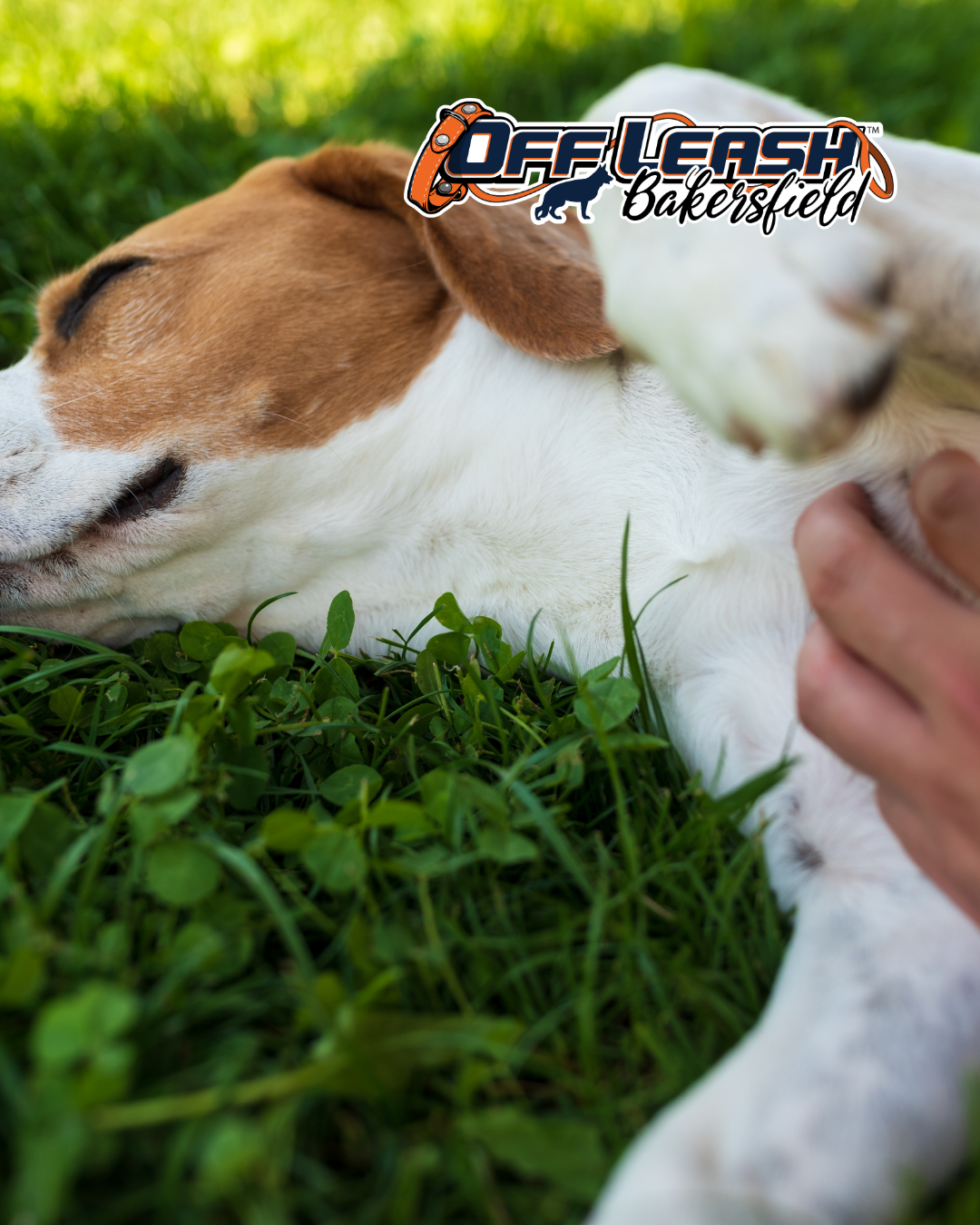
Physical contact and touch are powerful ways to reassure and calm your dog. Gentle petting, massage, and cuddling can release endorphins, which are natural mood boosters. It also strengthens the bond between the dog and the owner. Providing a secure environment and regular physical affection can go a long way in keeping your pet relaxed and happy.
Herbal Solutions: Chamomile and Valerian Root
Chamomile is a well-known herbal remedy used for calming both humans and dogs. It’s often consumed as a tea but can also be found in supplement form for pets. Chamomile helps ease digestive issues and nervousness in dogs. A small dose mixed into their food or water can work wonders. Be sure to monitor your pet’s reaction to any new supplement.
Valerian root is another popular herb for reducing anxiety in dogs. Known for its sedative effects, valerian root can help calm nerves and promote better sleep. It’s usually available as a powder or liquid extract. This herb can be particularly useful during stressful events like fireworks or travel. Dogs typically feel the effects within an hour.
Combining these two herbs can enhance their calming benefits. However, it’s crucial to maintain proper dosages. Overuse can lead to unwanted side effects like gastrointestinal upset. Consulting with a vet before starting any new supplement regimen is always advisable.
Creating a routine with herbal remedies can provide consistent relief for anxious dogs. Regular use of chamomile and valerian root can make your pet feel safer and more relaxed. Consider keeping a supply of these herbs on hand. Their natural calming effects can significantly improve your dog’s quality of life.
Aromatherapy and Its Benefits
Aromatherapy offers a gentle and effective way to calm anxious dogs. Essential oils like lavender, chamomile, and frankincense are commonly used for their soothing properties. By diffusing these oils in your home, you can create a relaxing environment for your pet. It’s important to ensure that the oils are safe for dogs. Always use oils that are specifically labeled for pet use.
In addition to diffusing, you can apply essential oils to your dog’s bedding. A few drops of diluted oil can provide comfort and reduce stress. This method allows the calming scent to surround your dog as it sleeps. Aromatherapy can be especially helpful during thunderstorms or when guests visit. Your dog will associate the calming scent with safety and security.
There are a variety of ways to use aromatherapy for your dog. Some options include:
- Diffusion: Using a diffuser to spread the scent throughout the room.
- Topical application: Applying diluted oil to your dog’s fur.
- Environmental: Putting a few drops on their bedding or in their crate.
Safety is a key consideration when using aromatherapy. Essential oils should be used in moderation to avoid overwhelming your pet. Some oils can be toxic to dogs if not properly diluted. Consulting your vet before introducing aromatherapy can ensure you’re using the safest and most effective methods. Proper use of these scents can lead to a calmer, happier dog.
Calming Diets: Special Foods That Help
Diet plays a significant role in managing anxiety in dogs. Some foods naturally contain calming ingredients that help reduce stress and promote relaxation. One key ingredient is tryptophan, a precursor to serotonin, which helps stabilize mood. Foods rich in tryptophan include turkey, chicken, and oats. Incorporating these into your pet’s diet can have a soothing effect.
Another beneficial nutrient is Omega-3 fatty acids. Found in fish oil, flaxseed, and chia seeds, Omega-3s support brain health and reduce inflammation. These nutrients can help an anxious dog feel more at ease. Mixing these ingredients into their regular food or providing supplements can make a noticeable difference. Omega-3 should be a staple in their diet for long-term benefits.
Complex carbohydrates are also essential for calming anxious dogs. They release glucose slowly into the bloodstream, maintaining stable energy levels. Sweet potatoes, brown rice, and whole grains are excellent sources. Including these carbs in your dog’s meals can prevent sudden spikes in energy, which can contribute to anxiety. A balanced diet is fundamental for a calm and happy pet.
Some fruits and vegetables have calming properties too. Blueberries, for instance, contain antioxidants that combat stress. Carrots and cucumbers offer a crunch that can be satisfying and distracting for anxious dogs. Dogs generally enjoy these healthy snacks, making them an easy addition to their diet. Moderation is key to keep their diet balanced.
Special formulated dog foods designed to calm anxiety are available on the market. These products often blend essential nutrients tailored to reducing stress. Checking the ingredient list for natural calming agents like chamomile and L-theanine is wise. It’s important to choose a diet that suits your dog’s specific needs. Consistent use of these foods can help maintain a calm demeanor.
Physical Contact: The Power of Touch
Physical contact is an essential part of bonding and calming anxious dogs. Gentle petting, cuddling, and consistent touch can reduce stress levels. When dogs are petted, their bodies release oxytocin. This hormone helps them feel calm and connected. It’s a simple and effective way to soothe anxiety.
Massages are another powerful tool for calming dogs. Regular massages can improve circulation, reduce muscle tension, and promote relaxation. Veterinary professionals often recommend specific techniques for massaging dogs. These techniques include using slow, gentle strokes. Consistent massage sessions can significantly improve a dog’s mental state.
Some physical activities can double as a form of touch therapy. For instance, brushing your dog’s fur not only helps maintain their coat but also provides a calming touch. Dogs often enjoy the repetitive motion and attention. This simple grooming routine can turn into a bonding experience. It helps keep your pet stress-free and happy.
Different dogs may respond to various types of touch. Some prefer light, gentle strokes, while others may enjoy more firm, steady pressure. It’s important to observe how your dog reacts. Tailoring the type of touch to their preferences can maximize the benefits. Always ensure that your touch is gentle and calming.
Interactive play can also serve as a beneficial form of physical contact. Engaging in activities like fetch or tug-of-war allows for positive interaction. These moments help strengthen the bond between you and your dog. Physical play provides both mental and physical stimulation. This can lead to a more balanced and relaxed pet.
Creating a Calming Environment at Home
Creating a calming environment at home is crucial for helping an anxious dog feel secure. Start by setting up a designated space where your dog can retreat. This might be a cozy corner with their bed and favorite toys. It provides a safe spot for them to relax and unwind. Consistency in this space is key.
Soft lighting and soothing sounds can make a big difference. Bright lights and loud noises can stress out an already anxious dog. Consider using dim lamps or even soft music. Classical music or white noise can help drown out loud, disruptive sounds. These simple changes create a more serene atmosphere.
Adding comforting scents through aromatherapy can enhance the calming effect. Lavender or chamomile can be diffused safely in the dog’s area. Always ensure the oils are pet-friendly. The pleasant scents can help your dog associate their space with relaxation. It’s a simple yet effective way to enhance their comfort.
For dogs that spend a lot of time indoors, mental and physical stimulation is important. Interactive toys and puzzle feeders can keep them engaged. Regular exercise is also essential. Both activities help alleviate anxiety and promote overall well-being. A tired dog is often a calmer dog.
Finally, maintaining a routine is critical. Dogs thrive on consistency. Regular feeding, play, and walk times can give them a sense of security. Predictability helps reduce anxiety and create a stable environment. Small changes can lead to significant improvements in your dog’s stress levels.
Frequently Asked Questions
Discover answers to common questions about natural calming remedies for anxious dogs. Learn how to help your pet live a more relaxed and stress-free life.
1. What are the benefits of using lavender essential oil for dogs?
Lavender essential oil is known for its calming effects. It can help reduce anxiety in dogs, making them feel more relaxed. It also has soothing properties that can aid in better sleep. However, it’s essential to use diluted oil and ensure it’s safe for pets. Always consult your vet before starting any new treatment.
Diffusing lavender oil in your home can create a peaceful environment. Applying diluted oil to your dog’s bedding can further enhance its calming effects. The familiar scent helps your dog associate the space with relaxation. This can be especially helpful during stressful situations like thunderstorms or vet visits.
2. How does tryptophan in dog food help with anxiety?
Tryptophan is an amino acid that helps produce serotonin, a hormone that stabilizes mood. Foods rich in tryptophan, like turkey and chicken, can help calm an anxious dog. Including these foods in your dog’s diet can promote relaxation and reduce stress levels. This makes tryptophan a valuable component in managing canine anxiety.
Regularly feeding your dog food with tryptophan can make a significant difference in their behavior. It helps them feel more at ease, especially during stressful situations. Always check with your veterinarian before making any major changes to your pet’s diet. A balanced diet that includes tryptophan can lead to a happier, more relaxed dog.
3. Are there any risks associated with using valerian root for dogs?
Valerian root is generally safe for dogs when used in proper dosages. It has sedative effects that can help calm anxious pets. However, overuse or incorrect dosages can lead to gastrointestinal upset or lethargy. It’s important to consult your vet before starting valerian root to ensure it’s suitable for your dog.
Monitoring your dog’s reaction to valerian root is crucial. Start with a small dose and observe for any adverse effects. If your dog shows signs of discomfort, discontinue use and consult your vet. Valerian root can be a useful tool in managing anxiety when used responsibly under veterinary guidance.
4. Can physical activities help reduce dog anxiety?
Yes, physical activities play a crucial role in reducing dog anxiety. Regular exercise helps burn off excess energy and releases endorphins that improve mood. Activities like walking, playing fetch, or tug-of-war can significantly reduce stress. It also provides mental stimulation, which is essential for a well-balanced pet.
A consistent exercise routine helps your dog feel more secure and less anxious. It strengthens the bond between you and your pet, enhancing their sense of safety. Always tailor the level of activity to your dog’s age and health. Keeping your dog physically active is vital for their overall well-being.
5. How can creating a calming environment at home help an anxious dog?
A calming environment helps an anxious dog feel more secure and relaxed. Setting up a designated safe space where your dog can retreat can make a big difference. This space should be filled with their favorite toys and bedding. Soft lighting and soothing sounds like classical music can further enhance the calming effect.
Maintaining a consistent routine is also important. Dogs thrive on predictability, which helps reduce anxiety. Regular feeding, play, and walking schedules can create a stable environment. All these factors combined contribute to making your dog feel safe, calm, and happy at home.
Conclusion
Incorporating natural calming remedies for anxious dogs can drastically improve their quality of life. From herbal solutions and aromatherapy to special diets and physical contact, these methods provide gentle and effective relief. They not only reduce anxiety but also strengthen the bond between you and your pet.
Creating a calming environment at home further supports these remedies. Consistency, comfort, and care are key to helping your dog feel secure. With these strategies, you can ensure a happier and more relaxed canine companion.
"*" indicates required fields