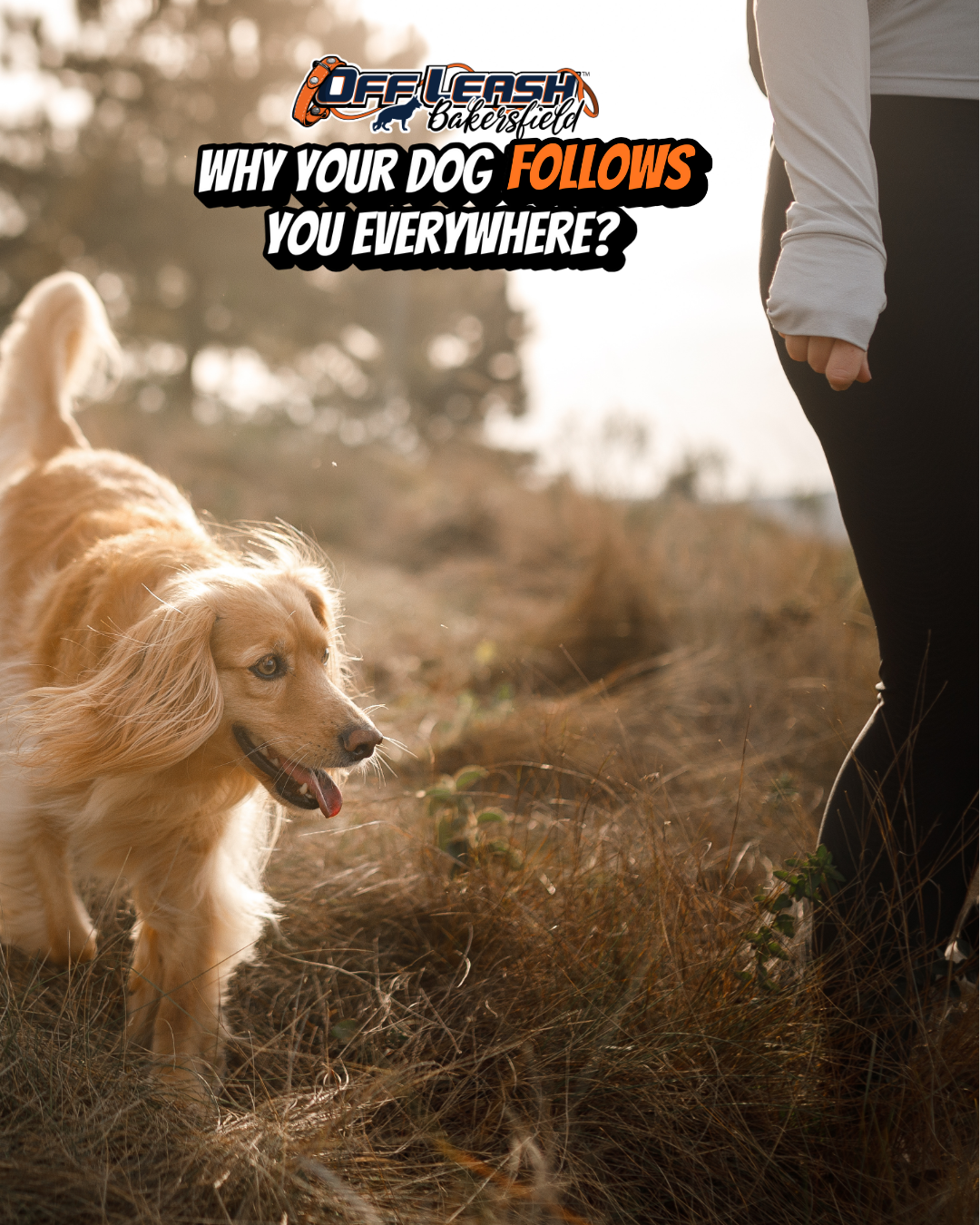
Why Your Dog Follows You Everywhere — Clingy or Caring?
Ever wondered why your dog always seems to shadow your every move, even from room to room? This behavior, often observed in many canine companions, could be driven by multiple factors. Dogs are known for their loyalty, but is this behavior simply an extension of their caring nature, or could it indicate something more?
Historically, dogs have been social animals, evolving alongside humans for thousands of years. A study shows that around 81% of dog owners report their pets following them frequently, suggesting a deep-rooted bond. This behavior can be a sign of affection, security-seeking, or even mild separation anxiety.
Dogs follow their owners due to their instinctive pack behavior, seeking companionship and security. This behavior can indicate affection and trust if the dog is relaxed and happy, but it may signal separation anxiety if accompanied by signs of distress or excessive dependency. Understanding the root cause helps in fostering a balanced relationship.
Why Your Dog Follows You Everywhere — Clingy or Caring?
Have you ever wondered why your dog always seems to be by your side? The reasons behind this behavior can be varied and intriguing. For one, dogs are pack animals and naturally seek companionship. This instinct can make them follow you to feel secure and protected. Another explanation might be their strong attachment to you due to the bond formed from spending time together.
Some dogs exhibit what is known as ‘velcro dog behavior.’ This term refers to dogs that stick close to their owners like velcro. It can be a sign of trust and love. However, it might also indicate dependency, where the dog feels anxious when not near you. This behavior requires careful attention to ensure it doesn’t lead to separation anxiety.
Different breeds have varying tendencies to follow their owners closely. For instance, breeds like Labrador Retrievers and Border Collies are known to be very people-oriented. This behavior can be both a blessing and a challenge. Understanding your dog’s specific breed traits can help in managing their need for constant attention. Providing a balanced environment is key.
To determine if your dog’s behavior is clingy or caring, observe their overall well-being and happiness. If they’re healthy, active, and content, their following you is likely a loving behavior. If there’s excessive following combined with signs of anxiety, it might be clinginess. Regularly check with a vet or an animal behaviorist to guide you in ensuring your dog’s mental and physical health remains optimal.
The Psychological Dimensions of Canine Behavior
When exploring why dogs follow their owners, understanding the psychological dimensions of canine behavior is crucial. Dogs have a strong sense of loyalty and attachment. This bond is often rooted in their early experiences with their owners. Puppies that receive a lot of attention and care tend to form strong attachments. These formative moments shape their behavior as they grow older.
One important aspect is the pack mentality. Dogs are naturally social animals and instinctively seek the company of their pack members. In a household, the family becomes the pack. Following you is their way of staying close to their pack leader. This behavior provides them with a sense of security and comfort.
Anxiety can also play a role in this behavior. Dogs, like humans, can experience anxiety, especially if they have had past traumatic experiences. Separation anxiety is common in dogs that are overly attached to their owners. This manifests in behaviors like constant following and distress when left alone. Addressing anxiety often requires patience and sometimes professional help.
Positive reinforcement plays a significant role in shaping canine behavior. Dogs tend to repeat actions that bring them rewards, such as treats or affection. If following you around leads to positive attention, they’ll continue to do it. Consistency in how you respond to their actions helps in reinforcing desired behaviors.
Decoding Dog Body Language: Signs of Attachment vs. Anxiety
Dogs communicate a lot through their body language, and understanding these signs can help distinguish between attachment and anxiety. A wagging tail, relaxed ears, and a soft gaze usually indicate that your dog is happy and attached. These are signs of a positive bond and trust. Conversely, a tucked tail, flattened ears, and wide eyes can signal anxiety. These signs call for attention and reassurance.
It’s also important to observe your dog’s posture and movements. A dog that frequently seeks physical contact, like sitting on your feet, might be looking for comfort. This can suggest strong attachment. However, if the same dog paces restlessly or exhibits compulsive behaviors, anxiety could be the underlying cause. Monitoring these behaviors helps identify their emotional state.
Vocalizations are another clue to your dog’s feelings. Whimpering or whining often indicates distress, particularly if it happens when you’re about to leave. Barking excessively could also be a sign of anxiety or the need for attention. On the other hand, contentment is often shown through quiet, calm behavior. Listening carefully can provide insights into your dog’s emotional health.
Interaction with others can also reveal much about their emotional state. Dogs that are comfortable and attached will typically be friendly and social. An anxious dog might be more withdrawn or reactive. Observing how they behave in different social situations can offer valuable insights. Taking notes can help you track patterns and address any concerns with your vet.
The Role of Breed Traits in Dogs’ Following Behavior
Breed traits can significantly influence why certain dogs follow their owners more than others. Some breeds are naturally more inclined to stick close to their humans. For instance, Labrador Retrievers and Golden Retrievers are known for their friendly and people-oriented nature. These breeds often show high levels of affection and loyalty. Consequently, they tend to shadow their owners frequently.
On the other hand, breeds like the Border Collie are highly intelligent and energetic. Their need for mental and physical stimulation often results in them following their owners for guidance and tasks. This behavior is driven by their working dog background. They thrive on having a job to do, which includes staying close to their ‘boss.’ Understanding this can help tailor activities to keep them engaged.
Smaller breeds, such as the Chihuahua and the Pomeranian, may display following behavior due to their need for protection. These tiny dogs often stick close to their owners to feel secure. They might seek out your presence to ensure they are safe. This behavior is less about needing tasks and more about seeking the comfort of their protector.
Some breeds, like the Basset Hound, are driven by their noses. Following their owners can be a way of satisfying their strong scent-driven instincts. These dogs might be less attached in the emotional sense but still follow due to their keen sense of smell. Recognizing these breed-specific traits provides insight into their unique needs and behaviors.
Understanding breed traits can help in managing expectations and providing proper care. Acknowledging these traits helps in addressing their following behavior constructively. Engaging them with appropriate activities and training can channel their natural tendencies positively. This ensures a happier and more balanced relationship between you and your dog.
Practical Advice: Balancing Attention and Independence
Balancing attention and independence in your dog is crucial for their overall well-being. Providing consistent attention helps build trust and strengthens your bond. However, too much dependency can lead to separation anxiety. It’s essential to create a routine that includes moments of togetherness and times of solitude. This ensures they learn to feel secure even when alone.
- Set clear boundaries
- Create a safe space for them
- Use interactive toys
- Gradually increase alone time
- Encourage socialization with other dogs
These tips can help in establishing a balanced environment.
Setting clear boundaries helps your dog understand what is expected. For example, limit their access to certain rooms when you’re not at home. This teaches them independence within safe limits. Consistency in enforcing these boundaries is key to their success. Gradual changes are less stressful for your pet.
Interactive toys can keep your dog engaged and mentally stimulated. Toys that dispense treats or require problem-solving can distract them from your absence. This encourages them to solve problems on their own. It’s an effective way to build confidence. Engaging their minds in your absence lessens anxiety.
Encouraging socialization with other dogs is beneficial as well. Dog parks or playdates can help them interact and bond with peers. This reduces their sole reliance on you for companionship. Social activities promote emotional health. They return home happier and more relaxed.
Gradually increasing alone time is another effective approach. Start with short periods and slowly extend the duration. Reassure your dog with positive reinforcement when you return. This builds their confidence in being alone. Eventually, they learn that alone time is a normal and safe part of their day.
Expert Insights on Enhancing Healthy Dog-Human Relationships
Experts agree that building a healthy dog-human relationship requires mutual trust and respect. Establishing clear communication is key. Dogs pick up on both verbal and non-verbal cues. Consistent training helps strengthen this bond. Simple commands like “sit” and “stay” build discipline and understanding.
Providing mental and physical stimulation is essential. Experts suggest regular exercise tailored to your dog’s breed and energy levels. Activities like fetch, agility training, and long walks are beneficial. These exercises keep your dog fit and mentally engaged. An active dog is usually a happy dog.
- Positive reinforcement
- Consistent routines
- Regular vet visits
- Socialization opportunities
- Quality time together
contribute to a strong relationship.
Positive reinforcement is a proven method for reinforcing good behavior. Rewarding your dog with treats, praise, or playtime for positive actions encourages them to repeat these behaviors. This approach creates a positive learning environment. Avoid harsh punishment, as it can damage the trust between you and your dog.
Veterinarians also emphasize the importance of regular health check-ups. Regular vet visits ensure your dog stays in good health. Catching any issues early can prevent more serious problems down the line. It’s also an opportunity to seek advice on maintaining your dog’s overall well-being. A healthy dog is better equipped to engage and bond with their owner.
Frequently Asked Questions
Understanding your dog’s behavior can be both fascinating and challenging. Here, we answer some common questions related to why your dog might follow you everywhere.
1. Can following behavior indicate separation anxiety in dogs?
Yes, following behavior can sometimes indicate separation anxiety. Dogs with this condition often display signs of distress when their owners are out of sight. They might bark, whine, or become destructive. To address this, gradually accustom your dog to being alone. Start with short departures and gradually increase the time you spend apart. This can help reduce their anxiety.
Consulting a veterinarian or an animal behaviorist is also advisable. They can recommend specific strategies and possibly medications to help ease your dog’s separation anxiety. Consistency and patience are key in making your dog feel more secure when alone. Training sessions should always end on a positive note.
2. Are certain breeds more likely to follow their owners?
Yes, certain breeds are known to be more people-oriented and likely to follow their owners. Breeds like Labrador Retrievers, Border Collies, and Poodles are known for their loyalty and tendency to stay close to their human companions. These breeds have been traditionally bred for tasks requiring close human interaction. Understanding these traits helps in managing their behavior effectively.
Knowing your dog’s breed traits allows you to cater to their specific needs. For example, active breeds need more exercise and mental stimulation. Providing the right environment and activities can reduce unwanted following behavior. Always tailor your approach to suit your dog’s unique needs.
3. How can I encourage my dog to be more independent?
Encouraging independence in your dog involves training and providing distractions. Start by teaching your dog simple commands like “stay” or “wait.” Gradually increase the distance between you and your dog while they follow these commands, rewarding them for staying in place. Using interactive toys can also keep them engaged without needing your constant presence.
Creating a safe, comfortable space for your dog to retreat to is also beneficial. Equip this space with their favorite toys and bedding. Gradually increase the time they spend alone in this space, always rewarding calm behavior with treats. Consistency is key to helping your dog feel secure on their own.
4. What role does exercise play in reducing clinginess?
Exercise plays a significant role in reducing clingy behavior. Regular physical activity helps to expend your dog’s energy, making them less anxious and more relaxed. A tired dog is usually a happy dog, less likely to follow you constantly. Engage your dog in activities like walks, fetch, or agility training.
Mental stimulation is equally important. Puzzle toys or training sessions can keep your dog’s mind engaged. This reduces their dependence on you for entertainment. Balance physical and mental exercises for the best results. A well-exercised and mentally stimulated dog is less prone to clinginess.
5. Should I ignore my dog when they follow me constantly?
Ignoring your dog when they follow you can sometimes be effective but should be done with care. If the behavior is mild, ignoring them can teach your dog that following you does not yield attention. However, this should be balanced with moments when you do give attention for independent behavior. Rewarding them when they are calm and not following can reinforce independence.
For dogs with anxiety issues, ignoring might not be the best approach. In such cases, it is essential to address the root cause of their anxiety. Work gradually on behavioral modification techniques. Consulting a professional may provide additional strategies tailored to your dog’s needs.
Conclusion
Understanding why your dog follows you everywhere helps in fostering a healthier relationship. By recognizing the signs of attachment versus anxiety, you can better address your dog’s needs. This ensures a balanced bond filled with trust and respect.
Considering breed traits and employing practical strategies for independence are crucial. Seeking expert advice when necessary can further enhance your approach. Ultimately, a well-informed strategy ensures your dog remains both happy and secure.
"*" indicates required fields