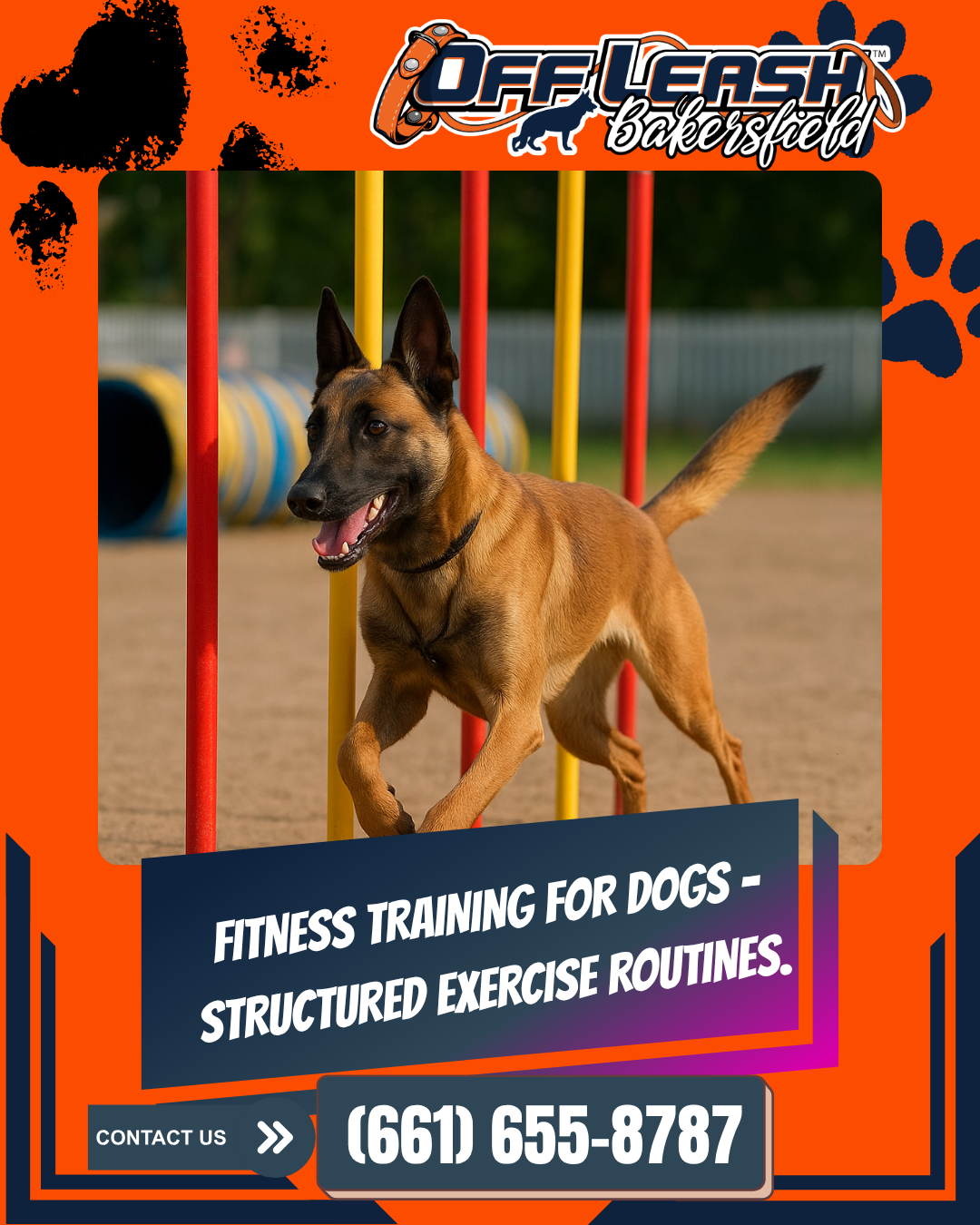
Fitness Training for Dogs – Structured exercise routines.
Canine health and fitness may seem like a modern trend, but did you know that structured exercise routines for dogs date back to ancient Rome? Romans believed in training their dogs for better agility and stamina, tasks that required an organized fitness regimen. Today, we know that a well-planned routine can enhance a dog’s overall health, preventing obesity and related ailments.
Echoing the wisdom of the ancient Romans, many canine fitness instructors promote consistency and tailored plans to suit each dog’s needs. Studies indicate that dogs engaged in regular structured exercise routines live healthier lives, with fewer instances of metabolic and cardiovascular diseases. A balanced mix of cardio, strength, and flexibility training is recommended to keep your furry friends in top shape.
Structured exercise routines for dogs should include cardio, strength training, and flexibility exercises. Activities such as running, fetching, and agility courses improve endurance and muscle tone while keeping the dog mentally stimulated. Tailoring workouts to the breed and age ensures they are safe and effective. Regular assessments help maintain optimal health.
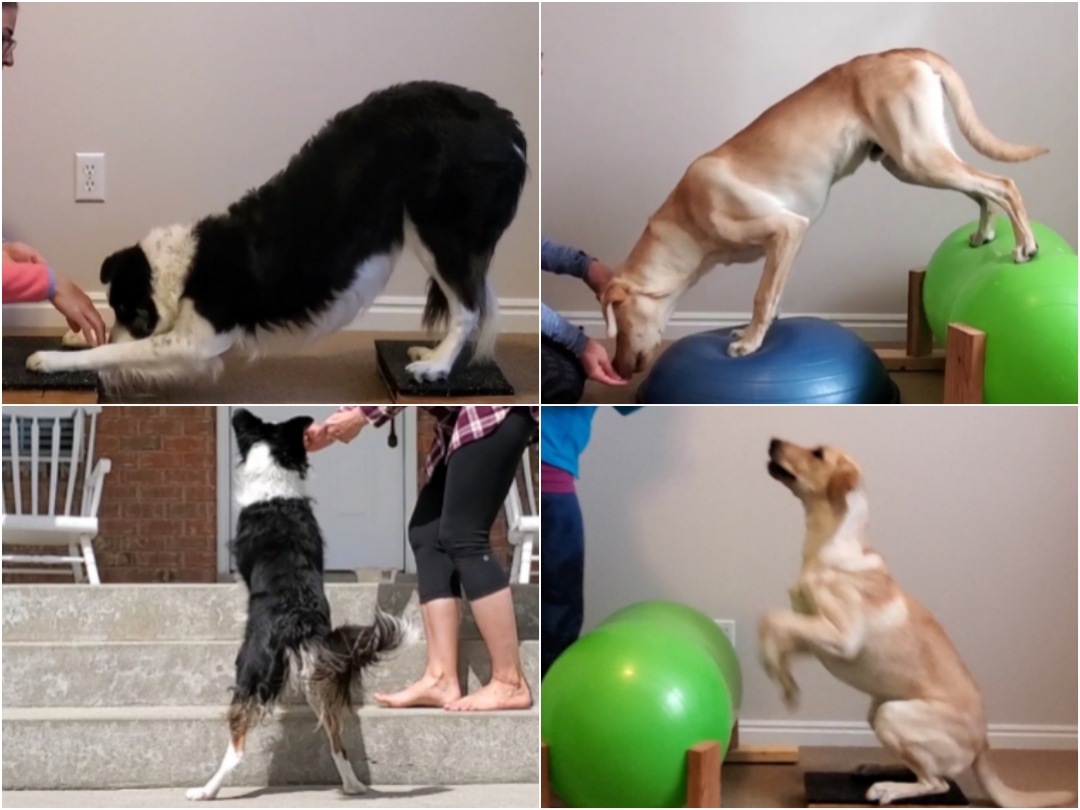
Fitness Training for Dogs – Structured Exercise Routines
Fitness training for dogs is essential for their overall well-being. Structured exercise routines help maintain a dog’s physical health and mental stimulation. Regular activities can prevent obesity, heart disease, and other health issues. Dogs of all ages benefit from exercise. They become happier and more energetic.
Creating a balanced exercise routine involves a mix of activities. Include cardio exercises like running or swimming to improve endurance. Strength training is important for muscle development. Incorporate activities like tug-of-war or obstacle courses. Regular walks are also crucial for maintaining joint health.
It’s important to tailor the exercise plan to the breed. For example, high-energy breeds like Border Collies need more vigorous activities. Conversely, smaller breeds like Pugs may benefit from shorter, less intense exercises. Age and health conditions should also guide the routine. Adapting the plan ensures safety and effectiveness.
Using the right tools can enhance training sessions. Invest in quality leashes, harnesses, and interactive toys. Ensure the equipment is appropriate for the dog’s size and strength. Regularly monitor the dog’s progress. Adjust routines based on their performance and health status.
The Advantages of Structured Exercise for Canine Health
Structured exercise routines give dogs energy and keep them healthy. Regular physical activity helps maintain an ideal weight. It reduces the risk of obesity-related diseases. Dogs that exercise regularly have stronger muscles and bones. They also enjoy improved cardiovascular health.
Beyond physical benefits, structured exercise boosts mental health. Exercise can reduce anxiety and destructive behavior. Dogs need mental stimulation as much as physical activity. Engaging in different activities challenges their minds. Happy dogs are often well-exercised dogs.
Structured routines also enhance obedience and social skills. Following consistent schedules teaches discipline. It strengthens the bond between the dog and its owner. Group activities help dogs develop social skills. Interaction with other dogs is crucial for balanced behavior.
Different exercises can target specific health goals. For example, swimming helps with joint health, especially for older dogs. Running enhances endurance and cardiovascular fitness. Strength training exercises build muscle tone. Variety in exercise routines keeps dogs interested. This helps prevent boredom and keeps them engaged.
Essential Components of a Balanced Dog Fitness Routine
A balanced dog fitness routine should include various elements. Cardio exercises such as running and fetching help improve heart health and stamina. Strength training with activities like tug-of-war builds muscle and supports bone development. Flexibility exercises, including stretches and agility courses, enhance your dog’s range of motion. Each component is vital for overall fitness.
Cardio workouts are a key part of any fitness routine. They help burn excess energy and calories. Regular cardio can prevent obesity and related diseases. Activities like running and swimming are excellent choices. They keep your dog active and engaged.
Strength training should not be overlooked. It contributes to better muscle tone and injury prevention. Incorporate resistance-based games into your routine. These might include pulling weights or navigating obstacle courses. Strength exercises support a strong and healthy body.
Flexibility exercises are equally important in a balanced routine. They help maintain a dog’s agility and joint health. Agility courses and simple stretches can be effective. Regular flexibility exercises can reduce stiffness. A well-rounded routine supports every aspect of a dog’s physical health.
Customizing Workouts to Fit Different Dog Breeds
Different dog breeds have varying energy levels and exercise needs. High-energy breeds like Border Collies and Australian Shepherds require intense workouts. These breeds benefit from activities like running, agility training, and fetch. Ensuring they get adequate exercise helps prevent behavioral issues. They thrive on mental and physical challenges.
On the other hand, smaller breeds like Chihuahuas and Pugs may not need as much strenuous activity. Shorter walks and gentle play are usually sufficient. These breeds often enjoy indoor games that require less space. It’s important to monitor their energy levels to avoid overexertion. Keeping sessions brief and engaging works best for them.
Some breeds, like Bulldogs and Basset Hounds, are prone to joint issues. Low-impact exercises, such as swimming, can be ideal for them. These breeds benefit from activities that are gentle on their joints. Avoiding high-impact activities helps maintain joint health. Tailoring workouts to their physical limitations is crucial.
Large breeds, like Great Danes and Mastiffs, require a balanced mix of activity. While they need exercise to stay healthy, it should not be too intense. Moderate walks and playtimes are usually sufficient. Care should be taken to avoid stressing their growing bones. Balancing exercise with rest periods helps prevent injuries.
Working breeds, such as German Shepherds and Rottweilers, thrive on regular, rigorous exercise. These breeds excel in tasks like search and rescue, herding, and obedience training. Keeping them mentally and physically engaged is essential. They need structured routines to channel their energy positively. High-energy activities suit their active nature well.
Senior dogs of any breed need special consideration. Their workouts should be gentle and low-impact. Short, frequent walks and stretching exercises can maintain their mobility. Monitoring their health closely ensures they remain active yet comfortable. Adapting routines as they age supports their well-being.
Tools and Equipment for Effective Canine Training
Effective canine training requires the right tools and equipment. Leashes and collars are essential for basic control and safety. Different types suited for various training needs include retractable leashes, shock collars, and gentle leaders.
For more advanced training, consider investing in agility equipment. Items like tunnels, weave poles, and jumps can make sessions exciting and challenging. These tools improve a dog’s agility and coordination. Plus, they keep the dog mentally engaged. It’s a fun way to learn new skills.
Interactive toys are great for keeping dogs motivated. Toys that dispense treats can reward good behavior. Puzzle toys challenge a dog’s mind. These toys also help prevent boredom. Keeping training sessions fun is key to success.
Training clickers are valuable tools for positive reinforcement. They help mark desired behaviors precisely. Used with treats, they create a clear communication system. Dogs quickly learn to associate the click with a reward. This speeds up the training process.
Some dogs may benefit from other specialized equipment. For dogs needing joint support, water treadmills offer low-impact exercise. Safety gear like harnesses and reflective vests are also important. Ensuring your dog is safe during training is crucial. Each piece of equipment serves a unique purpose.
Monitoring Progress and Adjusting Routines Over Time
Monitoring a dog’s progress is essential for effective fitness training. Regular check-ups help track weight, muscle development, and overall health. Using a fitness journal can record activities and note any changes. This helps in identifying what works best. Adjustments can then be made based on these observations.
Different breeds and age groups require periodic assessments. Puppies, for example, grow quickly and their exercise needs change. Senior dogs may need less strenuous routines. Regularly assessing their capabilities prevents overexertion. Tailoring the plan ensures it stays effective and safe.
Technology can aid in monitoring your dog’s fitness. Fitness trackers for dogs can track heart rate and activity levels. These devices provide valuable data. This information helps in making informed adjustments. It ensures the dog’s routine remains beneficial.
Signs that indicate a need for routine adjustment include lethargy and disinterest. If a dog seems bored or overly tired, changes are necessary. Introducing new activities can renew their enthusiasm. It’s important to keep workouts engaging. Variety prevents boredom and maintains motivation.
Consider consulting with a professional if unsure about the best adjustments. Veterinarians and canine fitness trainers offer valuable insights. They can provide tailored advice specific to your dog’s needs. Their expertise ensures that your furry friend stays healthy and happy. Adjusting routines with professional guidance is often the safest approach.
Frequently Asked Questions
Explore common questions about fitness training for dogs. These answers provide insights into crafting and maintaining effective exercise routines for your canine companion.
1. How often should I exercise my dog?
Exercise frequency depends on your dog’s breed, age, and health. Generally, most dogs need at least 30 to 60 minutes of daily activity. High-energy breeds may require more. Puppies and senior dogs may need shorter, more frequent sessions.
It’s essential to monitor your dog’s behavior and adjust as needed. If your dog seems restless, they might need more exercise. Conversely, if they show signs of fatigue, reduce the intensity or duration. Consistency is key for maintaining a healthy routine.
2. What types of exercises are suitable for senior dogs?
Senior dogs benefit from low-impact exercises that reduce stress on their joints. Short, gentle walks and swimming are excellent options. Swimming provides a full-body workout without heavy strain on their bodies. Engaging in regular light activities helps maintain mobility and prevent muscle loss.
Additionally, mental stimulation through puzzles and gentle games is beneficial. Keeping sessions short but frequent helps maintain a consistent routine. Always consult with a veterinarian before starting a new exercise plan for a senior dog. Their advice ensures the activities are safe and beneficial.
3. Can I exercise my dog indoors?
Yes, indoor exercise is possible and can be very effective. You can engage your dog in activities like fetch, tug-of-war, and indoor obstacle courses. Using interactive toys that challenge their mind and body is also helpful. These activities keep your dog active even when outdoor options are limited.
Make sure the environment is safe and free of obstacles. Regularly changing the activities keeps them engaged and prevents boredom. Indoor exercises are especially useful during bad weather or for dogs with specific health conditions. They ensure your dog remains active and healthy regardless of external factors.
4. How do I introduce my dog to an agility course?
Start by introducing your dog to one obstacle at a time. Use positive reinforcement with treats or praise to encourage them. Gradually increase the complexity as they gain confidence and skill. Short, frequent training sessions are more effective than lengthy ones.
Ensure each obstacle is appropriate for your dog’s size and abilities. Watch for any signs of stress and adjust as needed. Practicing consistency in commands and actions helps improve their performance. Over time, your dog will navigate the course with greater ease and enjoyment.
5. What are the benefits of swimming for dogs?
Swimming is a low-impact exercise that offers numerous benefits for dogs. It is especially beneficial for those with joint issues or arthritis. The buoyancy of water reduces stress on joints while providing a full-body workout. Swimming also improves cardiovascular health and endurance without causing strain.
It helps in muscle strengthening and can aid in weight loss. Dogs find swimming mentally stimulating, keeping them engaged. Always monitor your dog while they swim to ensure their safety. Using a dog life jacket can provide additional safety for less confident swimmers.
Conclusion
Incorporating structured exercise routines into your dog’s daily life is crucial for their physical and mental well-being. Tailoring activities to suit different breeds, ages, and health conditions ensures they stay engaged and safe. Regular monitoring and adjustments keep the routines effective and enjoyable.
Using the right tools and equipment can enhance your training sessions’ efficiency. Whether it’s agility courses or gentle walks, the key is consistency and variety. By prioritizing your dog’s fitness, you’ll foster a healthier, happier companion. Remember, a fit dog is a happy dog.
"*" indicates required fields