Proper Training for Off-Leash Adventures
Research shows that well-trained dogs are less likely to get into accidents during off-leash adventures. A staggering 83% of dog owners report improved behavior after proper training. This highlights the importance of a structured approach to ensure both safety and enjoyment for our canine companions.
The history of off-leash training demonstrates its effectiveness in building trust and understanding between dogs and their owners. In fact, a 2020 study revealed that dogs trained in recall commands were 50% more likely to return to their owners when called. This foundational aspect emphasizes the necessity for expertise in the training process.
Proper training for off-leash adventures involves teaching consistent recall commands, mastering impulse control, using positive reinforcement, and gradually increasing environmental complexity. Start in fenced areas, then progress to parks and trails. Build trust and ensure safety through regular practice, monitoring your dog’s behavior closely.
Essential Skills for Off-Leash Training
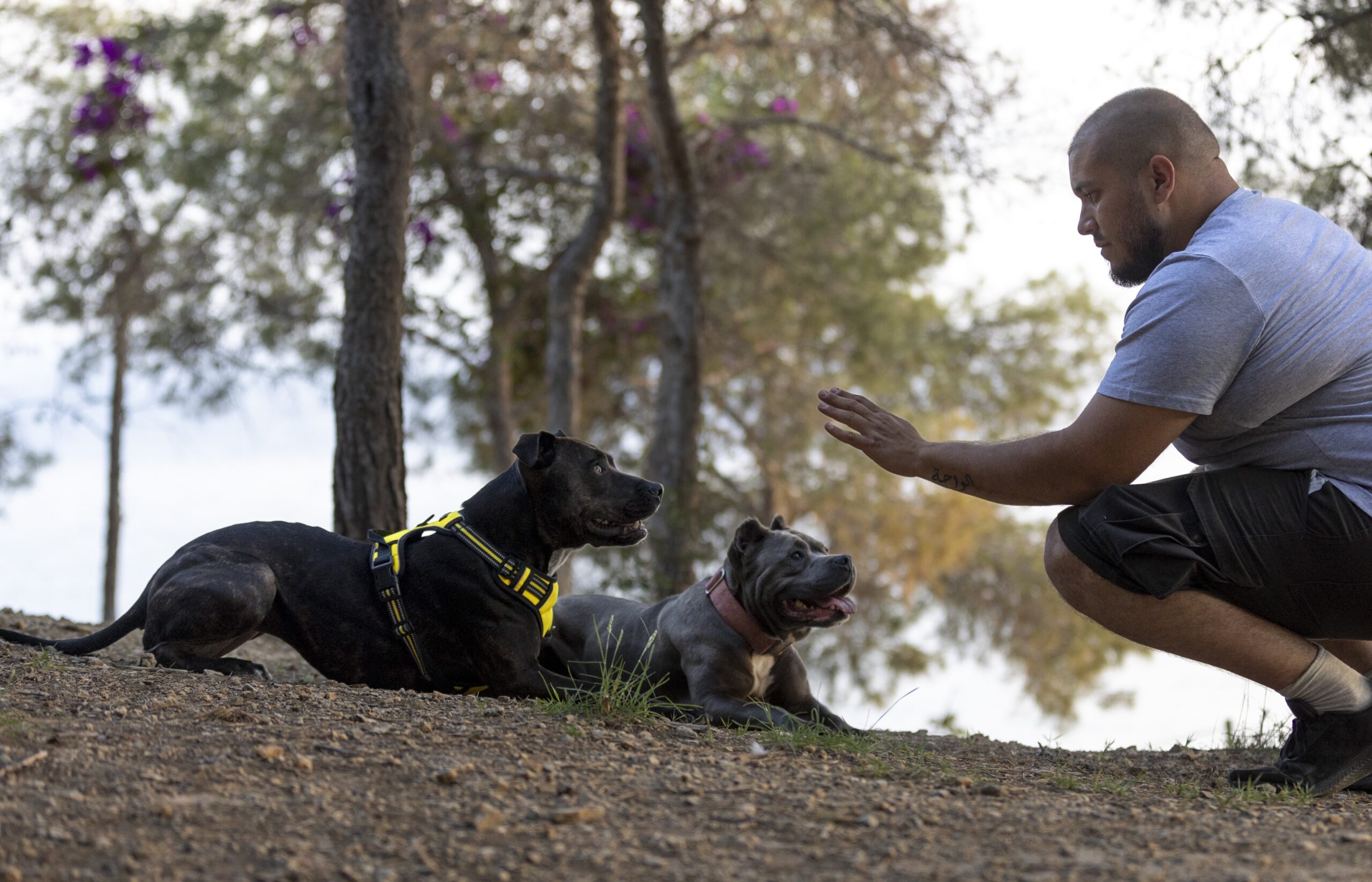
Understanding verbal commands and visual signals is a cornerstone of off-leash training. Dogs need to recognize simple commands like “sit,” “stay,” and “come.” These commands form the basis of more complex behaviors. Visual signals, such as hand gestures, can reinforce these commands. Combining both methods ensures clear communication.
The importance of consistent recall training cannot be overstated. Teaching your dog to reliably return when called is crucial. This skill helps maintain control, especially in open environments. It requires patience and repetition but is highly rewarding. Using treats and positive reinforcement can make the training process smoother.
Mastering impulse control and distraction techniques is another key component. Dogs often react impulsively to stimuli like other animals or loud noises. Training them to focus on you despite these distractions is vital. This can include practicing in various environments. Gradual exposure helps them adjust over time.
A successful off-leash experience hinges on a few essential skills. Consistent practice and positive reinforcement are the foundation. Dogs trained in these skills are safer and more enjoyable companions. Investing time in proper training pays off. It creates a harmonious relationship between you and your dog.
Understanding Verbal Commands and Visual Signals
Teaching dogs to understand verbal commands is essential. Commands like “sit” and “stay” are the basics. They help control a dog’s actions in diverse situations. Visual signals, like hand gestures, complement these commands. Together, they create a comprehensive communication system.
Visual signals are particularly useful when verbal commands are difficult to hear. For example, if you’re at a park, your dog might get distracted by noises. Hand gestures can cut through that distraction. Consistency in using these signals is key. Over time, your dog will learn to associate each gesture with a specific command.
Combining verbal and visual cues improves your dog’s response time. Start with one signal per command to avoid confusion. Gradually introduce new signals as your dog gets familiar. Training sessions should be short to maintain the dog’s interest. Always end with positive reinforcement.
The effectiveness of these commands depends on regular practice. Make sure to train in varied environments. This helps your dog become adaptable. Treats and praise are excellent motivators. They make learning enjoyable for your pet.
Importance of Consistent Recall Training
Consistent recall training is crucial for your dog’s safety. Imagine your dog running towards a busy street. A reliable recall command can prevent accidents. It not only keeps your dog safe but also gives you peace of mind. This skill is vital for off-leash activities.
Strong recall training enhances your dog’s overall obedience. When your dog responds quickly, it shows trust and respect. This trust allows for more freedom during playtime. You can explore different environments with confidence. Consistency is key to maintaining this level of obedience.
Training sessions should be brief yet frequent. Start in a quiet area with minimal distractions. Gradually increase the complexity of the environment. Practice in parks, woods, and even near water. This variety helps your dog adapt to different scenarios.
Using rewards makes recall training more effective. Positive reinforcement, like treats or praise, encourages good behavior. Keep training sessions upbeat and fun. This maintains your dog’s enthusiasm for learning. Over time, recall will become second nature to your pet.
Mastering Impulse Control and Distraction Techniques
Impulse control is all about teaching your dog patience. It starts with simple exercises like making your dog wait before eating. Gradually, you can extend this to more challenging situations. For example, waiting at the door before a walk. This builds your dog’s self-discipline.
Distraction techniques are equally important. Dogs are naturally curious and can get easily distracted. To master this, train in environments with various stimuli. Slowly increasing the level of distractions helps. Use snacks and toys to maintain focus.
Combining impulse control with distraction techniques strengthens your dog’s ability to concentrate. Practice commands like “leave it” or “stay” in busy places. This could be a park or a crowded street. Repetition in these situations is key. Your dog’s quick response improves over time.
Using positive reinforcement makes a big difference. Reward your dog each time they successfully control their impulse. This can be in the form of treats, toys, or praises. Over time, your dog will associate good behavior with positive outcomes. This encourages them to keep obeying commands.
Another useful technique is to create controlled distractions at home. Invite a friend over or play a new sound. Train your dog to stay focused amid these new challenges. Mixing up distractions keeps your dog sharp. This way, they’re better prepared for real-world scenarios.
Choosing the Right Environment for Off-Leash Adventures
Selecting the right environment is crucial for off-leash training. Start with a safe, enclosed area like a fenced yard. This minimizes risks and distractions. It allows for controlled practice sessions. Once your dog is comfortable, you can explore more open spaces.
Parks are popular choices for off-leash adventures. However, not all parks are suitable. Look for dog-friendly parks with clear boundaries. Some parks have designated off-leash areas. These spaces provide a balance of freedom and safety.
Beaches can also be excellent for off-leash training. The open space and varying terrain are great for recall practice. Ensure the beach allows dogs off-leash. Early morning or late evening visits can avoid crowds. This reduces distractions and gives more room to train.
Forest trails provide a unique training environment. The natural obstacles and scents offer plenty of mental stimulation. But they also present challenges like wildlife. Always check if off-leash walking is permitted. Keep a close eye to ensure your dog stays within sight.
Wherever you choose to train, always prioritize safety. Carry a first aid kit for emergencies. Familiarize yourself with the area’s rules and regulations. This ensures a positive experience for both you and your dog. Consistent training in varied environments builds a well-rounded dog.
Precautions and Safety Measures During Off-Leash Activities
Safety is paramount when engaging in off-leash activities. Always carry a well-stocked first aid kit. This can address minor injuries like cuts or scrapes. It is crucial for handling unexpected incidents. Regularly check and update the kit.
Ensure your dog is wearing a collar with ID tags. Microchipping adds an extra layer of security. Both measures help in quick reunification if your dog wanders off. Before starting, inspect the area for hazards. Broken glass or trash can pose a threat.
Be aware of local wildlife and other environmental dangers. Some areas might have snakes, ticks, or other animals that could harm your dog. Knowing what to look out for keeps your pet safe. Also, check for any posted warnings or advisories before letting your dog off-leash.
Leash training should still be a part of your routine. In some situations, it’s best to leash your dog quickly. This includes encounters with aggressive animals or unsafe terrain. Always have a leash handy. Being prepared can prevent potential problems.
Be mindful of other people and their pets. Not all dogs are friendly or well-trained. Maintain a respectful distance. Use commands like “stay” to avoid unwanted interactions. This ensures a pleasant experience for everyone involved.
Monitoring your dog’s behavior is essential. Signs of fatigue, overheating, or stress should be promptly addressed. Bring water and take breaks as needed. Regular check-ins can prevent health issues. Keeping a watchful eye on your dog ensures their well-being.
Benefits of Off-Leash Training for Dog and Owner
Off-leash training offers numerous benefits for both dogs and their owners. One major advantage is enhanced freedom. Dogs can explore their environment more naturally, providing mental stimulation. This increases happiness and reduces stress. They get to engage in healthy physical activity, which is crucial for their well-being.
Improved communication between dog and owner is another benefit. Off-leash training involves mastering commands and signals. This increases trust and understanding. Owners can feel more confident in their dog’s behavior. Effective off-leash skills make walks more enjoyable.
This form of training also promotes better socialization. Dogs encounter various stimuli and other animals during off-leash play. This helps them become well-adjusted and less fearful. Social interactions enrich their experiences. It teaches them how to behave appropriately in different situations.
For owners, off-leash training saves time and effort during daily routines. No longer needing a leash reduces the complexity of walks or park visits. Being able to rely on verbal commands simplifies outings. It also adds an element of flexibility.
The bond between dog and owner strengthens with off-leash training. Spending quality time together fosters a deeper connection. Mutual trust grows over time, making the relationship richer. The shared activities become moments of joy and learning for both parties.
Frequently Asked Questions
Off-leash training can be challenging but rewarding. Here are some key questions and informative answers to help you with the process.
1. What is the first step in off-leash training?
The first step is to teach basic commands like “sit,” “stay,” and “come.” These commands should be practiced in a controlled environment, such as your backyard or a fenced area. They form the foundation for more advanced off-leash behaviors.
Once your dog consistently responds to these commands, you can gradually increase the complexity of the training environment. Use treats and positive reinforcement to encourage good behavior. Your dog needs to build trust and reliability first.
2. How do I maintain my dog’s focus during off-leash training?
Maintaining focus is all about managing distractions and keeping your dog’s attention on you. Start in a quiet area and slowly introduce more distractions. Use high-value treats and engaging toys to maintain their interest.
Frequent, short training sessions work best to keep your dog engaged. If your dog gets distracted, call their name and make eye contact. Use a variety of rewards to maintain enthusiasm and reinforce good behavior.
3. Are specific dog breeds better suited for off-leash training?
Some breeds may naturally be more responsive to training than others. For instance, breeds with strong recall instincts, like Border Collies or Labradors, often excel in off-leash training. However, every dog’s success depends more on training consistency than breed.
Even breeds considered less trainable can succeed with patience and positive reinforcement. Tailor the training to your dog’s personality and energy level. Understanding your dog’s unique needs and motivations is key.
4. What are common mistakes to avoid in off-leash training?
A common mistake is progressing too quickly and expecting immediate results. Be patient and give your dog time to understand each command. Another mistake is not reinforcing good behavior consistently.
Inconsistency can confuse your dog and slow down progress. Always use the same commands and signals. Also, avoid training in overly distracting environments too soon. Gradual progression is vital for success.
5. How can I ensure my dog’s safety during off-leash adventures?
Safety starts with a well-trained dog that consistently responds to commands. Always carry a leash and keep it accessible. Make sure your dog wears an ID tag and consider microchipping for extra security.
Check the training area for hazards before letting your dog off-leash. Be aware of local wildlife and other environmental risks. Regularly monitor your dog’s behavior for signs of stress or fatigue, and be prepared to intervene if necessary.
Conclusion
Proper training for off-leash adventures is essential for ensuring the safety and well-being of your dog. By mastering basic commands and practicing in controlled environments, you build a foundation of trust. Gradual exposure to more complex settings enhances your dog’s reliability.
Consistent recall training, managing distractions, and understanding your dog’s needs are crucial steps. The benefits of off-leash training are immense, fostering a deeper bond between dog and owner. Investing time and effort in this training leads to enjoyable and stress-free outings.
"*" indicates required fields