Heel and Polite Leash Walking Training for Well-Behaved Dogs | OLK9 Bakersfield
Over 50% of dog owners experience stress during walks due to their pets pulling on the leash. This common issue often leads to shortened walks and increased frustration for both the owner and the dog. Understanding the principles of “Heel” and polite leash walking can transform this routine into a pleasurable experience.
The practice of teaching a dog to “Heel” dates back to early obedience training programs, emphasizing control and companionship. Research shows that dogs trained properly can reduce pulling incidents by up to 70%, improving the bond between owner and pet. By incorporating positive reinforcement techniques, these walks become a harmonious and enjoyable part of daily life.
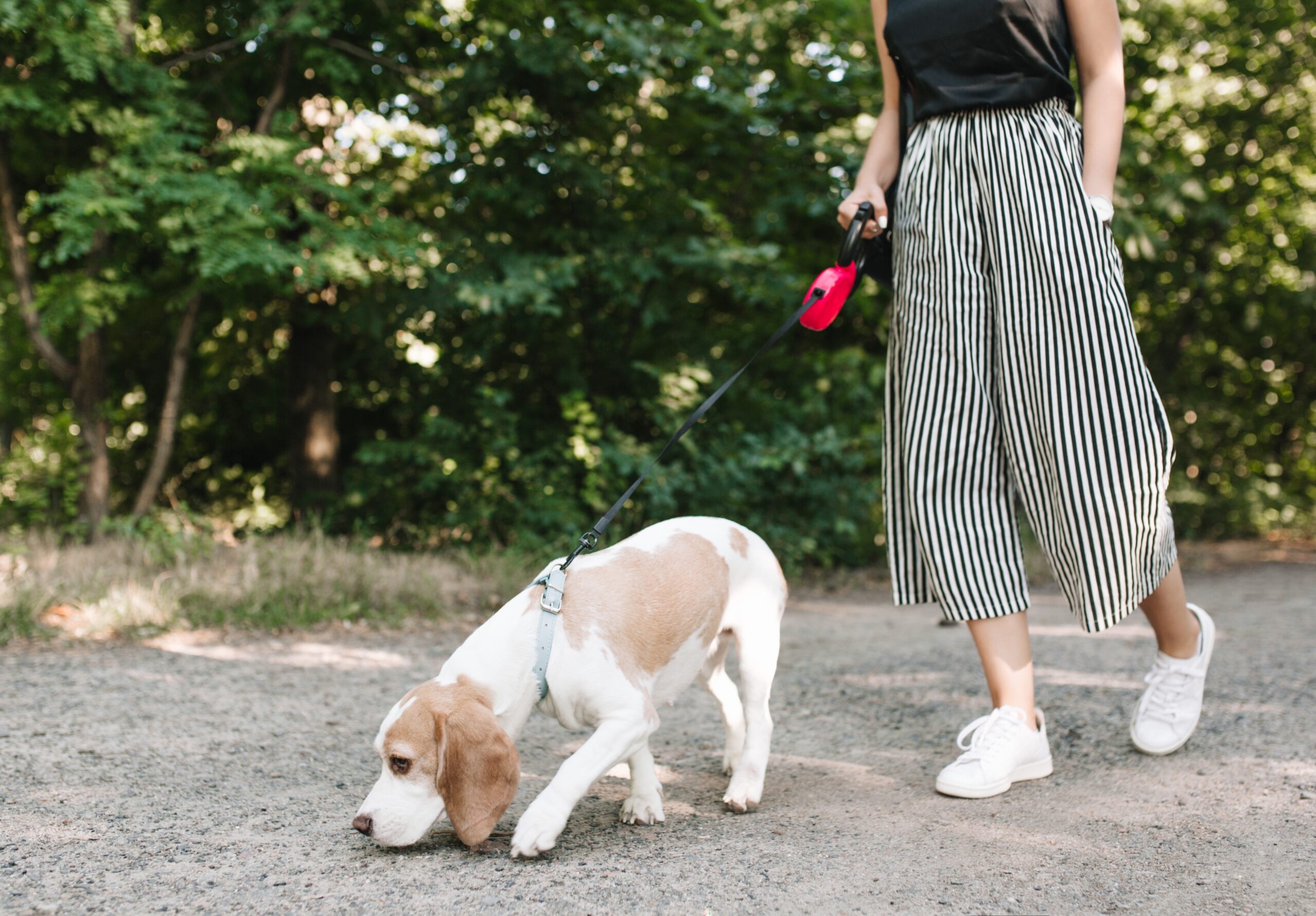
Heel and polite leash walking involve training your dog to walk beside you without pulling or lunging. Using consistent commands, positive reinforcement through treats and praise, and regular practice sessions in various environments are key techniques. This discipline improves the walking experience for both owner and dog, promoting safety and control.
Heel and Polite Leash Walking Techniques
Teaching your dog to heel means having them walk beside you without pulling ahead. This method relies on consistency and clear commands. Initially, you might use treats to capture their attention. As they grasp the idea, gradually reduce the treats. Always reward them with verbal praise and affection to reinforce good behavior.
Polite leash walking involves more than just heeling; it also includes no lunging or tugging. Start by selecting the right leash and harness for your dog’s size and temperament. A shorter leash offers better control and less room for pulling. Practice inside your home to minimize distractions. Once they’re comfortable, move to a quiet outdoor area.
Positive reinforcement is crucial during leash training. This technique involves rewarding good behavior to encourage repetition. Use treats, toys, or verbal praise. When your dog walks politely, provide a reward. If they start to pull, stop walking until they return to your side.
Consistency in training sessions is essential for success. Regular, short practice sessions are more effective than occasional long ones. Aim for daily walks, even if they’re brief. Over time, your dog will learn what you expect from them. Remember to stay patient and persistent.
Understanding the Basics of Heel
Heel is a command that instructs your dog to walk beside you, matching your pace. This position is typically on your left side. When teaching heel, begin with your dog in a sitting position. Make sure you have their attention before starting. Use a treat to guide them into the heel position.
Consistency is key in teaching your dog to heel. Start with short training sessions, around 5-10 minutes. Practice in a low-distraction environment, like your living room or backyard. Always use the same verbal commands and hand signals. This helps your dog understand what’s expected.
Positive reinforcement greatly aids in teaching heel. Reward your dog immediately when they follow the command correctly. Utilize treats, toys, or praise to reinforce good behavior. Avoid pulling the leash, as this can confuse and frustrate your pet. The goal is to make heel training a positive experience.
Gradually increase the difficulty as your dog masters the basics. Start walking in more distracting environments, such as parks or streets with light traffic. Consistently reinforce the heel position. Over time, your dog will understand that heeling leads to positive outcomes. Patience and persistence are essential.
Essentials of Polite Leash Behavior
Polite leash behavior ensures that walks with your dog are enjoyable and safe. A key component is teaching your dog not to pull on the leash. Begin by letting them know that pulling will not get them where they want to go. If they pull, stop walking until they return to your side. This method teaches patience and self-control.
Another essential aspect involves using the right equipment. A well-fitted harness can provide better control without causing discomfort. Choose a leash length that gives you control but also some freedom for the dog. Consistent use of the same equipment aids in training. It eliminates confusion and promotes familiarity.
Incorporate short leash training sessions into your daily routine. Practice commands like “stop,” “go,” and “heel” during these sessions. Reward your dog frequently with treats or praise. This makes learning a positive experience and reinforces good behavior. Gradual practice helps in retaining skills over time.
Encountering distractions is a part of polite leash training. Start by practicing in a calm environment. Gradually introduce mild distractions, such as passersby or other dogs. Maintain your dog’s focus using treats or toys. Over time, your dog will learn to ignore distractions and follow commands.
Training Techniques for Effective Learning
Effective dog training starts with positive reinforcement. This method rewards good behavior with treats, praise, or toys. Dogs are more likely to repeat behaviors that are rewarded. Start by choosing rewards your dog loves. Make sure to reward immediately after the desired behavior.
Clicker training is another effective technique. A clicker makes a precise sound when your dog performs the correct action. This sound marks the exact moment your dog did well. Follow each click with a treat. Over time, your dog will associate the click with positive reinforcement.
Consistency is crucial in training. Use the same commands and gestures every time. This helps your dog understand what’s expected. Short, daily training sessions work best. Consistent practice leads to quicker results and better retention.
Training sessions should be fun and engaging. Dogs can get bored easily, so keep sessions lively. Mix up activities and incorporate playtime. This keeps your dog excited and willing to learn. Avoid long sessions that might overwhelm your dog.
Socialization is an important part of training. Introduce your dog to different environments, people, and other dogs. This helps them become well-rounded and reduces fears. Gradually introduce new experiences. Ensure each interaction is positive and stress-free.
Address unwanted behaviors calmly and promptly. Avoid harsh punishments, which can harm your relationship. Instead, redirect your dog to acceptable behavior. For example, if they’re chewing on furniture, offer a chew toy. Positive redirection encourages good habits.
The Role of Reinforcement in Leash Training
Reinforcement plays a crucial role in leash training. Positive reinforcement involves rewarding your dog for good behavior. This reward could be a treat, praise, or a favorite toy. When a dog associates good behavior with a reward, they are more likely to repeat it. This makes training more effective and enjoyable.
Timing is essential in reinforcement. The reward must be given immediately after the desired behavior. This helps the dog understand what specific action earned the reward. Delayed reinforcement can confuse the dog. Consistency in timing ensures they make the right association.
Using a variety of reinforcements can keep training interesting. Dogs can quickly become bored with the same reward. Mixing up treats, toys, and verbal praise keeps them engaged. This variety can also be tailored to the dog’s preferences. Understanding what motivates your dog makes reinforcement more effective.
Negative reinforcement and punishment are less effective. These methods can lead to fear and anxiety. Instead, focus on positive behaviors. Redirect unwanted actions by guiding your dog towards acceptable behavior and rewarding that. Positive reinforcement builds trust and strengthens the bond between dog and owner.
Tracking progress helps in understanding the effectiveness of reinforcement. Keep a journal of training sessions, noting what works and what doesn’t. This helps in adjusting techniques as needed. Consistent evaluation and adaptation lead to better results over time.
The Importance of Consistency in Leash Training
Consistency in leash training is essential for a well-behaved dog. Regular training helps solidify the commands. When you practice the same activities daily, your dog knows what to expect. This reduces confusion and builds their confidence. Consistency also strengthens the bond between you and your dog.
Using the same commands and techniques each time is crucial. Dogs learn best through repetition and familiar cues. If one day you use “heel” and the next day “walk nicely,” it can confuse your pet. Stick to the same words and gestures. This uniformity makes learning smoother for your dog.
Practicing in various environments boosts adaptability. Always on the same route may limit your dog’s learning. Change the settings to parks, streets, and different times of day. This teaches your dog to behave well, regardless of the location. Gradual exposure to new places builds obedience skills.
Track your progress to note improvements or setbacks. Keeping a training log can be very useful. Jot down what works well and what does not. Adjust your strategies based on this record. I mprovement in leash skills often follows methodical tracking.
Involve all family members in the training. Consistent commands and rules from everyone help reinforce good behavior. If one person allows pulling, it can set back progress. Ensure everyone uses the same techniques. Unified family efforts lead to faster, more effective training.
Common Challenges in Leash Training and How to Overcome Them
Leash training can be frustrating due to common issues like pulling. Dogs often pull because they’re excited or want to explore. This behavior is challenging but manageable. Stopping whenever your dog pulls teaches them that pulling doesn’t get them anywhere. Consistent practice of this technique helps reduce pulling over time.
Distractions are another challenge during leash training. Squirrels, other dogs, or loud noises can divert your dog’s attention. To combat this, start training in a quiet area with minimal distractions. Gradually introduce more challenging environments as your dog improves. Maintaining their focus becomes easier with practice.
Some dogs may become anxious or fearful on the leash. This fear can stem from negative past experiences or lack of exposure. Building positive associations with the leash is key. Use treats and praise when they show calm behavior while leashed. Over time, this helps reduce anxiety and builds confidence.
Barking and lunging at other dogs is disruptive and sometimes dangerous. Teaching commands like “focus” or “watch me” can help manage this behavior. These commands redirect your dog’s attention back to you. Have treats ready for rewarding their attentiveness.
Inconsistent training methods among family members can confuse a dog and slow progress. Ensure everyone uses the same commands and techniques to maintain clarity for the dog. Unified efforts make training smoother and more effective.
Frequently Asked Questions
Leash training your dog can be challenging yet rewarding. Here are answers to some commonly asked questions to help you improve your dog’s leash behavior.
1. How do I start training my dog to walk on a leash?
Begin in a quiet, distraction-free area like your living room. Attach the leash to your dog’s collar and let them get used to the feel. Use treats to guide them into a “heel” position beside you. Start walking slowly, rewarding them each time they stay by your side. Gradually increase the distance and complexity as your dog gets comfortable.
This initial phase helps your dog associate the leash with positive experiences. Patience is key as they learn to trust and follow your lead. Practice daily, keeping sessions short to prevent frustration. Over time, your dog will become more comfortable and responsive, making walks more enjoyable for both of you.
2. Why does my dog pull on the leash?
Dogs often pull because they are excited and eager to explore. The world is full of interesting sights and smells. They might also pull to assert dominance or simply because they have more energy than their owner can keep up with. Understanding why your dog pulls helps you address the root cause effectively.
To correct this behavior, stop walking whenever they pull. Wait for them to return to your side before continuing. This teaches them that pulling gets them nowhere. Consistent training and using rewards for good behavior can significantly reduce leash pulling over time.
3. What equipment is best for leash training?
The choice of equipment depends on your dog’s size and behavior. A well-fitted harness is often recommended as it provides better control without causing discomfort. Avoid retractable leashes for training as they can encourage pulling. Instead, use a standard 4 to 6-foot leash for better management.
A head halter is another option for strong pullers, helping you direct their head and attention. Always ensure that any equipment used fits comfortably and does not cause pain. Proper tools, combined with consistent training, make achieving polite leash behavior easier and more effective.
4. How long does it take to train a dog to walk on a leash?
Leash training duration varies depending on the dog’s age, breed, and temperament. Some dogs might take a few weeks, while others may require several months. The key is consistent and regular training sessions. Daily practice and positive reinforcement speed up the learning process.
Keep training sessions short, around 10-15 minutes, to maintain your dog’s focus. Celebrate small victories and progress, even if gradual. Patience and persistence are essential for successful leash training. Remember, every dog learns at their own pace.
5. What should I do if my dog gets distracted during walks?
Distractions are a common challenge during walks. When your dog gets distracted, use a command like “focus” or “watch me” to regain their attention. Keep treats handy to reward them when they refocus on you. Gradually introduce more distractions as they improve.
Practice commands in various environments to build their focus skills. Regularly changing routes and settings during walks can also increase their adaptability. With consistent practice and patience, your dog will learn to handle distractions better.
Conclusion
Effective heel and polite leash walking are essential components of dog training. By incorporating positive reinforcement, consistency, and patience, owners can achieve a more enjoyable walking experience. These techniques not only improve obedience but also strengthen the bond between dog and owner.
Addressing common challenges and using the right equipment can make a significant difference. Regular practice in various environments boosts the dog’s adaptability and focus. With dedication and the right approach, any dog can learn to walk politely on a leash.
"*" indicates required fields