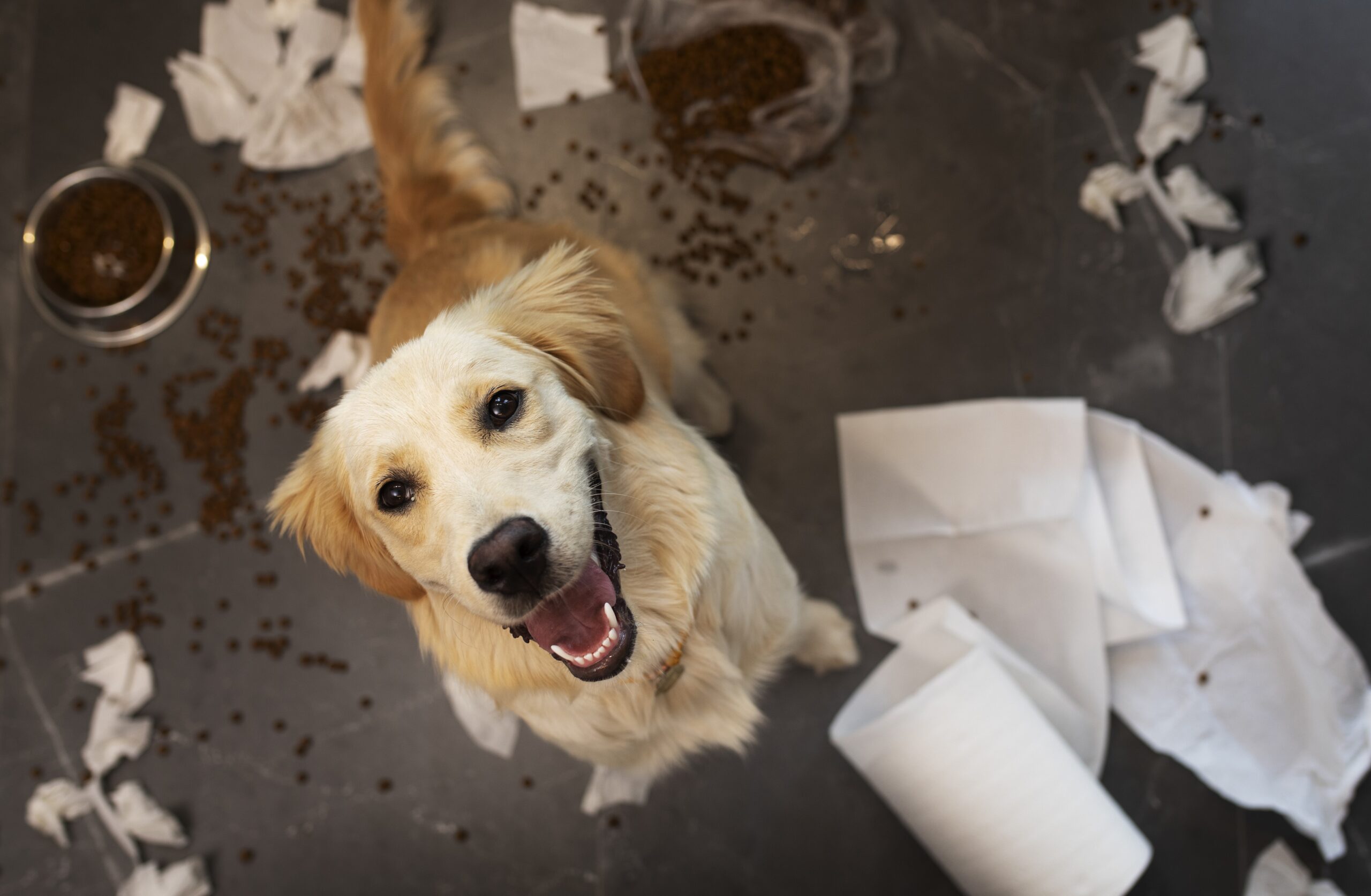
Stopping Counter-Surfing and Food Stealing.
It’s estimated that nearly 50% of dog owners have experienced their pet counter-surfing at least once. Imagine coming home to find your dinner has vanished, leaving only guilty paw prints as evidence. Counter-surfing and food stealing are not just frustrating but can be dangerous for our pets.
Historically, dogs are scavengers by nature, compelling them to search for food whenever possible. A compelling solution involves consistent training and creating an environment where food is not accessible. Remarkably, 70% of dog owners reported a significant decrease in this behavior after diligently maintaining clean counters and providing alternative activities for their pets.
Stopping counter-surfing and food stealing in pets involves a combination of keeping countertops clear, using baby gates to restrict access, employing deterrent sprays, and providing alternative activities. Consistent training with commands like “off” and “leave it,” along with positive reinforcement, is crucial for discouraging these behaviors permanently.
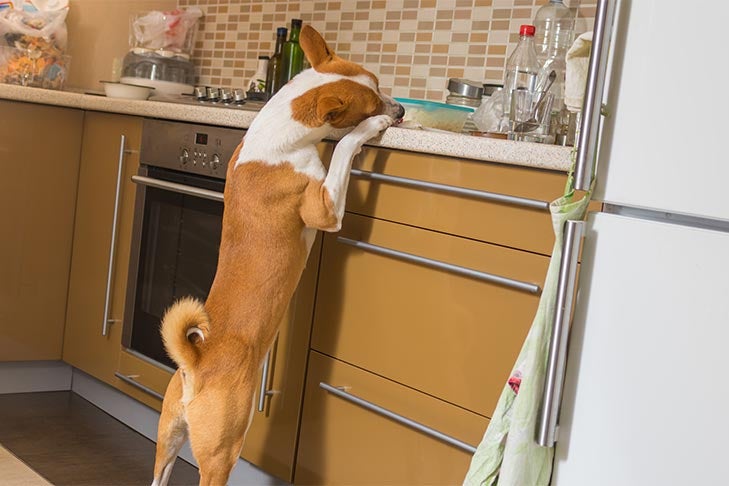
Understanding Counter-Surfing and Food Stealing in Pets
Counter-surfing is a term used to describe when pets, especially dogs and cats, jump onto counters to search for food. This behavior often happens because pets are curious and driven by the scent of food. While this might seem cute, it can lead to dangerous situations, especially if they find harmful substances.
Food stealing, on the other hand, involves pets taking food directly from plates, tables, or even your hands. Often, pets steal food because they find it tasty or they might be hungry. This issue can be frustrating for pet owners and sometimes embarrassing when guests are present.
Pets usually engage in counter-surfing and food stealing out of natural instincts. Dogs, for instance, are scavengers by nature, always on the hunt for their next meal. Cats, with their agility, can easily leap onto surfaces in search of tasty treats, adding to the problem.
Both behaviors can lead to health risks for pets. Foods that are safe for humans can be harmful or even toxic to pets. Items like chocolate, onions, and certain spices can make pets very sick. Therefore, understanding and addressing these behaviors is crucial for their well-being.
What is Counter-Surfing and Why Do Pets Engage in This Behavior?
Counter-surfing is when pets, mainly dogs and cats, jump onto countertops or tables to find food. This behavior is driven by their natural instincts. Pets are often drawn to the delicious smells of food left on kitchen counters or dining tables.
Pets engage in counter-surfing for several reasons. One reason is simple curiosity and the desire to explore their environment. Another reason is hunger or food motivation; pets learn that counters can be a source of tasty treats.
Dogs have a strong sense of smell, which makes it easy for them to detect food from a distance. This sense often leads them to investigate and, eventually, surf counters. Cats, on the other hand, are naturally curious and agile, making it easy for them to leap onto high surfaces.
Despite being a common behavior, counter-surfing can be problematic. Pets might access foods that are dangerous or toxic for them. Training and preventative measures are essential to keep pets safe and to maintain a hygienic home environment.
Preventative Measures to Discourage Counter-Surfing
One of the most effective ways to discourage counter-surfing is to keep counters clean and free of food. Pets are less likely to investigate if there are no food scents to attract them. Regularly wiping down surfaces can help eliminate these tempting smells.
Another measure is to provide alternative activities for your pets. Engage them with toys, puzzles, and treats that keep them busy. This not only distracts them but also fulfills their need for mental stimulation.
- Use deterrent sprays on countertops
- Train pets with commands such as “off” or “leave it”
- Install baby gates to restrict access to the kitchen
Implementing these tools consistently can significantly reduce counter-surfing behavior. Training your pet to understand boundaries is crucial. Rewards and positive reinforcement when they stay off counters can be very effective.
Training Techniques to Stop Food Stealing
Positive reinforcement is a powerful tool in training pets not to steal food. When pets obey commands like “leave it,” reward them with a treat or praise. This method helps build a connection between good behavior and positive outcomes.
Consistency is key in any training regimen. Ensure all family members follow the same rules and commands. Mixed messages can confuse pets, making the training process longer and less effective.
Using barriers is another effective strategy. Baby gates or closed doors can limit your pet’s access to areas where food is prepared or eaten. This physical barrier helps reduce temptation and forms a habit of staying out of those spaces.
For dogs, crate training can be beneficial. Encourage your dog to stay in their crate during meal times. This creates a safe space for them and reduces the opportunity for food stealing.
Clicker training is a method that can help reinforce desired behaviors. The clicker sound marks the exact moment your pet performs a good action, followed by a treat. This clear communication helps pets understand what is expected of them.
Implementing these techniques requires patience and time. However, the result is a well-behaved pet that respects boundaries. Regular practice and staying calm during training sessions will yield the best results.
Frequently Asked Questions
Here are some common questions and detailed answers related to preventing counter-surfing and food stealing in pets. These answers provide practical advice and insights to help manage these issues effectively.
1 How can I train my dog to stop jumping on counters?
Training your dog to stop jumping on counters involves consistency and patience. Start by using commands like “off” and rewarding your dog when they obey. Make sure everyone in the household uses the same commands to avoid confusion.
Additionally, keep counters clear of any food or temptation. The less appealing the counter, the less likely your dog will try to investigate. Using barriers like baby gates can also prevent access to the kitchen or dining area.
2 What are the best deterrents for pets to avoid kitchen areas?
Deterrents such as baby gates, motion-activated sprays, and aluminum foil can be effective in keeping pets away from kitchen areas. These physical barriers can discourage pets from entering spaces where they might counter-surf or steal food.
Using deterrent sprays on countertops can also help. These sprays create an unpleasant environment for pets, encouraging them to stay away from the restricted area. Consistency is key to making these deterrents effective.
3 Is crate training effective for reducing food stealing?
Yes, crate training can be effective in reducing food stealing. It provides a safe space for your pet during meal times and helps create boundaries. Make the crate a comfortable and positive area so your pet associates it with safety.
Use treats and toys to keep your pet occupied while in the crate. This reduces their interest in food that’s out of their reach and reinforces good behavior. Gradually extend the time they spend in the crate during meals for better results.
4 Can I stop food stealing by praise and rewards?
Praise and rewards are essential in stopping food stealing. Positive reinforcement teaches pets that obeying commands leads to treats and praise. When your pet avoids stealing food, immediately reward them to reinforce the behavior.
Keep training sessions short and consistent. Over time, your pet will understand that they receive more benefits by not stealing food. This method helps in developing long-lasting good behavior.
5 How do motion-activated sprays work as a deterrent?
Motion-activated sprays release a harmless burst when your pet approaches a restricted area. This sudden action startles pets and deters them from entering or jumping onto countertops. It conditions them to stay away from these spots over time.
These sprays are easy to install near countertops or dining areas. Be consistent in using these deterrents, and eventually, your pets will learn to avoid these places. It’s a simple yet effective method to manage counter-surfing and food stealing.
Conclusion
Addressing counter-surfing and food stealing in pets requires a blend of training, consistency, and preventative measures. By keeping counters clear, using barriers, and providing alternative activities, you can effectively reduce these unwanted behaviors. Consistent training and positive reinforcement further enhance the results.
Implementing these strategies not only safeguards your home but also ensures the well-being of your pets. A disciplined approach fosters a harmonious living environment for both pets and owners. With patience and commitment, these issues can be successfully managed.