
Helping Dogs Overcome Fear of Fireworks and Thunder | OLK9 Bakersfield
A surprising 45% of dogs exhibit fear responses to loud noises like fireworks and thunder. This fear can manifest as restlessness, trembling, or even attempts to escape. For pet owners and veterinarians, understanding these reactions is crucial in effectively managing and easing these fears.
Historically, dogs’ sensitivity to loud noises may be linked to their ancestors’ survival instincts. According to recent studies, creating a safe and comfortable environment can reduce anxiety in 80% of these dogs. Techniques such as desensitization training and using anxiety wraps have proven effective in helping our canine friends cope better with their auditory fears.
Helping dogs overcome fear of fireworks and thunder involves desensitization techniques, using anxiety wraps, creating safe spaces, providing distractions with toys or chews, and possibly consulting a veterinarian for professional advice or medication. Consistent efforts and understanding dog behavior can significantly reduce their anxiety during loud events.
Understanding Dog Anxiety During Fireworks and Thunder
Dogs often experience anxiety from loud noises because of their heightened senses. Their hearing is far more sensitive than humans, making the sounds more intense. This can lead to sudden panic and fear, manifesting as trembling, panting, or trying to hide.
The fear response in dogs can be linked to their survival instincts. Historically, loud noises meant danger, prompting a fight-or-flight response. This means thunder or fireworks can trigger deep-seated fears.
Recognizing the signs of anxiety is crucial for owners. Symptoms can include excessive drooling, barking, or even attempting to escape. Additionally, some dogs may become aggressive or overly clingy when distressed.
Common signs of anxiety in dogs can vary but often include behaviors like pacing or whining. During storms or fireworks, they might seek comfort in small spaces or under furniture. Understanding these signs can help in managing and easing their fears effectively.
Recognizing the Signs of Anxiety in Dogs
Knowing the signs of anxiety in dogs is essential for proper care. Common indicators include whining, trembling, and pacing. Some dogs may become destructive, chewing on furniture or other objects when anxious.
Physical symptoms can also be present. These may include excessive drooling and panting. More severe reactions might involve attempts to escape or hide in small, enclosed spaces.
In addition, behavioral changes are often noticeable. A normally calm dog might become overly clingy or aggressive. It’s important to observe any sudden or extreme changes in your dog’s behavior during noisy events.
Dogs can exhibit subtle signs of stress too. For example, they might lick their lips repeatedly or yawn excessively. Paying close attention to these signals can help you intervene early and provide comfort.
Training Techniques to Desensitize Dogs to Loud Noises
One effective method to help dogs cope with loud noises is desensitization training. This involves gradually exposing them to the sounds they fear. Over time, the dog becomes less reactive and more comfortable.
Start with low volume recordings of fireworks or thunder. Play these sounds while engaging your dog in positive activities. Gradually increase the volume as your dog adjusts.
Another technique is counterconditioning. This aims to change the dog’s emotional response to loud noises. Pair the noise with something enjoyable like treats or playtime.
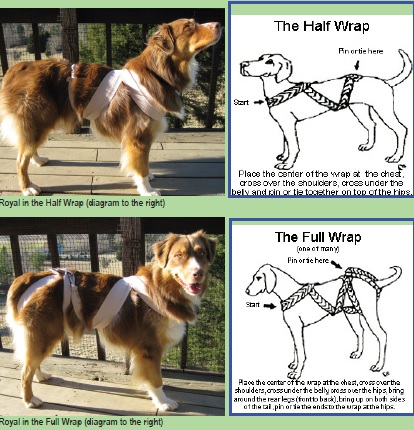
Using anxiety wraps can also be beneficial. These wraps provide gentle, constant pressure. It helps to calm dogs during noisy events.
Creating a Safe and Comfortable Environment
Making a safe space for your dog during fireworks or thunderstorms is vital. This spot should be quiet and away from windows. Adding soft furnishings like blankets can make it more welcoming.
Consider using soundproofing techniques to reduce noise. Heavy curtains can help block out loud sounds. You might also use white noise machines to mask external noises.
Providing distractions can be beneficial too. Give your dog their favorite toys or long-lasting chews. This keeps their mind occupied and away from the noise outside.
Some dogs find comfort in wearing anxiety wraps or vests. These products apply gentle pressure, which can help soothe your dog. They’re especially useful during prolonged periods of loud noise.
Using calming scents can also enhance the environment. Products like pheromone diffusers release scents that mimic a mother dog’s natural comforting pheromones. These can help reduce anxiety.
Lastly, create a routine for noisy events. Dogs feel more secure with predictable patterns. Knowing what to expect can ease their anxiety during stressful times.
Professional Solutions and Treatments
Consulting a veterinarian is often the first step in addressing severe anxiety in dogs. They can provide guidance and recommend appropriate treatments. These might include medications or specialized training programs.
Medication can be effective for dogs with extreme fear responses. Options may include anti-anxiety drugs or sedatives prescribed by a vet. Always follow the vet’s instructions to ensure your dog’s safety.
Behavioral therapy is another professional solution. Certified animal behaviorists can work with your dog to modify their reactions to loud noises. This therapy can be particularly helpful for long-term anxiety management.
In some cases, veterinarians might suggest natural remedies. These can include herbal supplements or pheromone diffusers. Such options are gentler and may serve as a complement to other treatments.
Additionally, enrolling in professional training classes can be beneficial. Trainers specializing in anxiety can tailor programs to your dog’s needs. This personalized approach often yields the best results.
Using a combination of these methods can provide comprehensive anxiety relief for dogs. Always consult with professionals to determine the best course of action for your pet. This ensures that your dog receives the most effective and safe treatments available.
Preventive Measures for Future Events
Planning ahead can help reduce your dog’s anxiety during loud events. Before fireworks or thunderstorms, take your dog for a long walk. Exercise can make them more relaxed.
Provide a safe, designated space where they can retreat. Make this area comfortable with their favorite blankets and toys. Familiar surroundings can be soothing during stressful times.
Consider implementing a desensitization program well in advance. Gradually expose your dog to recordings of fireworks or thunder at low volumes. Increase the volume slowly over time to build their tolerance.
Use calming aids such as anxiety wraps or pheromone diffusers. These can be particularly effective when used in conjunction with other preventive measures. They provide an added layer of comfort for your pet.
Socializing your dog can also be beneficial. Dogs that are more social tend to handle stress better. Regular playdates and interactions with other pets can improve their overall resilience.
Lastly, consult your veterinarian for additional tips. They can recommend preventive strategies tailored to your dog’s specific needs. Professional advice ensures comprehensive care and effective anxiety management.
Frequently Asked Questions
Understanding how to help dogs overcome their fear of loud noises is crucial. Here are some common questions and their answers to guide you.
1. What are common signs of anxiety in dogs during fireworks?
During fireworks, dogs may show signs like trembling, panting, and pacing. They might also bark excessively or try to hide.
Other indicators include drooling and trying to escape from the house. Recognizing these signs early can help manage their anxiety more effectively.
2. Can certain breeds be more prone to noise anxiety?
Yes, some breeds are more prone to noise anxiety than others. Breeds like Border Collies and German Shepherds are known for their sensitivity to loud noises.
Smaller breeds like Chihuahuas can also be highly anxious. However, individual temperament plays a significant role in noise sensitivity.
3. How long does desensitization training take for dogs?
The duration of desensitization training varies for each dog. It can take weeks to months for a dog to become more comfortable with loud noises.
Consistency and patience are crucial throughout the training process. Gradually exposing your dog to noises at increasing volumes helps build their tolerance over time.
4. Are there natural remedies to calm dogs during thunderstorms?
Yes, natural remedies can be effective in calming dogs during storms. Products like lavender oil and pheromone diffusers are commonly used.
Herbal supplements such as valerian root and chamomile may also help reduce anxiety. Always consult your veterinarian before trying new treatments.
5. Is it safe to give dogs medication for anxiety during fireworks?
Medications can be safe if prescribed by a veterinarian. They may recommend anti-anxiety drugs or mild sedatives based on your dog’s needs.
Always follow dosage instructions carefully to ensure safety. Medications should be part of a broader anxiety management plan, including behavioral training.
5 Tips To Calm A Dog That’s Afraid of Thunder or Fireworks
Conclusion
Helping dogs overcome their fear of fireworks and thunder involves a blend of techniques. From creating safe environments to professional interventions, each approach can contribute to easing their anxiety. Understanding and patience are key components.
By recognizing the signs and applying effective strategies, dog owners can offer much-needed comfort. Each small step can lead to significant improvements. Ultimately, a well-rounded approach ensures a calmer and happier pet during noisy events.
"*" indicates required fields