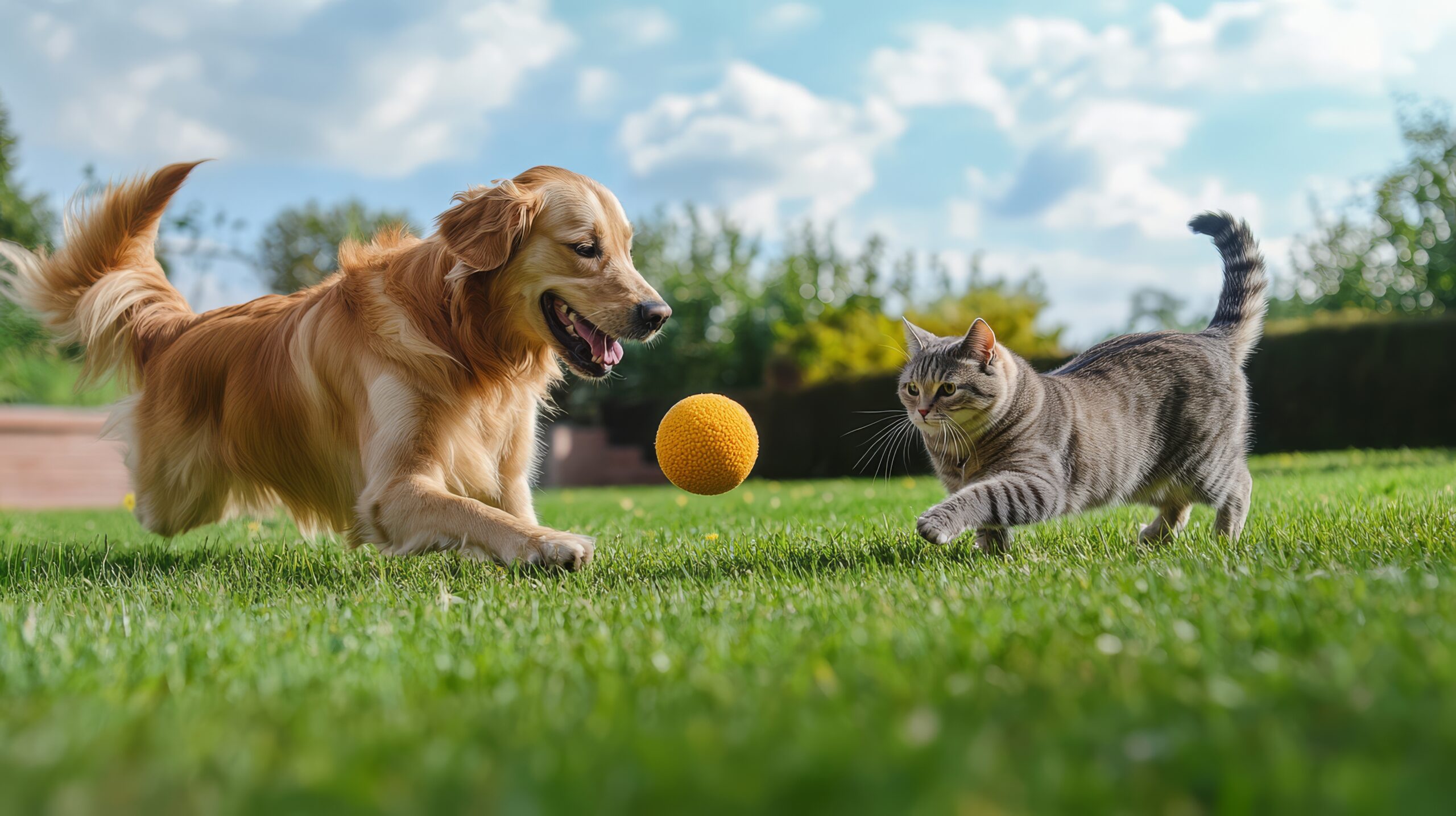
Dog Training Tips for Introducing Dogs to Cats and Other Pets
Introducing a new pet into a household with established animals can be riddled with challenges, yet research shows that systematic training dramatically increases the likelihood of harmonious coexistence. Dogs and cats, two of the most popular pets, have distinct behaviors and communication styles. Bridging this gap requires patience and strategic training.
The key lies in gradual introductions and positive reinforcement. Historically, dogs and cats often view each other as natural adversaries, but with appropriate socialization, a trusting relationship can be fostered. According to a recent survey, 75% of pet owners found success through regular, supervised interaction sessions. Additionally, ensuring both pets have their own safe spaces can alleviate territorial stresses, creating a balanced and peaceful home environment.
Introducing dogs to cats and other pets requires patience and a strategic approach. Gradually familiarize them through scent, controlled interactions, and positive reinforcement. Separate spaces initially help, then move to supervised meetings. Consistent routines and observing body language are vital for fostering harmony and reducing stress in multi-pet households.
Essential Tips for Successfully Introducing Dogs to Cats
One key to a successful introduction is understanding the natural instincts of both animals. Dogs may view cats as potential prey, while cats often feel threatened by dogs. This dynamic requires careful management to avoid stress for either pet. Knowing their behaviors helps in planning the first meet-up. Ensuring a calm environment can significantly ease the process.
Creating a safe space for initial interactions is crucial. Ideally, this should be a neutral area, not associated with either pet. Use separation methods like gates or crates, allowing them to see but not touch each other. This reduces immediate physical contact, minimizing the potential for aggressive responses. Gradually, they’ll get used to each other’s presence.
Introducing pets slowly is always beneficial. Start with short and supervised interaction sessions, gradually increasing their duration. Use positive reinforcement techniques to reward good behavior. Treats or praise can encourage both pets to remain calm. Consistent, positive experiences facilitate better adjustment over time.
Keep an eye out for signs of stress in both pets. Look for changes in behavior such as growling or hiding. It’s important to intervene before things escalate. If needed, separate the pets and revisit the process later. Patience is key in creating a harmonious environment. This careful approach can lead to a peaceful coexistence.
Understanding Dog and Cat Behavioral Differences
Dogs are pack animals, meaning they thrive on social interactions and hierarchy. They often show their affection through physical touch, such as nudging or licking. On the other hand, cats are solitary hunters and can be more reserved. They usually need time to accept new companions. Understanding these innate tendencies helps tailor the introduction process.
Communication styles between dogs and cats can vary greatly. Dogs tend to use body language like wagging tails or crouching to convey their mood. Cats, in contrast, use subtle signals such as ear position or tail flicks. Recognizing these differences is key to interpreting their responses during interactions. Misreading these cues can lead to unnecessary stress.
Dogs may display curiosity by sniffing and exploring, which can seem invasive to a cat. Cats often react defensively, hissing or swatting to assert their space. Teaching your dog to respect a cat’s boundaries is crucial. This prevents aggressive encounters and builds trust over time. Establishing ground rules from the start helps foster a peaceful relationship.
The energy levels of dogs and cats also play a role in their interactions. Dogs can be boisterous and playful, while cats prefer casual and calm environments. These contrasting energy levels need to be balanced. Structured playtime can help manage a dog’s excitement. Ensuring a restful space for cats keeps them comfortable.
Create a Safe Introduction Environment
Creating a safe introduction environment is essential for both pets’ comfort. Select a neutral space where neither pet feels territorial. This could be a living room or a hallway. Use barriers like baby gates to separate them initially. This way, they can see and smell each other without direct contact.
It’s vital to make sure the area is quiet and free from distractions. Loud noises or sudden movements can cause stress. Removing toys and food bowls from the introduction space helps reduce competitiveness. Keep the environment calm by minimizing external stimuli. Soft background noise like calming music can help ease tension.
Providing escape routes for both pets adds a sense of security. Ensure there’s a way for the cat to retreat to higher ground if needed. Dogs should also have a spot where they can relax away from the cat. This reduces the likelihood of confrontations. Comfort zones help each animal feel safe and reduce stress.
Gradual introduction is key to success. Start with short sessions, allowing both pets to acclimate to each other’s presence. Increase the duration of these meet-ups as they show more comfort. Pay attention to their body language for signs of distress. Positive reinforcement during these moments encourages good behavior.
Implementing Slow and Controlled Exposure
Slow and controlled exposure is essential in introducing pets to each other. Begin by letting them sense each other’s presence without direct contact. For example, swap their bedding to familiarize them with each other’s scent. This prepares them for future face-to-face interactions. Scent swapping reduces initial anxiety.
Use physical barriers to allow visual contact while preventing physical interaction. Baby gates or crates can be useful in this phase. This setup lets them observe each other’s behavior safely. Gradually, curious interest may replace initial wariness. Supervised sessions help manage their reactions effectively.
Gradually increase interaction time based on their comfort levels. Start with short sessions of five to ten minutes. If they show positive behavior, extend the duration gradually. Watching for signs of stress or aggression is crucial. Tailor the pace to match their responses and keep sessions positive.
Monitor their behavior closely during these interactions. Look for cues such as relaxed tails or playful postures. Reward calm behavior with treats or praise. Avoid punishing negative reactions; instead, separate them and try again later. This encouragement promotes good conduct and eases stress.
Consistency is key in the process. Regular, controlled sessions can lead to better familiarity and eventually, acceptance. Maintain a calm demeanor to transfer a sense of security to your pets. Over time, these controlled exposures can help foster a peaceful relationship. Employ patience and dedication for optimal results.
Maintaining Supervised Interactions
Supervised interactions are vital in building trust between pets. Always be present during these sessions to monitor behaviors. This allows you to intervene promptly if things escalate. Keeping a watchful eye ensures safety for both animals. Gradual exposure helps them adapt to each other.
Start with short, supervised sessions and gradually increase their length. Initially, five to ten minutes can prevent overstimulation. As comfort grows, extend the interaction time. This method helps manage stress and avoids forced integration. Lengthened exposure aids in natural adjustment.
Use positive reinforcement to reward good behavior during interactions. Treats, praise, and gentle petting can encourage calmness. Showing approval reinforces positive actions. Over time, pets will associate good behavior with rewards. This technique promotes a peaceful cohabitation.
Pay close attention to body language. Watch for signs like relaxed postures or wagging tails in dogs, and calm tail movements in cats. These indicate comfort and acceptance. Conversely, hissing, growling, or raised fur signals stress or aggression. Understanding these cues helps tailor the approach.
Gradually allow more freedom during supervised interactions while maintaining vigilance. Start with limited spaces and slowly increase their roaming areas. This encourages exploration and interaction while ensuring safety. Gradual freedom builds confidence and trust. Supervised freedom aids in seamless integration.
Consider using tools like leashes or harnesses during initial visits. This can offer more control and prevent sudden movements. It also provides a safer environment for both pets. These tools are especially useful if either pet feels insecure. Controlled movement fosters a sense of security.
Positive Reinforcement Techniques
Positive reinforcement techniques are effective in promoting good behavior in pets. Using treats, praise, and play as rewards encourages them to behave well. Consistency is crucial in reinforcing desirable actions. Rewards should be given immediately after the desired behavior. This helps pets associate the action with positive outcomes.
Implementing positive reinforcement requires understanding what motivates your pet. Some animals respond best to food rewards, while others prefer praise or toys. Tailor the rewards according to individual preferences. For dogs, treats can be particularly effective. Cats may respond better to gentle petting or a favorite toy.
Consistency in rewarding good behavior strengthens positive associations. Make sure everyone in the household uses the same approach. This avoids mixed signals that can confuse the pets. Regular practice of these techniques can solidify good behavior patterns. Consistent reinforcement builds a foundation of trust and understanding.
Use a clicker to mark desired behavior in dogs before giving a treat. This immediate signal helps them understand what they did right. For cats, a verbal cue like “good” can be useful. Tailoring reinforcement techniques to each pet’s needs yields the best results. Tools like clickers enhance the efficiency of training sessions.
Gradually phase out treats and replace them with praise as the pet learns. This balances the use of rewards and prevents dependency on treats. Encouragement through verbal praise maintains the positive reinforcement. Pets will begin to understand that good behavior itself is rewarding. Over time, verbal reinforcement can be as effective as treats.
Ensure the training environment is calm and free from distractions. This helps pets focus on learning. Avoid punishing bad behavior, as it can increase anxiety. Instead, redirect them to a positive action and reward that. Redirection combined with positive reinforcement fosters a positive learning experience.
Recognizing Signs of Stress and Adjustment in Dogs and Cats
Identifying signs of stress in dogs and cats is essential for their well-being. Dogs may exhibit behaviors like pacing, excessive barking, or panting. They might also show destructive behavior or withdrawal. Changes in appetite can indicate stress too. Being aware of these signals helps address the issue early.
Cats display stress differently compared to dogs. Common signs include hiding, hissing, or urine marking outside the litter box. They might groom excessively or stop grooming altogether. Noticeable changes in their eating patterns can also be a clue. Recognizing these cues is crucial for timely intervention.
Adjustment to new environments or companions takes time for both pets. Initially, they may seem uneasy or anxious around each other. Gradual improvements in their interactions signal positive adjustment. Look for more relaxed body language and mutual curiosity over time. These are good indicators that they are adjusting well.
- Increased playfulness
- Reduced aggression
- Comfortable sharing spaces
- Willingness to eat around each other
A key aspect of helping pets adjust is providing a consistent routine. Regular feeding times, play sessions, and quiet periods create a predictable environment. Consistency helps reduce anxiety as pets begin to understand what to expect daily. A stable routine contributes significantly to their sense of security.
If stress levels remain high despite efforts, professional help might be necessary. Consulting a veterinarian or animal behaviorist can offer additional strategies and support. They may recommend specific techniques for easing tension between pets. Professional guidance ensures you’re addressing underlying issues effectively.
Strategies for Long-Term Success in Multi-Pet Households
Creating harmony in a multi-pet household requires consistency and patience. Establishing a daily routine is crucial as it provides predictability. Feeding schedules, playtime, and rest periods should be regular. This predictability helps reduce anxiety and fosters a peaceful coexistence. Pets thrive in a stable environment.
Avoid favoritism between pets to maintain a balanced relationship. Spend equal time with each pet to ensure none feel neglected. Rotate attention and interactions to promote unity. This approach helps prevent jealousy and competition. Balanced affection contributes to a harmonious home.
Provide separate spaces and resources for each pet. Having individual sleeping areas, food bowls, and toys can minimize conflicts. Pets need their own territories to feel secure. Respecting these spaces reduces territorial disputes. This setup encourages positive interactions among pets.
Regular health check-ups for all pets ensure they remain healthy and stress-free. Vigilance in monitoring health prevents issues like zoonotic diseases. Ensure vaccinations and treatments are up-to-date. Healthier pets are generally happier and more adaptable. Professional advice can guide health management effectively.
- Create enrichment activities for each pet
- Maintain a clean environment
- Monitor behavioral changes closely
- Provide mental stimulation regularly
Training sessions should be tailored to each pet’s needs. Consistent training reinforces positive behaviors and helps manage negative traits. Behavioral training can be a bonding activity. Consult experts to develop effective training regimens. Proper training contributes significantly to long-term success in multi-pet households.
Common Mistakes to Avoid During Pet Introductions
Rushing the introduction process is a common mistake pet owners make. Pets need time to adjust to each other’s presence. Fast-tracking interactions can lead to stress and aggression. Ensuring gradual and controlled exposure allows pets to become comfortable. Patience is key to successful introductions.
Another mistake is neglecting the individual needs of each pet. Each animal has its own pace and comfort zone. Forcing them beyond their limits can result in negative reactions. Understanding and respecting their boundaries is essential. Tailoring the approach to each pet’s requirements leads to better outcomes.
| Common Mistakes | Consequences |
|---|---|
| Ignoring stress signals | Increased anxiety |
| Skipping positive reinforcement | Poor behavior management |
| Inconsistent routines | Confusion and stress |
Failing to provide neutral spaces can lead to territorial disputes. Pets feel more secure in areas that don’t belong to either of them. Choosing a neutral location for introductions helps minimize conflicts. This strategy helps establish a balanced environment. Neutral spaces are crucial for harmonious interactions.
Neglecting supervision during interactions can be risky. Always monitor pets closely when they are together, especially in the beginning. Unsupervised encounters can escalate quickly into fights. Being present allows for immediate intervention if needed. Supervision ensures the safety and well-being of both pets.
Ignoring gradual socialization is another pitfall. Pets need incremental steps to build positive associations with each other. Skipping stages can lead to fear and aggression. Structured socialization helps them form a bond over time. A step-by-step approach is critical for successful introductions.
Resources and Professional Assistance for Training Pets
Finding the right resources for training pets can make a significant difference. Books and online articles provide valuable insights into pet behavior and training techniques. Renowned trainers often share their expertise through blogs and videos. These resources offer practical tips and solutions. Leveraging these tools can guide effective training.
Enrolling in a local pet training class can be highly beneficial. Professional trainers can provide hands-on guidance and support. These classes offer a structured environment for learning. Pets can socialize while developing essential skills. Group settings also allow owners to learn from each other’s experiences.
- Consulting a veterinarian for advice
- Finding an animal behaviorist for specialized help
- Utilizing pet training apps for daily practice
- Joining forums or social media groups for community support
Animal behaviorists can address specific issues that general training may not cover. They help with behavioral problems like aggression or anxiety. These experts develop tailored strategies for individual pets. Consulting an animal behaviorist ensures targeted and effective intervention. Their expertise is invaluable for addressing complex cases.
Pet training apps have gained popularity for their convenience. Apps like “Puppr” and “Dogo” offer step-by-step training plans. They include video demonstrations and progress tracking. These tools are handy for consistent training and reinforcement. Integrating technology into pet training makes it easier to stay on track.
Networking with other pet owners through forums or social media can provide additional support. Sharing experiences and tips can offer new perspectives. Online communities are great for exchanging advice and encouragement. This collective knowledge helps tackle common training challenges. Collaboration within these networks enhances the training journey.
Frequently Asked Questions
Introducing dogs to cats and other pets requires careful planning and patience. Below are some common questions and answers to help you create a harmonious multi-pet household.
1. How long does it take for a dog to get used to a cat?
The time it takes for a dog to get used to a cat can vary. It often depends on the individual personalities of the pets and their past experiences. Some dogs and cats may become friends within a few days, while others can take several weeks or even months.
During this period, it’s important to supervise all interactions closely and provide plenty of positive reinforcement. Consistency and patience are key to helping your pets adjust to each other. Gradually increasing their time together can also assist in building a comfortable relationship.
2. What are the first steps to introduce a new dog to a resident cat?
Start by separating the new dog and resident cat in different rooms. Allow them to get used to each other’s scent by swapping bedding or towels. This helps them become familiar with each other’s presence without face-to-face contact.
Next, let them see each other through a barrier like a baby gate. Gradual, supervised sessions where they can interact through the barrier help reduce anxiety. These steps create a foundation for positive introductions and build comfort levels over time.
3. Can all dog breeds live happily with cats?
Most dog breeds can learn to live with cats given the right training and socialization. Some breeds, however, have higher prey drives and may see cats as something to chase. Breeds like Labradors and Golden Retrievers often adapt well to living with cats.
On the other hand, breeds like Greyhounds and Terriers may require extra caution and training. Always consider the individual dog’s temperament and history with small animals. Proper introductions and supervision are key to ensuring a peaceful coexistence.
4. What should I do if my dog shows aggression towards my cat?
If your dog shows aggression towards your cat, separate them immediately to prevent harm. Reducing direct interactions and providing a cooling-off period is essential. Reinforce positive behaviors with treats and praise when your dog remains calm around the cat.
Consulting a professional trainer or animal behaviorist can provide targeted strategies. They can help address the underlying causes of aggression and guide you through a step-by-step desensitization process. Proper management and training are critical to rectifying aggressive behaviors.
5. Are there specific tools or products that can help with introductions?
Yes, various tools can assist in the introduction process. Baby gates or playpens allow pets to see each other without direct contact, reducing immediate stress. Calming sprays or diffusers can help ease anxiety for both pets during introductions.
Interactive toys and treat-dispensing devices can distract and engage your pets in positive activities. Additionally, leashes and harnesses can provide control during supervised sessions. These tools, when used correctly, can facilitate smoother introductions and reduce friction.
Conclusion
Introducing dogs to cats and other pets requires patience and strategic planning. Understanding each pet’s individual needs and utilizing gradual exposure techniques are crucial. Positive reinforcement and regular supervision foster a peaceful coexistence.
Consistency and attention to body language help identify stress and adjustment signs. Professional guidance can address challenges effectively. With these strategies, a harmonious multi-pet household is achievable for any pet owner.
"*" indicates required fields